Introduction
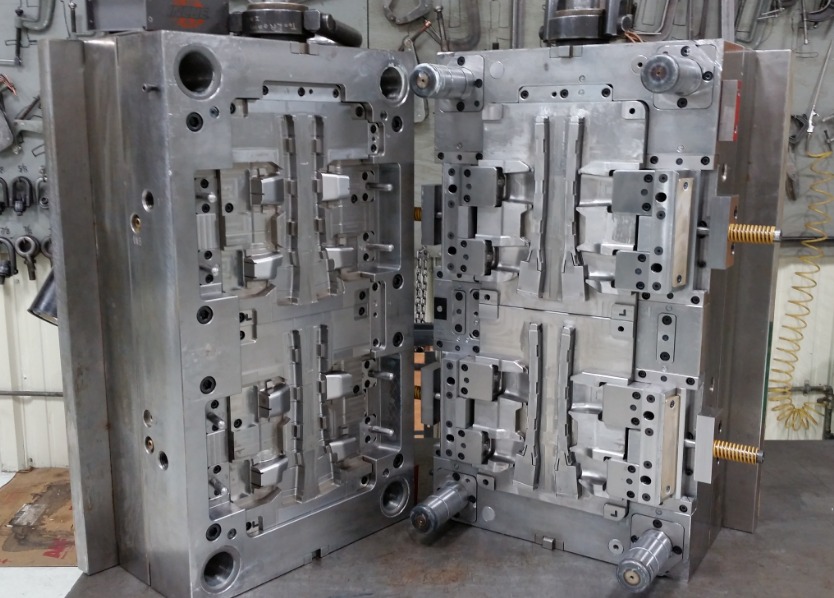
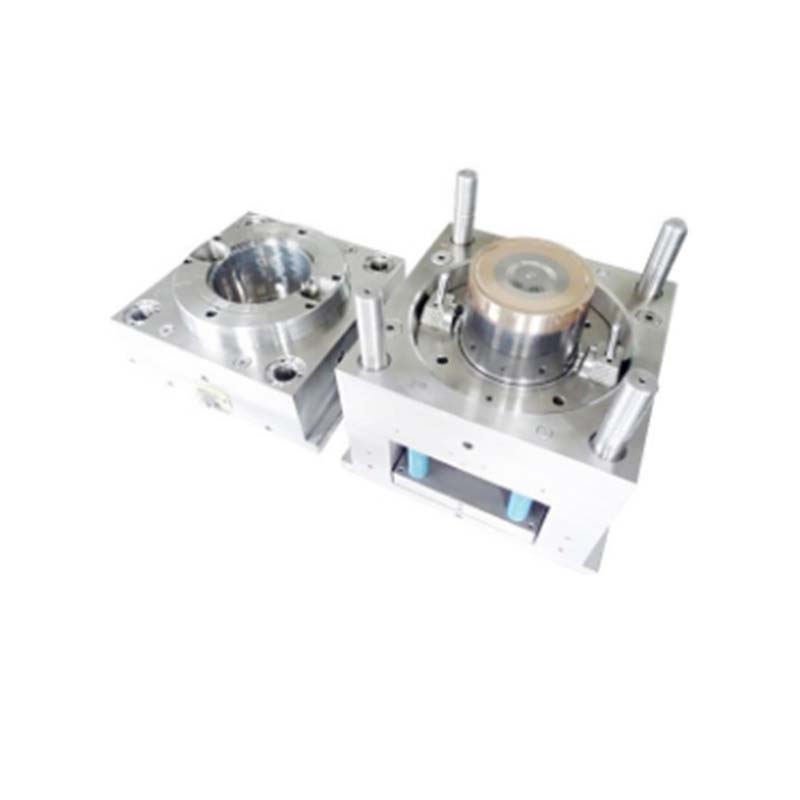
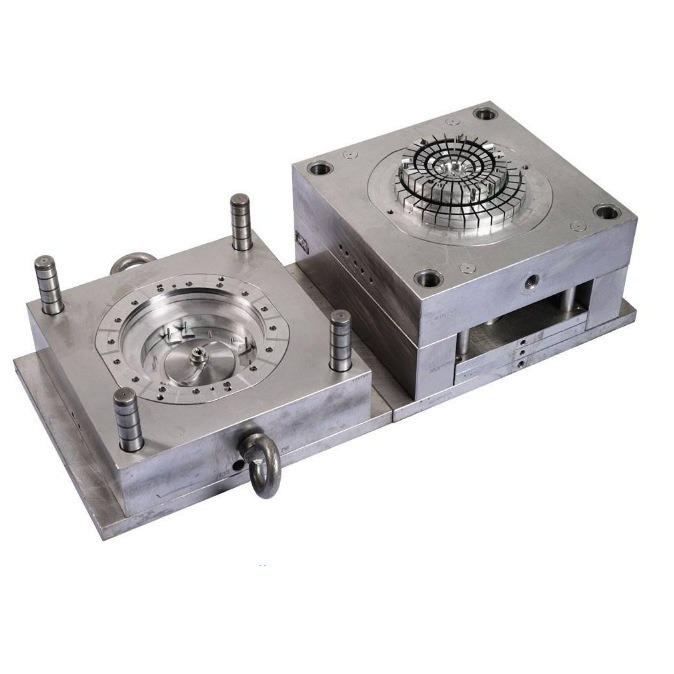
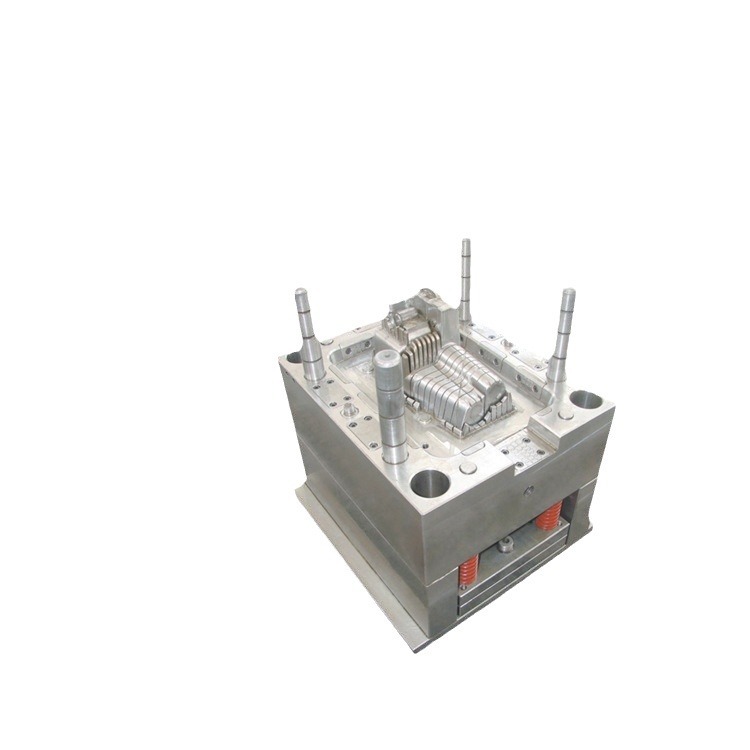
Plastic injection mold manufacturing is the unsung hero behind countless products we use every day. From the dashboard in your car to the casing of your smartphone, this process shapes modern life. But the industry isn’t standing still. New materials, smarter automation, and sustainable practices are rapidly changing how molds are designed and built. For businesses looking to stay competitive, understanding these shifts is no longer optional—it’s essential.
This guide walks you through the most significant trends and innovations reshaping the field. You’ll learn how high-performance materials are pushing boundaries, why precision is reaching new extremes, and how Industry 4.0 is making factories smarter. We’ll also explore practical innovations in design and manufacturing that deliver real results. Whether you’re in automotive, electronics, medical devices, or consumer goods, you’ll find actionable insights to inform your next project.
The Growing Importance of Plastic Injection Molding
Plastic injection molding remains a cornerstone of modern production. Its ability to create complex, high-quality parts at scale makes it indispensable across industries.
Why It Matters Across Industries
Consider the automotive sector. A typical vehicle contains 100 to 150 kilograms of plastic components, many produced through injection molding. Dashboards, interior trims, and even engine parts rely on this process. Lightweighting with plastics improves fuel efficiency and cuts emissions—a win for both manufacturers and the environment.
In electronics, the story is similar. The global smartphone market produces billions of units annually. Each device contains multiple injection-molded parts, from outer shells to internal brackets. Tight tolerances and high-volume output are non-negotiable here.
Medical applications demand even more. Syringes, test tubes, and surgical instruments must meet strict safety standards. Injection molding delivers consistent quality at scale, ensuring these critical supplies remain available and reliable.
What Trends Are Shaping the Industry?
High-Performance Materials Adoption
Engineering plastics like polycarbonate (PC), polyamide (PA), and polyphenylene sulfide (PPS) are gaining ground. Their exceptional heat resistance and mechanical properties make them ideal for demanding applications.
- Automotive example: PPS is now used for engine sensor housings and electrical connectors. These parts must withstand high temperatures and harsh chemicals under the hood.
- Growth forecast: Demand for engineering plastics in automotive is expected to grow at a 5–7% CAGR over the next few years.
Thermosets are also making a comeback. Epoxy and phenolic resins offer high-temperature stability and excellent electrical insulation. In aerospace, epoxy-based composites create lightweight yet strong interior panels and structural parts.
How Material Choices Impact Mold Design
Material selection directly shapes mold design. Different plastics have unique shrinkage rates and flow properties.
| Material Type | Shrinkage Rate | Flowability | Design Implication |
|---|---|---|---|
| Thermoplastics | High | Varies | Mold cavities must be oversized to compensate |
| Filled thermoplastics | Moderate | Low | Larger gate sizes needed to prevent short shots |
| Thermosets | Low | Good | Requires precise temperature control during curing |
Key point: Choosing the wrong material can lead to defects like warping or incomplete fills. Smart designers simulate flow behavior early to avoid costly rework.
Precision and Miniaturization
Why Smaller Parts Need Better Molds
The push for miniaturization is strongest in electronics and medical devices. Smartwatches, for instance, require components with tolerances in the micrometer range. Battery housings and sensor modules must fit perfectly in increasingly cramped spaces.
Medical applications are even more demanding. Micro-needles for painless drug delivery and tiny catheters for minimally invasive surgery rely on precision-molded parts. A single defect can compromise patient safety.
Technologies That Enable Micro Precision
Achieving these tolerances requires advanced tools:
- High-precision CNC machining: Modern machines achieve accuracies of ±0.001 mm. They use advanced spindles and control systems to maintain consistency.
- Micro-injection molding: Specialized machines control injection volume, pressure, and temperature with extreme precision. A molded gear for a miniature medical device can have teeth under 0.1 mm wide with pitch accuracy within a few micrometers.
These technologies allow manufacturers to produce parts that were impossible to make just a decade ago.
Automation and Industry 4.0 Integration
How Automation Boosts Efficiency
Automation is transforming injection molding floors. Robotic arms now handle tasks like part removal, reducing cycle times and human error. Automated material feeding systems ensure consistent pellet supply without interruptions.
Data point: Companies implementing automation report 30–50% increases in production efficiency. Longer run times and fewer disruptions lower labor costs over time.
Industry 4.0 Technologies at Work
The Internet of Things (IoT) connects every piece of equipment—molding machines, temperature controllers, and conveyors. Real-time monitoring tracks key metrics like temperature, pressure, and cycle times.
- Example: If mold temperature drifts outside optimal range, the system alerts operators or makes automatic corrections.
Big data analytics identifies patterns from production data. Manufacturers can pinpoint defect root causes and optimize settings for different materials.
Artificial intelligence (AI) predicts equipment failures before they happen. Sensors detect early wear signs, enabling proactive maintenance. This approach cuts unplanned downtime and boosts overall productivity.
Innovations in Mold Design and Manufacturing
Design for Manufacturability and Assembly
Design for Manufacturability (DFM) and Design for Assembly (DFA) are reshaping how products are developed.
- DFM: Focuses on making parts easy to manufacture. Choosing materials with good flow properties and avoiding undercuts simplifies mold fabrication.
- DFA: Aims to simplify assembly. Combining multiple parts into one or using snap-fits instead of screws speeds up assembly lines and reduces costs.
Simulation and Virtual Prototyping
Mold flow analysis software like Moldex3D and Autodesk Moldflow simulates how molten plastic fills the cavity. Designers can predict defects like weld lines, air traps, and uneven filling before cutting steel.
Virtual prototyping takes this further. Instead of building physical prototypes, teams test designs in a virtual environment. Multiple iterations happen in days, not weeks. This approach cuts development time and cost significantly.
Additive Manufacturing in Mold Making
3D printing enables complex geometries impossible with traditional machining.
Conformal cooling channels are a game-changer. These channels follow the mold cavity’s shape, providing uniform cooling. Results include:
- 30–50% reduction in cooling time
- Less warping and shrinkage
- Higher part quality
Limitations: 3D-printed mold materials are still limited, and surface finish may require post-processing. But for complex inserts and prototypes, it’s invaluable.
Hybrid Manufacturing Techniques
Combining subtractive (CNC machining) and additive (3D printing) methods offers the best of both worlds.
- A mold base is machined for precision and strength.
- Complex features like cooling channels are added via 3D printing.
This approach also enables mold repair. Instead of scrapping a damaged mold, new material is added via 3D printing, then machined to final specs. Savings in time and cost are substantial.
Sustainable Practices
Recycling and Waste Reduction
Environmental concerns are driving change. Many manufacturers now recycle runners and sprues—the excess plastic from each cycle. On-site grinding systems turn scrap back into usable pellets.
Process optimization also reduces waste. Closed-loop control systems adjust injection parameters in real time, minimizing defective parts.
Green Materials and Energy Efficiency
Biodegradable plastics like PLA (polylactic acid) and PHA (polyhydroxyalkanoates) are gaining traction. PLA, made from corn starch or sugarcane, works well for disposable packaging and short-lifecycle products.
Energy-efficient equipment is another focus. Modern servo-hydraulic molding machines consume less power. Better insulation on molds reduces energy needed to maintain optimal temperatures.
| Green Practice | Benefit |
|---|---|
| Biodegradable materials | Reduced environmental impact |
| Servo-hydraulic machines | Lower energy consumption |
| Optimized cooling cycles | Less energy waste |
| Scrap recycling | Minimized material waste |
Yigu Technology’s Approach
As a custom supplier of non-standard plastic and metal products, Yigu Technology stays ahead by embracing these trends.
Material innovation: We actively explore new materials, including biodegradable plastics, for environmentally conscious clients. This positions us as a leader in sustainable manufacturing.
Process optimization: Our investment in automation and intelligent monitoring systems ensures precise control over every injection cycle. We use simulation software to catch issues early, shortening development cycles for custom products.
Sustainable development: We recycle scrap materials and pursue energy-efficient production methods. This commitment reduces our carbon footprint while building trust with eco-aware customers.
Conclusion
Plastic injection mold manufacturing is evolving rapidly. High-performance materials enable new applications. Precision and miniaturization push tolerances to new limits. Automation and Industry 4.0 make factories smarter and more efficient. Innovations like additive manufacturing and hybrid techniques unlock design possibilities once considered impossible. And sustainability is no longer an afterthought—it’s a core requirement.
For businesses that rely on injection-molded parts, staying informed about these trends is critical. The right partner can help you navigate these changes, turning challenges into opportunities.
FAQ
What is the most significant trend in plastic injection mold manufacturing right now?
Industry 4.0 integration—combining IoT, AI, and automation—is arguably the biggest trend. It enables real-time monitoring, predictive maintenance, and significant efficiency gains.
How does material choice affect mold design?
Materials have different shrinkage rates and flow properties. Some require larger gate sizes or oversized cavities to achieve final dimensions accurately. Simulation helps predict these needs early.
What is conformal cooling and why does it matter?
Conformal cooling channels follow the shape of the mold cavity, providing uniform cooling. This reduces cycle times by 30–50% and improves part quality by minimizing warping.
How is 3D printing used in mold manufacturing?
3D printing creates complex cooling channels, custom inserts, and small-batch components. It also enables mold repair by adding material to damaged areas.
What sustainable practices are being adopted?
Recycling scrap plastic, using biodegradable materials like PLA, and investing in energy-efficient servo-hydraulic machines are common practices gaining traction.
Contact Yigu Technology for Custom Manufacturing
Looking for a reliable partner to bring your injection-molded parts to life? Yigu Technology specializes in custom non-standard plastic and metal products. We combine deep industry expertise with advanced manufacturing capabilities to deliver quality, precision, and sustainability. Whether you need design support, material selection guidance, or full-scale production, our team is ready to help.
Reach out today to discuss your next project. Let’s build something exceptional together.