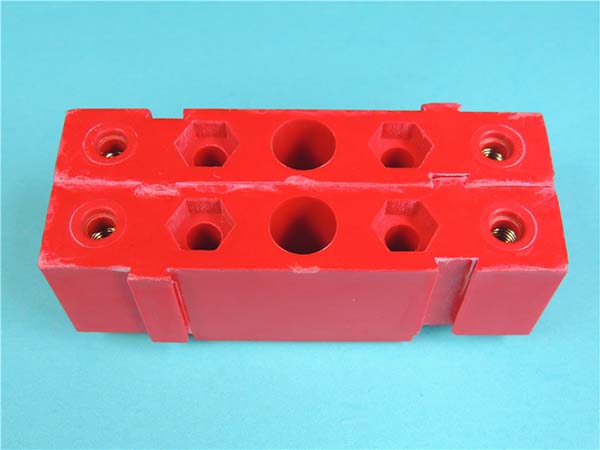
Bakelite has been a trusted material for over a century. Its electrical insulation, heat resistance, and mechanical strength make it valuable across industries. But costs vary widely. Understanding what drives these costs—and how to control them—directly impacts your bottom line.
This guide breaks down Bakelite cost structure. You will learn what influences pricing, how Bakelite compares to alternatives, and practical strategies to reduce expenses without sacrificing quality. Based on real manufacturing experience, these insights help you make smarter sourcing and design decisions.
What Drives the Cost of Bakelite?
Raw Material Composition
Bakelite is a thermosetting phenolic resin. It forms when phenol and formaldehyde react under heat and pressure. Fillers like wood flour, cotton fibers, or mineral powders are added to modify properties and reduce cost.
The price of phenol fluctuates with crude oil markets. When oil prices rise, phenol follows. Formaldehyde prices also vary based on methanol costs. These raw materials typically account for 40–60% of finished Bakelite cost.
Fillers affect pricing too. Wood flour is inexpensive. Mineral fillers cost more but improve thermal performance. Glass fiber adds strength but increases price significantly.
Grade and Performance Level
Not all Bakelite is the same. Higher performance grades cost more.
| Grade | Typical Price Range | Key Properties | Common Applications |
|---|---|---|---|
| General purpose | $5–8/kg | Basic mechanical strength, moderate insulation | Switch housings, simple enclosures |
| Electrical grade | $8–12/kg | Higher dielectric strength, consistent insulation | Connectors, circuit breaker components |
| Heat-resistant | $12–15/kg | Withstands 180°C+, thermal stability | High-power electrical, appliance parts |
| High-strength (glass-filled) | $15–20/kg | Enhanced mechanical properties, impact resistance | Aerospace components, industrial machinery |
In one project, a client specified electrical-grade Bakelite for all their components. After reviewing actual requirements, we identified that general-purpose material met the needs for non-critical parts. The switch saved 18% on material costs across their product line.
Production Volume and Scale
Volume matters. Tooling amortization and setup costs spread across more units reduce per-part cost.
A small run of 500 parts might cost $3.50 per unit. The same part produced at 10,000 units might drop to $1.80 per unit—a nearly 50% reduction. This reflects fixed costs (mold design, setup time, machine programming) distributed over larger quantities.
How Does Bakelite Compare to Alternative Materials?
Cost-Performance Analysis
Choosing materials requires looking beyond price per kilogram. Application requirements determine true cost-effectiveness.
| Material | Cost Range | Advantages | When It Makes Sense |
|---|---|---|---|
| Bakelite | $5–20/kg | Electrical insulation, heat resistance, dimensional stability | High-temp electrical, precision components |
| Polyethylene (PE) | $1–5/kg | Low cost, flexible, chemical resistance | Non-structural, low-heat applications |
| Polypropylene (PP) | $1.50–4/kg | Good chemical resistance, lightweight | Food containers, automotive trim |
| ABS | $2–6/kg | Tough, good surface finish, easy to mold | Consumer electronics, enclosures |
| Aluminum | $2–5/kg | Conductive, lightweight, strong | Heat sinks, structural parts (with insulation) |
| Steel | $0.50–3/kg | High strength, low cost | Structural applications requiring strength |
The key insight: Bakelite is not the cheapest material. But in applications requiring electrical insulation at elevated temperatures, it often becomes the most cost-effective choice.
A medical device manufacturer once compared Bakelite against thermoplastics for a sterilization-resistant component. The thermoplastics cost less per kilogram but required thicker walls to meet heat requirements. The final Bakelite part used less material and performed reliably. Total cost was 15% lower than the thermoplastic alternative.
Total Cost of Ownership Perspective
Purchase price tells only part of the story. Consider:
- Failure costs: A failed Bakelite insulator in a power distribution system costs far more than the part itself
- Replacement frequency: Longer-lasting materials reduce labor and downtime
- Processing costs: Some materials require secondary operations (painting, plating) that Bakelite does not
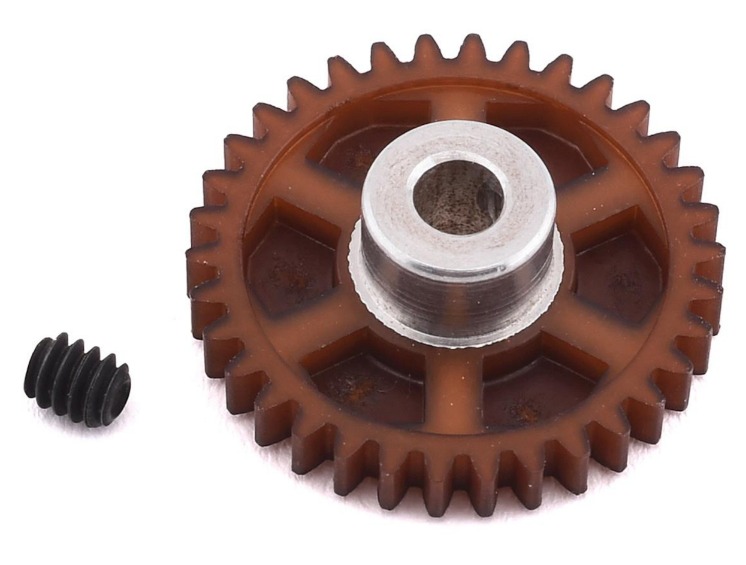
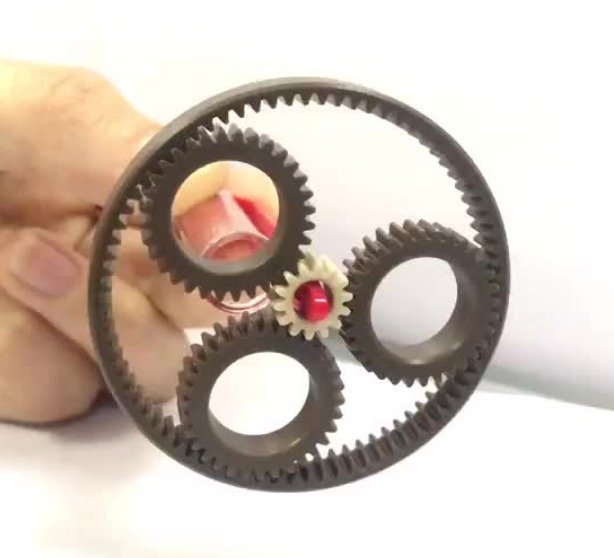
In one industrial application, Bakelite gears lasted three times longer than nylon alternatives. The higher initial cost was recovered within the first year through reduced maintenance.
How Can You Reduce Bakelite Material Costs?
Negotiate Long-Term Supply Contracts
Raw material prices fluctuate. Long-term agreements with suppliers stabilize costs.
A three-year contract with a phenol supplier can lock in pricing for the first year with predetermined adjustments for years two and three. This protects against short-term market spikes. It also gives priority during supply shortages.
When negotiating:
- Request volume-based tiered pricing
- Align delivery schedules with your production
- Consider consignment inventory to reduce your working capital
One client reduced their Bakelite raw material cost by 12% through a two-year agreement with their primary supplier, combined with consolidated purchasing across multiple product lines.
Explore Recycled and Reclaimed Materials
Bakelite is thermosetting—it cannot be remelted like thermoplastics. But mechanical recycling is possible. Waste Bakelite is ground into powder and used as filler in new formulations.
Recycled content Bakelite typically costs 10–20% less than virgin material. It works well for non-structural applications where surface appearance is not critical.
In a recent project, we replaced 30% of virgin material with recycled Bakelite powder for a client’s industrial enclosure line. The parts passed all mechanical and electrical tests. Material cost dropped by 14%.
Optimize Material Grade Selection
Higher grades cost more. But not every application needs premium performance.
Ask these questions:
- What is the actual operating temperature range?
- What dielectric strength is truly required?
- Are mechanical loads continuous or intermittent?
In one case, a client specified glass-filled Bakelite for all components. Review showed only two parts needed the added strength. Switching the other seven parts to standard electrical grade reduced material costs by 22% across the product family.
How Does Process Optimization Reduce Cost?
Improve Molding Efficiency
Bakelite is compression molded or injection molded. Each process has cost drivers.
| Factor | Impact on Cost | Optimization Approach |
|---|---|---|
| Cycle time | Direct labor, machine utilization | Optimize cure temperature, preheat materials |
| Scrap rate | Material waste, rework | Control process parameters, maintain molds |
| Tooling life | Replacement frequency | Proper maintenance, appropriate materials |
| Energy consumption | Utility costs | Insulate molds, recover waste heat |
A manufacturer we work with reduced cycle time from 90 seconds to 65 seconds on a high-volume Bakelite part. Annual savings exceeded $45,000 without compromising quality.
Reduce Defects Through Process Control
Defects are expensive. Each rejected part represents wasted material, labor, and machine time.
Common Bakelite defects and causes:
- Blistering: Excess moisture in material or too rapid heating
- Cracking: Improper cooling rate or excessive mold pressure
- Incomplete fill: Low temperature or insufficient pressure
- Surface voids: Outgassing during cure
Implementing real-time process monitoring caught these issues early. One facility reduced defect rates from 8% to 2.5% over six months by tracking and adjusting mold temperature profiles.
Apply Lean Manufacturing Principles
Waste elimination reduces cost. In Bakelite production, look for:
- Overproduction: Making parts before orders arrive ties up capital and storage space
- Waiting: Idle machines or operators due to material delays or changeovers
- Excess inventory: Raw materials sitting for months before use
- Unnecessary processing: Finishing steps that add no value
A just-in-time (JIT) approach to Bakelite component production reduced inventory holding costs by 30% for one client while improving cash flow.
How Can Design Changes Lower Bakelite Cost?
Reduce Material Usage Through Optimization
Design determines how much material each part uses. Small changes add up.
Using finite element analysis (FEA), engineers can identify areas where wall thickness can be reduced without compromising strength. A 5 mm uniform wall might be reduced to 3 mm in non-critical areas.
In one enclosure design, material reduction of 18% was achieved through:
- Thinner walls where loads were minimal
- Rib structures replacing solid sections
- Eliminating unused mounting features
The redesigned part met all performance requirements. Annual material savings exceeded $28,000 at production volumes.
Design for Manufacturability
Parts that are easier to mold cost less to produce. Consider:
- Draft angles: 1–2 degrees prevents sticking and ejection damage
- Uniform wall thickness: Prevents sink marks and warping
- Simple geometry: Reduces tooling complexity and cost
- Generous radii: Extends tool life and reduces stress
A client’s original Bakelite part had sharp internal corners and no draft. Tool life was short, and reject rates were high. Redesigning with proper draft and fillets increased tool life by 300% and reduced scrap by 60%.
Consider Material Substitution Where Appropriate
Not every application truly needs Bakelite. Evaluate alternatives when:
- Operating temperatures are below 100°C
- Electrical insulation requirements are moderate
- Mechanical loads are low
In non-critical applications, thermoplastics like glass-filled nylon or flame-retardant polypropylene may work at lower cost. Test thoroughly before switching—but don’t assume Bakelite is always the answer.
One client replaced Bakelite with a specialty polypropylene compound for a consumer product housing. The switch reduced material cost by 35% while maintaining UL ratings. The product passed all safety certifications.
What Data Should You Track for Cost Analysis?
Key Cost Metrics
Effective cost management requires data. Track:
- Cost per kilogram by grade and supplier
- Defect rate by product and production line
- Cycle time by machine and part
- Tooling cost per part (amortized over production volume)
- Changeover time between production runs
Benchmark Against Alternatives
Regular comparison with alternative materials helps validate choices. Update cost data quarterly to reflect market changes.
A quarterly review helped one client identify when Bakelite prices rose 8% while a competitive thermoplastic dropped 5%. They switched two low-risk applications and held Bakelite costs stable overall.
Conclusion
Bakelite cost is shaped by raw materials, grade selection, production volume, and process efficiency. Reducing cost requires looking at the entire picture—not just price per kilogram.
Start with material grade optimization. Use the right Bakelite for each application, not a one-size-fits-all approach. Apply process improvements to reduce cycle times and defect rates. Use design optimization to minimize material usage without compromising performance. Consider long-term supplier agreements to stabilize raw material costs. And regularly benchmark against alternatives to ensure Bakelite remains the right choice.
Small changes across these areas add up to significant savings—often 15–30%—without sacrificing the quality and reliability that make Bakelite valuable.
Frequently Asked Questions
What is the average cost of Bakelite per kilogram?
Basic Bakelite grades range from $5–8 per kilogram. Electrical grades run $8–12. High-performance grades with glass fiber or specialized properties cost $15–20 per kilogram. Prices vary with raw material markets and order volume.
Why is Bakelite more expensive than some other plastics?
Bakelite is a thermoset material requiring a curing process during molding. Raw materials (phenol and formaldehyde) are cost-sensitive. Production cycles are longer than for thermoplastics. These factors contribute to higher cost compared to commodity plastics like polyethylene.
Can Bakelite be recycled to reduce cost?
Yes, through mechanical recycling. Waste Bakelite is ground into powder and used as filler in new formulations. Recycled content typically reduces material cost by 10–20% but may affect surface finish and mechanical properties. Suitable for non-structural applications.
How much can design changes reduce Bakelite part cost?
Design optimization typically reduces material usage by 10–25%. Combined with manufacturing improvements, total cost reductions of 15–30% are achievable without compromising performance. FEA analysis helps identify safe reduction areas.
Is Bakelite always the most cost-effective choice for electrical insulation?
Not always. For applications under 100°C with moderate insulation requirements, flame-retardant thermoplastics may offer lower total cost. Evaluate performance requirements carefully. Bakelite remains preferred for high-temperature, high-dielectric, or dimensional stability applications.
Contact Yigu Technology for Custom Manufacturing
Looking to optimize Bakelite costs for your next project? At Yigu Technology, we combine material expertise with efficient manufacturing to deliver quality parts at competitive prices. Our engineering team helps you select the right grade, optimize designs, and streamline production.
From material sourcing to finished components, we manage the entire process. Contact us today to discuss your Bakelite manufacturing needs and explore cost-saving opportunities.