Introduction
You need stainless steel for a project. But the price of 304 or 316 stretches your budget. Is there a middle ground—a material that offers corrosion resistance without the premium cost of nickel-based grades?
SUS430 sheet metal is that middle ground. It is a ferritic stainless steel that relies on chromium (16–18%) for corrosion protection, with little to no nickel. This makes it significantly more affordable than austenitic grades like 304. It also offers magnetic properties and excellent heat resistance—up to 800°C.
This guide covers the composition, properties, manufacturing processes, finishing options, and applications of SUS430. You will learn where this material excels and where it may not be the best choice.
What Is SUS430 Made Of?
Alloy Composition
SUS430 is a ferritic stainless steel. Its composition is straightforward:
| Element | Percentage |
|---|---|
| Chromium (Cr) | 16–18% |
| Carbon (C) | ≤0.12% |
| Manganese (Mn) | ≤1.0% |
| Silicon (Si) | ≤1.0% |
| Phosphorus (P) | ≤0.04% |
| Sulfur (S) | ≤0.03% |
| Nickel (Ni) | ≤0.75% (trace) |
The high chromium content forms a protective oxide layer that provides corrosion resistance. Unlike austenitic grades (304, 316), SUS430 contains little to no nickel. This is the primary reason for its lower cost. It also makes the material magnetic—a property that is useful for certain applications like magnetic door gaskets and electrical enclosures.
Mechanical and Physical Properties
SUS430 offers a practical balance of strength, formability, and heat resistance.
| Property | Typical Range |
|---|---|
| Tensile Strength | 415–630 MPa |
| Yield Strength | ~205 MPa |
| Elongation | 20–25% |
| Hardness | 70–85 HRB |
| Thermal Conductivity | 26 W/(m·K) |
| Thermal Expansion | 10.4 × 10⁻⁶/°C |
| Maximum Service Temperature | ~800°C |
Strength: With tensile strength up to 630 MPa, SUS430 handles structural loads in home appliances, automotive parts, and architectural components.
Ductility: Elongation of 20–25% allows for bending and forming, though tight radii may require annealing to prevent cracking.
Heat Resistance: Thermal conductivity is higher than 304 stainless steel, which aids heat distribution in ovens and heat exchangers. The material also resists thermal shock—rapid temperature changes that would crack other metals.
Magnetic Properties: SUS430 is ferromagnetic. This makes it suitable for applications where magnetism is required, such as refrigerator door gaskets that rely on magnetic seals.
Real-World Example: A manufacturer of industrial ovens was using 304 stainless for interior panels. The material performed well but added significant cost. Switching to SUS430 reduced material cost by 25% while maintaining heat resistance up to 800°C. The magnetic property was irrelevant to the application, but the cost savings made the switch worthwhile.
How Is SUS430 Processed?
Forming and Shaping
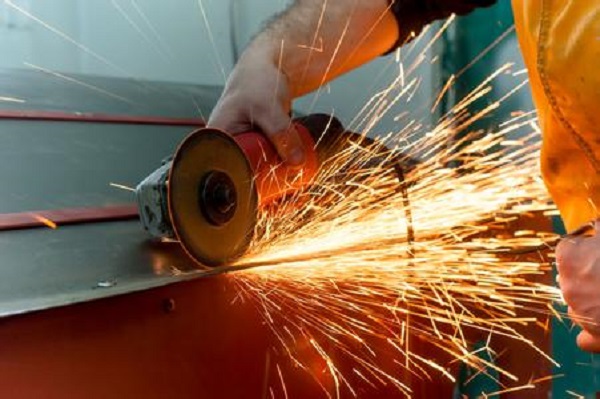
SUS430 sheet metal is produced through rolling, resulting in thicknesses from 0.3 mm to 10 mm. Common cutting methods include:
- Laser cutting: High precision, clean edges. Ideal for complex shapes.
- Shearing: Fast, cost-effective straight cuts.
- Punching: Efficient for high-volume hole-making.
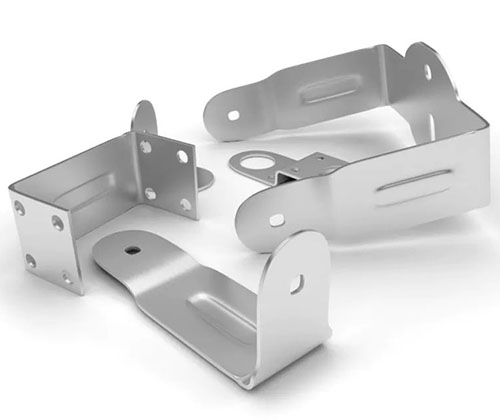
Bending is straightforward with SUS430, but its moderate ductility requires attention:
- Minimum bend radius should be 2–3 times material thickness for cold forming
- For tight radii, annealing (heating to 760–815°C) restores ductility and prevents cracking
Machining and Welding
CNC machining of SUS430 is manageable, but the material can work-harden. Use:
- Sharp tooling to minimize heat buildup
- Moderate cutting speeds
- Adequate coolant to prevent work hardening
Welding is possible but requires care. The ferritic structure can lead to grain growth and brittleness in the heat-affected zone. Best practices:
- Use low heat input to minimize grain growth
- Post-weld annealing (760–815°C) restores ductility and corrosion resistance
- Suitable for non-critical welds like electrical enclosures and appliance components
Heat Treatment
Annealing is the primary heat treatment for SUS430. It:
- Relieves internal stresses from cold working
- Restores ductility for further forming
- Improves resistance to intergranular corrosion
For parts exposed to high temperatures during service (like exhaust systems), proper annealing ensures long-term stability.
What Surface Finishes Are Available?
Cleaning and Protective Treatments
After fabrication, SUS430 surfaces are often treated to enhance corrosion resistance and appearance.
Pickling: Uses acid to remove scale, oxides, and discoloration from welding or heat treatment. Prepares the surface for further finishing.
Passivation: Applies a nitric acid treatment that thickens the natural chromium oxide layer. This boosts corrosion resistance—essential for parts that contact water, detergents, or mild chemicals.
Aesthetic Finishes
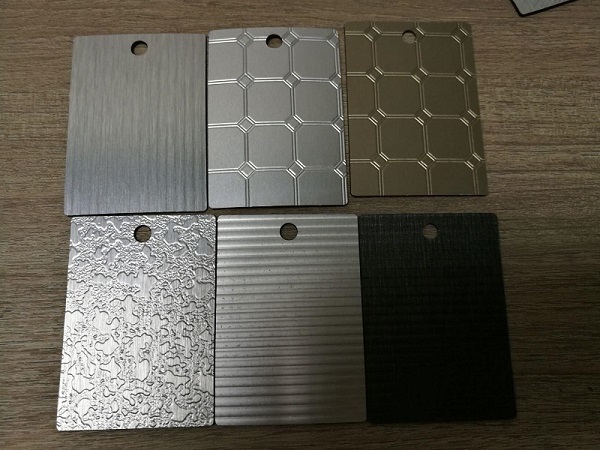
SUS430 accepts a range of surface finishes:
| Finish | Description | Applications |
|---|---|---|
| Brushed | Matte, linear grain pattern | Home appliances, dishwasher panels, refrigerator doors |
| Mirror | Highly reflective, polished | Decorative trim, architectural accents |
| Grain | Uniform textured finish | Easy-to-clean surfaces like kitchen sinks |
| Heat Coloring | Controlled oxidation creates blue, gold, or bronze hues | Decorative applications, architectural components |
Surface roughness is typically controlled to 0.4–3.2 μm Ra, depending on the finish. Smoother finishes (mirror) offer better cleanability; textured finishes (brushed) hide minor scratches.
Case Study: A kitchen appliance manufacturer wanted a premium look for dishwasher front panels without the cost of 304 stainless. SUS430 with a brushed finish delivered the desired appearance. The panels resisted detergent and moisture, and the brushed texture minimized visible fingerprints. Material cost was 30% lower than the previous 304 option.
Where Is SUS430 Used?
Home Appliances and Kitchen Equipment
SUS430 is a staple in household appliances. Its combination of corrosion resistance, formability, and cost makes it ideal for:
- Refrigerators: Door liners, shelves, and exterior panels. The magnetic property allows for magnetic door gaskets.
- Washing machines: Drums and exterior panels resist detergents and moisture.
- Dishwashers: Interior components and front panels withstand high temperatures and cleaning agents.
- Kitchen sinks: Affordable alternative to 304 sinks. Resists stains from food and cleaning products.
- Industrial ovens: Interior linings and components that require heat resistance up to 800°C.
Automotive Exhaust Systems
The automotive industry uses SUS430 for exhaust system components—mufflers, pipes, and heat shields. Why?
- Heat resistance: Withstands exhaust gas temperatures up to 800°C
- Corrosion resistance: Resists condensation and exhaust gas corrosion
- Cost-effectiveness: Much less expensive than 304 stainless for the same application
For non-critical exhaust components, SUS430 often outlasts mild steel by years at a fraction of the cost of austenitic stainless.
Construction and Architectural Components
In construction, SUS430 appears in:
- Architectural trim: Window frames, door hardware, railings
- Cladding: Exterior panels where corrosion exposure is mild
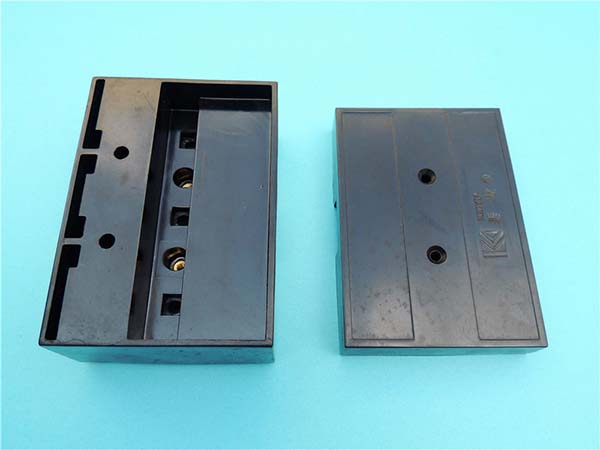
- Electrical enclosures: Junction boxes and control panels benefit from magnetic properties and durability
Heat Exchangers and Industrial Equipment
SUS430’s thermal conductivity—26 W/(m·K) , higher than 304—makes it effective for:
- Heat exchangers: Efficient heat transfer in industrial systems
- Furnace components: Parts exposed to thermal cycling
- Conveyor parts: Wear-resistant components in food processing and manufacturing
What Are the Limitations?
While SUS430 offers clear advantages, it is not a universal replacement for austenitic stainless steels.
| Limitation | Explanation |
|---|---|
| Lower corrosion resistance | Performs well in mild environments but can rust in salty or acidic conditions. Not recommended for marine applications or chemical processing. |
| Reduced weldability | Welding can cause grain growth and brittleness. Post-weld annealing is often required. |
| Lower formability | Compared to 304, SUS430 has lower ductility. Complex deep drawing may be challenging. |
| Not suitable for cryogenic service | Ferritic grades become brittle at very low temperatures. |
Choose SUS430 for applications where:
- Corrosion exposure is mild (indoor, dry, or occasional moisture)
- Heat resistance up to 800°C is needed
- Cost is a primary driver
- Magnetic properties are beneficial
Choose 304 or 316 when:
- Exposure to saltwater or strong acids
- Extensive welding is required
- Complex deep drawing is needed
- The application requires non-magnetic properties
Conclusion
SUS430 sheet metal fills an important niche in the stainless steel family. Its high chromium content (16–18%) delivers corrosion resistance for mild environments. The absence of nickel makes it significantly more affordable than austenitic grades. It offers excellent heat resistance (up to 800°C), magnetic properties, and good formability for many applications.
Common uses include home appliances, automotive exhaust systems, architectural trim, and industrial equipment. Surface finishes—from brushed to mirror to heat-colored—provide aesthetic flexibility.
While it cannot match the corrosion resistance or weldability of 304 stainless, SUS430 is a cost-effective choice when its properties align with the application requirements.
FAQs
How does SUS430 compare to 304 stainless steel in terms of corrosion resistance?
SUS430 has lower corrosion resistance than 304, especially in salty or acidic environments. It performs well in dry or mild conditions like home appliances and indoor architectural components. For food processing equipment, marine applications, or coastal environments, 304 or 316 are better choices.
Can SUS430 be used in high-temperature applications?
Yes. SUS430 excels in high-temperature environments up to 800°C. It is commonly used in automotive exhaust systems, industrial ovens, and furnace components. Its thermal conductivity (26 W/(m·K)) is higher than 304, making it effective for heat distribution applications.
Is SUS430 easy to weld?
SUS430 can be welded, but it is more prone to grain growth and brittleness than 304. Post-weld annealing (760–815°C) is recommended to restore ductility and corrosion resistance. For non-critical welded parts—like electrical enclosures or appliance brackets—it performs adequately with proper technique.
Why is SUS430 magnetic?
SUS430 is a ferritic stainless steel with a body-centered cubic (BCC) crystal structure, which is magnetic. Austenitic grades like 304 have a face-centered cubic (FCC) structure and are non-magnetic. The magnetic property of SUS430 is useful for applications like refrigerator door gaskets and magnetic switches.
Contact Yigu Technology for Custom Manufacturing
At Yigu Technology, we work with SUS430 sheet metal across automotive, appliance, and industrial applications. Our capabilities include laser cutting, CNC bending, welding (with post-weld annealing where needed), and surface finishing—brushed, mirror, and passivation. We help customers balance cost and performance by selecting the right material for their application. Contact us to discuss your SUS430 project—we will help you get the corrosion and heat resistance you need at a price that works.