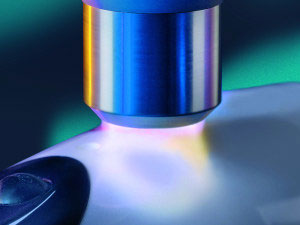
Explore how surface treatment UV coating delivers instant curing, scratch resistance, and eco-friendly performance for modern manufacturing.
Introduction
Manufacturers and designers face a host of challenges with traditional coatings. Long drying times slow production. High VOC emissions harm the environment. Finishes scratch or fade too quickly.
A printed magazine might smudge before it is packed. A furniture panel could take hours to dry. A smartphone case may lose its gloss after just a week of use.
What is needed is a coating that cures instantly, resists wear, and minimizes environmental impact. This is where surface treatment UV coating delivers. By using ultraviolet light to cure a liquid coating in seconds, it solves these pain points. The result is speed, durability, and sustainability.
In this guide, you will learn how UV coating works, what processes are involved, and how to leverage it for high-performance results.
What Is UV Coating?
UV coating is a surface treatment that uses ultraviolet light to cure liquid coatings instantly. The UV energy triggers a chemical reaction called photopolymerization. This turns the liquid into a hard, durable film without using solvents.
The coating contains photoinitiators. These absorb UV light and break down to form free radicals. The radicals react with the coating's monomers and oligomers. They cross-link into a solid polymer network in just seconds.
How Does It Compare to Traditional Coatings?
Not all coatings perform the same. The table below shows how UV coating stacks up against alternatives:
| Feature | UV Coating | Solvent-Based Coating | Water-Based Coating |
|---|---|---|---|
| Curing Time | 1-5 seconds | 1-24 hours | 2-8 hours |
| VOC Emissions | <50 g/L | 350-600 g/L | 50-150 g/L |
| Wear Resistance | Excellent (3H-4H pencil) | Good (2H pencil) | Fair (HB-2H pencil) |
| Energy Use | Low (UV lamps) | High (ovens for drying) | Moderate (air drying) |
This comparison shows why UV coating is gaining ground. It cures faster, emits fewer pollutants, and delivers harder finishes.
What Steps Are Involved in the Process?
The UV coating process is streamlined and efficient. Each step is designed for speed and consistency.
Pre-treatment
Substrates must be clean. Dust, oils, and contaminants are removed. For non-porous surfaces like plastic, corona treatment may be used. This increases surface energy, improving adhesion.
Application Methods
Different methods suit different products:
- Roll coating: Uses rubber or metal rolls. Applies a uniform layer of 5-30 μm to flat surfaces like paper or wood panels. Ideal for high-volume production.
- Spray coating: Applies coating to 3D parts like electronics casings. Uses electrostatic or air spray guns. Ensures coverage on curved surfaces.
- Curtain coating: Lets coating flow as a continuous curtain. Used for large panels like furniture or automotive parts. Provides thick, even layers.
UV Curing
After application, the coated part passes under UV lamps. These lamps can be mercury vapor, LED, or excimer types. The UV light activates photoinitiators in the coating. Full curing happens in 1 to 5 seconds, depending on coating thickness and lamp intensity.
LED UV systems are becoming standard. They use 50% less power than mercury lamps. They also last longer—10,000+ hours compared to 1,000-5,000 hours for mercury lamps.
Post-treatment
Cured parts are inspected for defects. Some applications require a second coating. For example, a matte topcoat over a glossy base. Others may need polishing to enhance smoothness.
What Properties Can You Expect?
UV coated surfaces offer distinct advantages for high-performance applications.
Rapid Curing
This is the most obvious benefit. UV coatings dry in 1 to 5 seconds. There is no drying time. Parts can be handled immediately.
For a printing press, this means coating and stacking magazines in minutes instead of hours. For a furniture maker, it means moving panels to assembly without waiting.
High Gloss
UV coatings achieve gloss levels of 70 to 95 GU (gloss units). Solvent-based coatings typically reach only 50-70 GU. This makes UV coating popular for premium packaging and furniture where a reflective finish is desired.
Scratch Resistance
With pencil hardness of 3H to 4H, UV coatings resist scratches better than conventional coatings (2H). They withstand 1,000+ cycles in abrasion testing (ASTM D4060). This makes them suitable for high-use items like smartphone cases.
Chemical Resistance
UV coatings resist oils, alcohols, and household cleaners. They are used on furniture and appliances where spills are common. The finish remains intact even after repeated cleaning.
Adhesion
Properly applied UV coatings bond strongly to substrates. Adhesion strengths exceed 5 MPa (ASTM D3359). They adhere well to plastics, metals, and wood. This is critical for electronics and automotive parts.
Thickness Control
UV coatings are applied in uniform layers of 5 to 50 μm. Tolerance is ±2%, ensuring consistent performance. This matters for parts with tight dimensional requirements, like electronics components.
Where Is UV Coating Used?
UV coating serves diverse industries. Its speed and durability make it a preferred choice.
Printing Industry
Book covers, magazines, and packaging use UV coating for high gloss and scuff resistance. It prevents ink smudging. Printed materials look professional during shipping and handling.
Furniture
Wood panels, cabinet doors, and tabletops use UV coating for durable, glossy finishes. It resists stains from food and drinks. This makes it ideal for kitchen and dining furniture.
Electronics
Smartphone cases, laptop lids, and TV bezels use UV coating for scratch resistance and high gloss. The thin, even layer—typically 10 to 20 μm—maintains precise part dimensions.
Automotive
Interior parts like dashboard trim and door handles use UV coating for wear resistance. The coating cures instantly. Automakers can coat and assemble parts in the same production line.
Packaging
Cosmetic boxes, wine labels, and luxury product packaging use UV coating for a premium look. Metallic UV coatings add a foil-like finish without the cost of metalization.
Medical Devices
Instrument handles and device casings use UV coating for chemical resistance and easy cleaning. The solvent-free formulation meets biocompatibility standards (ISO 10993).
A Real-World Case Study
A furniture manufacturer faced a production bottleneck. Their wood panels required 6 to 8 hours of drying time after coating. This tied up floor space and slowed output.
They also received customer complaints about scratches appearing on tabletops within months of purchase. The water-based coating they used was not holding up to daily use.
After switching to UV coating, the results were dramatic. Key changes included:
- Roll coating application for consistent 15 μm layers
- LED UV curing with conveyor system
- 3H pencil hardness formulation
Drying time dropped from hours to 5 seconds. Output increased by 40% without adding floor space. Scratch-related complaints fell by 85% within the first year.
This example shows how UV coating can solve real production problems while improving product quality.
What Equipment Is Needed?
Consistent UV coating results require specialized equipment.
UV Curing Units
These systems include UV lamps and conveyors. Options include:
- Mercury vapor lamps: Broad wavelength coverage, good for thick coatings
- LED lamps: Energy-efficient, longer life, lower heat output
- Hybrid systems: Combine both for flexibility
LED units are preferred for heat-sensitive materials. They operate at 30-50°C, compared to 60-80°C for mercury lamps.
Coating Applicators
Different applicators suit different products:
- Roll coaters: For flat surfaces like paper and wood panels
- Spray guns: For 3D parts like electronics casings
- Curtain coaters: For large panels requiring thick, even layers
UV Coatings
Formulations include:
- Oligomers: Resins that form the base
- Monomers: Thinners that control viscosity
- Photoinitiators: Trigger the curing reaction
- Additives: UV stabilizers, matting agents, and pigments
Clear coatings are most common. But pigmented versions in gloss, matte, and metallic finishes are available.
Safety Equipment
Operators need UV-blocking goggles rated for UVA/UVB protection. Gloves and protective clothing are essential. UV meters monitor exposure levels to keep them below safe limits ( <50 mJ/cm² for skin).
How Do You Ensure Quality?
Quality control and maintenance are essential for consistent UV coating results.
Surface Preparation Checks
Verify cleanliness using the water break test. For plastics, surface energy should exceed 40 dynes/cm for good adhesion. Poor preparation causes 60% of UV coating failures.
Coating Inspection
Visual checks identify defects like uneven gloss, pinholes, or sticky spots. Microscopic examination at 100x magnification ensures a smooth finish with no bubbles.
Adhesion Testing
The cross-cut test (ASTM D3359) rates adhesion from 0 (excellent) to 5 (poor). Tape tests confirm the coating does not peel.
Gloss Measurement
Gloss meters verify uniformity. Acceptable variation is ±5 GU. This is critical for applications like furniture where consistent appearance matters.
Equipment Maintenance
UV lamps require replacement at regular intervals:
- Mercury lamps: 1,000 to 5,000 hours
- LED lamps: 10,000 to 20,000 hours
Coating applicators need daily cleaning to prevent clogs. This ensures uniform application.
Quality Standards
Compliance with ISO 9001 and ASTM D6459 (UV-cured coatings) ensures performance. Food packaging applications must meet FDA 21 CFR 175.300 standards.
How Does UV Coating Support Sustainability?
Environmental considerations drive many manufacturing decisions. UV coating offers clear advantages.
UV coatings are solvent-free or low-solvent. They emit less than 50 g/L VOCs. Conventional solvent-based coatings emit 350-600 g/L.
UV curing uses less energy than oven-cured coatings. There is no need for high-temperature drying ovens. LED UV systems further reduce energy use by 50% compared to mercury lamps.
These benefits help manufacturers comply with regulations like the EPA's VOC standards. They also support corporate sustainability goals.
Conclusion
UV coating delivers where traditional coatings fall short. It cures in seconds, not hours. It produces harder, more scratch-resistant finishes. And it does this with minimal environmental impact.
Whether you print magazines, manufacture furniture, or produce electronics casings, UV coating can speed up your production line while improving product quality. The upfront investment is offset by faster throughput and lower energy costs.
By understanding the process, properties, and quality requirements, you can make informed decisions that benefit both your operations and your customers.
FAQs
Can UV coating be applied to heat-sensitive materials?
Yes. LED UV systems operate at lower temperatures—30 to 50°C—compared to mercury lamps. This makes them suitable for heat-sensitive materials like foam, thin plastics, and paper. It prevents warping or melting during curing.
How long does a UV coating last outdoors?
UV coatings with UV stabilizers last 3 to 5 years outdoors. They resist yellowing and fading. Without stabilizers, they may yellow in 6 to 12 months. Automotive-grade UV coatings with stabilizers can last 5+ years.
Is UV coating more expensive than traditional coatings?
UV coating has higher upfront costs for equipment and formulations. But long-term costs are lower. Faster production reduces labor costs. Lower VOC emissions cut waste disposal fees. For high-volume production, UV coating is typically 10-15% cheaper over time than solvent-based coatings.
What substrates work with UV coating?
UV coating works on paper, wood, plastics (ABS, PC), metals, and some composites. Heat-sensitive substrates require LED curing. Some materials like certain foams may need testing to ensure compatibility.
Does UV coating yellow over time?
Without UV stabilizers, UV coatings can yellow after 6 to 12 months of sun exposure. High-quality formulations with UV stabilizers resist yellowing for 3 to 5 years outdoors. Indoor applications face minimal yellowing risk.
Contact Yigu Technology for Custom Manufacturing
At Yigu Technology, we offer advanced UV coating services for electronics, furniture, and printing clients. Our LED UV curing systems ensure energy efficiency and precise curing. We control coating thickness to 5-30 μm with ±2% tolerance.
We use solvent-free formulations with UV stabilizers. Our coatings achieve 3H to 4H pencil hardness and 70 to 95 GU gloss. Quality control includes 100% adhesion testing and gloss checks. Coatings withstand 1,000+ abrasion cycles (ASTM D4060).
UV coating's speed and durability make it ideal for high-volume production. We tailor solutions—from matte to metallic finishes—to meet each client's specific needs.
Ready to speed up your production? Contact Yigu Technology today to discuss your UV coating requirements.