Introduction
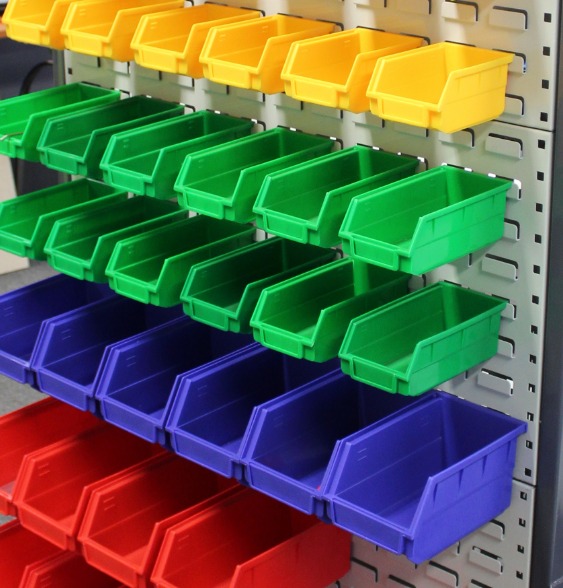
Thermal injection molds are essential tools in modern manufacturing. They produce high-precision plastic parts with complex shapes efficiently. From automotive dashboards to smartphone housings and medical syringes, these molds shape countless products we use every day.
But quality molds come at a cost. High-grade materials, precision machining, and tight tolerances add up quickly. For many manufacturers, staying within budget while maintaining quality is a constant challenge.
The good news? Building high-quality thermal injection molds on a budget is possible. It requires smart choices in materials, design, manufacturing processes, and supplier partnerships. This guide walks you through proven strategies to achieve the right balance between cost and quality.
What Are Thermal Injection Molds and How Do They Work?
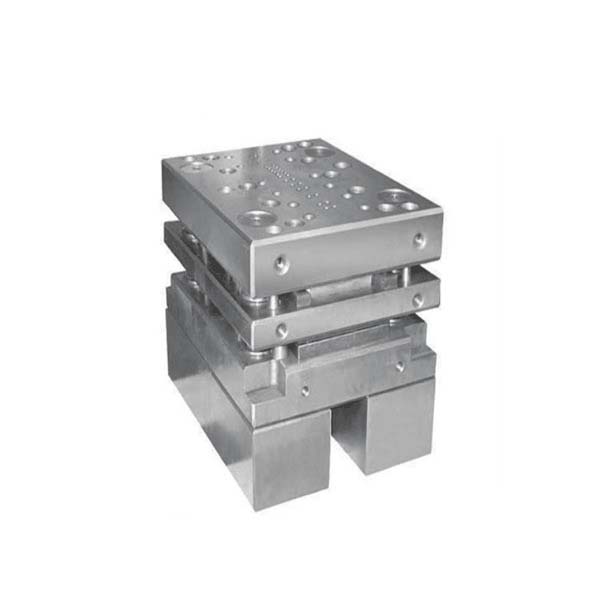
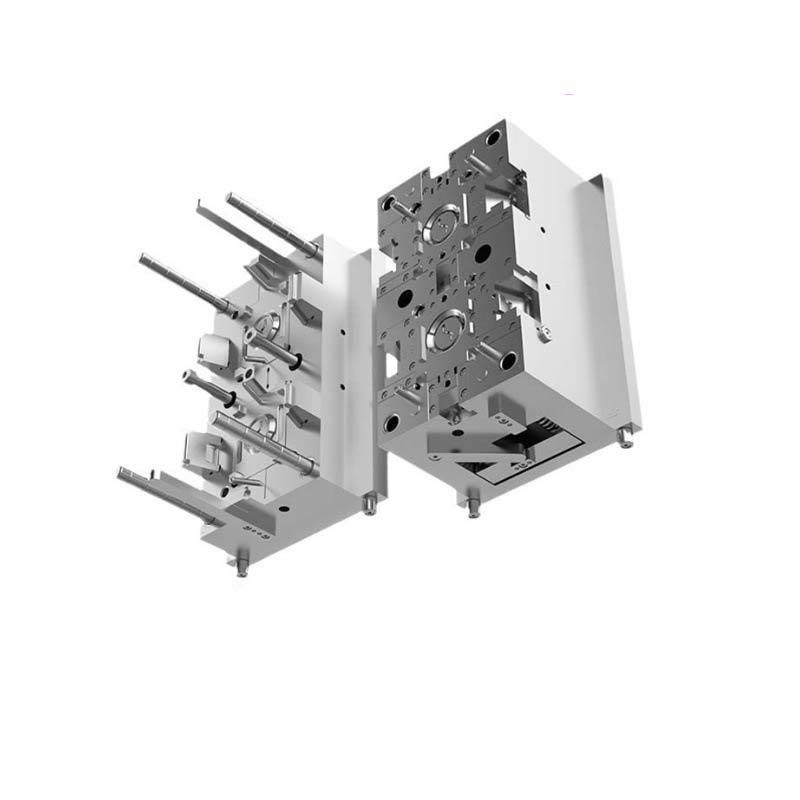
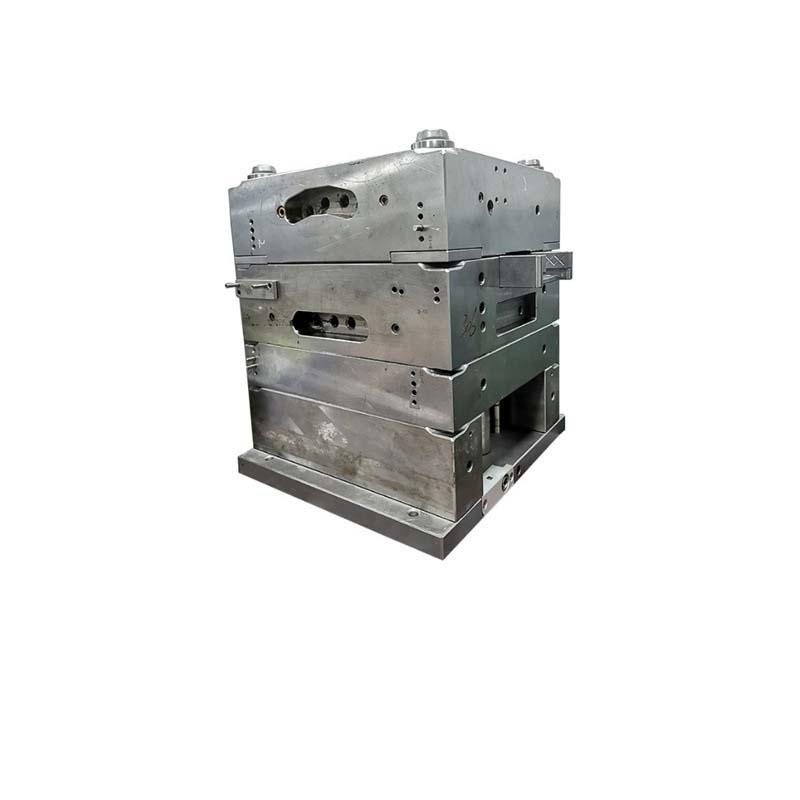
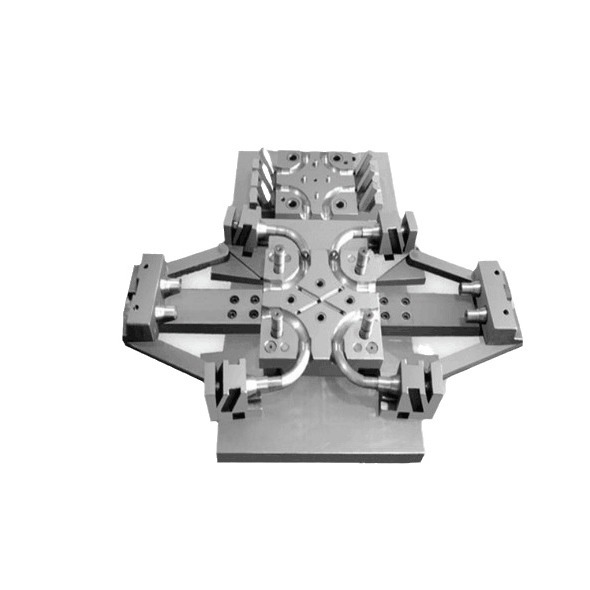
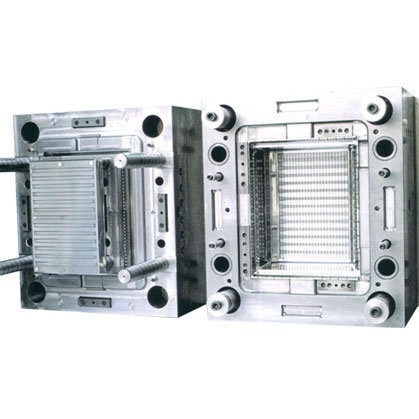
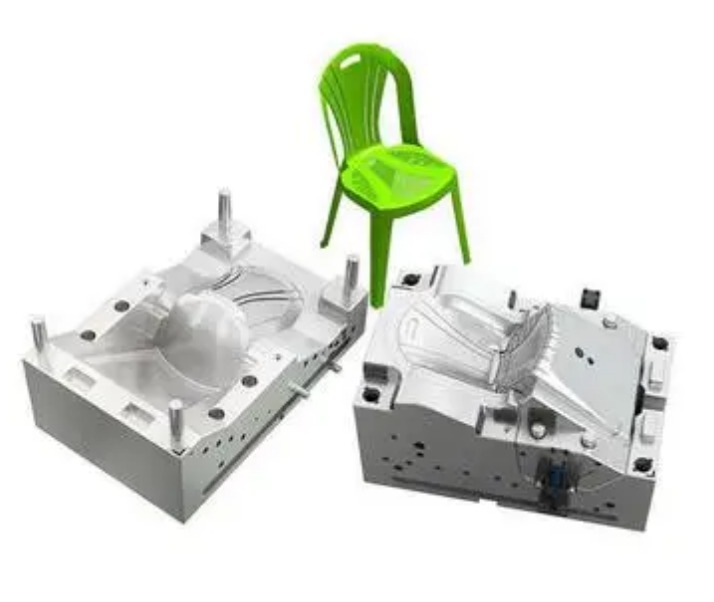
Thermal injection molds are tools used in the injection molding process. Molten plastic is injected into a mold cavity. The plastic cools and solidifies, taking the shape of the cavity. Then the finished part is ejected.
The process starts with plastic pellets fed into a heated barrel. They melt into a viscous liquid. A screw mechanism forces the molten plastic through a nozzle and into the mold cavity. Coolant—usually water—flows through channels in the mold, rapidly cooling the plastic. Once solidified, the mold opens and the part is ejected.
Key Application Areas
| Industry | Common Parts | Why Injection Molding Matters |
|---|---|---|
| Automotive | Dashboards, door panels, bumpers, grilles | Over 70% of non-metallic parts in modern cars use injection molding |
| Electronics | Smartphone housings, connectors, circuit board components | High precision ensures perfect fit and proper function |
| Medical | Syringes, test tubes, pipettes, device housings | Biocompatible materials and tight tolerances for patient safety |
How Does Material Selection Impact Cost and Quality?
Material choice is one of the biggest factors affecting both quality and cost. The right material balances performance with budget.
Steel Options
P20 steel is a popular choice for medium-production molds. It offers good strength, machinability, and cost-effectiveness. P20 costs approximately $5 to $10 per pound. It machines easily into complex shapes. For production volumes under 500,000 parts, P20 delivers reliable performance.
S136 steel provides excellent corrosion resistance and mirror-polishing properties. It is ideal for high-precision, long-lasting molds. The cost is higher—$15 to $25 per pound. For production runs over 500,000 parts or applications requiring flawless surface finishes, S136 pays off in longer tool life and better part quality.
Aluminum Alloys
Aluminum molds are lighter and have better thermal conductivity than steel. They can achieve 3 to 5 times faster cooling cycles, increasing production speed. Cost ranges from $3 to $8 per pound.
However, aluminum is less durable. It may not withstand high-volume production runs or abrasive plastic materials. For low-volume production (under 50,000 parts), aluminum offers excellent value.
Material Selection Guidelines
| Production Volume | Recommended Material | Cost Range per Pound |
|---|---|---|
| Low (<50,000 parts) | Aluminum or P20 | $3–$10 |
| Medium (50,000–500,000 parts) | P20 | $5–$10 |
| High (>500,000 parts) | S136 or premium steel | $15–$25 |
How Can Design Optimization Reduce Costs?
Smart design choices significantly reduce manufacturing costs without sacrificing quality.
Simplify Mold Structure
A two-plate mold is often the most cost-effective design for basic parts. It has fewer components than multi-plate designs, meaning less machining, assembly, and maintenance. Avoid unnecessary undercuts and complex features that require side-action mechanisms. Each added feature increases machining time and cost.
Optimize the Runner System
The runner is the channel through which molten plastic flows from the nozzle to the cavity. A balanced runner system ensures even plastic distribution to all cavities in multi-cavity molds. This reduces short-shots (incomplete filling) and over-packing (excess plastic), both of which cause defects and waste.
A properly designed runner system can cut material waste by 20 to 30 percent. Reducing runner cross-sectional area without sacrificing flow efficiency saves material and lowers costs.
Standardize Components
Use standard-sized guide pins, ejector pins, and other components whenever possible. Standard parts are readily available at lower prices. They also simplify replacement when wear occurs. Custom components drive up both initial cost and long-term maintenance expense.
Which Manufacturing Process Should You Choose?
Different manufacturing processes offer different cost-benefit profiles. The right choice depends on mold complexity, precision requirements, and production volume.
CNC Machining
CNC machining offers high precision and can create complex shapes. Cost ranges from $50 to $200 per hour, depending on job complexity and equipment. For simple molds with basic shapes, CNC machining is cost-effective and delivers high accuracy.
Electrical Discharge Machining (EDM)
EDM is useful for creating detailed features like fine textures or sharp corners. It is a slow process, and costs are based on machining time and material removed. Small EDM jobs may cost a few hundred dollars. Large-scale EDM for complex cavities can run into thousands.
3D Printing
3D printing is emerging as a cost-effective alternative for small-batch or custom-designed molds. It allows complex internal structures that traditional machining cannot achieve. For small, simple molds, costs start from a few hundred dollars.
However, current limitations—slower build times and material property concerns—make 3D printing less suitable for large-scale production molds.
Process Selection Guidelines
| Mold Type | Recommended Process | Cost Consideration |
|---|---|---|
| Simple, basic shape | CNC machining | $50–$200/hour; efficient for straightforward designs |
| Detailed features | CNC + EDM combination | Higher cost; justified by precision needs |
| Low-volume, custom | 3D printing | Starting from a few hundred dollars |
| High-volume production | CNC + EDM | Higher upfront cost; better long-term value |
How Can Supplier Collaboration Help Control Costs?
Building strong supplier relationships is essential for cost control.
Negotiate Better Prices
Placing larger orders can secure volume discounts. A 10 to 20 percent price reduction is common when ordering materials in bulk. Consistent purchasing volumes give you leverage in negotiations.
Find Reliable Suppliers
Do not focus solely on the lowest price. Consider quality, delivery reliability, and after-sales support. Research suppliers, read reviews, and visit facilities if possible. Some suppliers offer value-added services like pre-machining, which saves time and money.
Establish Long-Term Partnerships
Long-term relationships lead to better pricing, priority access to new materials, and improved communication. Suppliers are more willing to invest in meeting your needs—including cost-reduction initiatives—when they have a stable, ongoing business relationship.
Case Studies: Real-World Budget Success Stories
Case 1: Automotive Door Handles
A mid-sized automotive manufacturer needed molds for 300,000 plastic interior door handles. The budget was $50,000.
Material selection: They chose P20 steel ($20,000—40% of budget). For this production volume, P20 offered the right balance of cost and performance.
Design optimization: The team simplified the mold by removing decorative grooves that required complex side-action mechanisms. They redesigned the runner to a balanced circular shape, cutting material waste by 25 percent and saving an estimated $5,000 in material costs.
Manufacturing process: CNC machining was selected for its precision and reasonable cost for simple geometries. Machining cost: $25,000.
Result: Molds completed within budget. Defect rate under 1 percent. Cycle time of 30 seconds per part met production targets.
Case 2: Smartphone Cases
An electronics company needed molds for 1 million smartphone cases with a mirror-like finish. Budget: $80,000.
Material selection: S136 steel was chosen for its corrosion resistance and mirror-polishing properties. Cost: $35,000 (43.75% of budget).
Design optimization: The team standardized components like guide pins and ejector pins. They used a modular design for easy replacement of worn parts, extending mold life and reducing long-term maintenance costs.
Manufacturing process: CNC machining for general shaping ($30,000) combined with EDM for fine details and texturing ($10,000).
Result: Molds produced within budget. Defect rate under 0.5 percent. Surface finish met high-end aesthetic requirements. Cycle time of 25 seconds per part supported high-volume production.
Yigu Technology’s Perspective
As a custom supplier of non-standard plastic and metal products, we understand the challenge of balancing quality and cost.
Material selection: We source high-quality materials from reliable suppliers. We help clients choose the right grade based on production volume, part complexity, and budget.
Design optimization: Our team uses advanced CAD/CAM software to create efficient designs. We simplify structures, standardize components, and optimize runner systems to reduce costs without compromising quality.
Manufacturing flexibility: We combine CNC machining, EDM, and 3D printing to match the right process to each project. This ensures precision, speed, and cost-effectiveness.
Quality control: Strict inspections at every stage—from material to final assembly—reduce rework and delays. This approach delivers molds that meet industry standards and perform reliably.
Conclusion
Building high-quality thermal injection molds on a budget is achievable with the right approach. Smart material selection balances cost and performance for your production volume. Design optimization simplifies structures, reduces waste, and lowers manufacturing costs. Choosing the right manufacturing process—CNC, EDM, or 3D printing—aligns precision with budget. Strong supplier relationships provide better pricing and long-term value.
The case studies demonstrate that thoughtful planning delivers results. Whether you need medium-volume automotive parts or high-volume electronics components, these strategies help you stay within budget while maintaining the quality your products demand.
FAQ
What are the most cost-effective materials for thermal injection molds?
For medium-production volumes (50,000–500,000 parts), P20 steel at $5–$10 per pound is cost-effective. For low-volume production (under 50,000 parts), aluminum alloys at $3–$8 per pound offer faster cooling cycles and lower cost. For high-volume production (over 500,000 parts), investing in S136 steel at $15–$25 per pound delivers longer tool life and better long-term value.
How can I optimize the design of thermal injection molds to reduce costs?
Simplify mold structure by avoiding unnecessary undercuts and complex features. Use a two-plate design for basic parts. Optimize the runner system to reduce material waste by 20–30 percent. Standardize components like guide pins and ejector pins to lower procurement and replacement costs.
How important is the choice of manufacturing process for cost control?
Very important. CNC machining works well for simple shapes. EDM adds precision for detailed features but costs more. 3D printing offers savings for low-volume or custom molds. For high-precision, high-volume production, combining CNC and EDM balances quality and cost.
Contact Yigu Technology for Custom Manufacturing
Looking to build high-quality thermal injection molds without breaking the budget? Yigu Technology specializes in custom non-standard plastic and metal products. Our team combines material expertise, design optimization, and flexible manufacturing to deliver molds that perform.
Reach out today to discuss your next project. Let us help you achieve quality results at the right cost.