Introduction
Plastic mold manufacturing sits at the heart of modern production. Every day, millions of plastic parts roll off production lines—from car dashboards to medical devices—all shaped by precisely crafted molds. But the industry is changing fast. New technologies, smarter materials, and digital tools are transforming how molds are designed and built.
For manufacturers, staying competitive means understanding these shifts. This guide explores the key processes behind plastic mold making, the innovations driving the industry forward, and what the future holds. Whether you are sourcing molds or looking to improve your own production, you will find practical insights grounded in real-world experience.
What Are the Core Manufacturing Processes?
Injection Molding
Process Explanation
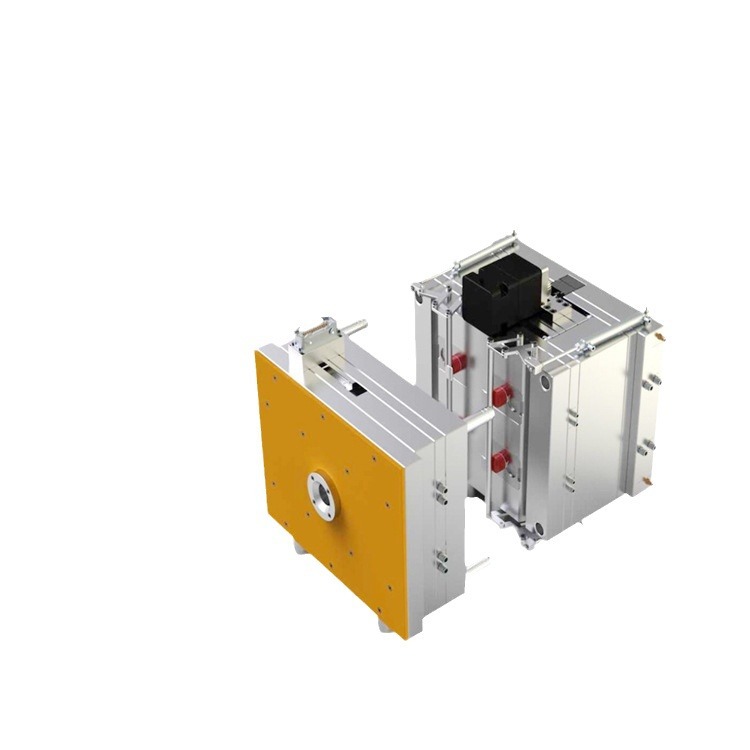
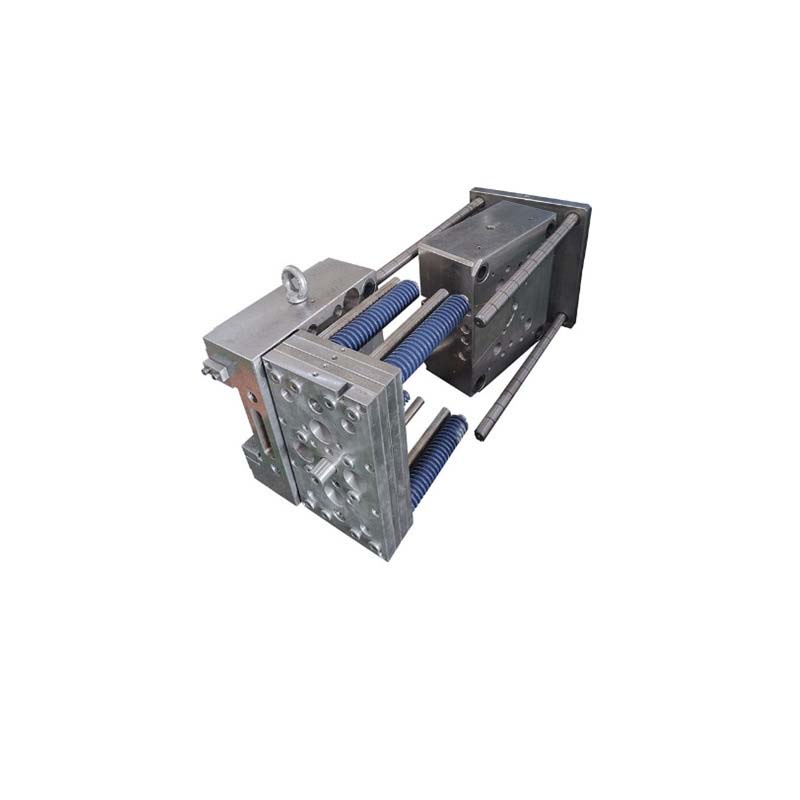
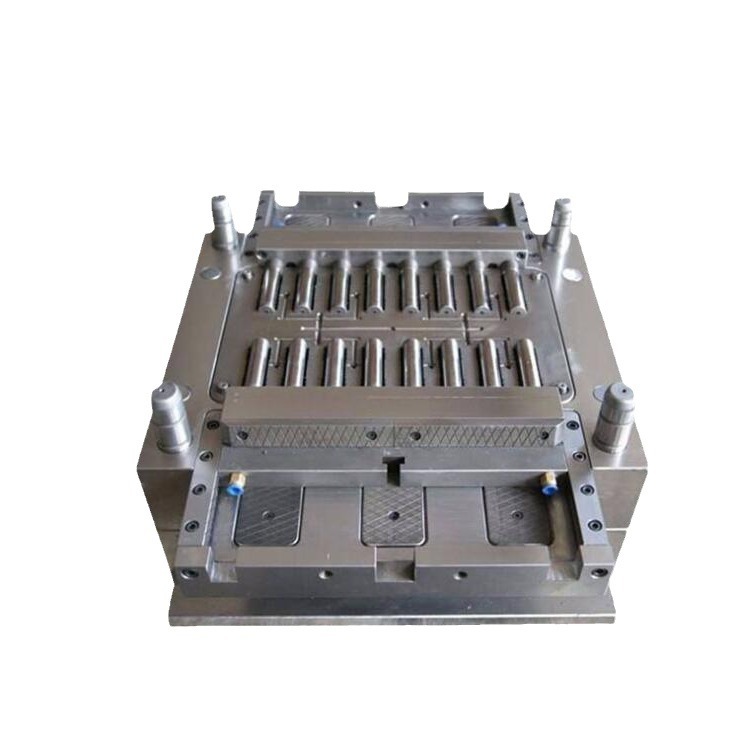
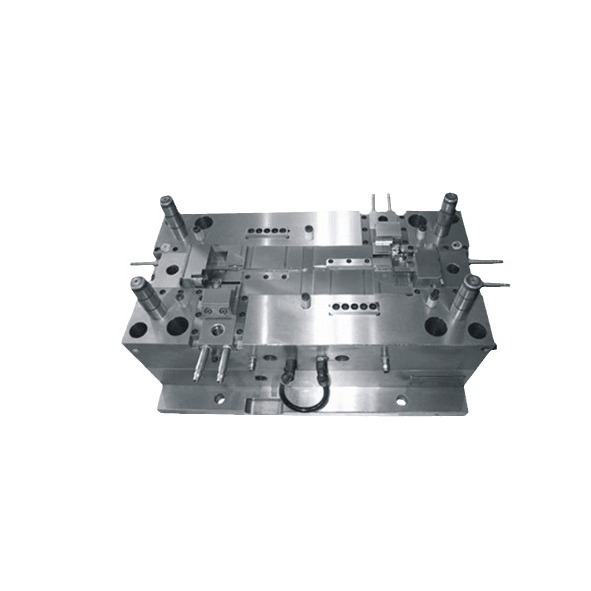
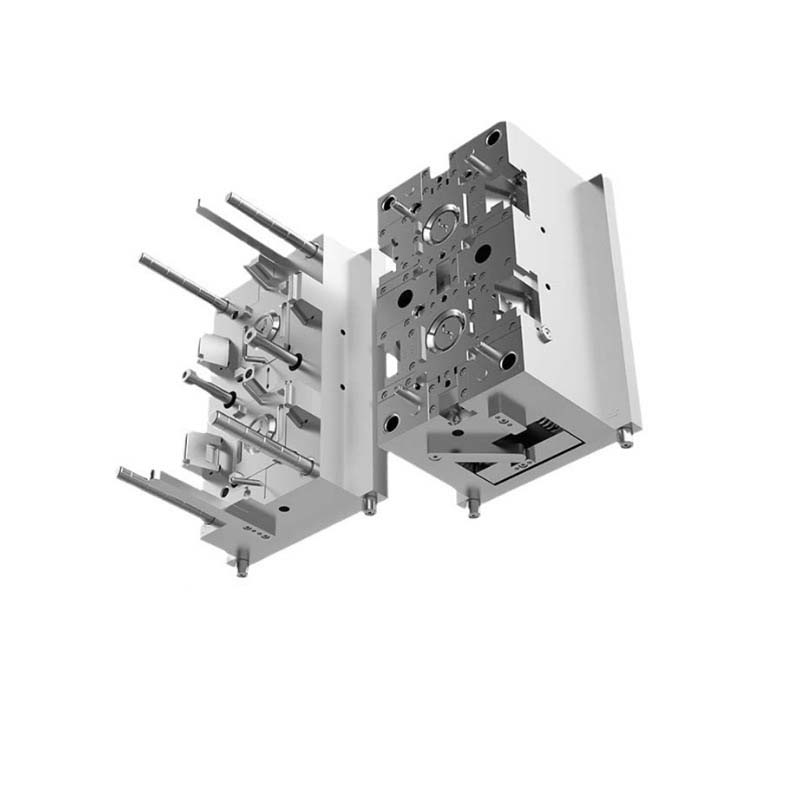
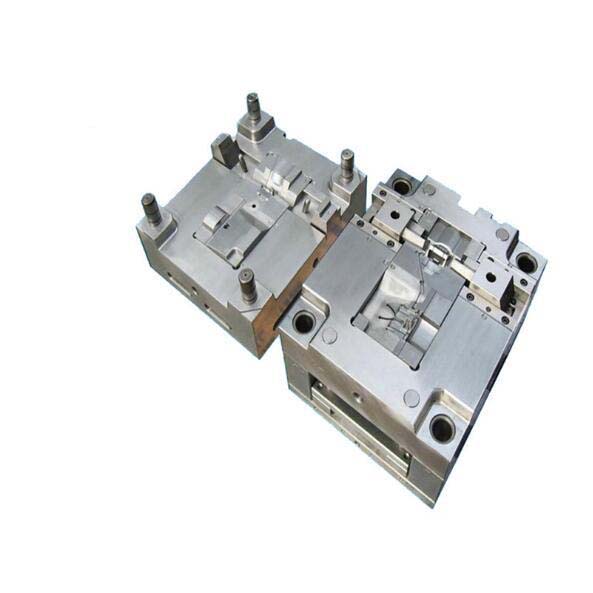
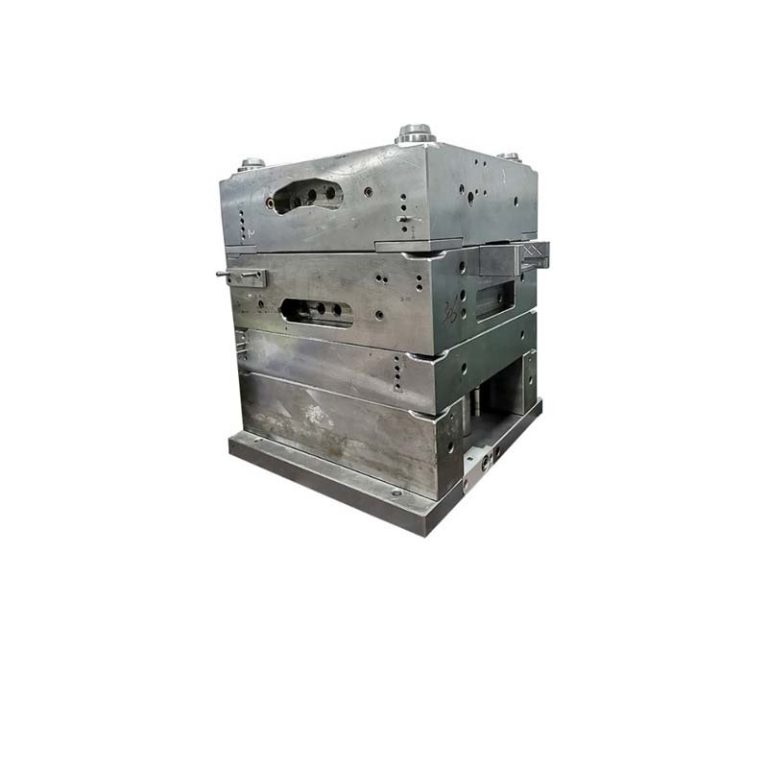
Injection molding begins with a mold, typically made of steel or aluminum. The mold has two halves: the cavity, which forms the outer shape, and the core, which creates internal features.
Plastic pellets feed into a hopper and travel to a heated barrel. A rotating screw melts the plastic and pushes it forward. Once enough molten material is ready, the screw moves forward, forcing the plastic under high pressure into the mold cavity. The plastic flows through a sprue (main channel), runners (distribution channels), and gates (entry points) before filling the cavity.
After filling, pressure is maintained during the holding stage to compensate for shrinkage as the plastic cools. Once solidified, the mold opens and the part is ejected.
Advantages and Disadvantages
| Advantages | Disadvantages |
|---|---|
| High production efficiency | High mold cost |
| Tight tolerances (±0.05 mm or better) | High initial investment |
| Versatile for many product types | Longer lead time for mold development |
| Good surface finish | Mainly suited for thermoplastics |
| Easily automated | Some waste from runners and sprues |
Blow Molding
Process Explanation
Blow molding creates hollow products like bottles and containers. The process starts with a parison—a tube of molten plastic. There are two main methods:
- Extrusion blow molding: An extruder creates a continuous tube. The parison drops into an open mold, which closes around it. Compressed air then expands the plastic against the mold walls.
- Injection blow molding: A pre-form is first injection-molded, then transferred to a blow station, reheated, and blown into its final shape.
Advantages and Disadvantages
| Advantages | Disadvantages |
|---|---|
| Ideal for hollow products | Lower dimensional accuracy than injection molding |
| Cost-effective for high volumes | Complex shapes are difficult |
| Good material utilization | Surface finish limitations |
| Lightweight products | Limited to certain plastics |
Compression Molding
Process Explanation
Compression molding uses a pre-measured amount of plastic—often a pellet, sheet, or powder—placed directly into a heated mold cavity. The mold closes, applying pressure that forces the material to fill the cavity. Heat softens or cures the plastic. For thermosets, a chemical reaction hardens the material. For thermoplastics, the mold cools to solidify the part.
Advantages and Disadvantages
| Advantages | Disadvantages |
|---|---|
| Suitable for large, flat products | Long production cycle |
| Simple mold structure | Lower production efficiency |
| Handles thermoplastics and thermosets | Limited to simpler shapes |
| Minimal material waste | Often labor-intensive |
What Technological Advancements Are Shaping Mold Making?
CAD/CAM Technology
Computer-Aided Design (CAD) and Computer-Aided Manufacturing (CAM) have become essential tools. In the design phase, CAD software like SolidWorks or UG NX allows engineers to create detailed 3D models of products and molds. Design changes happen quickly. Simulation tools analyze plastic flow, temperature distribution, and stress, helping catch issues like short shots or warping before any steel is cut.
Key impact: CAD-based design reduces design time by 30 to 50 percent compared to manual methods, according to the Society of Plastics Engineers.
Once the design is complete, CAD data transfers directly to CAM systems. CAM software generates tool paths for CNC milling, turning, and EDM (Electrical Discharge Machining). This seamless integration eliminates manual data transfer and reduces human error. Tolerances as tight as ±0.001 mm are achievable in advanced setups.
3D Printing in Mold Making
Additive manufacturing is changing how molds are developed. For rapid prototyping, a mold that once took weeks can now be printed in days or even hours. This allows manufacturers to test designs quickly and accelerate product development.
Materials for 3D-printed molds include ABS, PLA, and high-performance polymers like PEEK. Metal 3D printing enables complex internal structures, such as conformal cooling channels. These channels follow the shape of the mold cavity, improving cooling efficiency and reducing cycle times by 30 to 40 percent.
Challenges remain: Equipment and material costs are high, especially for metal printing. Build size limits and surface finish requirements often need post-processing. Still, as technology advances, these barriers are shrinking.
How Are Material Innovations Changing the Game?
New Types of Plastics
High-performance engineering plastics are creating new possibilities.
| Material | Key Properties | Common Applications |
|---|---|---|
| Polycarbonate (PC) | Impact resistance, heat resistance, optical clarity | Automotive, electronics, optical lenses |
| Polyamide (PA/Nylon) | High strength, abrasion resistance, low friction | Gears, bearings, connectors |
| Polyphenylene sulfide (PPS) | Chemical resistance, high-temperature stability | Harsh environment applications |
These materials demand more from molds. PPS, for example, requires molds that withstand temperatures up to 300°C during processing.
Biodegradable plastics are also gaining ground. PLA, derived from corn starch or sugarcane, is used for disposable cutlery and packaging. These materials have different flow characteristics and shrinkage rates, requiring adjustments in mold design.
Composite Materials
Fiber-reinforced plastics (FRP) are improving mold performance. Glass-fiber-reinforced plastic (GFRP) offers good strength at lower cost. Carbon-fiber-reinforced plastic (CFRP) provides higher strength, stiffness, and fatigue resistance.
Case example: In aerospace applications, CFRP molds help reduce final product weight while maintaining quality. According to the Composites Institute, CFRP molds can last 2 to 3 times longer than traditional steel molds in certain applications, thanks to superior wear and corrosion resistance.
The trade-off? Composite molds require specialized knowledge and processes like lay-up, curing, and post-processing.
What Is Smart Manufacturing’s Role?
Smart manufacturing is bringing data and automation to the factory floor.
Automation and Intelligent Systems
Automated production lines handle mold loading, injection, and part removal with minimal human intervention. Advanced injection molding machines adjust pressure, temperature, and cooling time in real time based on the part being produced.
Intelligent monitoring systems track mold condition during production. They detect wear, damage, or misalignment and alert operators immediately.
Predictive Maintenance
Big data and AI enable predictive maintenance. By analyzing historical and real-time sensor data, manufacturers can predict equipment failures before they happen. This proactive approach reduces unplanned downtime.
Reported benefits:
- 20 to 30 percent increase in production efficiency
- Up to 50 percent reduction in product defects
- Lower labor costs and improved workplace safety
Yigu Technology’s Perspective
As a custom supplier of non-standard plastic and metal products, we see these changes firsthand.
On technology: We use CAD/CAM integration to catch design issues early. Simulation tools help us optimize mold designs before manufacturing begins. For rapid prototyping, we leverage 3D printing to shorten development cycles.
On materials: We work with high-performance engineering plastics and composites when applications demand it. For clients focused on sustainability, we offer biodegradable material options and adjust mold designs to accommodate their unique properties.
On smart manufacturing: Our production lines use real-time monitoring to maintain quality and reduce waste. Predictive maintenance keeps our equipment running, minimizing delays for our customers.
Conclusion
Plastic mold manufacturers are crafting the future through a combination of advanced processes, new materials, and smart technologies. Injection molding, blow molding, and compression molding remain foundational. But CAD/CAM integration, 3D printing, high-performance plastics, and smart manufacturing are pushing the boundaries of what is possible.
For businesses that rely on plastic parts, understanding these trends is essential. The right mold—designed with the latest tools and materials—delivers better parts, faster production, and lower long-term costs. The future of mold making is here, and it is smarter, faster, and more capable than ever.
FAQ
What are the most promising technological advancements for plastic mold manufacturers in the near future?
CAD/CAM technology will remain essential for efficient design and production. 3D printing is expected to grow as costs decrease and capabilities expand. AI integration for real-time process optimization also holds significant promise.
How can plastic mold manufacturers deal with the high cost of new materials?
Manufacturers can negotiate with material suppliers, optimize processes to reduce waste, and invest in R&D to find cost-effective alternatives that maintain quality standards.
What are the main challenges in implementing smart manufacturing in the plastic mold industry?
The main challenges include high initial investment in equipment and software, the need for skilled workers to manage new systems, and data security concerns when handling large amounts of production data.
Contact Yigu Technology for Custom Manufacturing
Looking for a manufacturing partner who understands both the fundamentals and the future of mold making? Yigu Technology specializes in custom non-standard plastic and metal products. We combine technical expertise with a commitment to quality, using the latest tools and materials to deliver molds that meet your exact needs.
Reach out today to discuss your next project. Let’s build something exceptional together.