Introduction
Plastic injection technology is everywhere. It shapes the smartphone in your pocket. It forms the dashboard in your car. It creates the syringe at your doctor's office. This technology is the quiet engine powering modern manufacturing.
The numbers tell the story. The global plastic injection molding market was valued at over $300 billion in 2022 . It is projected to grow at a compound annual growth rate of about 5% through 2030 . These figures reflect an industry that is not just stable but expanding rapidly.
This guide explores how plastic injection technology works, where it is applied, and how it is shaping the future of manufacturing across automotive, electronics, medical, and other industries.
How Does Plastic Injection Technology Work?
The Step-by-Step Process
Step 1: Feeding
Plastic granules enter the hopper—a storage bin that feeds material into the machine. The hopper supplies granules steadily to ensure consistent processing.
Step 2: Plasticization
Inside the barrel, a rotating screw moves the granules forward. External heating elements and friction from the screw melt the plastic. The material transforms from solid granules into a viscous, molten state.
For polyethylene (PE), barrel temperatures typically range from 180°C to 280°C , depending on the grade.
Step 3: Injection
The screw acts as a piston, forcing molten plastic through a nozzle and into a closed mold cavity. Injection pressure typically ranges from 50 to 200 MPa . High pressure ensures the plastic fills every detail of the cavity.
Step 4: Holding
After filling, the material is held under pressure to compensate for shrinkage as it cools. This holding phase maintains shape and dimensions. Holding pressure is lower than injection pressure but essential for quality.
Step 5: Cooling
Cooling channels circulate water or other media through the mold. The plastic solidifies into the shape of the cavity. Cooling time ranges from seconds to minutes based on part thickness.
A thin-walled part may cool in 5 to 10 seconds . A thick-walled component may take 30 seconds or more .
Step 6: Ejection
The mold opens. Ejector pins or plates push the finished part out. The part is then ready for post-processing like trimming, painting, or assembly.
What Are the Key Components?
Screw
The screw has two functions. During plasticization, it rotates to convey and melt the material. During injection, it moves forward as a piston to push molten plastic into the mold.
Screw design—pitch and length-to-diameter ratio—affects processing. A larger pitch may suit high-viscosity plastics by providing greater forward thrust.
Barrel
The barrel houses the screw. Heating bands raise its temperature in controlled zones. The zone near the hopper is cooler to prevent premature melting. The zone near the nozzle is hottest to ensure proper viscosity.
Barrels are made from alloy steels that withstand high temperatures and abrasive wear.
Mold
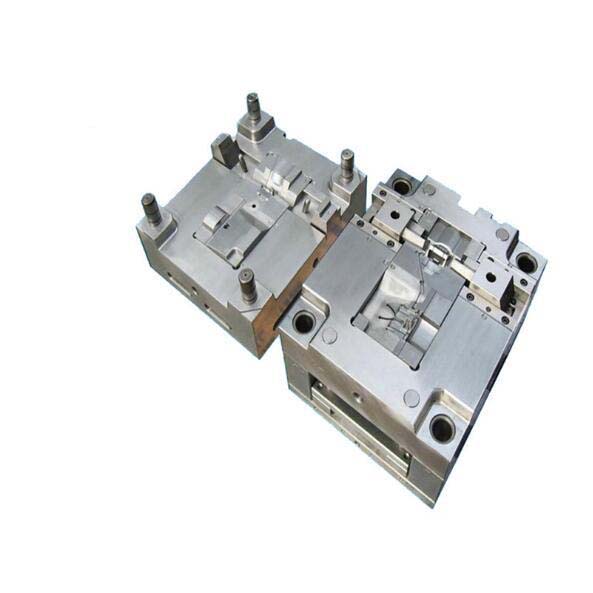
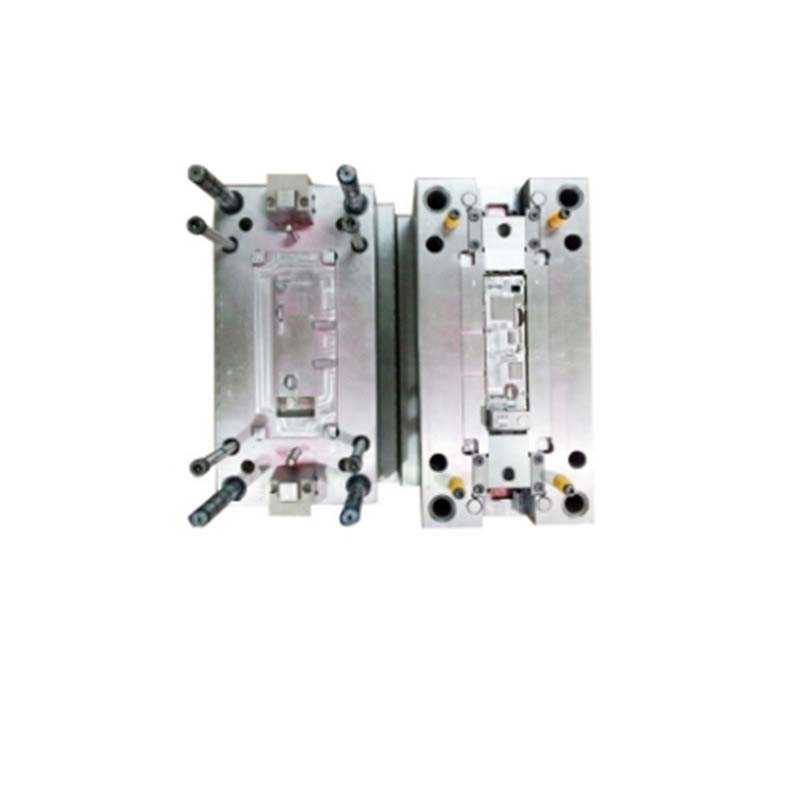
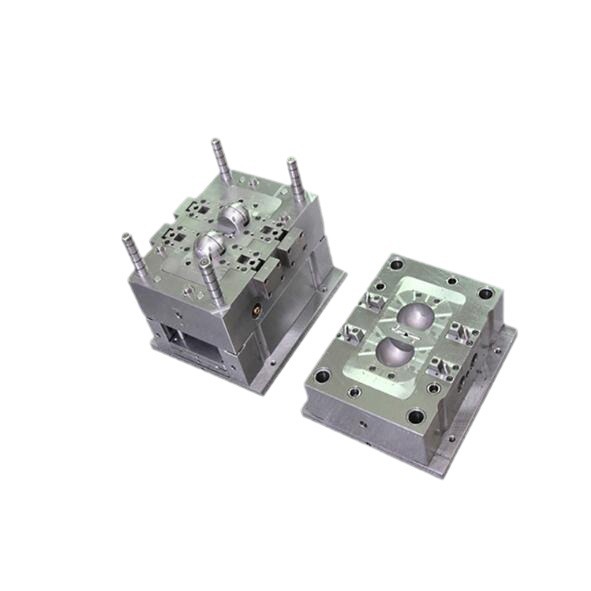
The mold determines the final product shape. It has two halves: stationary (cavity) and moving (core). When closed, they form a cavity matching the desired part.
Molds are typically steel or aluminum. Steel molds are durable for high-volume production. Aluminum molds are lighter and cool faster, suitable for lower volumes or prototyping.
Molds can be highly complex, with cores, slides, and cooling channels. A toy with intricate internal structures may require multiple cores to create hollow spaces.
How Is the Automotive Industry Being Transformed?
Interior Components
Plastic injection molding creates dashboards, door panels, and center consoles. These parts offer design flexibility that metal cannot match.
Modern dashboards have complex curves and integrated features—instrument clusters, air vents, storage compartments. Injection molding makes these designs possible at reasonable cost.
Weight reduction is another benefit. Plastic interior components can reduce vehicle weight by 20% to 30% . Every 10% reduction in vehicle weight improves fuel efficiency by 6% to 8% .
Exterior Parts
Bumpers, fenders, and spoilers are increasingly injection molded. These parts enhance appearance while contributing to safety and aerodynamics.
Plastic bumpers absorb impact energy better than metal. They flex on minor impacts without permanent damage. Production time for a plastic bumper can be 50% less than for a metal-stamped bumper. Cost per unit can be 30% to 40% lower .
Engine Components
Even under the hood, injection-molded plastics are gaining ground. Intake manifolds, valve covers, and engine mounts now use high-performance plastics.
These materials withstand high temperatures and mechanical stress. Plastic intake manifolds optimize air-fuel mixture delivery and weigh less than metal alternatives.
Market share for plastic injection-molded engine components grew from 15% in 2010 to over 30% in 2023 . This trend is expected to continue.
What Role Does It Play in Electronics?
Miniaturization and Lightweight Design
Smartphones demonstrate the impact of injection molding. The outer casing, battery housings, circuit board holders, and speaker enclosures are all injection molded.
Plastic components account for 60% to 70% of a smartphone’s total weight . One manufacturer reduced the weight of a new model by 15% compared to the previous generation using injection-molded components.
Design Diversification
Plastic injection enables complex, unique designs that differentiate products. Tablets can have varied shapes and textures on their backs. Smartwatches and fitness trackers achieve ergonomic fits through molded parts.
Injection-molded components integrate easily with metals and glass, expanding design possibilities.
How Is Medical Manufacturing Impacted?
Medical Devices
Syringes, catheters, and surgical instruments are injection molded to meet strict medical-grade standards.
Precision is critical. A study on medical catheters found that injection-molded versions had a defect rate below 1% , compared to up to 5% with other manufacturing methods. This level of quality control is essential for patient safety.
Disposable Medical Supplies
Gloves, medical trays, and specimen containers are produced through injection molding. These supplies are cost-effective and designed for single use, reducing cross-contamination risk.
The global market for injection-molded disposable medical supplies is projected to reach over $50 billion by 2025 . Growth is driven by infection control needs and healthcare expansion in emerging economies.
What Trends Are Shaping the Future?
Advanced Materials
New materials expand what injection molding can achieve.
Biodegradable plastics address environmental concerns. Polylactic acid (PLA) and other bio-based polymers break down under composting conditions.
High-performance plastics like PEEK and PEI enable applications in extreme environments—aerospace, downhole drilling, and high-temperature electronics.
Fiber-reinforced composites offer strength-to-weight ratios that compete with metals.
3D Printing for Tooling
Additive manufacturing accelerates mold development. 3D-printed molds can be produced in a fraction of the time needed for traditional molds.
This enables rapid prototyping and faster iteration. Design changes that once took weeks now take days.
Automation and Industry 4.0
Sensors, robotics, and artificial intelligence are transforming injection molding.
Smart machines monitor process parameters in real time. They adjust temperature, pressure, and speed automatically to maintain quality.
Predictive maintenance uses data to anticipate equipment failures before they occur, reducing downtime.
Robotic part handling increases consistency and reduces labor costs.
The table below summarizes key trends:
| Trend | Impact |
|---|---|
| Advanced materials | New applications in extreme environments, sustainability |
| 3D-printed tooling | Faster prototyping, lower mold costs for low volumes |
| Automation | Consistent quality, reduced labor, higher throughput |
| Industry 4.0 | Real-time optimization, predictive maintenance, data-driven decisions |
What Does a Real-World Example Look Like?
A medical device manufacturer needed to produce a complex surgical instrument housing. The part required tight tolerances, biocompatibility, and the ability to withstand repeated sterilization.
Traditional machining of metal was costly and time-consuming. The company switched to injection-molded PEEK. The material met biocompatibility requirements. The molding process produced complex geometries in a single operation.
Production time dropped by 60% . Per-part cost fell by 40% . The instrument passed all sterilization tests and received regulatory approval.
Conclusion
Plastic injection technology is a cornerstone of modern manufacturing. It transforms raw plastic granules into complex, high-precision parts used across automotive, electronics, and medical industries.
The process involves feeding, plasticization, injection, holding, cooling, and ejection. Key components—screw, barrel, and mold—work together to produce consistent, high-quality parts.
In automotive, injection molding enables lightweighting and design freedom. In electronics, it supports miniaturization and product differentiation. In medical, it delivers precision and cost-effectiveness for both devices and disposables.
The future is shaped by advanced materials, 3D-printed tooling, automation, and Industry 4.0 integration. These trends will make injection molding faster, more precise, and more sustainable.
Plastic injection technology is not just molding products. It is molding the future of manufacturing.
FAQ
What are the common types of plastics used in plastic injection technology?
Common plastics include polyethylene (PE) for packaging, polypropylene (PP) for automotive and consumer goods, polystyrene (PS) for disposable products, ABS for electronics housings, and polycarbonate (PC) for high-impact applications like smartphone screens. Each material offers specific properties suited to different applications.
How can I ensure the quality of plastic injection-molded products?
Control process parameters—temperature, pressure, and injection speed—within recommended ranges. Use high-quality raw materials. Maintain molds properly. Inspect products during and after production for defects like warping, shrinkage, or surface flaws. Proper mold design with appropriate cooling channels and gate locations also contributes to consistent quality.
What are the limitations of plastic injection technology?
High initial costs for equipment and molds can be a barrier for small-scale producers. Very large or extremely complex shapes may be difficult to achieve. Environmental concerns around plastic waste and recycling persist, though biodegradable plastics and improved recycling technologies are addressing these issues.
How does injection molding contribute to automotive fuel efficiency?
Plastic parts are significantly lighter than metal equivalents. Reducing vehicle weight directly improves fuel economy. Research shows that every 10% reduction in vehicle weight improves fuel efficiency by 6% to 8% . Injection-molded interior, exterior, and engine components all contribute to this weight reduction.
What is the role of automation in injection molding?
Automation increases consistency and throughput. Robots handle part removal, reducing labor costs and injury risk. Smart sensors monitor process parameters and adjust in real time to maintain quality. Predictive maintenance systems analyze data to anticipate equipment failures, reducing downtime.
Contact Yigu Technology for Custom Manufacturing
At Yigu Technology , we are part of the future of plastic injection molding. Our facilities feature modern injection molding machines with advanced control systems. We work with a wide range of materials—from commodity plastics to high-performance engineering resins.
We serve automotive, electronics, medical, and industrial customers. Our team provides design for manufacturability (DFM) reviews to optimize part designs before tooling begins. We handle projects from prototyping through high-volume production.
Contact Yigu Technology today to discuss your injection molding project and see how we can help bring your products to market.