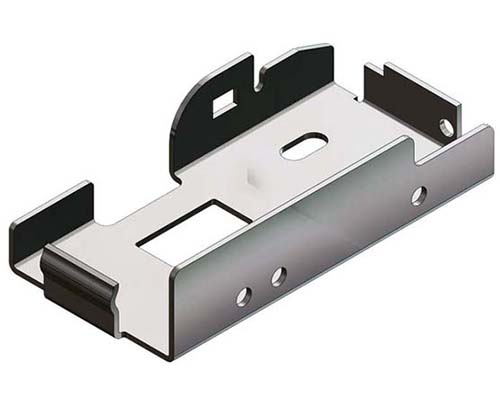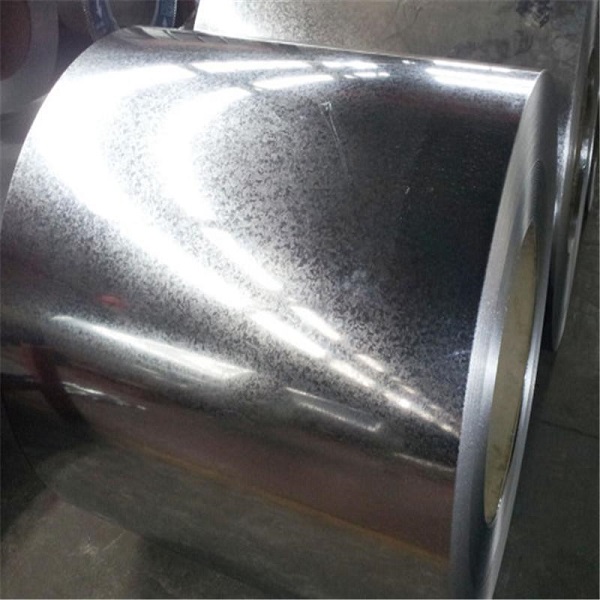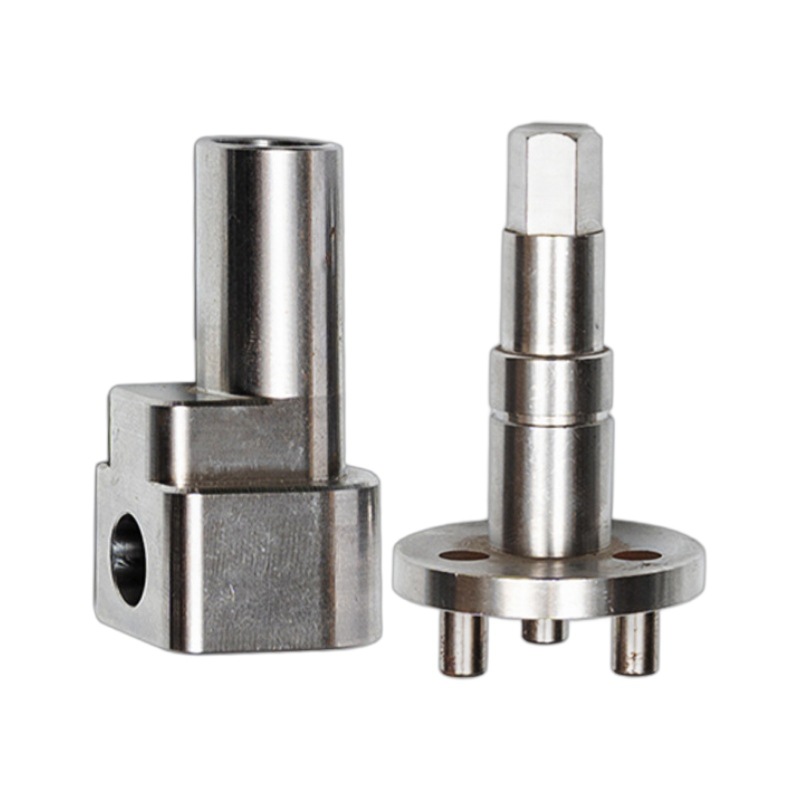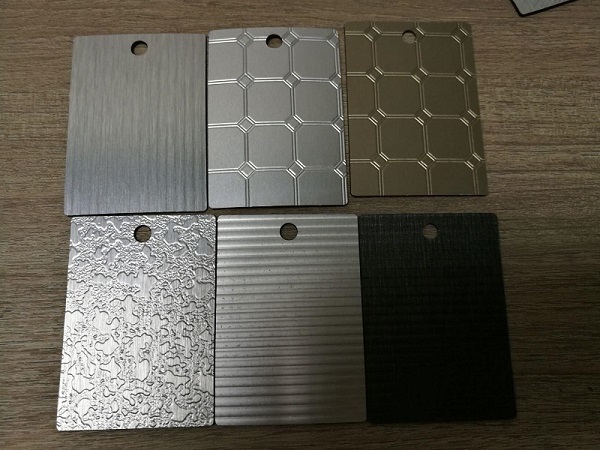
If you have ever seen a bridge, a ship, or a massive industrial machine, you have seen the result of heavy metal fabrication. Simply put, it is the process of shaping, cutting, and assembling thick, durable metals—typically steel or aluminum—into large, load-bearing structures. Unlike light fabrication, which handles thin sheets for items like gutters or electronics enclosures, heavy fabrication focuses on strength and durability. For industries like construction, energy, and manufacturing, getting this process right is the difference between a safe, long-lasting asset and a costly failure.
What Exactly Is Heavy Metal Fabrication?
At its core, this process transforms raw heavy metals—usually ¼ inch thick or more—into functional, custom components. It blends skilled craftsmanship with advanced technology. Traditional techniques like welding work alongside modern tools such as CNC plasma cutters. The goal is to create structures that meet strict industry standards.
A key distinction from light fabrication is the scale and load capacity of the final product. A light fabricator might make a 5-pound metal shelf. A heavy fabricator would build a 5,000-pound steel frame for a manufacturing press. This difference requires specialized equipment, like large-scale bending machines, and certifications such as AWS D1.1 for structural welding.
What Are the Core Processes?
A Step-by-Step Breakdown
Heavy metal fabrication is a sequence of carefully coordinated steps. Here is how they work together.
Design and Engineering
Every project starts with detailed design. Engineers use 3D modeling software like AutoCAD or SolidWorks to create precise blueprints. They factor in load limits, material properties, and industry codes.
Real Example: A Texas fabricator built a steel support for a wind turbine. The engineering team spent 6 weeks refining the design to account for 120 mph winds and the turbine’s 30-ton weight. They ran stress tests to identify weak points before cutting any metal. This saved the client $50,000 in rework later.
Material Selection
Choosing the right metal is critical. Common options include:
- Carbon Steel: Affordable and strong. Ideal for structural parts like bridge girders.
- Stainless Steel: Resists corrosion. Used in food processing or marine applications.
- Aluminum: Lightweight but strong. Suitable for aerospace or transportation.
- Alloys (e.g., Hastelloy): Heat-resistant. Used in power plants or chemical facilities.
Key Consideration: A fabricator must match the material to the environment. Using carbon steel in a coastal area leads to rapid rust. Stainless steel or a galvanized coating is better.
Cutting and Shaping
Once the design is final, the metal is cut to size.
- CNC Plasma Cutting: Uses a high-temperature jet to cut thick steel (up to 6 inches). Fast and precise.
- Flame Cutting: Uses oxygen and acetylene. Ideal for very thick steel (10+ inches) but less precise.
- Waterjet Cutting: Uses high-pressure water and abrasives. Perfect for metals that warp easily, like aluminum.
After cutting, the metal is shaped using:
- Press Brakes: Bend metal into angles or curves.
- Rolling Machines: Curve metal into cylinders or arcs for pipes or tank walls.
Assembly and Welding
Cut and shaped parts are assembled into the final structure. Welding is the most common method. Skilled welders use techniques like MIG or TIG welding.
Industry Standard: All welds must meet AWS (American Welding Society) standards. In structural fabrication, welds are inspected using X-rays or ultrasonic testing to check for hidden defects.
Real Example: A shipyard in Louisiana hired our team to fabricate a 200-foot steel hull section. We used MIG welding for most joints but switched to TIG for critical areas like water-tight compartments. After welding, every joint was X-rayed. Only 2 out of 500 welds needed rework—well below the industry average of 5%.
Finishing and Quality Control
The final step protects the metal and improves appearance.
- Painting: Adds a protective layer against rust.
- Galvanizing: Dips metal in zinc to resist corrosion. Ideal for outdoor structures.
- Sandblasting: Removes rust or debris before finishing.
Quality control runs through every step. A good fabricator will:
- Test material strength, such as tensile strength tests.
- Check dimensions with laser tools, accurate to ±0.001 inches.
- Conduct load tests on final structures, often at 120% of intended load.
What Materials Are Used?
A Comparison of Key Metals
| Material | Tensile Strength (psi) | Corrosion Resistance | Ideal Applications | Cost per Pound (USD) |
|---|---|---|---|---|
| Carbon Steel | 50,000 – 100,000 | Low (needs coating) | Bridge beams, machinery frames | $0.50 – $1.50 |
| Stainless Steel | 70,000 – 150,000 | High | Marine parts, food equipment | $2.00 – $4.00 |
| Aluminum | 10,000 – 80,000 | High | Aerospace parts, truck frames | $1.00 – $3.00 |
| Hastelloy | 100,000 – 180,000 | Excellent (heat/chemical) | Power plant boilers, reactors | $20.00 – $50.00 |
Pro Tip: For most industrial projects, carbon steel is the go-to choice. It is strong and cost-effective. If corrosion is a concern, upgrade to stainless steel or add a galvanized coating. That adds about $0.20 per pound but extends the structure’s life by 10–20 years.
Which Industries Rely on It?
Critical Applications Across Sectors
Construction
From skyscrapers to highways, construction depends on heavy fabricated steel. Steel beams support the weight of high-rise buildings. A typical beam can hold 20 tons. Bridge trusses distribute weight across spans. The Golden Gate Bridge uses 83,000 tons of steel.
Energy
Both renewable and non-renewable energy projects need heavy fabrication. A single wind turbine tower can weigh 200 tons. Offshore oil platforms use thick steel pipes—up to 36 inches in diameter—and pressure vessels that resist saltwater corrosion and high pressure.
Transportation
Ships, trains, and heavy trucks rely on fabricated metal. A cargo ship hull can be 1 inch thick and 1,000 feet long. A locomotive frame can weigh 50 tons.
Manufacturing
Factories need heavy machinery built with fabricated parts. A metal press can exert 1,000 tons of force. Its frame must be made from high-strength steel. Conveyor systems use heavy steel frames to move raw materials in mining facilities.
What Challenges Arise?
Common Problems and Solutions
Material Warping
Heat from cutting or welding can warp metal. A steel plate may bend after plasma cutting.
- Solution: Use heat mitigation techniques. Preheat the metal before welding. Use cooling fans during cutting. Clamp large parts to a rigid surface to prevent movement.
Weld Defects
Cracks, porosity, or incomplete fusion weaken welds.
- Solution: Train welders to AWS standards. Use automated welding like robotic MIG for consistency. After welding, use non-destructive testing (NDT) methods like X-rays or ultrasonic inspection.
Tight Deadlines
Heavy fabrication projects often take 6–12 weeks, but clients may demand faster delivery.
- Solution: Use project management software like Asana to track progress. Order materials in advance. For urgent projects, start cutting while the final design is being approved—with client permission.
Cost Overruns
Materials and labor can drive up costs.
- Solution: Provide a detailed cost breakdown upfront. Account for material waste, typically 5–10% for heavy fabrication. Use nesting software to arrange cuts and minimize waste.
How Do You Choose the Right Fabricator?
A Practical Checklist
Not all fabricators have the skills or equipment for heavy projects. Use this checklist to find the right one.
- Certifications: Look for AWS D1.1 (structural welding) and ISO 9001 (quality management). These prove the fabricator meets industry standards.
- Equipment: Ensure they have large-scale tools. A CNC plasma cutter should handle at least 10 feet wide. A press brake must bend 1-inch steel. Welding robots add consistency.
- Experience: Ask for case studies of similar projects. A good fabricator will share photos and references.
- QC Processes: Inquire about testing methods. Do they use NDT for welds? Do they conduct load tests?
- Lead Times: Get a clear timeline with buffer time for unexpected issues.
Red Flag: A fabricator that gives a vague timeline or cannot provide certifications is likely not equipped for heavy projects.
Conclusion
Heavy metal fabrication is the backbone of industries that build and move the world. It transforms thick, durable metals into structures that withstand extreme pressure, weight, and environmental conditions. The process involves careful design, precise cutting and shaping, skilled welding, and rigorous quality control. Success depends on choosing the right material, partnering with a certified fabricator, and planning for challenges like warping or tight deadlines. When done right, heavy fabrication delivers safe, long-lasting assets that drive industrial progress.
FAQ
How long does a typical heavy metal fabrication project take?
It depends on size and complexity. A small part, like a 100-pound steel bracket, may take 1–2 weeks. A large structure, like a 50-ton bridge beam, could take 8–12 weeks. This includes design, material sourcing, fabrication, and quality control.
Is heavy metal fabrication expensive?
Costs vary. Labor typically runs $50–$200 per hour, plus material costs. A custom 10-ton steel frame might cost $15,000–$30,000. However, investing in quality fabrication saves money long-term by reducing maintenance and replacement costs.
Can heavy metal fabrication use recycled materials?
Yes. Recycled steel is just as strong as virgin steel. It is widely used in heavy fabrication and lowers costs by about 10–15%. Most fabricators can source recycled materials upon request.
What is the difference between heavy metal fabrication and machining?
Fabrication focuses on shaping and assembling metals—cutting, welding, bending—to create structures. Machining uses tools like lathes or mills to remove material from a metal block to create precise parts, such as a gear. Many projects use both.
How do I ensure my heavy fabricated part meets safety standards?
Choose a certified fabricator with AWS D1.1 and ISO 9001. Ask for proof of QC testing, such as X-ray reports for welds or load test results. Also ensure the design complies with industry codes like ASME for pressure vessels or AISC for structural steel.
Contact Yigu Technology for Custom Manufacturing
Heavy metal fabrication demands precision, experience, and the right equipment. At Yigu Technology, we specialize in building large-scale, load-bearing structures for construction, energy, and industrial clients. Our team holds AWS D1.1 and ISO 9001 certifications, and we use advanced tools like robotic welding and CNC plasma cutting to deliver consistent quality.
We partner with you from design through finishing, ensuring every component meets your specifications and safety standards. Let us help you build the foundation for your next project.
Contact Yigu Technology today to discuss your heavy metal fabrication needs.