Titanium is one of the strongest, lightest, and most corrosion-resistant metals on earth. It powers jet engines, replaces human joints, and even shows up in high-end bicycles. But turning raw ore into usable titanium is a complex, multi-step journey. Unlike steel or aluminum, titanium requires specialized techniques because it melts at 1,668°C (3,034°F) and reacts with oxygen at high temperatures. This guide walks you through every stage—from mining to finishing—so you understand how this remarkable metal is made.
Where Does Titanium Come From?
Ore Extraction and Concentration
Titanium never appears in pure metallic form in nature. It exists in minerals like ilmenite (FeTiO₃) and rutile (TiO₂) . These ores are mined in countries like Australia, which supplies about 30% of the world’s titanium, along with South Africa, Canada, and China.
There are two main mining methods:
- Sandy Beach Mining: Most ores are found in coastal sand deposits. Miners use dredges to collect sand, then separate titanium minerals using gravity and magnetic tools. This method is less invasive and common along Australia’s eastern coast.
- Hard-Rock Mining: For ores embedded in rock, miners drill and blast to access the material. They then crush and grind the rock to release titanium minerals. This method is used in places like Quebec, Canada.
After extraction, the ore is processed into titanium concentrate (60–95% TiO₂) to reduce shipping costs. Major producers like Rio Tinto process ilmenite from Australian mines into concentrate before sending it to smelters worldwide.
How Is Pure Titanium Made?
Sponge Production via the Kroll Process
The most critical step is converting concentrate into titanium sponge—a porous, pure form of titanium (99.5%+ purity). Over 90% of global titanium is made using the Kroll Process, developed in the 1940s.
| Stage | Description | Key Challenge |
|---|---|---|
| Chlorination | Titanium concentrate is mixed with carbon and heated to 1,000°C. Chlorine gas is injected, producing titanium tetrachloride (TiCl₄) , a toxic liquid. | Controlling chlorine emissions in sealed systems. |
| Purification | TiCl₄ is distilled to remove impurities like iron and silicon. It must reach 99.9% purity. | Even small impurities weaken final products. |
| Reduction | Pure TiCl₄ reacts with molten magnesium at 800–900°C. The reaction produces solid titanium sponge and liquid magnesium chloride. | Maintaining a vacuum or inert atmosphere. Titanium reacts with oxygen at high temperatures, becoming brittle. |
| Leaching & Drying | The sponge is leached with water or acid to remove remaining salts, then dried. The result is a porous sponge weighing 50–200 kg. | Removing all residues to prevent corrosion. |
Real-World Example: VSMPO-AVISMA, a Russian company and one of the world’s largest titanium producers, uses the Kroll Process for aerospace clients like Boeing and Airbus. In 2023, they produced over 40,000 metric tons of titanium sponge, with each batch undergoing 12+ quality checks.
How Is Titanium Turned into Solid Metal?
Ingot Casting via Vacuum Arc Remelting
Titanium sponge is too porous to use directly. It must be converted into dense ingots—solid blocks that can be rolled, forged, or extruded. Nearly all titanium ingots are made using Vacuum Arc Remelting (VAR) .
- Compacting: Sponge is crushed, mixed with alloying elements like aluminum or vanadium, and pressed into cylindrical electrodes.
- Melting in a Vacuum: The electrode is placed in a water-cooled copper crucible inside a vacuum chamber. An electric arc melts the titanium, which collects in the crucible to form an ingot.
- Remelting: Most ingots are remelted 2–3 times to eliminate porosity and ensure uniform alloy distribution. Aerospace-grade ingots may be remelted up to 5 times.
- Cooling & Conditioning: The ingot cools slowly over 24–48 hours to prevent cracking. It is then trimmed, inspected with ultrasonic testing, and cut into smaller pieces.
Key Data: Ingot size varies by application. Small ingots (100–500 kg) are used for medical implants. Large aerospace ingots can weigh up to 10,000 kg (10 metric tons) . Boeing’s 787 Dreamliner uses ingots 6 meters long and 1.5 meters in diameter for structural parts.
How Are Ingots Shaped into Usable Forms?
Fabrication into Semi-Finished Products
Once ingots are ready, they are fabricated into sheets, bars, tubes, and wires. The method depends on the desired product and titanium alloy.
| Technique | Process | Common Products |
|---|---|---|
| Hot Rolling | Ingots are heated to 800–1,000°C and passed through rollers to reduce thickness. | Sheets, plates, strips |
| Forging | Heated ingots are pressed into shapes using hydraulic presses or hammers. Strengthens metal by aligning grain structure. | Landing gear, structural components |
| Extrusion | Heated billets are pushed through a die to create specific shapes. | Tubes, channels, heat exchanger parts |
| Drawing | Wire or tubes are pulled through a small die to reduce diameter. | Dental implant wires, guitar strings |
Challenge: Titanium has low thermal conductivity. Heat does not spread evenly, which can cause cracking. Manufacturers use slow heating rates, glass lubricants, and precise temperature control. For example, when rolling thin sheets, Titanium Processing Center keeps the metal at a constant 900°C and applies a glass coating to prevent oxidation.
What Finishing Steps Are Required?
Preparing Titanium for Final Use
Finishing improves appearance, performance, and compatibility with other materials.
- Cleaning: Parts are cleaned with solvents or acid baths to remove oils and contaminants. Medical implants are sterilized with ethylene oxide or gamma radiation to meet FDA standards.
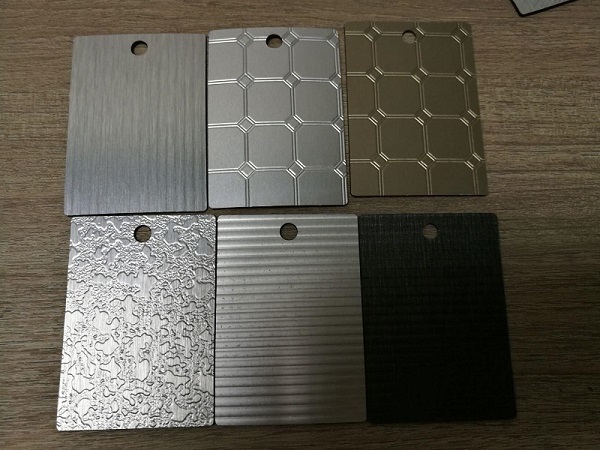
- Anodizing: Parts are immersed in an electrolyte solution and charged with electricity. This creates a thin, colored oxide layer that resists scratches. Used in jewelry and smartphone frames.
- Passivation: Parts are treated with nitric acid to form a protective oxide layer. This enhances corrosion resistance for marine or chemical applications.
- Machining: Some parts require precise cutting or drilling. Titanium is difficult to machine because it is hard and generates heat. Manufacturers use carbide tools and coolants. Zimmer Biomet uses 5-axis CNC machines to mill hip implants with tolerances of ±0.01mm.
What Are the Key Challenges?
High Costs and Supply Risks
Despite its exceptional properties, titanium manufacturing faces significant hurdles.
- High Cost: The Kroll Process uses 50 times more energy than steel production. A single sponge batch takes 7–10 days. Titanium costs 5–10 times more than steel. A 1 kg titanium ingot costs $30–$50, while a 1 kg steel ingot costs $0.50–$1.
- Supply Chain Risks: Over 70% of titanium sponge production is concentrated in China, Russia, and Japan. Geopolitical tensions can disrupt supply. In 2022, Boeing had to find alternative suppliers after sanctions on Russia.
- Scalability: Global titanium production is about 600,000 metric tons per year. Compare that to 1.8 billion metric tons for steel.
What Trends Are Shaping the Industry?
New Methods and Recycling
New Sponge Production Methods: Companies like Metalysis (UK) are developing electrolytic processes that convert TiCl₄ into titanium sponge using electricity. These methods are 30% more energy-efficient than the Kroll Process and can reduce production time to 24 hours. Metalysis plans to open a commercial plant in 2025 with a capacity of 10,000 metric tons per year.
Recycling: Titanium is highly recyclable. Recycled titanium, called “secondary titanium,” costs 40% less than primary titanium. In 2023, about 20% of global titanium production came from recycling, mostly from aerospace scrap. Companies like TiZir Ltd. aim to increase that rate to 30% by 2030.
Conclusion
Titanium manufacturing is a complex, energy-intensive process that transforms raw ore into one of the most valuable metals on earth. It begins with mining ilmenite or rutile, then moves through the Kroll Process to create titanium sponge. The sponge is melted into ingots using Vacuum Arc Remelting, then fabricated into sheets, bars, and tubes through rolling, forging, or extrusion. Finishing steps like anodizing and machining prepare the metal for final use. While high costs and supply chain risks remain challenges, new electrolytic methods and increased recycling are making titanium more accessible and sustainable.
FAQ
How long does it take to manufacture titanium from ore to finished part?
The entire process takes 2–4 weeks. Sponge production takes 7–10 days, ingot casting takes 3–5 days, fabrication takes 5–7 days, and finishing takes 2–3 days. Aerospace parts may take up to 6 weeks due to additional testing.
What is the most expensive step in titanium manufacturing?
Sponge production via the Kroll Process accounts for about 40% of total cost. It requires large amounts of energy, chlorine gas, and molten magnesium.
Can titanium be manufactured without the Kroll Process?
Yes. The Hunter Process uses sodium instead of magnesium to reduce TiCl₄. It produces very pure titanium (99.99%) for scientific or medical applications, but it is more expensive and not suitable for large volumes.
Is titanium manufacturing bad for the environment?
The Kroll Process uses significant energy, mostly from fossil fuels, and produces chlorine byproducts. However, modern plants use scrubbers to reduce emissions. Recycling titanium uses 90% less energy than primary production. Most major manufacturers follow ISO 14001 environmental standards.
What are the most common titanium alloys used in manufacturing?
Ti-6Al-4V (6% aluminum, 4% vanadium) accounts for about 50% of all titanium use. It is strong, lightweight, and corrosion-resistant. Other common alloys include Ti-3Al-2.5V for aircraft hydraulic tubes and Ti-6Al-2Sn-4Zr-2Mo for high-temperature engine parts.
Contact Yigu Technology for Custom Manufacturing
Titanium manufacturing demands precision, specialized equipment, and rigorous quality control. At Yigu Technology, we work with titanium across industries—from aerospace components to medical implants. Our team understands the complexities of titanium fabrication, including alloy selection, machining challenges, and finishing requirements.
We follow strict ISO 9001 and AS9100 standards to ensure every part meets your specifications. Whether you need prototypes or high-volume production, we deliver consistent quality and reliability.
Contact Yigu Technology today to discuss your titanium manufacturing project.