Introduction
You have an idea. A new product. A better component. But before you commit to expensive tooling and mass production, you need to know if it works. You need a prototype. Not a rough approximation, but a functional part that behaves like the final product.
CNC rapid prototyping has transformed how products are developed. What once took weeks or months can now be done in days or hours. Designers and engineers can validate concepts early, test functionality, and iterate quickly—reducing risk and accelerating time to market.
This guide explores the definition, evolution, applications, benefits, and future trends of CNC rapid prototyping. Whether you are in aerospace, medical devices, automotive, or consumer electronics, understanding this technology is essential for staying competitive.
What Is CNC Rapid Prototyping?
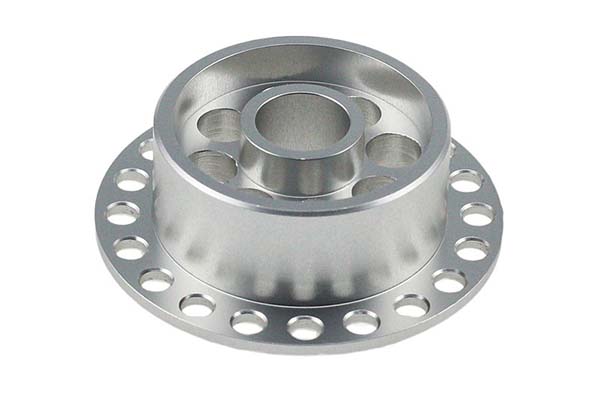
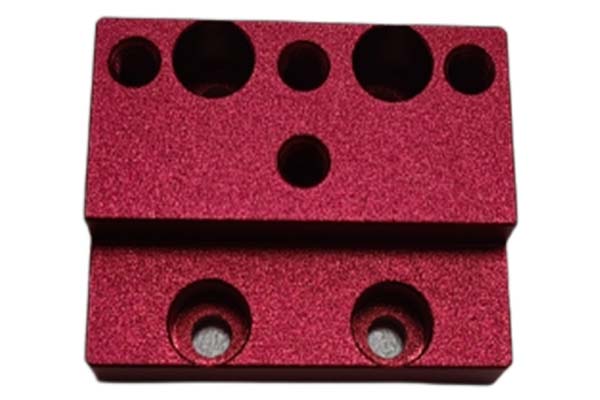
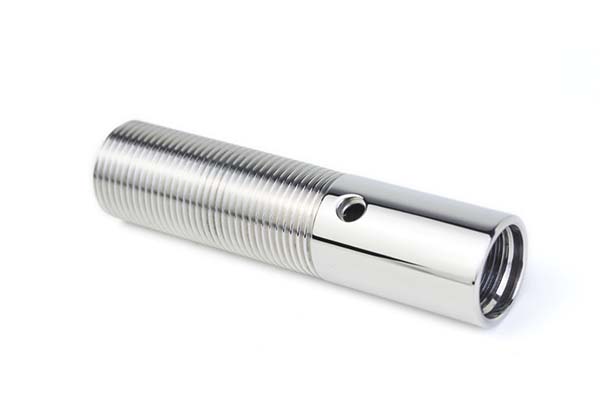
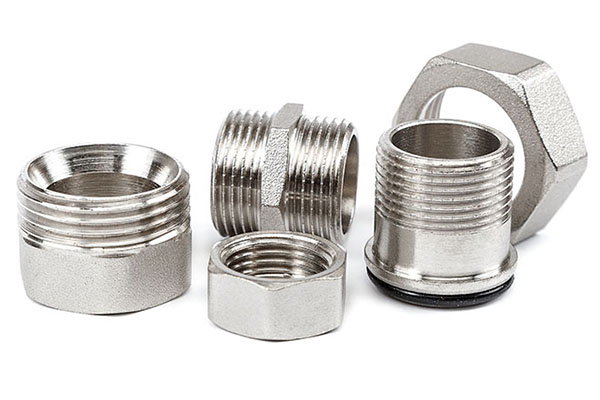
CNC rapid prototyping uses computer-controlled machines to create physical models directly from digital design files. CNC machines cut, carve, or shape materials—plastic, metal, foam—into highly accurate and intricate forms.
The Process Steps
| Step | Description |
|---|---|
| 1. Design | Create 3D model using CAD software (SolidWorks, AutoCAD, Fusion 360) |
| 2. Conversion | Convert model to G-code—machine-readable instructions |
| 3. Material selection | Choose material based on prototype requirements (plastic, metal, foam) |
| 4. Machining | CNC machine executes G-code; subtractive (removing material) or additive (building layer by layer) |
| 5. Finishing | Post-processing: sanding, painting, assembly |
| 6. Testing & iteration | Evaluate prototype; make revisions; repeat as needed |
Subtractive vs. Additive Methods
| Method | Description | Best For |
|---|---|---|
| Subtractive | Removes material from solid block | Functional prototypes with material properties matching final parts |
| Additive | Builds layer by layer (3D printing) | Complex geometries, internal features, rapid concept models |
How Has CNC Rapid Prototyping Evolved?
CNC technology traces its roots to the 1940s, when John T. Parsons developed the first numerical control (NC) machine to produce aircraft parts. But it was not until the 1970s—with more affordable and powerful computers—that CNC technology became widespread.
Key Milestones
| Era | Advancement |
|---|---|
| 1940s | First NC machines; manual programming |
| 1970s | Computers enable more complex, precise, automated operations |
| 1980s–1990s | CAD/CAM integration; seamless transition from digital models to physical parts |
| 2000s–present | Hybrid methods (subtractive + additive); multi-axis machining; rapid turnaround |
Today, CNC rapid prototyping combines the best of both subtractive and additive manufacturing, providing unprecedented flexibility in producing prototypes.
What Are the Applications of CNC Rapid Prototyping?
CNC rapid prototyping serves industries where speed, precision, and iteration are critical.
Product Design and Development
| Application | Benefit |
|---|---|
| Concept validation | Test ideas in real-world conditions |
| Functional testing | Evaluate performance before tooling |
| Design iteration | Identify flaws early; reduce costly changes during production |
Impact: Rapid iteration reduces the risk of expensive modifications during mass production.
Aerospace and Automotive
| Components | Requirements |
|---|---|
| Engine parts | High precision; material properties matching final components |
| Interior panels | Fit, finish, functionality |
| Aerodynamic features | Testing in wind tunnels; validation of performance |
Benefit: Accelerates innovation while ensuring quality and safety compliance.
Medical and Dental Prototyping
| Applications | Precision Requirement |
|---|---|
| Implants | Customized to patient anatomy |
| Surgical guides | Accuracy for precise procedures |
| Orthodontic appliances | Fit and comfort |
Impact: Personalized care; reduced lead times; improved patient outcomes.
What Are the Benefits of CNC Rapid Prototyping?
CNC rapid prototyping delivers advantages that traditional prototyping methods cannot match.
Time Efficiency
| Traditional Prototyping | CNC Rapid Prototyping |
|---|---|
| Weeks to months | Days to hours |
Benefit: Businesses respond swiftly to market demands; products reach market faster.
Cost Reduction
| Factor | How CNC Reduces Cost |
|---|---|
| Material waste | Optimized toolpaths minimize scrap |
| Labor costs | Automated operation reduces manual work |
| Production errors | Early detection prevents costly changes |
| Economies of scale | Multiple prototypes in one run |
Result: Lower total development cost; faster return on investment.
Precision and Accuracy
| Capability | Achievement |
|---|---|
| Tolerances | Micron-level (0.001 mm or better) |
| Consistency | Identical results across multiple prototypes |
| Material properties | Parts behave like final production components |
Why it matters: Industries like aerospace, automotive, and healthcare cannot tolerate deviations—CNC prototyping ensures prototypes match design specifications exactly.
What Challenges and Limitations Exist?
Despite its advantages, CNC rapid prototyping has limitations.
Material Constraints
| Challenge | Impact |
|---|---|
| Material compatibility | Some exotic or specialized materials require alternative processes |
| Machining difficulty | Brittle or very hard materials may be difficult to machine |
Solution: Work with experienced providers who understand material properties and have appropriate equipment.
Complexity of Designs
| Challenge | Example | Solution |
|---|---|---|
| Deep overhangs | Features with extreme angles | Specialized tooling; multi-axis machines |
| Thin walls | Delicate features | Careful parameter selection; additive methods |
| Internal features | Cavities inaccessible to cutting tools | Hybrid approach (additive + subtractive) |
Environmental Impact
| Concern | Details |
|---|---|
| Material waste | Subtractive methods generate chips and dust |
| Energy consumption | CNC machines require significant power |
Mitigation: Sustainable practices—material recycling, energy-efficient machines, hybrid methods that reduce waste.
What Future Trends Will Shape CNC Rapid Prototyping?
Integration with AI and Machine Learning
| Application | Benefit |
|---|---|
| Toolpath optimization | More efficient cutting; shorter cycle times |
| Predictive maintenance | Reduced downtime |
| Real-time error detection | Higher quality; fewer rejects |
Impact: More efficient operations; higher-quality prototypes.
Advancements in Additive Manufacturing
| Development | Capability |
|---|---|
| Hybrid solutions | Combine subtractive and additive in one machine |
| Lightweight components | Embedded sensors; lattice structures |
| Complex internal features | Impossible with subtractive alone |
Impact: New design possibilities; improved performance characteristics.
Sustainability in Manufacturing
| Initiative | Goal |
|---|---|
| Sustainable materials | Recycled, bio-based, or renewable materials |
| Eco-friendly practices | Reduced waste; energy efficiency |
| Green manufacturing | Minimize environmental impact without compromising productivity |
Remote Collaboration and Cloud Computing
| Capability | Benefit |
|---|---|
| Cloud-based platforms | Real-time data sharing |
| Remote collaboration | Teams work across geographic locations |
| Accelerated timelines | Faster response to market demands |
Conclusion
CNC rapid prototyping is a pivotal technology in modern manufacturing. It offers:
- Speed: Prototypes in days or hours instead of weeks
- Precision: Micron-level tolerances; consistent results
- Flexibility: Wide range of materials; subtractive and additive methods
- Cost-effectiveness: Reduced waste; fewer errors; faster time to market
From aerospace components to medical implants, CNC rapid prototyping empowers designers, engineers, and manufacturers to develop and test innovative products quickly. As AI, hybrid manufacturing, and sustainability initiatives advance, CNC rapid prototyping will remain at the forefront—driving efficiency, cost-effectiveness, and innovation in production.
FAQs
What is the difference between CNC rapid prototyping and 3D printing?
CNC rapid prototyping encompasses both subtractive (cutting) and additive (building) methods. 3D printing refers specifically to additive manufacturing—building parts layer by layer. CNC machining often produces parts with better material properties (since they are cut from solid stock), while 3D printing excels at complex internal geometries.
How long does CNC rapid prototyping take?
Lead times vary by part complexity and material. Simple prototypes can be produced in hours. Complex parts typically take 2–5 days. This compares favorably to traditional prototyping methods that often require weeks or months.
What materials can be used for CNC rapid prototyping?
CNC machines work with a wide range of materials: metals (aluminum, steel, titanium, brass), plastics (ABS, polycarbonate, PEEK, acetal), and foam. The choice depends on the prototype’s functional requirements—material properties should match those of the final production part.
Is CNC rapid prototyping cost-effective for small batches?
Yes. CNC rapid prototyping is cost-effective for both single prototypes and small batches. Setup time is minimal compared to traditional tooling, and automated operation reduces labor costs. For complex parts, CNC often produces functional prototypes faster and at lower cost than other methods.
What industries benefit most from CNC rapid prototyping?
Aerospace, automotive, medical devices, consumer electronics, and product design benefit most. These industries require functional prototypes with material properties matching final parts, tight tolerances, and rapid iteration cycles.
Contact Yigu Technology for Custom Manufacturing
At Yigu Technology, we specialize in CNC rapid prototyping for aerospace, medical, automotive, and industrial applications. With 15 years of experience, advanced 5-axis machining and CNC turning capabilities, and ISO 9001 certification, we deliver functional prototypes that behave like production parts.
Our process—from CAD design to G-code programming to machining and finishing—ensures rapid turnaround without compromising quality. Contact us today to discuss your prototyping project.