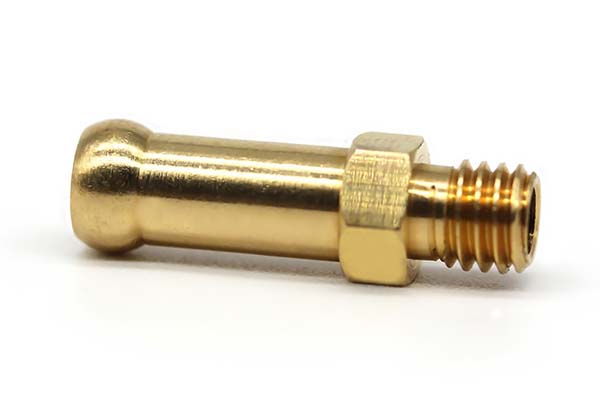
Introduction
Screws, bolts, and threaded fasteners are everywhere. They hold together aircraft engines, secure automotive transmissions, anchor medical implants, and assemble the devices you use every day. Behind every reliable threaded component is a manufacturing process designed specifically for precision: screw machining.
Unlike general machining, screw machining is a specialized technique focused on producing high-precision threaded components with tight tolerances and complex geometries. It combines advanced machine tools, specialized cutting techniques, and rigorous quality control to deliver fasteners that perform reliably under demanding conditions.
This guide explains the basics of screw machining—how it works, what machines and tools are used, and why it matters across industries. By the end, you will understand why this specialized process is essential for creating the threaded components that modern engineering depends on.
What Is Screw Machining?
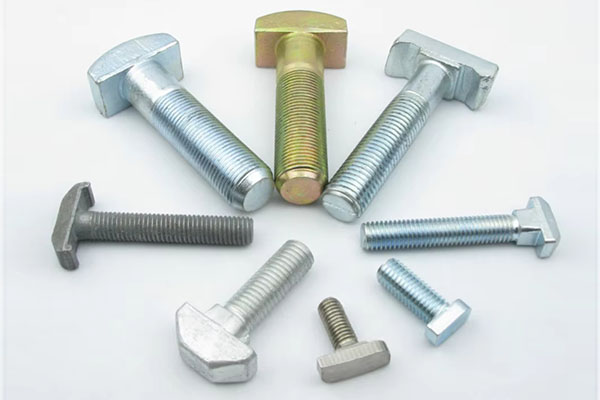
Screw machining is a manufacturing process dedicated to producing precision screws, bolts, and other threaded components. It involves removing material from a workpiece to create the desired thread profile, diameter, length, and any additional features like grooves or heads.
How It Differs from General Machining
While general machining covers a broad range of operations, screw machining is specialized for:
- Threaded features: Internal and external threads with precise pitch and profile
- High-volume production: Optimized for efficiency in large quantities
- Tight tolerances: Often ±0.005 mm or better for critical dimensions
- Multiple operations: Turning, threading, grooving, and parting in one setup
Why It Matters
Threaded components are fundamental to mechanical assemblies. A screw that fails—due to inaccurate thread pitch, poor material, or dimensional errors—can compromise entire systems. In aerospace, a failed fastener can ground an aircraft. In medical devices, it can endanger a patient. Screw machining ensures these components meet exact specifications, providing reliable connections and reducing failure risk.
What Machines Are Used in Screw Machining?
Screw machining relies on specialized equipment designed for precision and efficiency.
Lathes and Screw Machines
| Machine Type | Characteristics | Best For |
|---|---|---|
| Manual lathe | Operator-controlled, lower cost | Small batches, custom designs, prototyping |
| CNC lathe | Computer-controlled, high precision | Medium volumes, complex geometries |
| CNC screw machine | Multi-axis, automated, high speed | High-volume production, complex parts |
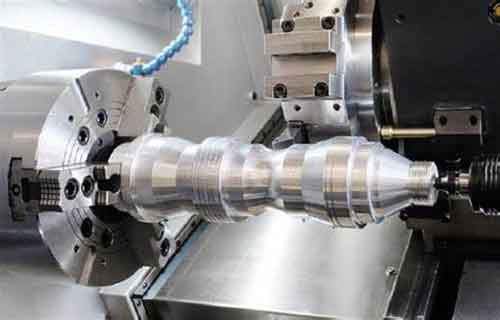
CNC screw machines are the workhorses of modern screw machining. These machines are equipped with multiple tool stations, allowing several operations to be performed simultaneously or in rapid sequence. A single setup can include:
- Turning the outer diameter
- Threading (internal or external)
- Grooving
- Drilling
- Tapping
- Parting (cutting to length)
Key Machine Components
- Spindle: Holds and rotates the workpiece at high speeds
- Tool turret: Carries multiple cutting tools for different operations
- Bar feeder: Automatically loads raw material for continuous production
- Coolant system: Manages heat and lubricates cutting
What Tools Are Used for Thread Cutting?
Cutting tools and dies are the heart of screw machining, responsible for creating precise threads.
Taps and Dies
| Tool | Function | Application |
|---|---|---|
| Tap | Cuts internal threads | Holes for screws, nuts, threaded inserts |
| Die | Cuts external threads | Screws, bolts, threaded rods |
Taps are threaded cutting tools used to create internal threads. They are inserted into a drilled hole and rotated, cutting thread flutes into the workpiece material. Different tap designs exist for blind holes, through holes, and various materials.
Dies are used for external threads. The workpiece rotates while the die is fed onto it, cutting threads along the outer diameter. Dies can be solid (for precise single-thread profiles) or adjustable (for flexibility across thread sizes).
Single-Point Threading Tools
For larger or custom threads, single-point threading tools are used on CNC lathes. These tools cut threads progressively, pass by pass, offering flexibility for non-standard thread profiles or materials that are difficult to tap or die.
Tool Materials
| Material | Properties | Best For |
|---|---|---|
| High-Speed Steel (HSS) | Tough, good wear resistance | General purpose, lower volumes |
| Carbide | Harder, longer tool life | High-volume, hard materials |
| Coated tools | Reduced friction, heat resistance | Stainless steel, titanium, superalloys |
What Are the Steps in Screw Machining?
Screw machining follows a systematic sequence from raw material to finished component.
Material Preparation
The process begins with selecting the appropriate material based on application requirements:
| Material | Properties | Typical Applications |
|---|---|---|
| Stainless steel | Corrosion-resistant, high strength | Aerospace, medical, marine |
| Aluminum | Lightweight, good machinability | Automotive, electronics |
| Brass | Corrosion-resistant, conductive | Plumbing, electrical connectors |
| Carbon steel | Strong, cost-effective | General fasteners, automotive |
| Plastics (nylon, PEEK) | Lightweight, insulating | Medical, electronics |
Raw material is typically supplied as bar stock—long rods of consistent diameter. The bar feeder automatically advances material into the machine as each part is completed.
Machining Operations
Once loaded, the screw machine performs a sequence of operations:
- Turning: Shapes the outer diameter to specified dimensions
- Drilling: Creates holes for internal threads or other features
- Threading: Cuts internal or external threads using taps, dies, or single-point tools
- Grooving: Adds features like retaining ring grooves or oil channels
- Parting: Cuts the finished component from the bar stock
CNC screw machines can perform these operations in rapid succession, with multiple tools engaging simultaneously or in coordinated sequences. A complex screw may be completed in seconds.
Finishing and Inspection
After machining, components undergo finishing processes:
- Deburring: Removing sharp edges and burrs
- Polishing: Improving surface finish
- Coating: Applying protective finishes (zinc plating, anodizing, passivation)
Inspection ensures components meet specifications:
| Inspection Method | What It Verifies |
|---|---|
| Micrometers | Outer diameter |
| Calipers | Length, features |
| Thread gauges | Thread pitch, fit (go/no-go) |
| Optical comparators | Thread profile, complex geometries |
| CMM | Complete dimensional verification |
What Are the Benefits of Screw Machining?
Screw machining offers distinct advantages for producing threaded components.
Precision and Accuracy
Modern CNC screw machines achieve tolerances as tight as ±0.005 mm for critical dimensions. Thread pitch accuracy is maintained within fractions of a millimeter across thousands of parts. This precision ensures:
- Proper fit and function in assemblies
- Consistent torque and clamping force
- Reduced risk of thread stripping or loosening
Versatility in Materials and Designs
Screw machining works with a wide range of materials, from soft plastics to hard superalloys. It also accommodates various screw designs:
- Machine screws: Standard thread forms
- Self-tapping screws: Designed to cut their own threads
- Set screws: Headless, for flush applications
- Custom designs: Special head shapes, thread profiles, or features
Cost-Effective Production
While screw machining requires specialized equipment, it offers significant cost advantages for high-volume production:
| Factor | Impact |
|---|---|
| Automated bar feeding | Continuous operation, minimal downtime |
| Multi-tool setups | Multiple operations in one cycle |
| Reduced secondary operations | Parts often finished in one setup |
| Consistency | Fewer rejects, less rework |
For volumes in the thousands or millions, per-unit costs are substantially lower than general machining.
Where Is Screw Machining Used?
Screw machining serves industries where threaded components must meet rigorous standards.
Aerospace Industry
Aerospace fasteners must withstand extreme temperatures, vibration, and stress. Screw machining produces:
- Engine bolts: High-strength, heat-resistant
- Structural fasteners: Aircraft frame assembly
- Avionics hardware: Precision threaded components for electronics
Requirements: AS9100 certification, full material traceability, tight tolerances.
Automotive Industry
Modern vehicles contain thousands of threaded fasteners. Screw machining produces:
- Engine bolts: Cylinder head, main bearing caps
- Suspension components: Ball joints, control arm fasteners
- Transmission hardware: Internal and external threads
Requirements: High-volume consistency, corrosion resistance, fatigue strength.
Medical Industry
Medical screws and fasteners must be biocompatible, precise, and reliable:
- Orthopedic screws: Bone fixation, spinal implants
- Surgical instruments: Threaded handles, locking mechanisms
- Dental implants: Precision threaded posts
Requirements: ISO 13485 certification, biocompatible materials, surface finishes that promote osseointegration.
Other Industries
| Industry | Applications |
|---|---|
| Electronics | Miniature screws, connectors, housings |
| Plumbing | Brass fittings, valve components |
| General manufacturing | Standard fasteners, custom hardware |
Conclusion
Screw machining is a specialized manufacturing process designed for one purpose: producing precision threaded components with accuracy, efficiency, and consistency. Using CNC screw machines, taps and dies, and automated bar feeding, it transforms raw material into finished screws, bolts, and fasteners in seconds.
The process delivers tight tolerances, versatile material compatibility, and cost-effective high-volume production. It serves industries where threaded components must perform reliably under demanding conditions—aerospace, automotive, medical, and beyond.
From the engine in your car to the implant in a patient's spine, screw machining creates the precision fasteners that hold modern engineering together. Understanding this process helps you appreciate the complexity behind simple screws—and make informed choices when sourcing them.
FAQs
What materials can be used in screw machining?
Screw machining works with a wide range of materials, including metals (stainless steel, aluminum, brass, carbon steel, titanium), plastics (nylon, PEEK, acetal), and some composites. Material selection depends on application requirements for strength, corrosion resistance, weight, and biocompatibility.
How does CNC technology enhance screw machining?
CNC (Computer Numerical Control) screw machines provide high precision, repeatability, and efficiency. They perform multiple operations—turning, threading, drilling, grooving, parting—in a single setup, reducing cycle times. CNC control ensures consistent tolerances across thousands of parts, with tight thread pitch accuracy and diameter control.
What is the difference between a tap and a die?
A tap cuts internal threads (inside a hole) and is used for nuts, threaded holes, and inserts. A die cuts external threads (on the outside of a cylinder) and is used for screws, bolts, and threaded rods. Both can be used on CNC screw machines or manual equipment.
What industries rely on screw machining?
Aerospace, automotive, medical, electronics, plumbing, and general manufacturing all rely on screw machining for precision threaded components. Aerospace requires high-strength, heat-resistant fasteners. Medical demands biocompatible, precise screws for implants and instruments. Automotive needs high-volume consistency for engine and chassis hardware.
How does screw machining achieve high production volumes?
CNC screw machines use bar feeders to continuously advance raw material, multi-tool setups to perform multiple operations simultaneously, and automated part collection to handle finished components. These features allow unattended operation for extended periods, producing thousands of parts per shift with minimal operator intervention.
Contact Yigu Technology for Custom Manufacturing
At Yigu Technology, we specialize in precision screw machining for industries that demand reliability. With 15 years of experience, advanced CNC screw machines, and ISO 9001 certification, we deliver threaded components that meet your exact specifications.
Our capabilities include turning, threading, drilling, grooving, and parting—all in a single setup. We work with stainless steel, aluminum, brass, titanium, and engineered plastics to create custom fasteners for aerospace, medical, automotive, and industrial applications. Contact us today to discuss your project and discover how our screw machining expertise can bring your designs to life.