Introduction
You have a design. You need to see it in three dimensions. You need to test how light passes through it. You need to evaluate how it feels, how it fits, and how it looks. For many product developers, acrylic prototypes are the answer. Acrylic—polymethyl methacrylate (PMMA)—offers a unique combination of optical clarity, strength, and machinability. It is the material of choice when transparency matters, when aesthetics count, and when you need a prototype that looks like the final product. At Yigu Technology, we create acrylic prototypes daily for clients in electronics, automotive, medical, and consumer goods. This article covers what acrylic prototypes are, why they matter, and how to create them effectively.
What Is an Acrylic Prototype?
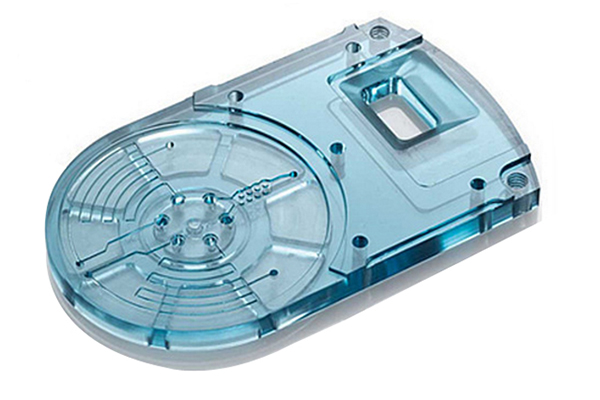
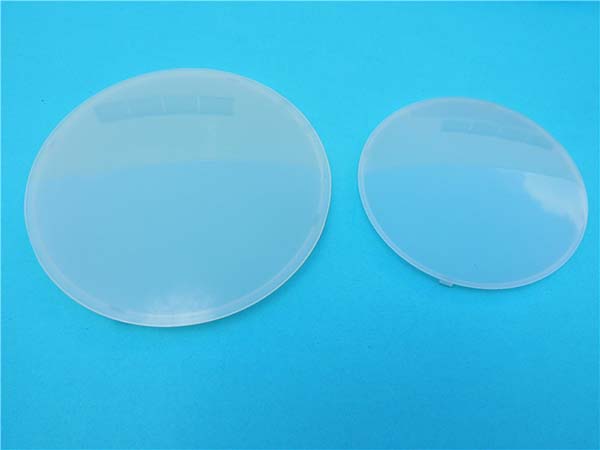
An acrylic prototype is a physical model made from acrylic material—a transparent thermoplastic known for optical clarity, strength, and weather resistance.
Acrylic (PMMA) is often used as a lightweight, shatter-resistant alternative to glass. In prototyping, it serves multiple purposes:
- Visualization: See the product in 3D with realistic transparency
- Function testing: Test fit, assembly, and basic mechanical function
- Aesthetic evaluation: Assess surface finish, color, and light transmission
- User testing: Evaluate ergonomics and usability with realistic materials
A smartphone case prototype made from acrylic accurately represents shape, size, and curvature—allowing stakeholders to assess aesthetics and ergonomics before production.
How Does Acrylic Compare to Other Materials?
Choosing the right prototype material depends on what you need to learn.
| Material | Cost | Strength | Transparency | Machinability | Best For |
|---|---|---|---|---|---|
| Acrylic | Moderate | High for weight | Excellent (92% light transmission) | Good—cuts, drills, polishes | Transparent prototypes, display models, lenses |
| ABS | Low–Moderate | Moderate | Translucent to opaque | Fair—may have surface roughness | Functional parts, housings |
| Polycarbonate | Moderate–High | Very high | Excellent | Good—similar to acrylic | Impact-resistant parts, safety shields |
| Wood | Low–Moderate | Varies | Opaque | Good for basic shaping | Form studies, early concepts |
| Metal | High | Very high | Opaque | Requires specialized tools | Functional testing, production-like parts |
Acrylic stands out for its combination of optical clarity and good mechanical properties. It transmits up to 92% of light—more than glass in some applications—while offering impact resistance significantly higher than glass.
Where Are Acrylic Prototypes Used?
Electronics Industry
Acrylic is widely used in electronics prototyping for its transparency and machinability.
Device casings: Transparent acrylic cases allow engineers to see internal components during testing. A smartphone manufacturer uses acrylic prototypes to verify that all ports, buttons, and camera cutouts align correctly—without disassembling the device.
Display protectors: Acrylic's scratch resistance and optical clarity make it suitable for screen protectors. Some high-end protectors block UV rays while maintaining high-definition visual experience.
Light guides and diffusers: Acrylic's optical properties make it ideal for prototyping light guides, backlights, and display diffusers in consumer electronics.
Automotive Industry
Automotive designers use acrylic prototypes to evaluate interior and exterior components.
Interior mock-ups: Dashboards, center consoles, and door panels are prototyped in acrylic to test ergonomics—reachability of controls, visibility of displays, and comfort of interaction.
Headlight and taillight lenses: Acrylic can be molded into complex shapes with high light transmission. A well-designed acrylic lens prototype allows engineers to test beam patterns and optical performance before committing to production tooling.
Gauge clusters: Transparent acrylic prototypes help designers evaluate readability under different lighting conditions.
Medical Field
Acrylic's transparency and biocompatibility make it valuable for medical device prototyping.
Surgical instrument models: Acrylic prototypes allow surgeons and designers to test functionality and ergonomics before mass production. The transparency helps visualize internal mechanisms during testing.
Prosthetics design: Lightweight acrylic prototypes allow adjustment of shape, size, and fit to match patient needs. The material's strength provides durability for daily use while reducing patient burden.
Medical imaging aids: Acrylic's transparency can be combined with imaging techniques to visualize internal structures—useful for training models and surgical planning.
Consumer Goods
Acrylic prototypes help consumer goods companies evaluate aesthetics and user experience.
Display stands and fixtures: Transparent acrylic allows product displays to appear clean and modern. Prototypes help retailers assess visual impact before production.
Kitchenware: Acrylic prototypes of containers, dispensers, and utensils allow testing of ergonomics and functionality.
Furniture: Acrylic chair shells, tabletops, and decorative elements are prototyped to evaluate form and light interaction.
How Are Acrylic Prototypes Created?
Design Phase
The process begins with precise CAD modeling. Software like SolidWorks or AutoCAD creates detailed 2D and 3D models.
Key considerations:
- Wall thickness: Acrylic requires uniform thickness to prevent stress and distortion
- Draft angles: For parts that will be molded, add draft to facilitate release
- Clearances: Account for material thickness in assemblies
- Stress points: Identify areas that may crack under load
Simulations can identify potential flaws—stress concentrations, fit issues, or assembly problems—before manufacturing begins.
Material Selection
Different acrylic formulations serve different applications.
| Acrylic Type | Properties | Applications |
|---|---|---|
| General-purpose | 92% light transmission, easy to machine | Display cases, signage, simple prototypes |
| Impact-resistant | Enhanced toughness, additives for durability | Automotive interiors, industrial equipment covers |
| UV-stabilized | Resists UV degradation | Outdoor signage, solar device lenses, outdoor displays |
| Optical grade | Extremely clear, minimal distortion | Lenses, light guides, high-precision optical components |
A startup developing an outdoor digital display chose UV-stabilized acrylic for their prototype. The material maintained clarity after 1,000 hours of simulated sunlight exposure—validating the design for outdoor use.
Manufacturing Processes
Several methods produce acrylic prototypes. Each offers different trade-offs.
| Process | How It Works | Precision | Best For | Lead Time |
|---|---|---|---|---|
| CNC machining | Computer-controlled cutting, drilling, milling | ±0.05 mm | Complex shapes, accurate dimensions, tight tolerances | 5–7 days |
| Laser cutting | High-power laser cuts flat sheets | ±0.1 mm | Intricate flat shapes, patterns, cutouts | 1–3 days |
| 3D printing (FDM) | Extrudes acrylic filament layer by layer | ±0.2–0.5 mm | Complex geometries, rapid iteration | 2–4 days |
| 3D printing (SLA) | Laser-cures liquid acrylic resin | ±0.05–0.1 mm | High detail, smooth surfaces | 3–6 days |
CNC machining example: A custom electronic device housing required precise cutouts for buttons, ports, and a display. CNC machining created the prototype with ±0.05 mm accuracy, ensuring all components fit correctly.
Laser cutting example: A jewelry designer used laser cutting to create an acrylic pendant with intricate patterns. The laser cut smooth edges that required minimal polishing.
3D printing example: A medical device startup used SLA to print a complex-shaped surgical instrument prototype. The smooth surface and precise geometry allowed functional testing within days.
What Are the Post-Processing Options?
Acrylic prototypes often require finishing to achieve the desired appearance.
| Process | Purpose | Result |
|---|---|---|
| Polishing | Remove tool marks, restore clarity | Clear, glass-like finish |
| Sanding | Smooth rough surfaces | Matte finish, preparation for painting |
| Painting | Add custom colors | Colored prototypes, branded appearance |
| Bonding | Assemble multiple parts | Complete assemblies, structural joints |
| Edge finishing | Smooth cut edges | Professional appearance, safety |
A consumer electronics company requested clear acrylic prototypes with polished edges for a presentation to investors. The polished finish made the prototypes indistinguishable from production parts.
What Are the Advantages of Acrylic Prototypes?
Optical Clarity
Acrylic transmits up to 92% of visible light—better than standard glass (80–90%). This clarity allows:
- Visual inspection of internal components
- Aesthetic evaluation of transparent products
- Light transmission testing for optical applications
Machinability
Acrylic cuts, drills, and polishes easily. CNC machining achieves ±0.05 mm accuracy. Laser cutting produces clean edges with minimal finishing.
Strength-to-Weight Ratio
Acrylic weighs approximately half as much as glass while offering significantly higher impact resistance. It is also stronger than many common plastics for its weight.
Weather Resistance
UV-stabilized acrylic resists yellowing and degradation from sunlight. Outdoor prototypes maintain clarity and strength for years.
Cost-Effectiveness
Acrylic is less expensive than polycarbonate and significantly cheaper than metal. For prototypes, it offers an excellent balance of cost and performance.
What Are the Limitations?
| Limitation | Impact | Mitigation |
|---|---|---|
| Brittleness | Can crack under impact | Use impact-resistant grades for stress-prone parts |
| Scratching | Surface scratches affect clarity | Handle carefully; apply protective coatings |
| Chemical sensitivity | Some solvents cause crazing | Use appropriate cleaning agents; test compatibility |
| Heat sensitivity | Deforms at 80–100°C | Not suitable for high-temperature applications |
A manufacturer developing a kitchen appliance tested acrylic prototypes under heat exposure. The material softened at 85°C—below the intended operating temperature. They switched to polycarbonate for functional testing of heat-affected components.
Can I Request Custom Colors?
Yes. Acrylic prototypes can be produced in custom colors.
Options:
- Colored acrylic sheets: Available in standard colors (clear, black, white, red, blue, etc.)
- Custom pigments: Added during material manufacturing for consistent color throughout
- Surface coating: Paint applied after fabrication for custom colors or branding
When using surface coatings, ensure adhesion to acrylic. Improperly applied paint may peel or discolor over time.
Yigu Technology's Perspective
As a custom manufacturer of plastic and metal products, Yigu Technology uses acrylic prototypes extensively. We see their value daily.
What we have learned:
- Match acrylic type to application: General-purpose for display prototypes. Impact-resistant for products subject to stress. UV-stabilized for outdoor use.
- Plan for finishing: Acrylic prototypes often require polishing or edge finishing to achieve the desired appearance. Factor this into timelines.
- Consider manufacturing method: CNC machining for precision and complex shapes. Laser cutting for flat parts and patterns. 3D printing for rapid iteration and complex geometries.
- Test early, test often: Acrylic's transparency reveals fit and assembly issues that opaque prototypes hide. Use this to your advantage.
We encourage clients to consider acrylic when transparency matters—when they need to see inside the product, evaluate light transmission, or create a prototype that looks like the final product.
Conclusion
Acrylic prototypes offer a unique combination of optical clarity, machinability, and strength. They are the material of choice when transparency matters—for electronics casings that reveal internal components, automotive lenses that must transmit light efficiently, medical devices that require visualization, and consumer goods where aesthetics count.
Acrylic is not always the right choice. For high-impact applications, polycarbonate offers greater toughness. For high-temperature applications, acrylic may deform. But when clarity, machinability, and cost-effectiveness align with your requirements, acrylic prototypes deliver exceptional value.
Whether you are developing a smartphone case, a surgical instrument, or an automotive display, understanding acrylic's properties and processing options helps you make the right choice for your prototype.
Frequently Asked Questions
What is the typical turnaround time for creating an acrylic prototype?
Turnaround varies by complexity and method. Laser-cut flat parts can be ready in 1–3 days. CNC-machined prototypes typically take 5–7 days. 3D printed prototypes take 2–6 days depending on technology and complexity. Rush orders are possible but may incur additional costs.
Can I request custom colors for my acrylic prototype?
Yes. Colored acrylic sheets are available in standard colors. For non-standard colors, custom pigments can be added during manufacturing for consistent color throughout. Surface coatings can also be applied after fabrication for custom colors or branding.
How does acrylic compare to polycarbonate for prototypes?
Acrylic offers better optical clarity (92% light transmission vs. 88–90% for polycarbonate) and is easier to machine. Polycarbonate offers higher impact resistance (30–50x stronger than acrylic) and better heat resistance. Choose acrylic when clarity matters most; choose polycarbonate when impact or heat resistance is critical.
What post-processing is required for acrylic prototypes?
Post-processing may include polishing (to restore clarity), sanding (to smooth surfaces), edge finishing (to remove sharp edges), and bonding (to assemble multiple parts). The extent depends on the manufacturing method and desired finish.
Can acrylic prototypes be used for functional testing?
Yes, for appropriate functions. Acrylic is suitable for testing fit, assembly, ergonomics, and light transmission. For mechanical testing under load, impact-resistant acrylic may be used. For high-temperature or high-impact applications, consider polycarbonate or metal prototypes.
Contact Yigu Technology for Custom Manufacturing
At Yigu Technology, we specialize in acrylic prototyping and custom manufacturing. Our capabilities include CNC machining, laser cutting, and 3D printing for acrylic and other materials. We serve electronics, automotive, medical, and consumer goods industries.
If your project requires transparent prototypes, custom acrylic components, or design validation with optical clarity, contact our engineering team. Let us help you choose the right acrylic type and manufacturing method for your application.