Introduction
In the medical industry, innovation is key to improving patient care. Medical device rapid prototyping enables the quick production of physical models based on digital designs—allowing manufacturers to test and refine designs before full-scale production. This critical step reduces time-to-market, ensures safety, and improves functionality. A Medical Design & Outsourcing study found that companies using rapid prototyping cut product development time by up to 50% . This guide explores the process, technologies, materials, and regulatory considerations essential for successful medical device prototyping.
What Is Medical Device Rapid Prototyping?
Medical device rapid prototyping is the quick production of physical models of medical devices based on digital designs. It enables testing of functionality, ergonomics, and safety before mass production—reducing risk and accelerating development.
The process typically involves:
- Creating a 3D digital model using CAD software
- Using rapid prototyping technologies (3D printing, CNC machining, stereolithography) to build physical prototypes
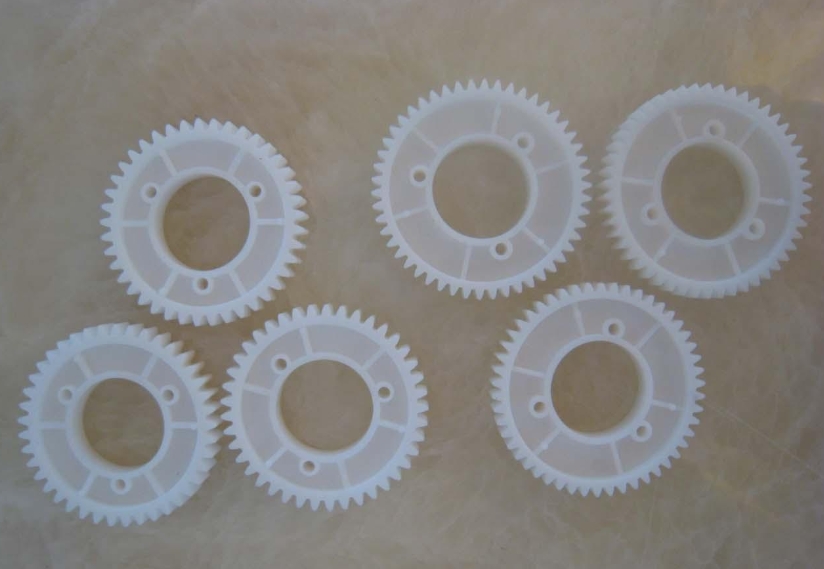
3D printing (additive manufacturing) creates complex geometries with high precision—useful for custom-fit orthopedic implants. CNC machining (subtractive manufacturing) creates high-tolerance mechanical components—surgical power tools.
What Is the Process of Medical Device Rapid Prototyping?
Step 1: Design Phase
Concept Generation: Brainstorming new medical device ideas. For a new insulin pump, factors considered: ease of use for patients, accuracy of insulin delivery, size. Existing products researched; areas for improvement identified.
CAD Modeling: Designers use CAD software to create 3D digital models—precise control over dimensions, shapes, internal structures. Design News found that 95% of product development teams use CAD software in medical device development. The digital model serves as the foundation for all subsequent steps.
Step 2: Material Selection
Biocompatibility: Top priority. Materials must meet ISO 10993 standards. Common materials: medical-grade silicone (flexible, biocompatible—catheters), titanium (high strength-to-weight, corrosion resistance—orthopedic implants), medical-grade plastics (polycarbonate, ABS—housings, internal components).
Mechanical Properties: Materials must have appropriate properties for device function. Surgical instruments require high strength and durability—stainless steel alloys.
Step 3: Prototyping Method Selection
3D Printing (Additive Manufacturing) :
| Technology | Process | Best For |
|---|---|---|
| FDM | Heats thermoplastic filament (ABS, PLA), extrudes layer by layer | Cost-effective, simple geometries |
| SLA | Laser cures liquid photopolymer resin layer by layer | High-precision, complex shapes—custom dental implants |
| SLS | Laser sinters powdered materials (nylon, metal) | Functional prototypes, high strength and durability—orthopedic implants |
| DLP | Digital micromirror device projects light patterns to cure resin | High-resolution printing—anatomical models for surgical planning |
CNC Machining (Subtractive Manufacturing) : Computer-controlled cutting tools carve away material from solid blocks. Suitable for high-tolerance mechanical components—internal mechanisms of surgical drills.
Other Technologies:
- Vacuum casting: Creates small-batch prototypes from silicone molds. Master pattern made; silicone mold poured; liquid resin cast under vacuum. Useful for smooth surfaces, accurate replication—medical monitoring device casings.
What Technologies Are Commonly Used?
3D Printing Technologies
FDM (Fused Deposition Modeling): Affordable, accessible. Thermoplastic filament heated and extruded layer by layer. Suitable for simple geometries, early concept models.
SLA (Stereolithography): High precision, smooth surfaces. Laser cures liquid resin layer by layer. Ideal for complex shapes, custom dental implants, surgical guides.
SLS (Selective Laser Sintering): Laser sinters powdered materials (nylon, metal). Functional prototypes with high strength and durability. Orthopedic implant prototypes tested for mechanical properties.
DLP (Digital Light Processing): Similar to SLA but uses digital micromirror device to project light patterns. High-resolution printing—anatomical models for surgical planning.
Other Technologies
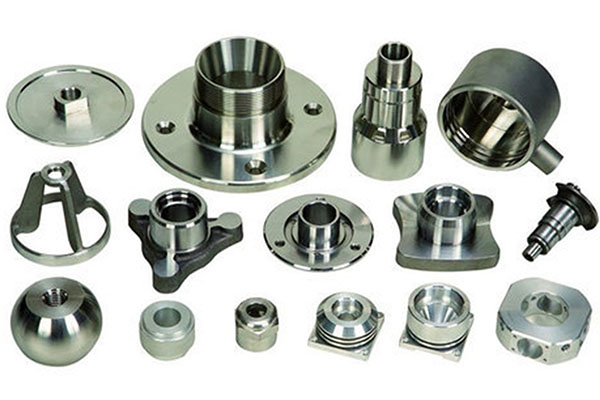
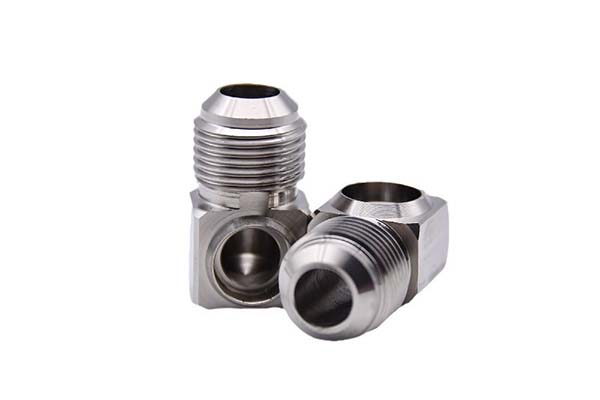
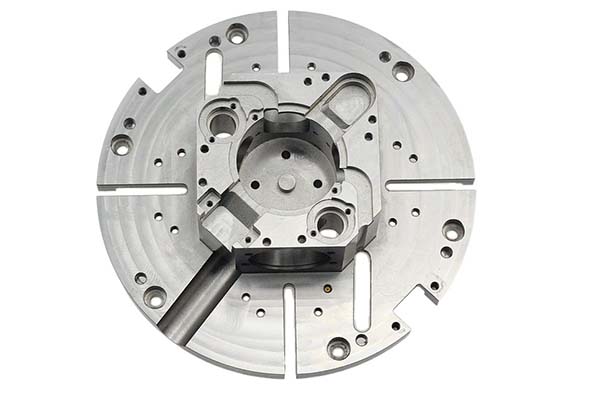
CNC Machining: Subtractive manufacturing. High-tolerance mechanical components—surgical drill internal mechanisms. Suitable for metals (stainless steel, titanium) and engineering plastics.
Vacuum Casting: Small-batch prototypes. Smooth surfaces, accurate replication—medical monitoring device casings. Silicone molds from master patterns; liquid resin cast under vacuum.
What Are the Common Materials?
| Material | Properties | Applications |
|---|---|---|
| Medical-grade silicone | Biocompatible, flexible, resistant to degradation | Catheters, soft-touch components |
| Titanium | High strength-to-weight, biocompatible, corrosion resistant | Orthopedic implants, surgical instruments |
| Stainless steel | High strength, durability | Surgical tools, mechanical components |
| Polycarbonate (PC) | High impact resistance, transparency | Device housings, viewing windows |
| ABS | Good mechanical properties, easy to process | Enclosures, internal components |
| PEEK | High strength, chemical resistance, biocompatible | Spinal implants, high-performance components |
How Do Regulatory Requirements Affect Prototyping?
Regulatory requirements significantly impact medical device prototyping.
Material Selection
Only biocompatible materials meeting strict standards—ISO 10993—can be used. This limits the pool of available materials. Materials must be tested for cytotoxicity, sensitization, irritation, and other biological effects.
Documentation
Every step—design changes, material testing—must be documented for regulatory review. In the EU, Medical Device Regulation (MDR) requires comprehensive documentation of the development process. In the US, FDA 21 CFR Part 820 (Quality System Regulation) mandates design controls.
Validation
Prototypes used for final validation must be made from production-representative materials and processes. Testing data from prototypes supports regulatory submissions.
How Long Does the Medical Device Rapid Prototyping Process Take?
| Phase | Timeline |
|---|---|
| Design Phase (concept generation, CAD modeling) | Simple device: 1–2 weeks; complex: 4–6 weeks or more |
| Material Selection | Few days |
| Prototyping (3D printing) | Small, simple: hours; larger, intricate: 2–3 days |
| Prototyping (CNC machining) | 3–5 days depending on complexity |
| Total | Simple device: ~2 weeks; complex, high-precision: 8 weeks or more |
How Does Yigu Technology Support Medical Device Rapid Prototyping?
As a non-standard plastic and metal products custom supplier, Yigu Technology understands the critical importance of medical device rapid prototyping.
We Provide High-Quality Materials
Our diverse range of biocompatible plastics and high-performance metals—medical-grade silicone, titanium, stainless steel, PEEK, ABS, polycarbonate—ensures prototypes meet strict safety and functionality requirements.
We Offer Precision Manufacturing
Advanced manufacturing techniques—3D printing (FDM, SLA, SLS), CNC machining, vacuum casting—enable turning complex designs into tangible prototypes.
We Support Customization
We work closely with medical device developers to understand unique design needs—complex-shaped surgical instruments, custom-fit implants—accelerating development cycles and helping clients bring innovative products to market faster.
Conclusion
Medical device rapid prototyping is essential for developing safe, effective, and innovative medical products. The process—design phase (concept generation, CAD modeling), material selection (biocompatible materials meeting ISO 10993), prototyping (3D printing, CNC machining, vacuum casting)—enables testing and refinement before mass production. Technologies like FDM for simple geometries, SLA for high precision, SLS for functional prototypes, and CNC machining for high-tolerance components serve different applications. Regulatory requirements (ISO 10993, FDA QSR, EU MDR) influence material selection and documentation. By leveraging rapid prototyping, manufacturers reduce time-to-market by up to 50%, improve product quality, and enhance patient outcomes.
Frequently Asked Questions
What are the most common materials used in medical device rapid prototyping?
Common materials include medical-grade silicone (biocompatible, flexible—catheters), titanium (high strength-to-weight, biocompatible—orthopedic implants), stainless steel (high strength, durability—surgical tools), polycarbonate (impact resistance, transparency—housings), ABS (good mechanical properties—enclosures), and PEEK (high strength, chemical resistance—spinal implants). All must meet ISO 10993 biocompatibility standards.
How long does the medical device rapid prototyping process usually take?
Total timeline: 2 weeks for simple devices to 8 weeks or more for complex, high-precision devices. Design phase: 1–6 weeks. Prototyping: hours to 5 days depending on technology (3D printing: hours to 3 days; CNC machining: 3–5 days). Material selection adds a few days.
How do regulatory requirements affect medical device rapid prototyping?
Regulatory requirements impact material selection—only biocompatible materials meeting ISO 10993 can be used. Documentation—every step (design changes, material testing) must be recorded for regulatory review (FDA 21 CFR Part 820, EU MDR). Validation—prototypes for final validation must use production-representative materials and processes. These requirements add time and effort but ensure safety and compliance.
What is the difference between 3D printing and CNC machining for medical prototypes?
3D printing (additive manufacturing) builds parts layer by layer—ideal for complex geometries, custom-fit implants, anatomical models. Faster for small batches. CNC machining (subtractive manufacturing) carves away material from solid blocks—ideal for high-tolerance mechanical components (surgical drill mechanisms), metals, and engineering plastics. Slower but achieves tighter tolerances.
What are the key considerations for material selection in medical prototypes?
Biocompatibility: Materials must meet ISO 10993 standards—cytotoxicity, sensitization, irritation testing. Mechanical properties: Strength, durability, flexibility appropriate for device function—surgical instruments require high strength; catheters require flexibility. Sterilization compatibility: Materials must withstand sterilization methods (autoclave, ethylene oxide, gamma radiation). Regulatory acceptance: Materials with established history of safe use accelerate approval.
Contact Yigu Technology for Custom Manufacturing
Ready to accelerate your medical device development with professional rapid prototyping? Yigu Technology offers 3D printing, CNC machining, and vacuum casting services for biocompatible plastic and metal components. Our engineers guide you through material selection, design optimization, and regulatory requirements. Contact us today to discuss your project.