Introduction
You are designing a product that needs to be strong yet lightweight. You want a material that resists corrosion, conducts heat well, and looks good without breaking the bank. Maybe you have considered steel but found it too heavy. Perhaps you looked at plastics but worried about durability. Aluminum sheet metal offers a compelling alternative. It combines many of the best properties of metals with a fraction of the weight. From aircraft wings to smartphone casings, this material appears everywhere once you start looking. In this guide, we will explore what aluminum sheet metal is, the different types available, where it performs best, and how to choose the right one for your project.
What Is Aluminum Sheet Metal?
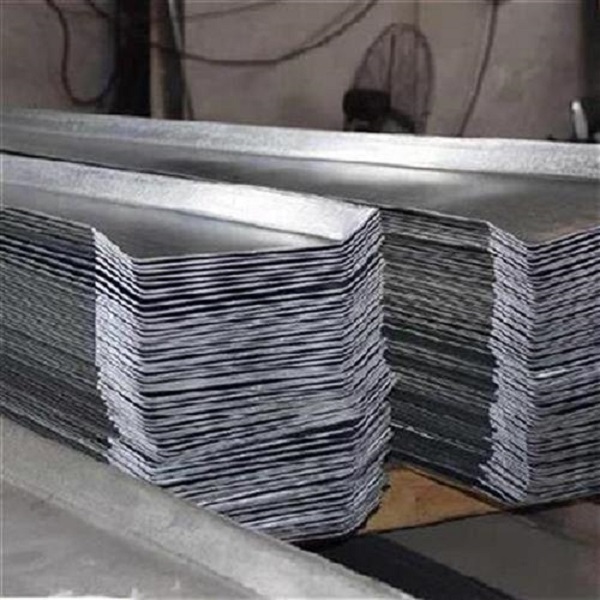
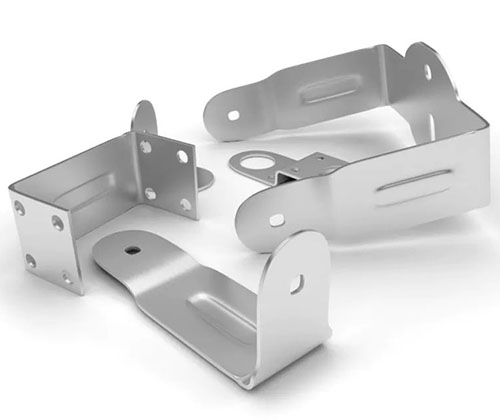
Aluminum sheet metal starts as aluminum ingots. Manufacturers cast these ingots into slabs, then pass them through hot rolling and cold rolling processes. These steps reduce thickness to the desired dimension. The final product is a flat, thin sheet with consistent thickness.
Thickness ranges widely—from 0.006 inches (0.15 mm) for thin foils to 0.5 inches (12.7 mm) or more for structural applications. Thinner sheets work well for packaging and decorative trim. Thicker sheets handle structural loads in aerospace and marine applications.
The material has a natural silver-white luster. Its density is approximately 2.7 g/cm³, about one-third that of steel. This low density is the key to its popularity. You get much of the strength of steel with significantly less weight.
Types of Aluminum Sheet Metal
Aluminum sheet metal comes in numbered series. Each series has a different primary alloying element, which determines its properties.
1100 Series: When Is High Purity Best?
The 1100 series is commercially pure aluminum, with 99% aluminum content. This high purity gives it excellent formability. It bends, stamps, and shapes easily without cracking.
In the food packaging industry, 1100 series becomes aluminum foil. Its malleability allows it to roll into extremely thin sheets, and its non-toxic nature ensures food safety. The chemical industry also uses it for storage tanks and pipelines handling non-aggressive chemicals. The material resists corrosion well but has relatively low strength.
3003 Series: Where Do You Need Moderate Strength?
The 3003 series adds manganese to the aluminum base. This increases strength while maintaining good formability. In the annealed state, tensile strength ranges from 110 to 160 MPa—about 10–20% higher than 1100 series.
Construction applications benefit from 3003. Building facades, roofing sheets, and gutters use this alloy because it withstands outdoor exposure well. Commercial buildings often feature 3003 exterior cladding. The material also appears in automotive interiors for dashboard frames and door panels, where a balance of strength and light weight matters.
5052 Series: Why Is It Good for Marine Use?
The 5052 series contains magnesium as the main alloying element. This gives it higher strength—tensile strength ranges from 170 to 305 MPa depending on temper. It also offers excellent fatigue resistance and exceptional corrosion resistance, especially in saltwater environments.
Shipbuilding relies heavily on 5052. Hulls and decking on boats and ships use this alloy because seawater exposure does not quickly degrade it. The oil and gas industry uses 5052 for pressure vessels that store and transport fluids under pressure. Its combination of strength and corrosion resistance makes it a reliable choice for demanding environments.
6061 Series: What Makes It the Workhorse?
The 6061 series contains silicon and magnesium. It offers a balanced set of properties: high strength, good machinability, and excellent weldability. In the T6 temper condition, tensile strength reaches up to 310 MPa.
Aerospace applications frequently use 6061 for wing spars and fuselage frames. The high strength-to-weight ratio is critical for flight performance. In mechanical manufacturing, machine tool frames, gears, and shafts often come from 6061. It machines well, holds tight tolerances, and welds reliably. This versatility makes it one of the most widely used aluminum alloys.
| Series | Primary Alloy | Tensile Strength (MPa) | Best Applications |
|---|---|---|---|
| 1100 | None (pure) | ~90 | Foils, chemical tanks |
| 3003 | Manganese | 110–160 | Roofing, automotive interiors |
| 5052 | Magnesium | 170–305 | Marine, pressure vessels |
| 6061 | Silicon & Magnesium | Up to 310 | Aerospace, machinery |
Applications Across Industries
Aerospace: Why Is Weight So Critical?
In aerospace, every pound matters. The Boeing 787 Dreamliner uses extensive aluminum sheet metal throughout its structure. The material’s high strength-to-weight ratio allows manufacturers to build strong aircraft without excess weight.
Industry data shows that for every 10% reduction in aircraft weight, fuel consumption drops by 6–8%. For airlines operating hundreds of flights daily, these savings add up to millions of dollars annually. Reduced fuel burn also means lower carbon emissions, making air travel more sustainable.
Automotive: How Does Aluminum Improve Cars?
Automakers use aluminum sheet metal for hoods, doors, fenders, and engine components. Audi, for example, has incorporated aluminum extensively into its vehicle designs.
Weight reduction directly improves performance. A lighter car accelerates faster, stops shorter, and handles better. Studies show that reducing vehicle weight by 100 kg cuts fuel consumption by 6–8%. For electric vehicles, weight reduction translates directly to longer range. The same battery pack moves a lighter vehicle farther.
Construction: Why Do Architects Choose It?
Architects specify aluminum sheet metal for roofing, wall cladding, and curtain walls. Modern commercial buildings often feature aluminum facades for their clean, sleek appearance.
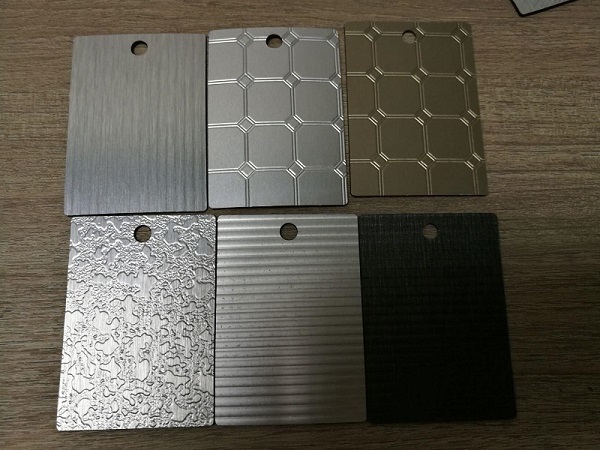
Durability matters in construction. Aluminum resists corrosion from rain, snow, and humidity. It withstands harsh weather without rusting or degrading. Fabrication is straightforward, and installation goes quickly compared to some alternatives. The material also accepts a wide range of finishes—anodized, powder-coated, or painted—allowing architects to achieve virtually any color or texture.
Electronics: How Does It Protect Devices?
Aluminum sheet metal forms the outer casings of many electronic devices. Apple’s MacBook series, for instance, uses aluminum enclosures.
The material provides a sturdy, protective shell for sensitive internal components. Equally important, aluminum conducts heat well. Electronic components generate significant heat during operation. An aluminum enclosure acts as a heat sink, drawing heat away from processors and other hot components. This thermal management helps maintain performance and extends device life. Overheating can cause slowdowns, crashes, or permanent damage—problems that proper heat dissipation prevents.
Quality and Processing Considerations
How Do You Choose the Right Alloy?
Selecting the right aluminum sheet metal starts with understanding your application’s demands.
- Corrosion exposure: For marine or chemical environments, 5052 or 6061 offer superior protection.
- Forming requirements: For complex bends or deep draws, 1100 or 3003 provide better formability.
- Strength needs: For structural loads, 5052 or 6061 deliver higher strength.
- Weldability: 6061 welds readily with proper technique.
- Surface finish: All series can be anodized or coated, but purity affects anodizing results—1100 takes anodizing more uniformly.
What to Check for Quality?
When evaluating aluminum sheet metal, examine three key areas:
Surface quality: Look for smooth surfaces without scratches, dents, or pits. High-quality material should be free of visible defects.
Hardness: For alloys like 6061-T6, hardness should fall within specified ranges. A Rockwell hardness test provides a quick check.
Chemical composition: Professional analysis using spectroscopy confirms that alloying elements fall within standard ranges. A 3003 sheet, for example, should have the correct manganese content.
Processing Tips for Best Results
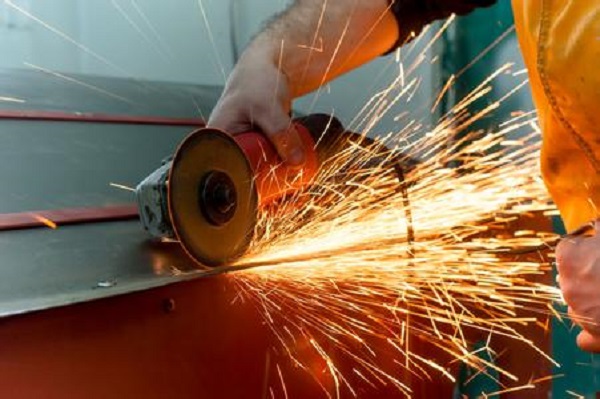
Working with aluminum sheet metal requires some care. For cutting, use high-speed steel or carbide-tipped saw blades. These tools produce clean edges with minimal burrs.
For bending, calculate the bend radius carefully. A radius that is too small can cause cracking, especially in higher-strength alloys like 5052 and 6061.
Surface treatment matters for both protection and appearance. Anodizing creates a hard, corrosion-resistant layer. Powder coating adds color and durability. Proper treatment extends the life of the finished product and enhances its visual appeal.
Conclusion
Aluminum sheet metal is a remarkably versatile material. Its low density—about one-third that of steel—makes it ideal for applications where weight matters. Its natural corrosion resistance allows it to perform in demanding environments from marine to chemical processing. And its ability to be formed, welded, and finished gives manufacturers tremendous flexibility.
The different alloy series serve different needs. 1100 offers maximum formability. 3003 provides moderate strength for construction and automotive applications. 5052 delivers corrosion resistance and fatigue strength for marine use. 6061 combines strength, machinability, and weldability for demanding structural applications.
Whether you are building aircraft, cars, buildings, or consumer electronics, aluminum sheet metal offers a proven combination of performance, durability, and value.
FAQs
What are the common thicknesses of aluminum sheet metal?
Aluminum sheet metal thickness ranges from 0.006 inches (0.15 mm) for foils to 0.5 inches (12.7 mm) or more for structural applications. Thin sheets around 0.01–0.03 inches are used for cans and small enclosures. Medium sheets around 0.06–0.2 inches work for automotive panels and building fascia. Thick sheets above 0.2 inches go into aerospace structures and shipbuilding.
How do I choose the right aluminum alloy for my project?
Consider your primary requirements. For maximum formability, choose 1100. For moderate strength and good corrosion resistance, choose 3003. For marine environments or applications needing high fatigue strength, choose 5052. For a balance of strength, weldability, and machinability, choose 6061. Always match the alloy to the demands of your specific application.
How can I tell if aluminum sheet metal is good quality?
Check three things. First, inspect the surface—it should be smooth without scratches, dents, or pits. Second, verify hardness—for heat-treated alloys like 6061-T6, the hardness should fall within standard ranges. Third, request a material test report (MTR) that confirms chemical composition matches the specified alloy.
Can aluminum sheet metal be recycled?
Yes, aluminum sheet metal is highly recyclable. Recycling uses only about 5% of the energy required to produce new aluminum from bauxite ore. The process involves collecting, sorting, melting, and casting the material into new products. Recycled aluminum performs as well as virgin material and reduces environmental impact significantly.
Contact Yigu Technology for Custom Manufacturing
At Yigu Technology, we specialize in custom fabrication using aluminum sheet metal. Our team works with 1100, 3003, 5052, and 6061 series alloys to create precision components for clients across industries. We use laser cutting for clean, accurate edges and CNC bending for consistent angles. Our quality control includes surface inspection, dimensional verification, and material certification. We also offer finishing services including anodizing and powder coating. Whether you need aerospace components, automotive parts, electronic enclosures, or architectural elements, we deliver reliable, high-quality solutions. Contact us today to discuss your project requirements.