Introduction
You have probably seen sheet metal siding on modern homes, commercial buildings, or industrial structures. It has become a popular choice for good reason. Sheet metal siding is durable, versatile, and available in many styles. But is it the right choice for your project? In this guide, we will cover everything you need to know. We will explore the types of metal siding available, the benefits of each, how installation works, and what to expect in terms of cost and longevity. By the end, you will have a clear picture of whether sheet metal siding fits your needs.
What Is Sheet Metal Siding?
Sheet metal siding is an exterior covering made from thin, flat pieces of metal. These sheets are cut and shaped to fit the walls of homes, commercial buildings, or industrial structures. The most common metals used are aluminum, steel, and copper.
The manufacturing process forms the metal into various profiles. The corrugated shape—with parallel ridges and grooves—is one of the most popular. This design adds strength and rigidity while creating visual interest. Flat or smooth sheets offer a cleaner, more modern look.
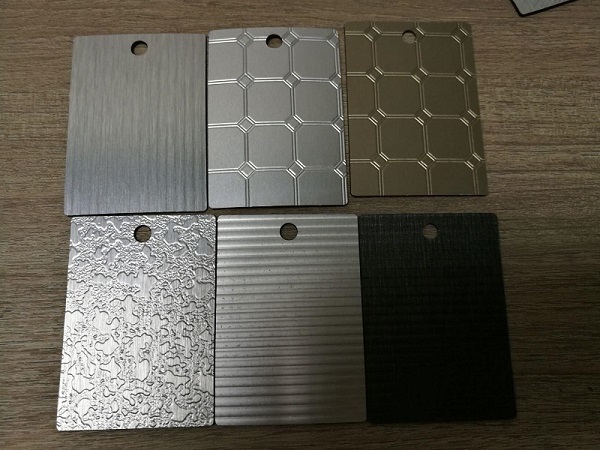
Sheet metal siding comes in a wide range of colors and finishes. You can choose standard colors like white, black, and gray, or custom colors to match your building’s style. Finishes include paint, powder coating, and galvanizing, each offering different levels of durability and weather protection.
What Types of Sheet Metal Siding Are Available?
Aluminum Siding
Aluminum siding is lightweight and easy to work with. A standard 12-foot panel weighs about 10–15 pounds. That is significantly lighter than steel. This makes installation easier and puts less stress on the building structure.
Corrosion resistance is one of aluminum’s strongest features. In coastal areas with saltwater and high humidity, aluminum siding can last 30–40 years. In inland areas, it can last 50 years or more. Aluminum is also non-combustible, adding a safety benefit.
Best for: Coastal homes, modern architecture, and projects where weight is a concern.
Steel Siding
Steel siding is known for its strength and durability. It can withstand high winds, hail, and impacts better than many other materials. Some steel siding can resist wind speeds of up to 150 mph, making it ideal for areas prone to severe weather.
Steel is also relatively affordable. Installation costs typically range from $3 to $8 per square foot. Many steel siding products are galvanized—coated with zinc to prevent rust. With proper maintenance, steel siding can last 40–60 years.
Steel can also be made to mimic the look of wood or stone, offering versatility in appearance.
Best for: Areas with severe weather, commercial buildings, and budget-conscious projects.
Copper Siding
Copper siding offers a unique, elegant appearance. It starts with a shiny reddish-brown color and over time develops a green patina. This natural aging process gives buildings a distinctive, timeless look. The Chrysler Building in New York City is famous for its copper-clad spire.
Copper is highly resistant to corrosion and can last over 100 years in most environments. It is a soft metal, which allows for intricate shaping and design possibilities. However, it is also the most expensive option. Installation costs range from $15 to $30 per square foot.
Best for: High-end homes, architecturally significant projects, and applications where longevity and aesthetics are top priorities.
| Material | Weight | Corrosion Resistance | Lifespan | Installed Cost (per sq ft) |
|---|---|---|---|---|
| Aluminum | Light | Excellent | 30–50 years | $2–$6 |
| Steel | Heavy | Good (with galvanizing) | 40–60 years | $3–$8 |
| Copper | Medium | Excellent | 100+ years | $15–$30 |
What Are the Benefits of Sheet Metal Siding?
Durability and Longevity
Sheet metal siding stands up to the elements. It resists rot, pests, and fire. Unlike wood, it does not warp or crack. Unlike vinyl, it does not become brittle in cold weather. A well-installed metal siding system can last decades with minimal maintenance.
Low Maintenance
Metal siding requires very little upkeep. Occasional cleaning with soap and water is usually enough. Unlike wood, it does not need periodic painting or staining. Factory-applied finishes are designed to resist fading and chalking for many years.
Energy Efficiency
Metal siding can improve a building’s energy efficiency. When installed with proper insulation behind it, it creates a thermal barrier. Some metal siding products also come with insulated backing or can be combined with foam insulation to reduce heat transfer.
Sustainability
Metal siding is often made from recycled materials and is itself 100% recyclable at the end of its life. Steel and aluminum are among the most recycled materials on the planet. Choosing metal siding can contribute to LEED certification and other green building goals.
How Is Sheet Metal Siding Installed?
Preparation
Proper preparation is essential for a successful installation.
Tools you will need:
- Tape measure
- Tin snips or power shear
- Drill with bits and screws or rivets
- Level
- Safety goggles and gloves
Materials:
- Sheet metal siding panels
- Sealants for waterproofing
- Flashing for windows, doors, and corners
Safety: Wear safety goggles to protect your eyes from metal shavings. Use work gloves to guard against sharp edges. If working at heights, use a safety harness and a stable ladder.
Installation Steps
1. Measure
Measure the height and width of each wall section. Account for windows, doors, and other openings. Subtract those areas when calculating how much siding you need.
2. Cut
Using tin snips or a power shear, cut the siding to size. Leave a 1/4 to 1/2 inch allowance for minor adjustments. Smooth any rough edges.
3. Install Flashing and Sealant
Install flashing around windows, doors, and corners. Apply sealant along edges where siding will attach. This step prevents water from penetrating behind the siding.
4. Attach Panels
Start at the bottom of the wall and work upward. Align the first panel horizontally using a level. Secure it to wall studs with screws or rivets placed every 12–16 inches along edges and at stud centers. Overlap subsequent panels according to manufacturer instructions—typically 1–2 inches.
5. Finish
Check for gaps or unevenness. Fill small gaps with sealant. Clean the surface to remove dirt or smudges.
Common Mistakes to Avoid
- Incorrect overlap: Too little overlap can allow water infiltration. Too much can create bulges.
- Over-tightening fasteners: This can cause dimpling or warping.
- Skipping flashing: Flashing around openings is critical for waterproofing.
- Using incompatible metals: Mixing metals like aluminum and steel without proper isolation can cause galvanic corrosion.
Yigu Technology’s Perspective
At Yigu Technology, we have extensive experience with sheet metal siding. Our advanced laser cutting equipment ensures precise, clean cuts on aluminum, steel, and copper. Our CNC bending technology allows us to create complex shapes and custom profiles to meet unique design requirements.
We understand that every building project is different. That is why we offer customized solutions. Whether you need a specific color, finish, or a unique panel design, our team of experienced engineers and technicians can bring your vision to life.
Example: A coastal homebuilder needed siding that could withstand salt spray and high winds. We supplied custom-cut aluminum panels with a powder-coated finish. The siding has now weathered over eight years of coastal conditions with no signs of corrosion or fading.
We also emphasize quality control. Every panel is inspected for dimensional accuracy and surface finish before delivery. Our goal is to help your project stay on schedule and meet the highest standards.
Conclusion
Sheet metal siding offers a winning combination of durability, low maintenance, and aesthetic versatility. Aluminum provides lightweight corrosion resistance. Steel delivers strength and impact resistance. Copper offers unmatched longevity and timeless beauty. Each type has its own cost profile and installation considerations. By understanding the differences and working with an experienced fabricator, you can choose the right siding for your building—whether it is a modern home, a commercial structure, or an industrial facility.
FAQ
Is sheet metal siding expensive?
Cost varies by material. Aluminum runs $2–$6 per square foot installed. Steel averages $3–$8 per square foot. Copper is the most expensive at $15–$30 per square foot. While copper has a higher upfront cost, its lifespan of over 100 years can make it cost-effective over time.
How long does sheet metal siding last?
Aluminum lasts 30–50 years, depending on the environment. Steel, with proper maintenance, lasts 40–60 years. Copper can last over 100 years.
Can I install sheet metal siding myself?
It is possible if you have construction experience and the right tools. However, improper installation can lead to water leakage and reduced durability. For most homeowners, hiring a professional is recommended.
Does sheet metal siding rust?
Aluminum and copper do not rust. Steel can rust if the protective coating is damaged. Galvanized steel has a zinc coating that prevents rust. Regular inspection and touch-up of scratches can extend the life of steel siding.
Is sheet metal siding energy efficient?
Metal siding itself is a conductor, so it does not provide insulation. However, when installed with proper insulation behind it, it can contribute to an energy-efficient building envelope. Some products come with insulated backing to improve thermal performance.
Contact Yigu Technology for Custom Manufacturing
At Yigu Technology, we specialize in custom sheet metal siding solutions. From material selection to precision cutting and finishing, our team ensures quality and consistency. [Contact us today] to discuss your project and get a tailored manufacturing solution.