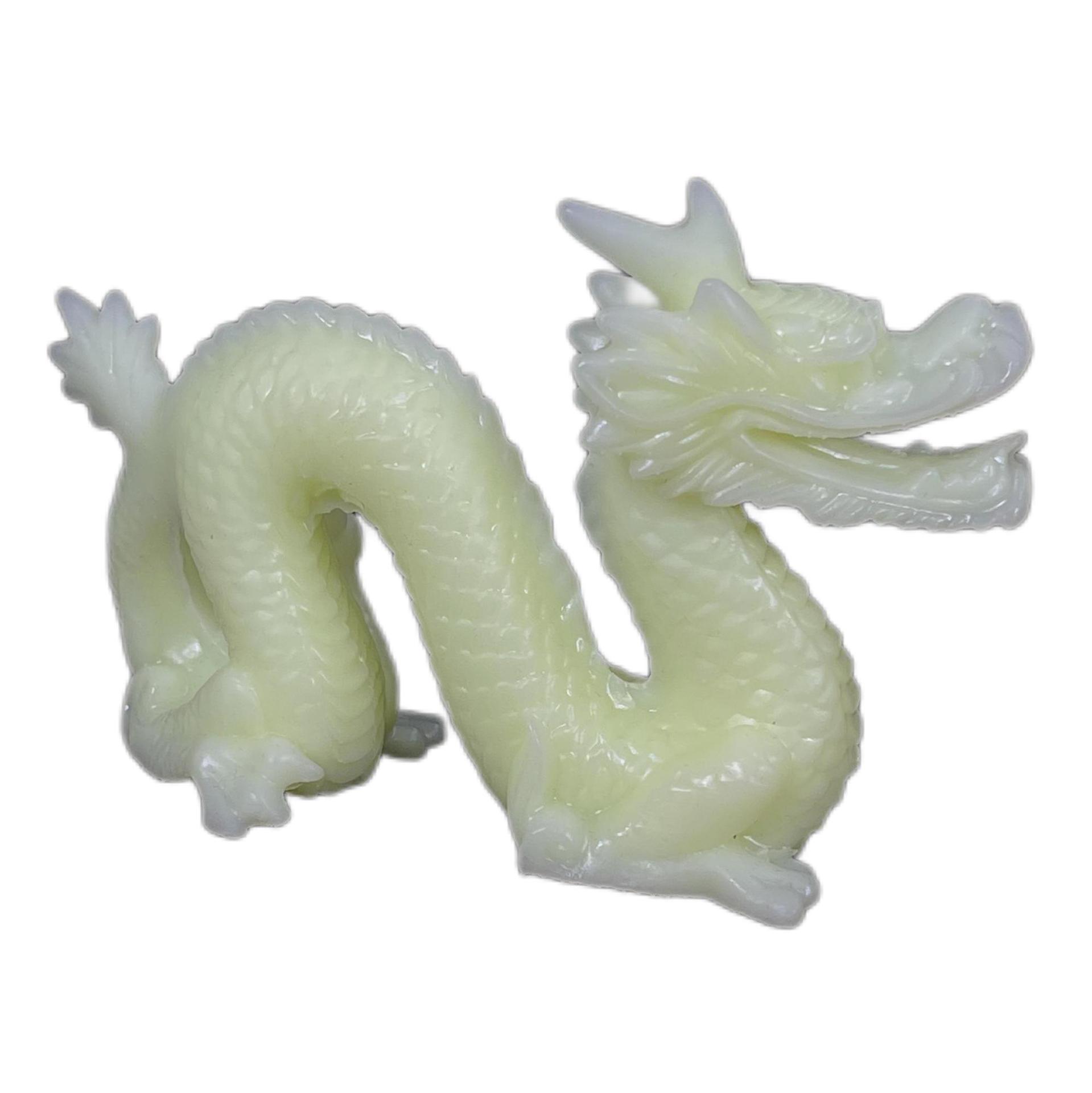
You have seen them at conventions. Tiny dragons with individually sculpted scales. Custom tabletop game characters that look exactly like your party. Personalized figurines of pets, family members, or favorite heroes. 3D printed figurines have transformed miniature art from a niche craft into an accessible, customizable medium. Artists now create details that would take weeks by hand. Hobbyists print their own collectibles at home. This guide explores how 3D printing works for figurines, what materials deliver the best results, and how this technology is changing the world of miniature art.
What Makes 3D Printed Figurines Different?
Traditional figurine making involves sculpting by hand, creating molds, and casting in resin or metal. Each step requires skill and time. A single sculpt can take weeks. A mold costs hundreds of dollars.
3D printed figurines start as digital files. An artist sculpts in software like Blender or ZBrush. The file goes to a printer. Hours later, a physical figurine exists. No molds. No casting. No weeks of waiting.
This shift changes everything. Artists can iterate quickly. Customers can get custom pieces. Limited editions become economical. The barrier to entry drops from years of training to learning software.
How Does the 3D Printing Process Work?
The journey from digital sculpt to physical figurine follows a clear sequence.
Step 1: Digital Sculpting
Artists use CAD or sculpting software to create a 3D model. Blender (free) and ZBrush (industry standard) offer tools for adding fine details—wrinkles, scales, fabric textures, facial expressions.
The model must be watertight (no holes in the mesh) and designed with printing in mind. Features like thin swords or outstretched fingers may need reinforcement.
Step 2: Slicing
Slicing software divides the model into thin layers. It also generates supports—temporary structures that hold overhanging features during printing.
Layer height affects detail. 0.05 mm layers capture fine details but take longer. 0.1–0.2 mm layers print faster but show visible layer lines.
Step 3: Printing
The printer builds the figurine layer by layer. Two technologies dominate figurine printing.
| Technology | How It Works | Best For |
|---|---|---|
| FDM (Fused Deposition Modeling) | Melts and extrudes plastic filament | Larger figurines, durable pieces, beginners |
| SLA (Stereolithography) | Uses laser to cure liquid resin | High detail, smooth surfaces, professional results |
Step 4: Post-Processing
Printed figurines rarely come off the printer finished. Post-processing steps include:
- Support removal: Snapping or dissolving temporary structures
- Washing: For resin prints, removing uncured resin with isopropyl alcohol
- Curing: Exposing resin prints to UV light for final hardening
- Sanding: Smoothing layer lines (more common with FDM)
- Priming and painting: Adding color and finish
Real example: A tabletop gamer wanted a custom miniature of their Dungeons & Dragons character. They found a sculptor online who created a digital model for $40. A resin print cost $15. After painting, they had a unique, highly detailed figure—cheaper than many mass-produced miniatures and completely one-of-a-kind.
What Materials Work Best for Figurines?
Material choice affects detail, durability, and ease of use.
PLA (Polylactic Acid)
PLA is the most common FDM filament for figurines.
Advantages:
- Easy to print, minimal warping
- Low cost ($20–30 per kg)
- Wide color selection
- Non-toxic, mild smell
Disadvantages:
- Visible layer lines
- Brittle; thin features like swords may snap
- Softens in heat (60°C+)
Best for: Larger figurines, beginners, display pieces not handled frequently.
ABS (Acrylonitrile Butadiene Styrene)
ABS is tougher than PLA but harder to print.
Advantages:
- More durable, impact-resistant
- Higher heat resistance (95–105°C)
Disadvantages:
- Prone to warping; needs heated bed
- Strong unpleasant odor; requires ventilation
- More difficult for beginners
Best for: Functional figurines, parts that will be handled frequently.
Standard Resin
Resin printing (SLA) delivers the highest detail.
Advantages:
- Smooth surface, no visible layer lines at 0.05 mm
- Captures fine details (scales, hair, facial features)
- Wide range of resin types
Disadvantages:
- Higher cost ($40–80 per liter)
- Toxic in liquid form; requires gloves, ventilation
- Post-processing needed (washing, curing)
- Standard resin is brittle
Best for: High-detail display pieces, collectibles, professional work.
Specialty Resins
| Resin Type | Property | Best For |
|---|---|---|
| Tough Resin | Impact-resistant, less brittle | Gaming miniatures that get handled |
| Flexible Resin | Rubber-like, bends | Capes, tails, parts that need give |
| Castable Resin | Burns out cleanly | Jewelry patterns, metal casting |
| Water-Washable Resin | Cleans with water, no alcohol | Beginners, simplified workflow |
How Do FDM and SLA Compare for Figurines?
The choice between FDM and SLA shapes the final result.
| Feature | FDM | SLA |
|---|---|---|
| Detail Resolution | Moderate—visible layer lines | High—smooth surfaces |
| Print Speed | Slow for fine details | Faster for small, detailed prints |
| Material Cost | Low ($20–30/kg) | Higher ($40–80/L) |
| Printer Cost | $200–1,000 | $200–2,000 (desktop) |
| Post-Processing | Support removal, sanding | Washing, curing, support removal |
| Safety | Generally non-toxic (ABS requires ventilation) | Resin requires gloves, ventilation |
| Best For | Larger figurines, durable pieces | High-detail miniatures, collectibles |
Data point: A 2023 survey of miniature painters found that 65% prefer SLA prints for display pieces due to surface smoothness, while 70% use FDM for larger terrain pieces and functional parts where detail matters less.
What Post-Processing Steps Transform Prints?
Raw prints are rarely finished pieces. Post-processing turns them into art.
Support Removal
FDM supports snap off with pliers. SLA supports require careful cutting with flush cutters. Water-soluble supports (PVA for FDM) dissolve in water, leaving no marks.
Sanding (FDM)
FDM prints need sanding to remove layer lines.
- Start with 120–200 grit to remove major lines
- Move to 400–600 grit for smoothing
- Finish with 800–1000 grit for near-polished surface
- Wet sanding reduces dust and prevents heat buildup
Washing and Curing (SLA)
Resin prints must be:
- Washed in isopropyl alcohol (or water for water-washable resin) to remove uncured resin
- Cured under UV light (365–405 nm) for 5–15 minutes to reach full strength
Priming and Painting
Primer is essential. It fills micro-layer lines and gives paint something to adhere to. Use acrylic primer applied in thin coats.
Acrylic paints work best. Miniature painters use brands like Citadel, Vallejo, or Army Painter. Thin paints with water or medium to preserve detail.
Sealing
A clear coat protects the finished piece. Matte, satin, or gloss finishes change the final appearance. Sealants also protect against UV yellowing, especially important for resin prints.
Real example: A collector commissioned a 3D printed bust of their favorite game character. The raw resin print showed every detail from the sculpt. After washing, curing, priming, and airbrushing, the finished piece looked like a studio-quality statue—at one-third the price of a comparable mass-produced item.
What Are the Creative Possibilities?
3D printing expands what miniature artists can achieve.
Customization at Scale
Each print can be unique. Artists modify digital files per order. A customer wants a figurine with their face on a fantasy character? The artist sculpts it. One order? Fine. Fifty orders? Same process, no mold costs.
Complex Geometry
Traditional sculpting struggles with:
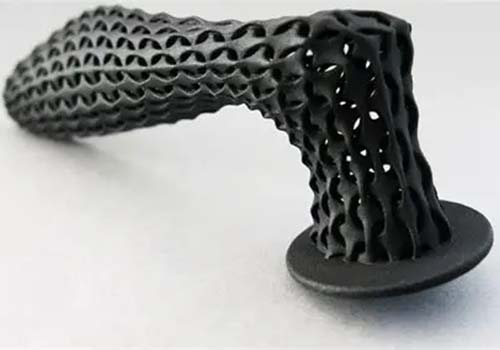
- Intricate lattice structures
- Interlocking moving parts printed as one piece
- Hollow interiors to save material and weight
- Undercuts and overhangs that would be impossible to mold
Limited Editions
Artists can create numbered limited editions without tooling costs. Print 50, sell them, move to the next design. No inventory sitting unsold.
Personal and Memorial Pieces
Custom figurines of pets, family members, or wedding cake toppers have become a popular category. A digital scan or photos provide reference. The printed piece becomes a unique keepsake.
What Challenges Should You Consider?
3D printed figurines are powerful, but they have limits.
Print Orientation
Orientation affects support placement and surface quality. A poorly oriented print may have support marks on visible surfaces. Learning to orient models minimizes post-processing work.
Detail Limits
Even SLA has limits. Features smaller than 0.1–0.2 mm may not print reliably. Very thin parts (swords, antennae) may break during support removal.
Material Properties
Standard resin is brittle. A dropped figurine may shatter. Tough resin solves this but costs more and may have slightly lower detail.
Learning Curve
Switching from FDM to SLA requires learning new workflows: handling toxic resin, washing, curing. FDM to painting requires learning sanding and priming techniques.
Yigu Technology’s Perspective
As a custom manufacturer, Yigu Technology sees 3D printed figurines as a perfect example of additive manufacturing’s strength: complexity without tooling cost. We produce figurines for:
- Collectible companies needing limited runs
- Game developers creating physical characters from digital assets
- Artists scaling their work from one-off sculptures to small editions
- Corporate clients for branded giveaways and awards
We guide clients on material selection based on use. Resin for display pieces. Tough resin for handled miniatures. FDM for larger, cost-sensitive projects. Post-processing—from support removal to painting—is handled in-house for clients who need finished pieces.
In our experience, the key to a successful figurine project is design for additive manufacturing. Features that look great in software may fail in print. Our engineering team helps optimize models before printing, saving time and material.
Conclusion
3D printed figurines have democratized miniature art. What once required years of sculpting experience and expensive mold-making now starts with a digital file and a desktop printer. Artists create intricate details that rival traditional casting. Hobbyists print custom miniatures for their games. Collectors own unique pieces that mass production cannot match.
The technology is not without challenges. Resin requires safety precautions. FDM leaves layer lines. Post-processing takes time. But for those willing to learn, the creative possibilities are unprecedented.
As printers improve and materials expand, the line between 3D printed and traditionally made figurines will blur. For now, the technology offers something traditional methods cannot: unlimited customization, no minimum quantities, and freedom from tooling costs.
FAQ
What materials are best for 3D printed figurines?
For high detail and smooth surfaces, SLA resin is best. Standard resin for display pieces, tough resin for miniatures that get handled. For larger figurines or beginners, PLA filament on an FDM printer offers lower cost and easier handling, though with visible layer lines.
Can I sell 3D printed figurines?
Yes, but you must have rights to the designs. Selling prints of others’ models requires permission or a commercial license from the designer. Selling your own original designs is fully legal. For licensed characters (Star Wars, Marvel, etc.), you need a license from the intellectual property owner.
How do I design a 3D printed figurine?
Use sculpting software like Blender (free), ZBrush (professional), or Nomad Sculpt (iPad). Start with basic shapes, add details progressively. Design with printing in mind—ensure wall thickness, avoid unsupported overhangs, and consider orientation for support placement.
How much does it cost to print a figurine?
Costs vary by size and technology. A 28mm tabletop miniature in resin costs $2–5 in material. A 6-inch display figurine in resin costs $10–25. FDM prints cost less in material but require more post-processing. Commercial services charge more but handle printing and finishing.
How do I paint 3D printed figurines?
Clean the print (remove supports, wash resin prints). Apply acrylic primer in thin coats. Paint with acrylic miniature paints, thinning as needed. Apply clear coat to protect. For resin prints, ensure full curing before painting to avoid tackiness.
Contact Yigu Technology for Custom Manufacturing
Yigu Technology specializes in non-standard plastic and metal custom manufacturing, including high-quality 3D printed figurines. Whether you need a limited-edition collectible, custom game miniatures, or personal keepsakes, our team handles everything from design optimization to finishing. Contact us today to discuss your next project.