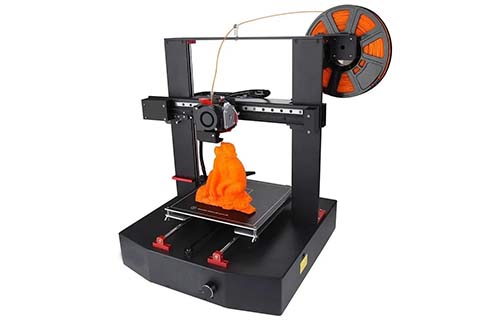
If you are new to 3D printing, PLA is likely the first material you encounter. It stands for Polylactic Acid, a bioplastic made from renewable resources like corn starch or sugarcane. It prints easily, smells faintly of waffles, and comes in dozens of colors. But beneath this beginner-friendly reputation lies a material with specific strengths and limits. Some users find their PLA prints snapping under pressure or warping in a warm car. This guide walks you through what PLA actually is, how to print it well, and where it truly shines—so you can avoid common pitfalls and get the most from this eco-friendly filament.
What Makes PLA Different from Other Plastics?
PLA belongs to a family of bioplastics. Unlike ABS or nylon, which come from fossil fuels, PLA starts with plant starches. This gives it a different set of properties.
Mechanical Behavior
PLA is stiff but brittle. Its tensile strength ranges from 30 to 60 MPa—respectable for a plastic. But its stiffness (Young’s modulus of 2.7–4 GPa) means it does not bend well. Under sudden impact, it tends to snap rather than stretch.
This makes PLA excellent for:
- Rigid structural parts like brackets and enclosures
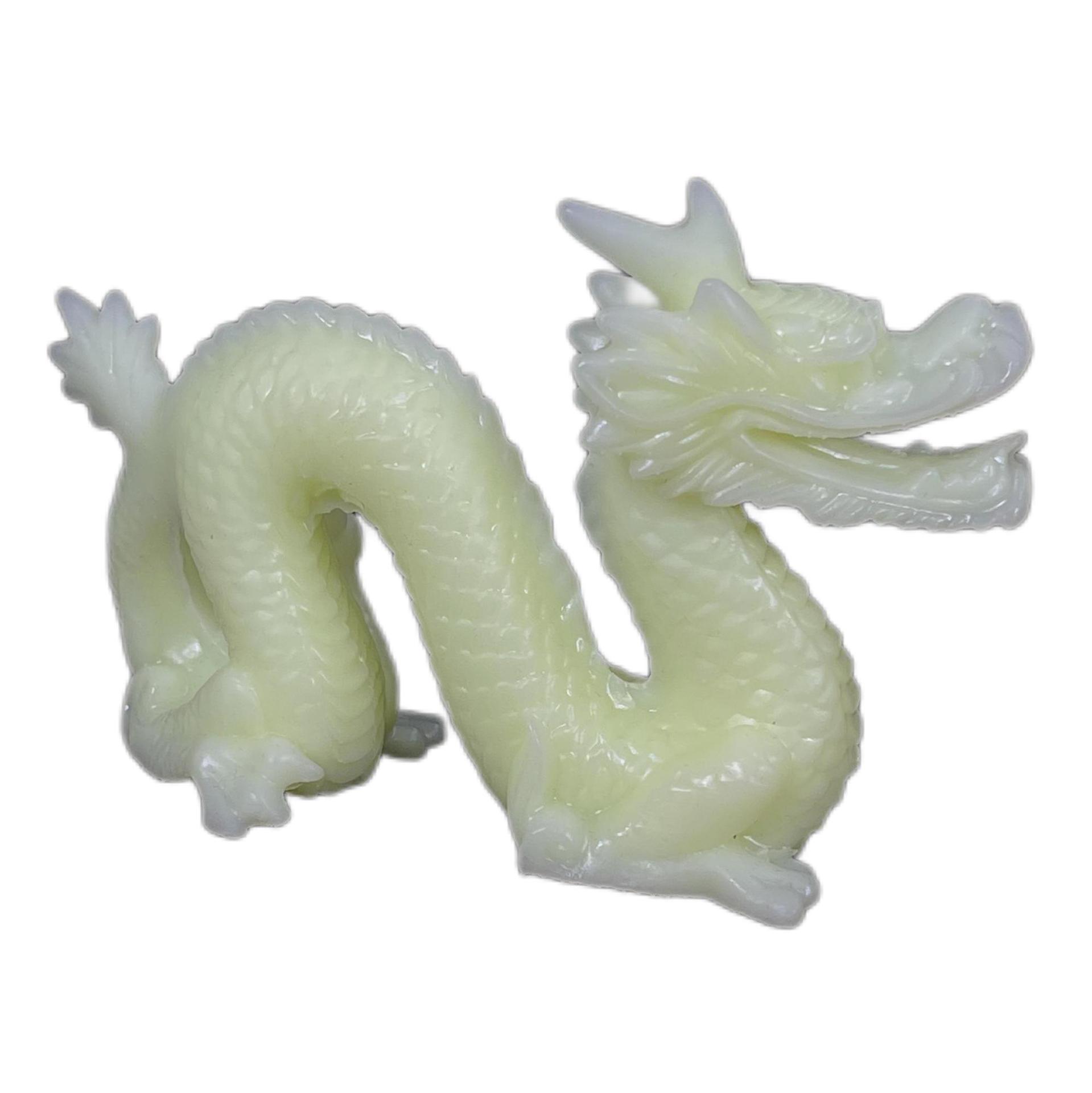
- Decorative items and display pieces
- Models requiring sharp details
It is a poor choice for:
- Hinges, clips, or parts that flex repeatedly
- Tools that experience sudden impacts
- Parts that need to absorb shock
Thermal Behavior
PLA softens at a relatively low temperature. Its glass transition temperature sits at 60–65°C (140–150°F) . Leave a PLA part in a parked car on a summer day, and it will warp. This limits PLA to indoor or low-heat applications.
Density and Moisture
At 1.24–1.27 g/cm³, PLA is slightly denser than ABS but still lightweight. It absorbs less moisture than nylon, but long-term exposure to humidity above 60% can cause stringing and popping during printing. Drying the filament at 40–50°C for 4–6 hours solves this.
How Do You Print PLA Successfully?
PLA is forgiving, but good settings turn acceptable prints into great ones.
Temperature Settings
| Parameter | Recommended Range | Notes |
|---|---|---|
| Nozzle Temp | 190–210°C | Lower temps reduce stringing; higher temps improve layer adhesion. Avoid exceeding 230°C. |
| Bed Temp | 40–60°C | Helps first-layer adhesion for large parts. Small prints often print fine without a heated bed. |
Speed and Cooling
PLA cools quickly, which is both an advantage and a challenge.
- Print speed: 50–80 mm/s works for most prints. Speeds above 100 mm/s may reduce precision.
- Cooling fan: Run at 100% after the first few layers. Fast cooling prevents overheating and preserves fine details.
Retraction
PLA’s low viscosity makes it prone to stringing—thin strands of plastic between separate parts of a print.
- Retraction distance: 2–4 mm
- Retraction speed: 25–40 mm/s
Too much retraction (over 5 mm) can cause under-extrusion, leaving gaps in your print.
Layer Adhesion
Weak layers often come from low temperatures or aggressive cooling. For stronger parts:
- Print at 200–210°C
- Reduce fan speed to 70–80% for the first 3 layers
- Use 0.2–0.3 mm layer thickness (thinner layers bond better)
Real example: A user printing functional brackets found that increasing nozzle temperature from 195°C to 205°C and reducing fan speed for the first three layers doubled the part’s load capacity.
How Do You Finish and Strengthen PLA Prints?
Post-processing transforms a rough print into a finished piece. PLA responds well to several techniques.
Sanding
PLA sands easily but generates fine dust. Wet sanding reduces dust and prevents heat buildup that can melt the surface.
- Start with 120–200 grit to remove layer lines
- Move to 400–600 grit for smooth finish
- Finish with 800–1000 grit for near-polished surface
Painting
PLA takes paint well. Acrylic primers adhere effectively. Allow the primer to dry fully, then sand lightly before applying top coats. Avoid oil-based paints, which can soften the plastic.
Support Removal
PLA supports usually snap off cleanly. For complex geometries, PVA (polyvinyl alcohol) supports dissolve in warm water over 1–2 hours, leaving no marks.
Annealing for Strength
Heat treatment can improve PLA’s mechanical properties.
- Heat oven to 50–60°C (120–140°F)
- Place part on a non-stick surface
- Hold temperature for 1–2 hours
- Cool slowly to room temperature
Annealing reduces internal stress and can increase impact resistance by 10–20%. However, it may cause slight shrinkage (1–2%) and warping if the part is not supported.
What Are PLA’s Environmental Claims?
PLA’s eco-friendly reputation comes with important caveats. Understanding them helps you make responsible choices.
Biodegradability
PLA is technically biodegradable, but not in home composts. Industrial composting facilities maintain 55–70°C (130–160°F) with controlled humidity and microbes. Under these conditions, PLA breaks down in 3–6 months.
In a home compost pile, PLA may take years to degrade—if it degrades at all. To ensure proper disposal, check if your local waste management accepts PLA in industrial compost bins.
Recycling
Most curbside recycling programs do not accept PLA. It contaminates traditional plastic recycling streams. Some specialty facilities recycle PLA into new filament, but this remains niche.
Carbon Footprint
PLA’s renewable feedstock gives it a lower carbon footprint than petroleum-based plastics. Studies show PLA production emits 68–70% less CO₂ than ABS. For low-heat, short-lifespan parts, PLA is a greener choice.
What Are Common Problems and Fixes?
Even with easy materials, issues arise. Here is how to solve them.
| Problem | Likely Cause | Solution |
|---|---|---|
| Stringing | Retraction too low, temp too high | Increase retraction (2–4 mm), lower nozzle temp by 5–10°C |
| Weak layers | Temp too low, cooling too fast | Increase nozzle temp to 200–210°C, reduce fan speed for first layers |
| Warping | Poor bed adhesion, drafts | Use heated bed at 50–60°C, add brim, enclose printer |
| Clogged nozzle | Dust or degraded PLA | Clean nozzle, store filament in sealed bag with desiccant |
| Brittle parts | Moisture, low infill | Dry filament, increase infill to 40–80%, consider annealing |
Where Should You Use PLA—and Where Should You Avoid It?
PLA excels in certain applications and fails in others. Matching the material to the use case prevents disappointment.
Good Uses
- Decorative models: Figurines, vases, display pieces
- Prototypes: Early-stage fit and form testing
- Educational tools: Classroom projects, simple mechanisms
- Low-stress functional parts: Brackets, enclosures, cases
- Jigs and fixtures: Light-duty assembly aids
Poor Uses
- Outdoor parts: UV degrades PLA; summer heat causes warping
- Automotive components: Car interiors exceed PLA’s glass transition temperature
- Load-bearing parts: Brittleness leads to sudden failure
- Repeated flex: Hinges, clips, and springs will snap
Real example: A user printed a phone mount for their car dashboard. On a 30°C day, the mount softened and the phone fell. The same mount worked perfectly indoors.
Yigu Technology’s Perspective
As a custom manufacturer of non-standard plastic and metal products, Yigu Technology uses PLA extensively for prototypes, visual models, and low-stress functional parts. Its ease of printing and dimensional stability make it ideal for design verification before moving to production materials.
We also guide clients on PLA’s limits. For parts that need heat resistance or impact toughness, we recommend materials like PETG, ABS, or nylon. For sustainable applications, we help clients understand proper disposal—using industrial composting when available or designing for longevity when not.
In our experience, PLA is not a “beginner material” to outgrow. It is a legitimate engineering material with a specific performance envelope. When used within that envelope, it delivers excellent results at low cost with a reduced environmental footprint.
Conclusion
3D printing PLA offers an accessible entry point to additive manufacturing. It prints easily, produces sharp details, and comes from renewable sources. But its brittleness and low heat resistance limit its applications. Successful use requires matching the material to the task—choosing PLA for rigid, indoor, low-stress parts and switching to other materials when toughness or temperature resistance matters.
Understanding PLA’s true properties helps you avoid failed prints and disappointing parts. With the right settings and realistic expectations, PLA becomes not just easy, but genuinely useful.
FAQ
Why does my PLA print snap easily?
PLA is inherently brittle. To improve toughness, try annealing the part (heating to 50–60°C for 1–2 hours), increase infill to 80–100%, or switch to a “tough PLA” blend with added modifiers. Avoid using PLA for parts that bend or absorb impact.
Can I use PLA for outdoor parts?
Generally, no. UV exposure weakens PLA over time. Temperatures above 60°C (common in direct sunlight or parked cars) cause warping. For outdoor use, apply a UV-resistant clear coating and keep parts away from heat sources.
How do I ensure my PLA part biodegrades?
Send it to an industrial composting facility. Check with local waste management for drop-off points. Home composts rarely reach the sustained high temperatures needed for PLA to break down. Breaking the part into small pieces can speed partial degradation, but industrial composting is the reliable method.
What temperature does PLA soften at?
PLA begins to soften at its glass transition temperature of 60–65°C (140–150°F) . It melts at 150–160°C. This limits PLA to applications where ambient temperatures stay below 50°C.
Can I paint PLA prints?
Yes. Use acrylic primer as a base, then apply acrylic or enamel paints. Avoid oil-based paints, which can soften the plastic. Clean the surface with soap and water or isopropyl alcohol before priming to remove oils from handling.
Contact Yigu Technology for Custom Manufacturing
Yigu Technology specializes in non-standard plastic and metal custom manufacturing. We help clients select the right materials—whether PLA for sustainable prototypes or engineering-grade plastics for production parts. From design optimization to post-processing, our team delivers parts that meet your requirements. Contact us today to discuss your next manufacturing project.