Graphene 3D printing combines the world's strongest, most conductive material with additive manufacturing—enabling parts with unprecedented electrical and thermal performance. This guide explains how to harness graphene's extraordinary properties in your prints.
Introduction
You've turned to graphene for its extraordinary properties—hoping 3D printing will let you create parts with unmatched conductivity, strength, and flexibility. But your prints are underwhelming. The electrical conductivity is barely better than standard plastics. Graphene clumps in the filament, causing nozzle clogs. The part is brittle, shattering under minor stress. Your "high-performance" prototype costs a fortune but fails to deliver.
Sound familiar?
Graphene—a 2D material and carbon allotrope just one atom thick—redefines what's possible in materials science. Its unique properties—from near-perfect electrical conductivity to incredible strength—make it a game-changer for 3D printing. But unlocking its potential requires mastering specialized processes to handle its delicate structure and ensure uniform dispersion.
In this guide, we'll demystify 3D printing graphene, helping you create parts that leverage its extraordinary properties for applications where no other material will do.
What Makes Graphene So Extraordinary?
How conductive is graphene really?
Graphene is the most electrically conductive material known, with conductivity of 10⁸ S/m—far exceeding copper (5.96×10⁷ S/m). This means electrons flow through graphene with almost no resistance, making it ideal for circuits, antennas, and electrodes.
Its thermal conductivity is equally impressive: 5000 W/m·K, about 10 times that of copper. This makes graphene perfect for heat management applications—heat sinks, thermal interfaces, and cooling components.
How strong is graphene despite being so thin?
Despite being just one atom thick, graphene is 200 times stronger than steel by weight, with tensile strength of 130 GPa. Imagine a material as thin as plastic wrap that can hold an elephant.
Yet it's also flexible, able to bend and stretch without breaking. This combination of strength and elasticity is unprecedented—materials are typically either strong or flexible, rarely both.
What makes its structure special?
Graphene's layered structure—hexagonal carbon atoms arranged in sheets—gives it a huge surface area: 2630 m²/g. To put this in perspective, a single gram of graphene has more surface area than a football field.
This enormous surface area enhances its ability to reinforce composites. Even tiny amounts (0.1-5% by weight) dramatically improve a polymer's conductivity, strength, or thermal performance.
For example, adding just 1% graphene to PLA:
- Increases tensile strength by 30%
- Increases electrical conductivity by 10⁶ times
- Improves thermal conductivity significantly
Is graphene chemically stable?
Yes. Graphene is chemically stable, resisting corrosion and degradation even in harsh environments. It doesn't oxidize like metals, doesn't dissolve in most solvents, and maintains its properties over time.
What Makes 3D Printing Graphene So Challenging?
Why can't you print pure graphene?
Pure graphene is extremely difficult to 3D print. Its thin sheets (just one atom thick) have a huge surface area and tend to clump together due to van der Waals forces. Think of trying to print with microscopic sheets of paper that all want to stick to each other instead of lying flat.
Instead, graphene is typically mixed with polymers (like PLA, nylon, or epoxy) to form graphene-enhanced filaments or inks.
What's the key to successful graphene printing?
The critical factor is uniform dispersion. Graphene sheets must be evenly distributed throughout the base material. Clumped graphene:
- Reduces performance (conductivity drops)
- Causes nozzle clogs
- Creates weak points in parts
- Wastes expensive material
Evenly distributed sheets:
- Maximize conductivity (they form continuous networks)
- Enhance strength uniformly
- Improve thermal performance
- Enable reliable printing
What about alignment?
Beyond dispersion, alignment matters. When graphene sheets align along the print path, conductivity and strength improve dramatically in that direction. This is like laying down conductive wires exactly where you need them.
What 3D Printing Processes Work With Graphene?
FDM with graphene filaments
FDM uses filaments made by mixing graphene with molten polymers like PLA, nylon, or PETG. The process requires careful optimization:
Extrusion temperature: 200-250°C for PLA-based filaments. Too low and graphene doesn't distribute well. Too high and the polymer degrades.
Print speed: 10-50 mm/s—slower than standard printing to ensure proper flow and dispersion.
Nozzle considerations: Hardened steel nozzles recommended. Graphene is abrasive and wears out brass nozzles quickly.
Infill patterns: Use rectilinear or grid patterns that align with stress or current flow directions. This helps align graphene sheets for better performance.
Direct Ink Writing (DIW)
DIW is particularly effective for graphene printing. It uses shear-thinning inks—graphene mixed with polymers or solvents that flow smoothly when pressure is applied and solidify quickly after deposition.
Nozzle diameter: 0.1-1.0 mm, depending on desired resolution and ink viscosity.
Advantages: DIW allows precise control over graphene alignment. By adjusting ink viscosity and print speed, graphene sheets align along the print path, boosting conductivity in that direction.
Applications: Ideal for electronics, sensors, and custom-shaped conductive components.
SLA and DLP with graphene resins
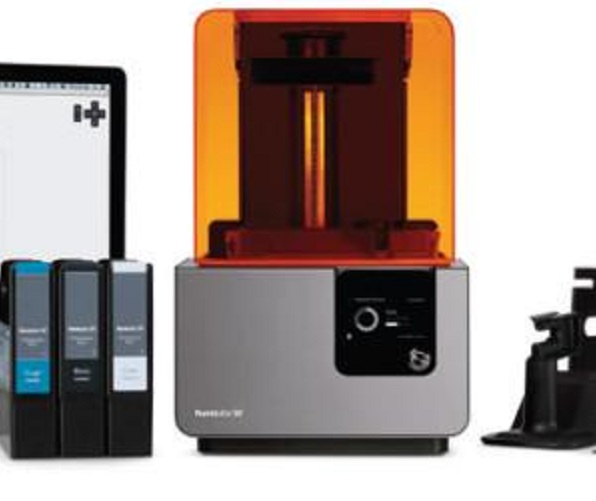
SLA/DLP uses graphene-infused resins—photopolymers with dispersed graphene particles. The UV light cures the resin, trapping graphene in place.
Challenges: Graphene absorbs UV light, which can interfere with curing. Resin formulations must balance graphene loading with printability.
Benefits: Extremely high resolution and smooth surface finish, suitable for intricate conductive parts.
Which process should you choose?
| Process | Best For | Resolution | Graphene Loading | Cost |
|---|---|---|---|---|
| FDM | Structural parts, prototypes | Moderate | 1-5% | Low |
| DIW | Electronics, sensors, circuits | High | 5-20% | Moderate |
| SLA/DLP | Intricate conductive parts | Very high | 0.5-2% | High |
What Applications Benefit Most From 3D Printed Graphene?
Electronics and energy
Electronics benefit most from graphene's conductivity. 3D printed:
- Circuits with faster signal transmission and lower resistance than copper
- Antennas for wireless devices
- Sensor electrodes with enhanced sensitivity
- EMI shielding for protecting sensitive electronics
Energy storage devices use 3D printed graphene electrodes for their huge surface area:
- Supercapacitors that charge smartphones in minutes
- Batteries with higher capacity and faster charging
- Fuel cell components with enhanced catalytic activity
A graphene supercapacitor 3D printed into a custom shape can last 10,000+ charge cycles while maintaining performance.
Sensors and wearables
Sensors leverage graphene's sensitivity. Tiny changes in its environment alter its conductivity, making it ideal for detecting:
- Gases at parts-per-million concentrations
- Pressure and strain
- Temperature with high precision
- Biological molecules for medical diagnostics
Wearable technology uses flexible graphene composites for:
- Smart watch sensors that bend with the wrist
- Fitness trackers with improved accuracy
- Medical patches that monitor vital signs
- Smart footwear with integrated pressure sensors
3D printing allows these sensors to be integrated into complex shapes—matching the curvature of a wrist or shoe for better comfort and performance.
Aerospace and industrial
Aerospace components use graphene composites for:
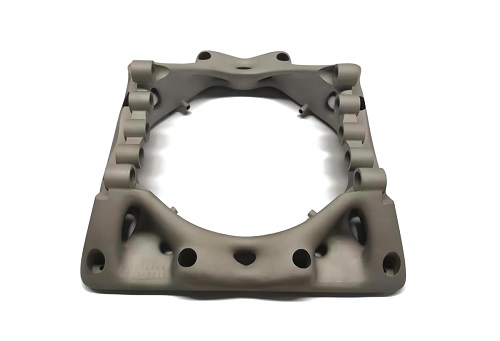
- Lightweight brackets with high strength-to-weight ratio
- Heat shields managing extreme temperatures
- Structural parts that are both strong and conductive
- EMI shielding for sensitive avionics
Industrial tooling benefits from graphene's thermal and electrical properties:
- Heat sinks dissipating heat faster than aluminum
- Conductive fixtures for electrostatic discharge protection
- Mold inserts with enhanced thermal uniformity
- Custom electrodes for specialized processes
Robotics applications include:
- Robot grippers combining strength and flexibility
- Lightweight arms with embedded sensors
- Thermal management components for motors and electronics
What Performance Gains Can You Expect?
Electrical conductivity
Graphene composites enable 3D printed parts with electrical conductivity up to 10⁴ S/m—enough for:
- Functional circuits and traces
- Antennas for RF applications
- Heating elements for thermal management
- Electrostatic discharge (ESD) protection
Compare this to standard PLA: essentially an insulator with conductivity below 10⁻¹⁰ S/m. The improvement is dramatic.
Thermal conductivity
Thermal conductivity can reach 50 W/m·K for 5% graphene in PLA. This makes graphene parts suitable for:
- Heat sinks for LED lights and computer components
- Thermal interfaces between heat sources and sinks
- Uniform heating elements
- Cooling channels in molds and tooling
In some configurations, graphene composites dissipate heat faster than aluminum.
Mechanical strength
Adding graphene to polymers creates parts that are 20-50% stronger than pure plastics while remaining lightweight:
| Material | Tensile Strength | Weight | Notes |
|---|---|---|---|
| PLA | 50 MPa | 1.24 g/cm³ | Baseline |
| PLA + 1% graphene | 65 MPa | 1.25 g/cm³ | 30% stronger |
| PLA + 5% graphene | 75 MPa | 1.27 g/cm³ | 50% stronger |
A 3D printed drone frame with 1% graphene weighs the same as a PLA frame but can carry 30% more weight without breaking.
This high-strength-to-weight ratio is critical for aerospace and robotics, where every gram counts.
Customization advantages
3D printing lets engineers design parts around graphene's properties:
- Aligning graphene along heat flow paths for maximum thermal efficiency
- Creating complex, curved shapes for wearable sensors
- Embedding conductive traces directly into structural parts
- Optimizing material usage—placing graphene only where needed
While graphene is expensive, 3D printing uses it only where required, reducing waste and making its benefits accessible for small-batch production.
How Do You Post-Process Graphene Parts?
Annealing
Annealing—heating to 100-200°C in an inert atmosphere—improves polymer-graphene bonding, enhancing conductivity and strength. The heat allows polymer chains to reorganize and better interface with graphene sheets.
For PLA-based composites, annealing at 150°C for 1 hour can increase conductivity by 2-3 times.
Surface preparation
For conductive parts, sanding removes surface layers with poor graphene distribution, exposing a more conductive core. The surface often has a polymer-rich layer because graphene settles slightly during printing.
Use fine-grit sandpaper (400-600 grit) and sand gently to avoid damaging the part.
Chemical treatments
Some applications—like sensors—require chemical treatments to activate graphene's surface, improving its interaction with target molecules. Plasma treatment or mild acid etching can create functional groups on graphene that enhance sensitivity.
Assembly considerations
Graphene parts can be bonded using:
- Conductive epoxies for electrical connections
- Standard adhesives for structural assembly
- Mechanical fasteners—graphene composites machine well
What Are the Limitations and Challenges?
Cost
Graphene filaments cost 5-10x more than standard PLA. High-purity graphene inks cost even more. However:
- Only small amounts needed (0.1-5%)
- Costs manageable for small batches
- Performance benefits justify expense for high-value applications
- Production scaling means costs are falling
Dispersion consistency
Not all graphene filaments are created equal. Quality varies between manufacturers. Poor dispersion leads to:
- Inconsistent properties
- Clogging and printing problems
- Wasted material
Source from reputable suppliers with documented quality control.
Printability
Graphene composites print differently than pure polymers:
- More abrasive—wear on nozzles
- Different flow characteristics
- Narrower optimal temperature ranges
- Moisture sensitivity (some formulations)
Expect a learning curve and calibration time.
Property trade-offs
Higher graphene loading improves conductivity but:
- Increases brittleness
- Makes printing harder
- Raises cost
- Can reduce layer adhesion
The optimal loading balances performance with printability—typically 1-5% for most applications.
Yigu Technology's Perspective: Pioneering Graphene 3D Printing
At Yigu Technology, we're at the forefront of 3D printing graphene composites for clients pushing the boundaries of innovation.
We optimize print parameters to ensure uniform graphene dispersion—using DIW for electronics and FDM for structural parts. Our team tests every part for:
- Conductivity (electrical and thermal)
- Strength and durability
- Thermal performance for heat management applications
Whether you need a custom heat sink, a flexible sensor, or a high-strength bracket, we leverage graphene's properties to deliver parts that outperform traditional materials.
3D printing graphene isn't just about making better parts—it's about creating solutions that were impossible just a decade ago, and we're proud to lead this revolution.
Conclusion
Graphene 3D printing unlocks possibilities that no other material can match. Its extraordinary electrical conductivity, thermal performance, and strength-to-weight ratio enable applications from high-performance electronics to aerospace components.
Key takeaways:
- Graphene offers 10⁸ S/m electrical conductivity (beating copper)
- Tensile strength of 130 GPa—200x stronger than steel by weight
- Thermal conductivity 5000 W/m·K—10x copper
- 3D printing requires uniform dispersion and careful parameter optimization
- FDM, DIW, and SLA processes work with different graphene formulations
- Applications span electronics, sensors, wearables, aerospace, and industrial tooling
- Even 1% graphene can improve polymer properties dramatically
With the right approach, 3D printed graphene delivers performance that justifies the investment—creating parts that were previously impossible to manufacture.
FAQ
Q1: Why is my graphene 3D print not conductive?
A: Poor conductivity usually stems from uneven graphene dispersion or low loading. Use filaments with 1-5% graphene (higher percentages cause clumping) and ensure they're mixed with shear forces to break up clumps. For FDM, increase nozzle temperature by 5-10°C to improve graphene distribution in the melt. Post-print annealing (150°C for 1 hour) can also enhance conductivity by improving polymer-graphene bonding.
Q2: Is 3D printed graphene stronger than carbon fiber composites?
A: Graphene composites offer better strength-to-weight ratios than carbon fiber in some cases—adding 1% graphene to PLA creates a part 30% stronger than 10% carbon fiber PLA. However, carbon fiber is more affordable and easier to print consistently. Graphene excels when conductivity (electrical or thermal) is also needed; carbon fiber is better for pure strength at lower cost.
Q3: How much does 3D printing with graphene cost?
A: Graphene filaments cost 5-10x more than standard PLA, with high-purity graphene inks costing even more. However, only small amounts of graphene are needed (0.1-5%), keeping costs manageable for small batches. For prototyping or high-value applications (like sensors), the performance benefits justify the expense. As graphene production scales, costs are falling, making it increasingly accessible.
Q4: Can graphene be 3D printed with standard FDM printers?
A: Yes, but with modifications. Use a hardened steel nozzle (graphene is abrasive). Expect to calibrate temperature and speed carefully. Store filament properly—some formulations are moisture-sensitive. Results improve with experience.
Q5: What graphene loading is best?
A: For most applications, 1-5% by weight optimizes performance vs. printability. Higher loadings (5-10%) boost conductivity but increase brittleness and printing difficulty. Lower loadings (0.1-1%) improve strength with minimal conductivity gain.
Q6: Is 3D printed graphene safe to handle?
A: Cured parts are generally safe—graphene is bound in polymer matrix. However, sanding creates dust that may contain graphene particles. Use proper PPE (mask, gloves) and ventilation when post-processing. Unbound graphene powder is hazardous if inhaled.
Q7: What's the difference between graphene and graphite?
A: Graphene is a single layer of carbon atoms; graphite is many layers stacked together. Graphene's single-layer structure gives it vastly superior properties—higher conductivity, strength, and surface area. Graphite is cheaper but performs poorly by comparison.
Q8: Can I mix my own graphene filament?
A: Possible but challenging. Achieving uniform dispersion requires specialized equipment (twin-screw extruders, shear mixing). Small batches often result in clumping and inconsistent properties. Most users are better served by commercial filaments from reputable suppliers.
Contact Yigu Technology for Custom Manufacturing
Ready to harness the power of graphene 3D printing for your next project? At Yigu Technology, we combine deep expertise with state-of-the-art capabilities in graphene composite manufacturing. Whether you need conductive circuits, high-performance sensors, lightweight aerospace components, or custom heat sinks, our team delivers precision results tailored to your specifications. Contact us today for a consultation—let's create solutions that were impossible just a decade ago.