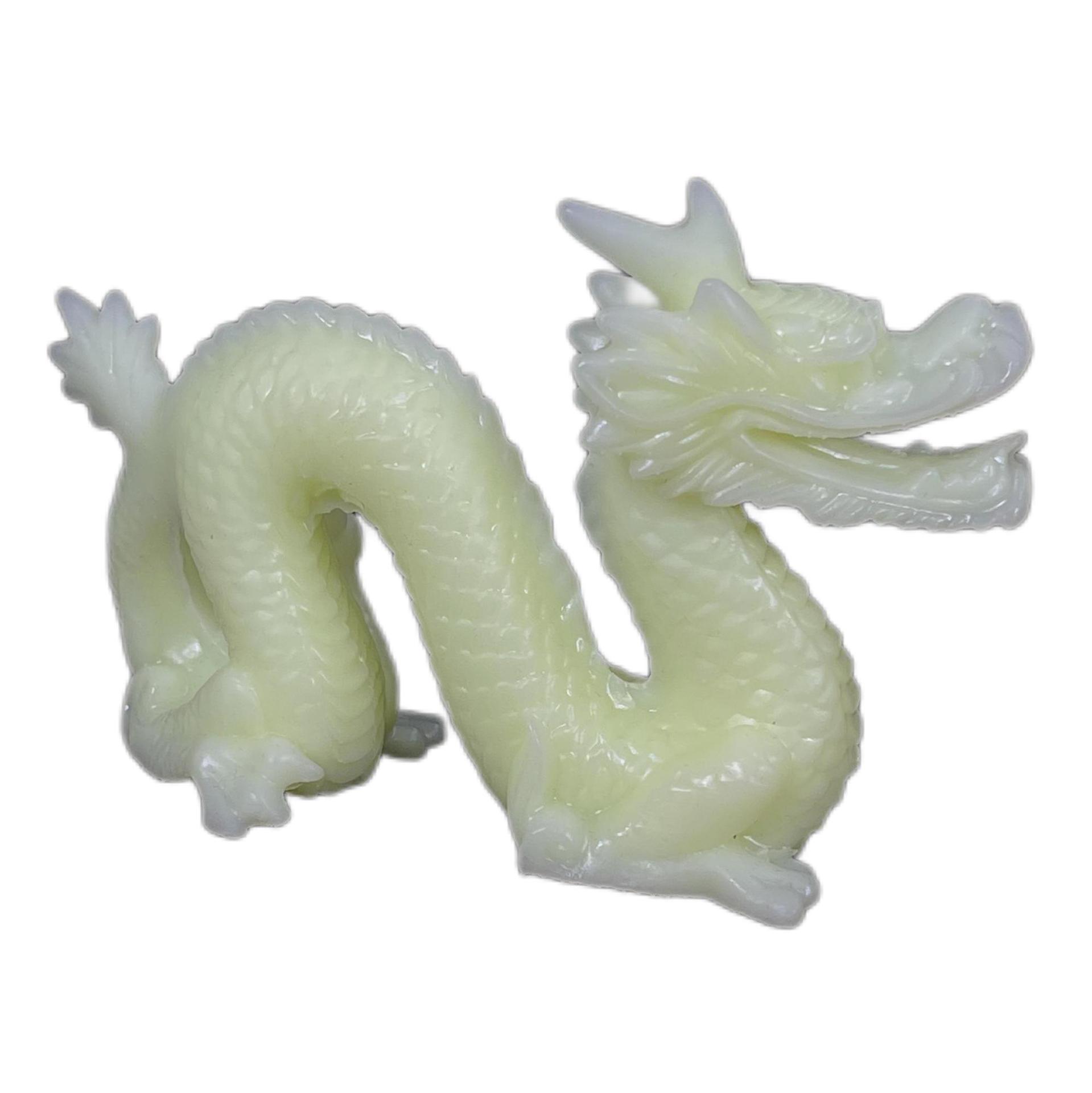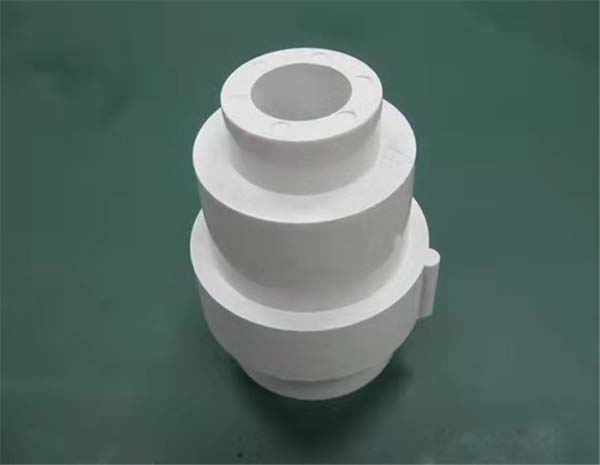
You have seen 3D printed objects with visible layer lines. You have felt rough surfaces that required hours of sanding. Then you hold an SLA printed part—smooth as glass, sharp as machined metal, with details that seem impossible. Stereolithography (SLA) is the original 3D printing technology, but modern SLA 3D printing has transformed it into a high-precision production tool. This guide explores how SLA works, what makes it different, and how it is driving a revolution in industries from medical to aerospace.
What Makes SLA 3D Printing Different?
SLA stands for Stereolithography Apparatus. It was invented in the 1980s by Charles Hull and remains one of the most precise 3D printing technologies available. Unlike FDM, which extrudes molten plastic, SLA uses light to cure liquid resin into solid objects.
The Core Principle: Photopolymerization
SLA relies on photopolymerization—a chemical reaction where UV light causes liquid resin molecules to link into solid polymer chains. A UV laser or projector traces each layer, solidifying the resin exactly where needed.
The result is parts with:
- Smooth surfaces—minimal visible layer lines
- High precision—tolerances down to ±0.05 mm
- Fine details—features as small as 0.1 mm
How Does the SLA Process Work?
The process follows a precise sequence. Each step affects the final quality.
Step 1: Digital Design and Slicing
A 3D CAD model is created. Slicing software divides it into thin layers—typically 0.025 mm to 0.2 mm thick. Thinner layers capture more detail but take longer.
Step 2: Resin Preparation
The printer’s resin tank is filled with photosensitive liquid resin. Different resins offer different properties: standard, tough, high-temp, flexible, biocompatible.
Step 3: Layer-by-Layer Curing
The build platform lowers into the resin, leaving a thin layer between the platform and the tank bottom. A UV laser traces the shape of the first layer, curing the resin. The platform lifts. Fresh resin flows beneath. The next layer cures. The process repeats.
Step 4: Post-Processing
After printing:
- Washing: Uncured resin is removed with isopropyl alcohol or water
- Support removal: Temporary structures are cut or dissolved
- UV curing: Final hardening under UV light (5–15 minutes)
What Are the Key Components of an SLA Printer?
Understanding the hardware helps evaluate SLA printing services.
| Component | Function | Impact on Quality |
|---|---|---|
| UV Laser | Cures resin layer by layer | Laser power and spot size affect detail and speed |
| Optical System | Guides and focuses laser beam | Precision determines edge sharpness |
| Resin Tank | Holds liquid resin | Transparency and temperature control affect consistency |
| Build Platform | Supports printed object | Adhesion properties ensure first-layer success |
| Control System | Coordinates all components | Accuracy of movement determines dimensional precision |
Real example: A high-end SLA printer uses a 405 nm UV laser with a 0.05 mm spot size, achieving sharp edges on features as small as 0.2 mm—ideal for jewelry and dental applications.
How Does SLA Compare to Traditional Stereolithography?
Modern SLA 3D printing has advanced significantly from early stereolithography.
| Comparison Aspect | Modern SLA 3D Printing | Traditional Stereolithography |
|---|---|---|
| Precision (Tolerance) | ±0.05–0.1 mm | ±0.1–0.2 mm |
| Layer Thickness | 0.025–0.2 mm | 0.05–0.3 mm |
| Surface Finish (Ra) | 0.8–3.2 μm | 1.6–6.3 μm |
| Edge Definition | Sharp, well-defined | Slightly rounded |
| Print Speed | Faster (optimized laser scanning) | Slower |
| Material Options | Wide range (standard, tough, high-temp, flexible, biocompatible) | Limited |
Precision and Surface Finish
Modern SLA achieves higher precision with thinner layers. A 0.05 mm layer captures details that traditional stereolithography missed. Surface finish is smoother, reducing post-processing time.
Speed
Advanced laser systems and scanning algorithms reduce print time by up to 60% compared to early stereolithography. Multiple laser systems further accelerate production.
Material Versatility
Early stereolithography offered few resin options. Modern SLA supports:
- Standard resins: General purpose
- Tough resins: Impact-resistant
- High-temp resins: Heat deflection to 200–300°C
- Flexible resins: Rubber-like
- Biocompatible resins: ISO 10993 certified
- Castable resins: Jewelry patterns
What Real-World Applications Show SLA’s Revolution?
SLA’s precision and surface quality make it indispensable across industries.
Medical and Dental
| Application | How SLA Helps | Result |
|---|---|---|
| Surgical guides | Print patient-specific guides from CT scans | Reduced surgery time; improved accuracy |
| Dental models | Produce accurate models for crowns, bridges | Perfect fit; faster turnaround |
| Orthodontic aligners | Print clear aligner models | Precise tooth movement |
| Custom implants | Print biocompatible cranial or maxillofacial implants | Patient-specific fit; better outcomes |
Example: A patient with a large cranial defect received a custom 3D printed skull implant. The SLA printed implant matched the defect exactly, integrating seamlessly with surrounding bone. Surgery time was reduced by 40% compared to traditional implant methods.
Data point: A study at a major medical center found that using 3D printed heart models for pre-surgical planning reduced average surgery time by 20% .
Aerospace
| Application | How SLA Helps | Result |
|---|---|---|
| Turbine blades | Print complex cooling channel geometries | Improved efficiency; longer life |
| Fuel nozzles | Optimize internal structures for fuel flow | 10% fuel consumption reduction |
| Lightweight components | Use lattice structures to reduce weight | 5% aircraft weight reduction; improved fuel efficiency |
Example: A leading aerospace company used SLA to produce a new generation of fuel nozzles with optimized internal structures. The result: 10% reduction in fuel consumption for the engine.
Automotive
| Application | How SLA Helps | Result |
|---|---|---|
| Rapid prototyping | Print prototype parts in hours | 6-month reduction in development time |
| Custom parts | Create unique components for enthusiasts | Personalized designs; functional fit |
| Tooling | Print jigs and fixtures | Faster production line setup |
Example: A car manufacturer used SLA prototyping to test multiple bumper designs. Development time for a new sports car model was reduced by 6 months , beating competitors to market.
Consumer Goods
| Application | How SLA Helps | Result |
|---|---|---|
| Jewelry | Print master patterns for casting | Intricate filigree; sharp details |
| Luxury goods | Create limited-edition accessories | Unique designs; premium positioning |
| Personalized items | Custom phone cases, home decor | One-of-a-kind products |
Example: A jewelry designer used SLA to print a ring with 0.2 mm filigree details. The castable resin pattern burned out cleanly, producing a metal ring with details that hand-carving could not match.
What Are the Advantages Over Other 3D Printing Technologies?
SLA occupies a specific niche in the 3D printing landscape.
| Feature | SLA | FDM | SLS |
|---|---|---|---|
| Surface Finish | Smooth (0.8–3.2 μm Ra) | Rough (layer lines) | Slightly grainy |
| Detail | Very high (0.025 mm layers) | Moderate (0.1–0.3 mm) | High (0.05–0.15 mm) |
| Precision | ±0.05–0.1 mm | ±0.1–0.3 mm | ±0.1–0.2 mm |
| Material Cost | Moderate | Low | Moderate-high |
| Supports | Required | Required | Not required |
| Post-Processing | Washing, curing, support removal | Support removal, sanding | Light cleaning |
| Best For | High detail, smooth surfaces | Large parts, functional prototypes | Durable, complex geometries |
What Post-Processing Does SLA Require?
SLA parts are not finished when they come off the printer. Post-processing is essential.
Cleaning
Uncured resin must be removed. Parts are washed in isopropyl alcohol (IPA) or water (for water-washable resins). Agitation removes residue from fine details.
Support Removal
Supports are cut with flush cutters. For delicate features, dissolve supports in warm water (if using water-soluble supports) or carefully snap them off.
UV Curing
After washing and support removal, parts undergo UV curing in a chamber for 5–15 minutes. This final step completes polymerization, achieving full mechanical properties.
Finishing
- Sanding: For ultra-smooth surfaces, wet sand with 400–2000 grit
- Priming and painting: Apply acrylic primer, then paint
- Polishing: Use compounds for glossy finish
What Are the Limitations?
SLA is powerful, but it has constraints.
Material Cost
Resin costs $40–150 per liter, significantly more than FDM filament. For large parts, this adds up.
Build Volume
Desktop SLA printers typically have build volumes under 200 x 120 x 200 mm. Larger parts require industrial machines or splitting.
Post-Processing Requirements
Every SLA print requires washing and UV curing. This adds time and requires dedicated equipment.
Part Durability
Standard resins are brittle. For functional parts requiring toughness, engineering resins (tough, high-temp) are necessary.
Safety
Liquid resin is toxic before curing. Gloves, safety glasses, and ventilation are essential. Uncured resin must be disposed of properly.
Yigu Technology’s Perspective
As a custom manufacturer, Yigu Technology uses SLA 3D printing for applications where precision and surface finish matter most. We serve:
- Medical clients: Surgical guides, dental models, biocompatible implants
- Aerospace and automotive: High-detail prototypes, functional testing
- Jewelry and art: Master patterns, intricate designs
We guide clients on:
- Resin selection: Matching material properties to application
- Design optimization: Ensuring printability, minimizing supports
- Post-processing: From washing to painting
- Quality control: Dimensional verification, surface inspection
In our experience, SLA’s sweet spot is detailed parts under 200 mm. For larger or more durable parts, we combine SLA with other technologies—SLA for detail, FDM for structure, SLS for complex assemblies.
Conclusion
SLA 3D printing has driven a revolution in stereolithography. It delivers smooth surfaces, fine details, and tight tolerances that other technologies cannot match. From custom medical implants to aerospace components, SLA enables designs that were impossible with traditional manufacturing.
The technology requires post-processing and careful material handling, but the results—parts that look and feel like injection-molded products—justify the effort. As resins improve and printers become faster, SLA will continue expanding into production applications, not just prototyping.
FAQ
What are the most common post-processing steps for SLA 3D printed parts?
The standard steps are: washing (removing uncured resin with isopropyl alcohol or water), support removal (cutting or dissolving temporary structures), UV curing (final hardening under UV light for 5–15 minutes), and optional finishing (sanding, priming, painting). Proper post-processing ensures part strength, safety, and appearance.
How does the cost of SLA 3D printing compare to other 3D printing technologies in the long run?
SLA equipment costs are moderate compared to industrial metal printers but higher than FDM. Material costs are moderate—more than FDM filament but less than some SLS powders. Long-term cost effectiveness comes from reduced post-processing (smoother surfaces need less sanding) and precision (fewer failed prints). For high-detail, low-volume applications, SLA is often the most cost-effective option.
What new applications of SLA 3D printing are emerging in the consumer goods industry?
Emerging applications include personalized electronics (custom smartphone cases with integrated features), luxury fashion accessories (intricate jewelry, limited-edition items), custom home decor (lampshades, wall art), and bespoke sports equipment (custom-fit grips, components). Consumers increasingly expect products tailored to their preferences—SLA delivers that capability.
How accurate are SLA 3D printed parts?
Typical accuracy is ±0.05–0.1 mm for standard SLA printers. High-end industrial systems achieve ±0.02–0.05 mm. Accuracy depends on printer calibration, resin type, and part geometry. Features as small as 0.1–0.2 mm are reliably printed.
Can SLA 3D printing be used for production, not just prototyping?
Yes. SLA is increasingly used for low-volume production (100–5,000 units) of high-detail parts. Applications include dental aligners, surgical guides, custom jewelry, and limited-edition consumer goods. For high-volume production (tens of thousands), traditional methods like injection molding remain more cost-effective, but SLA serves bridge production and niche markets.
Contact Yigu Technology for Custom Manufacturing
Yigu Technology specializes in non-standard plastic and metal custom manufacturing, including SLA 3D printing for high-precision parts. Whether you need medical devices, aerospace components, or custom consumer goods, our engineering team delivers quality and precision. Contact us today to discuss your SLA printing project.