Introduction
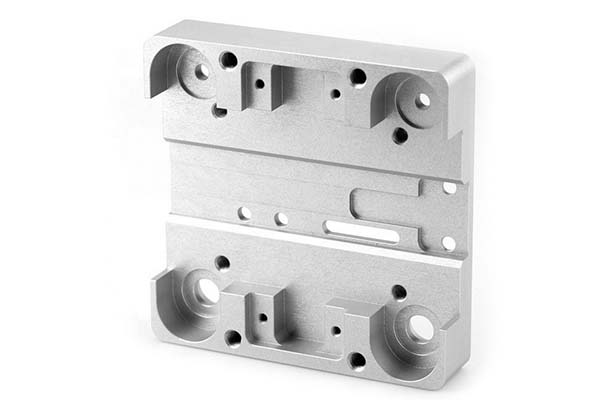
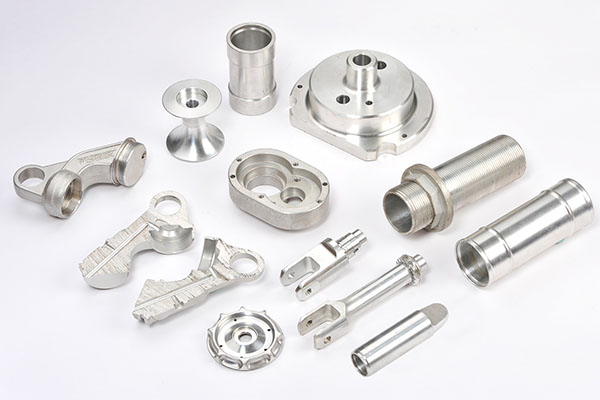
Manufacturing is evolving. The demand for lighter, stronger, and more complex parts is growing across industries. Rapid prototyping with aluminium combines the unique properties of this versatile metal with the design freedom of additive manufacturing. The result is a transformative approach that accelerates development, reduces costs, and enables geometries previously impossible. This guide explores how aluminium rapid prototyping works, its key technologies, and its impact across aerospace, automotive, and healthcare.
Why Aluminium? Understanding the Material’s Advantages
Aluminium is the third-most abundant element in the Earth’s crust. Its unique combination of properties makes it ideal for prototyping and production.
High Strength-to-Weight Ratio
Aluminium alloys offer exceptional strength while being lightweight. 6061-T6 aluminium has a tensile strength of approximately 310 MPa, yet its density is only 2.7 g/cm³—about one-third that of steel.
In aerospace, weight reduction directly impacts fuel consumption. A Boeing study found that a 1% reduction in aircraft weight leads to a 0.7% reduction in fuel consumption over the aircraft’s life.
Corrosion Resistance
Aluminium forms a thin, protective oxide layer when exposed to air. This natural barrier prevents further oxidation and corrosion. In marine applications, aluminium components show minimal signs of corrosion after years of saltwater exposure, while steel components in the same environment develop significant rust.
Thermal Conductivity
Pure aluminium has a thermal conductivity of approximately 205 W/(m·K) . This property makes it ideal for heat-dissipating applications. In electronics, a well-designed aluminium heat sink can reduce CPU temperature by 10–15°C under heavy load—extending component life and improving performance.
What Are the Key Technologies for Aluminium Rapid Prototyping?
Several additive manufacturing processes enable aluminium prototyping.
| Technology | Process | Precision | Best For |
|---|---|---|---|
| Selective Laser Sintering (SLS) | Laser fuses aluminium powder into solid layers | ±0.1 mm | Complex geometries, functional prototypes |
| Selective Laser Melting (SLM) | High-power laser fully melts powder for dense parts | ±0.05 mm | High-strength, fully dense functional parts |
| Binder Jetting | Binder bonds powder particles; parts sintered later | ±0.15 mm | Medium complexity, cost-effective for small batches |
SLM is the most common for high-performance aluminium parts. It produces fully dense components with mechanical properties approaching wrought or cast materials.
How Is Aluminium RP Transforming Industries?
The impact spans aerospace, automotive, and healthcare.
Aerospace and Defense
Weight reduction, strength, and design flexibility are paramount.
Airbus A350 XWB: Airbus uses 3D-printed aluminium brackets extensively. Each aircraft saves approximately 600 kg in weight due to these components. Over a 10,000 km long-haul flight, this saves 200–300 liters of fuel compared to traditional brackets—reducing operating costs and carbon emissions.
Military Drones: Aluminium RP enables lightweight yet strong frames. A US military study found that drones with aluminium frames produced via rapid prototyping had a 20% improvement in maneuverability compared to traditional frames. Custom-designed frames can be rapidly modified for different missions—surveillance in mountainous regions, for example—allowing quick adaptation to harsh conditions.
Automotive
The automotive industry, especially electric vehicles, benefits significantly.
Electric Vehicles (EVs): Weight reduction directly extends range. Aluminium battery enclosures produced via SLS can reduce battery system weight by up to 25%. For a mid-size EV with a traditional 200 kg battery enclosure, a 50 kg reduction increases range by 10–15% while maintaining safety and structural integrity.
Rapid Tooling: Custom jigs and fixtures for production lines can be produced in 48 hours using aluminium RP—compared to 2–3 weeks with traditional methods. This rapid turnaround enables faster production ramp-up, reduced costs, and quick response to design changes.
Healthcare
Aluminium RP is making strides in medical applications.
MRI-Compatible Implants: Non-magnetic aluminium alloys ensure patient safety during MRI procedures. Traditional metal implants can interfere with imaging. A study of 100 patients with aluminium-alloy orthopedic implants showed high-quality MRI scans with no interference—enabling more accurate diagnoses.
Surgical Guides: Custom-designed guides based on CT scans can be rapidly prototyped. A hospital in London reported that aluminium surgical guides reduced surgery time by 20% in orthopedic procedures—providing surgeons with accurate roadmaps, reducing errors, and improving patient outcomes.
What Are the Key Material Properties Driving Innovation?
Aluminium alloys like 6061 and 7075 offer properties that enable innovation.
| Property | Value | Impact |
|---|---|---|
| Tensile Strength | Up to 310 MPa (6061-T6) | Parts withstand significant mechanical stress—engine components, structural brackets |
| Density | 2.7 g/cm³ (1/3 of steel) | Weight reduction improves fuel efficiency, range, and maneuverability |
| Thermal Conductivity | 167–205 W/(m·K) | Effective heat dissipation—electronics cooling, heat exchangers |
| Corrosion Resistance | Natural oxide layer | Longevity in marine, outdoor, and harsh environments |
In automotive, aluminium cylinder heads handle high-pressure, high-temperature conditions while being much lighter than cast iron—improving fuel efficiency.
In aerospace, every kilogram of weight reduction leads to significant fuel savings over an aircraft’s life. A commercial airliner using aluminium RP components can save thousands of liters of fuel annually, reducing operating costs and carbon emissions.
Is Aluminium Rapid Prototyping Cost-Effective?
Yes, especially for low-volume production and product development.
| Cost Factor | Traditional Manufacturing | Aluminium Rapid Prototyping |
|---|---|---|
| Tooling/Mold Cost | Tens of thousands | $0 |
| Setup Time | Weeks | Hours to days |
| Design Iteration Cost | High (new molds) | Low (digital changes) |
| Material Waste | 30–50% | 5–15% |
For a small-scale production run of 100 custom parts, injection molding molds could cost tens of thousands. With rapid prototyping, this mold cost is eliminated. While per-unit cost may be higher than mass production, the ability to quickly iterate designs without additional tooling leads to significant savings.
A manufacturing research firm found that for projects with multiple design iterations, companies using aluminium RP saved an average of 30% on development costs compared to relying solely on traditional manufacturing.
Is Aluminium RP Environmentally Friendly?
Aluminium rapid prototyping is relatively environmentally friendly.
Reduced material waste: Additive manufacturing builds parts layer by layer, using only necessary material. Traditional subtractive methods can waste 30–50% of material. Aluminium RP reduces waste to 5–15%.
Recyclability: Aluminium is highly recyclable. Some aluminium powders used in rapid prototyping are made from recycled aluminium, reducing demand for energy-intensive primary production.
Energy efficiency: A life-cycle assessment found that aluminium RP can reduce energy consumption by up to 50% and material waste by 80% compared to traditional manufacturing for certain applications.
How Does Yigu Technology Approach Aluminium Rapid Prototyping?
As a non-standard plastic and metal products custom supplier, Yigu Technology offers comprehensive aluminium prototyping services.
We Offer Multiple Technologies
- SLM for fully dense, high-strength functional parts
- SLS for complex geometries and functional prototypes
- CNC machining for precision features and finishing
We Provide Material Expertise
Our engineers help you select the right aluminium alloy—6061 for general-purpose strength, 7075 for high-stress applications, or specialized alloys for thermal or corrosion requirements.
We Support Iteration
We work with you through multiple design iterations, providing DFM feedback and optimizing designs for additive manufacturing.
Conclusion
Rapid prototyping with aluminium is revolutionizing manufacturing. It combines the lightweight strength, corrosion resistance, and thermal conductivity of aluminium with the design freedom of additive manufacturing. The result is faster development cycles, reduced costs, and parts with geometries previously impossible.
From Airbus saving 600 kg per aircraft to EVs gaining 15% range, from military drones with 20% better maneuverability to MRI-compatible implants, aluminium RP is driving innovation across industries. As technology advances, its role will only grow—enabling lighter, stronger, and more efficient products.
Frequently Asked Questions
Is aluminium rapid prototyping cost-effective?
Yes, especially for low-volume production and development. While equipment investment may seem high, it eliminates expensive molds and tooling. For projects with multiple design iterations, companies using aluminium RP save an average of 30% on development costs compared to traditional methods.
Which industries benefit most from aluminium RP?
Aerospace, automotive, and healthcare benefit significantly. Aerospace uses it for lightweight components (Airbus A350 XWB). Automotive uses it for EV battery enclosures and rapid tooling. Healthcare uses it for MRI-compatible implants and custom surgical guides.
Is aluminium RP environmentally friendly?
Yes. Additive manufacturing minimizes material waste (5–15% vs. 30–50% for subtractive methods). Aluminium is highly recyclable, and some powders are made from recycled material. Life-cycle assessments show up to 50% energy reduction and 80% waste reduction for certain applications.
What is the difference between SLS and SLM for aluminium?
SLS sinters powder—particles fuse at lower temperatures, resulting in some porosity. SLM fully melts powder with high-power lasers, producing fully dense parts with mechanical properties approaching wrought materials. SLM is preferred for high-strength functional parts.
Can aluminium RP parts match traditionally manufactured parts in strength?
Yes. Properly processed SLM aluminium parts achieve densities over 99.5% and mechanical properties comparable to cast or wrought materials. Post-processing—heat treatment, hot isostatic pressing (HIP)—further improves properties.
Contact Yigu Technology for Custom Manufacturing
Ready to leverage aluminium rapid prototyping for your next project? Yigu Technology offers SLM, SLS, and CNC machining services for aluminium components. Our engineers help you select the right alloy and process for your application. Contact us today to discuss your project.