Introduction
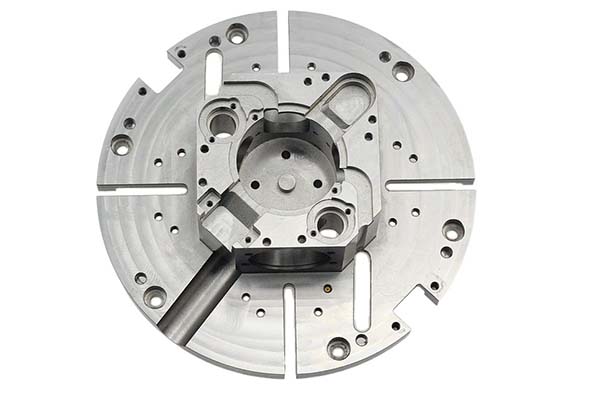
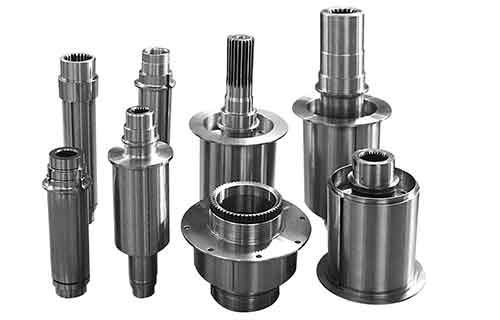
When you think of CNC milling, you might picture a machine cutting metal into simple shapes. But today’s most innovative projects go far beyond that. They push the boundaries of precision, materials, and automation. These projects showcase true mastery—turning complex ideas into real-world components with incredible accuracy.
Whether you work in aerospace, medical devices, or consumer electronics, understanding these advancements helps you recognize what top-tier manufacturers can achieve. This guide explores the most groundbreaking CNC milling projects, breaking down the techniques and technologies that make them possible. You will discover how advanced machining solves real manufacturing challenges and sets new standards for quality and efficiency.
Why Do Advanced Materials and Complex Geometries Matter?
Modern CNC milling projects often involve materials and shapes that were nearly impossible to machine just a decade ago. The combination of exotic alloys and intricate designs demands not only powerful machines but also deep material knowledge and creative problem-solving.
How Does Double-Head Milling Transform Mold Processing?
Mold making is a cornerstone of manufacturing. From smartphone casings to automotive dashboards, high-quality molds determine the final product’s precision and finish. Traditional single-head milling machines process one surface at a time, requiring multiple setups and repositioning steps. Each repositioning introduces potential errors.
Enter double-head milling. This innovation uses two spindles working simultaneously. For a complex injection mold used in smartphone casings, a double-head machine can machine both sides of the mold in a single setup. The result? Cycle times drop by up to 40%. A mold that once took 10 hours can now be completed in about 6 hours.
But speed is not the only benefit. Precision improves dramatically. Double-head systems maintain accuracy within ±0.001mm, compared to ±0.01mm for conventional machines. This level of precision is critical for creating micro-features like ultra-thin walls as thin as 0.3mm and intricate textures that give consumer electronics their premium feel.
| Aspect | Single-Head Milling | Double-Head Milling |
|---|---|---|
| Cycle Time | Up to 10 hours for complex molds | About 6 hours (40% faster) |
| Precision | ±0.01mm | ±0.001mm |
| Setup Time | Longer due to repositioning | Significantly reduced |
| Micro-Feature Ability | Difficult to maintain consistency | Seamless integration of thin walls and textures |
A real-world example comes from producing injection molds for high-end smartphone frames. Using double-head milling, the manufacturer eliminated the need for repositioning, ensuring that fine details like speaker grilles and button cutouts aligned perfectly across both halves of the mold.
What Makes Aerospace Titanium Alloy Machining So Challenging?
Titanium alloys, particularly Ti-6Al-4V, are prized in aerospace for their strength-to-weight ratio and corrosion resistance. However, they are notoriously difficult to machine. Titanium has low thermal conductivity, meaning heat builds up at the cutting edge rather than dissipating. It also has high chemical reactivity, causing it to weld onto cutting tools under high temperatures.
Innovative CNC milling projects tackle these challenges head-on. Leading manufacturers combine high-speed milling with specialized carbide tools and cryogenic cooling. Liquid nitrogen or carbon dioxide is directed at the cutting zone, reducing temperatures by up to 300°C. This cooling extends tool life by 50% —from 10 hours to 15 hours of continuous machining.
Consider a project to machine a titanium aerospace structural bracket. This component featured intricate internal channels and thin webs with wall thicknesses under 1mm. Using 5-axis CNC technology with cryogenic cooling, the team achieved:
- A surface finish of Ra 0.8μm, exceeding standard aerospace requirements
- Dimensional accuracy within ±0.02mm on complex curved surfaces
- Real-time vibration monitoring to eliminate chatter
| Parameter | Conventional Machining | With Cryogenic Cooling |
|---|---|---|
| Cutting Temperature | ~800°C | ~500°C (300°C reduction) |
| Tool Life | ~10 hours | ~15 hours (50% increase) |
| Surface Finish (Ra) | ~1.2μm | 0.8μm |
| Dimensional Accuracy | ±0.05mm | ±0.02mm |
This level of precision is not just about meeting specifications. It ensures that aerospace components fit together perfectly, reducing assembly time and improving safety.
How Is Automation Redefining CNC Milling Efficiency?
Speed and precision matter, but so does consistency. Innovative CNC milling projects increasingly rely on automation to eliminate human error and maximize throughput. The goal is often lights-out manufacturing—factories that run 24/7 with minimal human intervention.
What Does Smart Factory Integration Look Like?
Industry 4.0 technologies are transforming CNC milling from isolated machining operations into interconnected production systems. A leading example involves a mass production line for automotive transmission components. This facility deployed 20 interconnected 5-axis machining centers, each equipped with AI-driven predictive maintenance software.
Robotic arms load and unload raw materials. Automated tool changers swap out worn cutters without stopping production. IoT sensors monitor vibration, temperature, and tool wear in real time. When the system detects an anomaly, it automatically adjusts cutting parameters to compensate.
The results are striking:
- Unplanned downtime reduced by 70%
- Material removal rates increased by 25% through optimized cutting parameters
- Scrap rates dropped from 5% to 1.2%
| Parameter | Traditional Setup | Innovative Turnkey Solution | Improvement |
|---|---|---|---|
| Cycle Time per Part | 45 minutes | 28 minutes | 38% |
| Tool Replacement Time | 15 minutes | 3 minutes (automatic) | 80% |
| Scrap Rate | 5% | 1.2% | 76% |
This level of efficiency means manufacturers can respond faster to demand fluctuations while maintaining consistent quality. For clients, it translates to shorter lead times and lower costs.
How Does Rapid Prototyping Benefit Medical Device Development?
In the medical device industry, speed can save lives. Custom implants and surgical tools often require rapid iteration based on patient-specific data. Innovative CNC milling projects now combine subtractive (CNC milling) and additive (3D printing) processes to achieve what neither could alone.
Take a cranial implant project as an example. The patient’s skull geometry was captured through CT scans. Engineers first used 3D laser powder bed fusion to print a titanium alloy structure close to the final shape. Then, a 5-axis CNC mill finished the implant, refining the curved surface to match the patient’s anatomy exactly.
This hybrid approach delivered:
- A fit accuracy of ±0.05mm, ensuring proper integration with surrounding bone
- A biocompatible surface finish of Ra ≤0.4μm, critical for osseointegration
- Prototyping time reduced from 14 days to 5 days
For medical device companies, this speed means shorter development cycles and faster time to market. For patients, it means better-fitting implants and quicker recoveries.
Conclusion
The most innovative CNC milling projects today are defined by their mastery of advanced materials, complex geometries, and automation. Double-head milling achieves unprecedented precision in mold making. Cryogenic cooling unlocks the full potential of aerospace-grade titanium alloys. Smart factory integration slashes cycle times and scrap rates. Hybrid manufacturing brings custom medical devices to patients faster than ever.
These advancements are not just technical achievements. They represent real solutions to real manufacturing challenges. Whether you are sourcing components for aerospace, automotive, medical, or consumer electronics, understanding these innovations helps you partner with manufacturers who can deliver the quality and reliability your projects demand.
The future of CNC milling lies in pushing boundaries—creating parts that were once impossible, faster than ever before, with precision that sets new standards.
FAQs
What is double-head milling and why is it innovative?
Double-head milling uses two spindles that operate simultaneously on a single machine. This innovation reduces cycle times by up to 40% and maintains precision within ±0.001mm. It is particularly valuable for mold making, where it eliminates repositioning errors and enables seamless integration of micro-features like ultra-thin walls.
How does cryogenic cooling improve titanium machining?
Cryogenic cooling directs liquid nitrogen or carbon dioxide to the cutting zone, reducing temperatures by up to 300°C. This extends tool life by 50%, improves surface finish to Ra 0.8μm, and ensures dimensional accuracy within ±0.02mm for complex aerospace components.
What are the benefits of combining CNC milling with 3D printing?
Combining subtractive and additive manufacturing allows manufacturers to leverage the strengths of both processes. 3D printing creates near-net shapes quickly, while CNC milling provides the precision and surface finish required for critical applications. This hybrid approach reduces prototyping time by up to 65% and achieves fit accuracy within ±0.05mm for patient-specific medical implants.
How does smart factory integration improve CNC milling efficiency?
Smart factory integration connects CNC machines with robotics, IoT sensors, and AI-driven software. This setup enables lights-out manufacturing, reduces unplanned downtime by up to 70%, increases material removal rates by 25%, and cuts scrap rates by over 75% compared to traditional setups.
What industries benefit most from innovative CNC milling projects?
Aerospace, medical devices, automotive, and consumer electronics benefit significantly. Aerospace requires precision titanium components. Medical devices demand custom, biocompatible implants. Automotive needs high-volume, consistent transmission parts. Consumer electronics relies on intricate molds for casings with micro-features.
Contact Yigu Technology for Custom Manufacturing
At Yigu Technology, we specialize in turning complex designs into precision-machined realities. With 15 years of experience, advanced 5-axis machining capabilities, and ISO 9001 certification, we bring the innovations discussed in this guide to your projects. Whether you need aerospace-grade titanium components, intricate injection molds, or rapid medical prototypes, our team combines technical mastery with transparent communication.
We believe in showing, not just telling. Contact us today to discuss your custom manufacturing needs and see how our expertise can bring your most challenging projects to life.