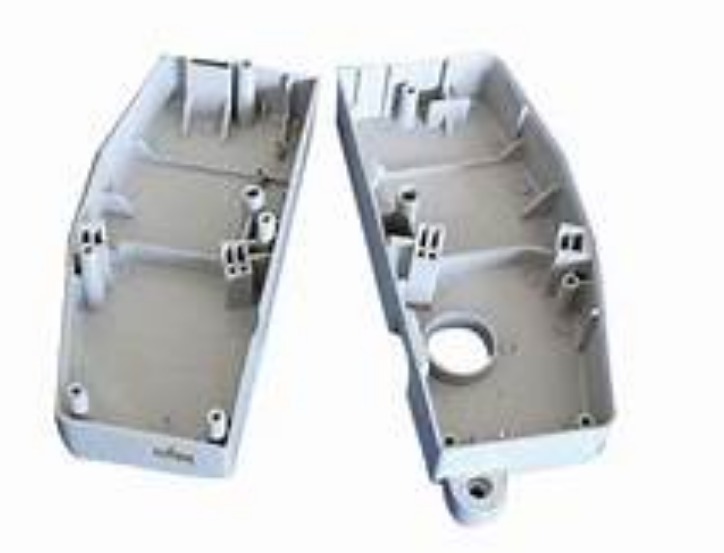
Introduction
In today’s highly competitive business landscape, precision parts manufacturers play a pivotal role in helping companies gain a competitive edge. These manufacturers are the unsung heroes behind the scenes, providing the high-quality, precisely engineered components that form the building blocks of countless products across industries.
In automotive, precision parts are fundamental to performance, safety, and reliability. Engines with precision-made parts can improve fuel efficiency by up to 15% —a significant factor given rising fuel costs and environmental sustainability concerns. Vehicles with high-quality precision-made brakes have a 20% lower risk of brake failure compared to sub-standard parts.
In aerospace, turbine blades operate under extremely high temperatures and rotational speeds—requiring precision tolerance within 0.001 inches. Any deviation could cause failure, leading to millions in losses and potential risk to human lives.
In medical devices, precision-crafted scalpels enable cleaner incisions, reducing tissue damage and promoting faster healing. Precision-made magnets and coils in MRI machines generate clear, accurate images—vital for early disease detection.
This guide explores how precision parts manufacturers help companies stand out through unparalleled precision, customization, cost-efficiency, and quality.
How Do Precision Parts Manufacturers Achieve Unparalleled Precision and Quality?
Advanced Manufacturing Technologies
| Technology | Capability | Applications |
|---|---|---|
| CNC machining | Programmed precise movements; tolerances as low as ±0.001 inches | High-performance engine components—perfect fit; optimizes performance; reduces wear |
| EDM (Electrical Discharge Machining) | Electrical sparks remove material; creates complex shapes; works with hard materials | Aerospace turbine blades—intricate cooling channels; high repeatability |
| 3D printing (additive manufacturing) | Builds parts layer by layer; highly customized; complex geometries | Medical implants—patient-specific; designed to fit unique anatomy; improves surgery success rates; enhances recovery |
Stringent Quality Control Measures
| Stage | Process | Accuracy |
|---|---|---|
| Raw material inspection | Chemical composition; mechanical properties—hardness tests; spectrometers detect impurities | Prevents downstream issues |
| In-process inspection | Dimensional checks using CMM (Coordinate Measuring Machine) | ±0.0001 inches; deviations trigger immediate corrective actions |
| Final inspection | Functional testing (e.g., brake calipers—high-pressure hydraulic tests); visual inspections (scratches, cracks, porosity) | Ensures integrity; performance under simulated conditions |
Defect rates: Top-tier precision parts manufacturers report defect rates of less than 0.1% —fewer than one defective part per 1,000 produced.
How Do Precision Parts Manufacturers Enable Customization?
Tailoring Solutions for Diverse Industries
| Industry | Requirements | Precision Parts Manufacturer Response |
|---|---|---|
| Medical | Highly precise; biocompatible | Titanium alloys (strength, biocompatibility); advanced manufacturing techniques—implants, surgical instruments |
| Electronics | Miniaturization; tiny components; high functionality | Micro-sized connectors; circuit board components; tolerances in micrometer range; high-precision micro-milling machines |
| Energy | Withstand high torque; rotational forces; harsh environmental conditions | Specialized heat-treatment processes; precisely cut gears; smooth surfaces—reduce friction; increase efficiency (wind turbine gearbox components) |
Collaboration from Concept to Completion
| Stage | Collaboration Activity |
|---|---|
| Initial concept | Engineering team deep-dive into client requirements; intended application; performance expectations |
| Design feedback | Analyze sketches and specifications; suggest modifications to improve manufacturability; recommend alternative materials for cost-effectiveness |
| Prototyping | Produce sample parts using rapid prototyping (3D printing); client testing and evaluation; iterative refinements |
| Full-scale production | Open communication; regular updates; rigorous quality control at every stage |
| Delivery | Reliable logistics partners; on-time shipping; perfect condition |
How Does Precision Parts Manufacturing Achieve Cost-Efficiency in the Long Run?
Reducing Waste and Rework
| Scenario | Annual Rework Costs | Annual Material Waste Costs | Total Annual Cost Related to Waste and Rework |
|---|---|---|---|
| Without precision parts manufacturer | $50,000 | $30,000 | $80,000 |
| With precision parts manufacturer | $15,000 | $5,000 | $20,000 |
Savings: 75% reduction in waste and rework-related costs.
Mechanism: Tighter tolerances ensure parts fit properly—fewer rejections; less material waste; rework requires additional labor, resources, materials—precision manufacturing eliminates need.
Optimizing Production Processes
| Strategy | Impact |
|---|---|
| Lean manufacturing | Eliminates waste—overproduction, waiting times, excess inventory, unnecessary processing steps |
| Just-in-time (JIT) inventory | Order and produce exactly when needed—reduces inventory holding costs (storage, insurance, obsolescence) |
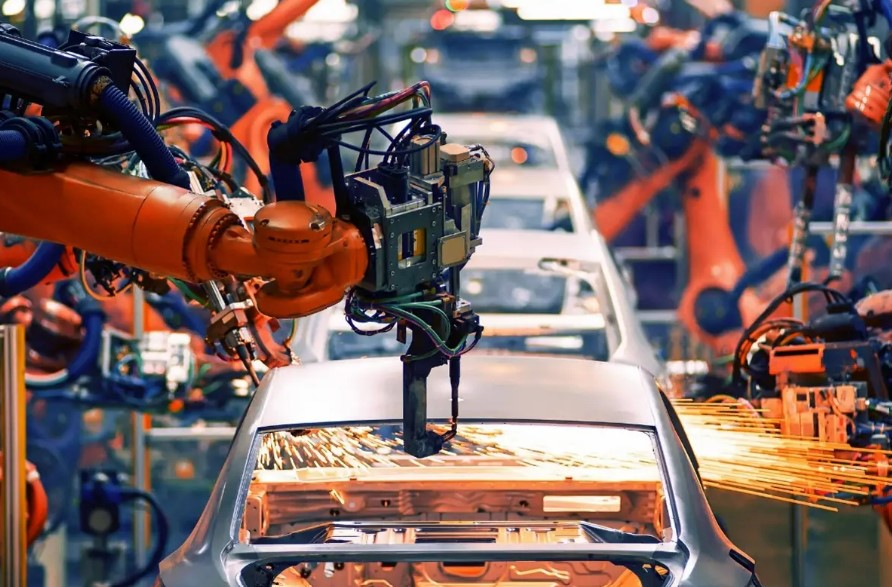
| Advanced automation | Robotic systems; automated machinery—continuous operation; no breaks; reduced production times; higher volumes; lower unit cost |
| Technology adoption | High-speed milling—30% reduction in machining time; improved surface finish; dimensional accuracy |
What Industries Benefit Most from Precision Parts Manufacturing?
| Industry | Key Applications | Impact |
|---|---|---|
| Medical | Surgical instruments, diagnostic equipment (MRI machines), implants | Precision-crafted scalpels—cleaner incisions; precise components—clear images; patient-specific implants—improved success rates |
| Aerospace | Turbine blades, engine components, structural parts | Tolerance within 0.001 inches—withstand high temperatures, rotational speeds; prevents catastrophic failure |
| Automotive | Engine pistons, brake components, transmission parts | 15% fuel efficiency improvement; 20% lower brake failure risk |
| Electronics | Micro-sized connectors, circuit board components, smartphone parts | Tolerances in micrometer range; reliable electrical connections; high-speed data transfer |
Conclusion
Precision parts manufacturers help companies stay ahead of competition through:
- Unparalleled precision and quality: CNC machining (±0.001 inches tolerances); EDM (complex shapes, hard materials); 3D printing (patient-specific implants); CMM inspection (±0.0001 inches); defect rates <0.1%
- Customization: Medical (biocompatible titanium alloys); electronics (micro-sized connectors, micrometer tolerances); energy (heat-treated gearbox components—reduced friction, increased efficiency); collaboration from concept to completion (design feedback, prototyping, full-scale production)
- Cost-efficiency in the long run: 75% reduction in waste and rework costs ($80,000 → $20,000 annually); lean manufacturing; JIT inventory; advanced automation; high-speed milling (30% machining time reduction)
By providing components with exact specifications, enabling customization, and optimizing production processes, precision parts manufacturers enable companies to produce goods that are more reliable, efficient, and of higher quality—ultimately helping them stand out in the competitive marketplace.
FAQs
How do precision parts manufacturers ensure the accuracy of their products?
Precision parts manufacturers use:
- Advanced equipment: CNC machines (tolerances ±0.001 inches or smaller); CMMs (±0.0001 inches)
- Multi-step quality control: Raw material inspection (chemical composition, mechanical properties); in-process inspections (regular dimensional checks; deviations trigger immediate corrective actions); final inspection (functional and visual checks)
Can precision parts manufacturers handle small-batch production?
Yes. They have flexibility to handle both large-scale and small-batch production using:
- Advanced technologies: 3D printing, CNC machining—easily re-programmed for different designs and volumes
- Quick setup: In-house engineering teams optimize production processes for high-quality output even with small numbers
What industries can benefit most from precision parts manufacturing?
Medical: Surgical instruments, diagnostic equipment (MRI), implants—precision-crafted scalpels ensure accurate incisions; precise components essential for clear imaging; patient-specific implants improve success rates.
Aerospace: Turbine blades, engine components—tolerance within 0.001 inches to withstand high temperatures, rotational speeds.
Automotive: Engine pistons, brake components—15% fuel efficiency improvement; 20% lower brake failure risk.
Electronics: Miniaturized components—micro-sized connectors, circuit board components; tolerances in micrometer range; ensure reliable performance.
How does precision parts manufacturing reduce waste and rework costs?
Tighter tolerances ensure parts fit properly—fewer rejections; less material waste. Rework is time-consuming and expensive (additional labor, resources, materials). Precision manufacturing eliminates need for rework—study shows 75% reduction in waste and rework-related costs ($80,000 → $20,000 annually).
What is the role of automation in precision parts manufacturing?
Advanced automation (robotic systems, automated machinery) increases precision and speed—continuous operation without breaks; reduced production times; higher production volumes; lower unit cost. Automated pick-and-place machines place tiny electronic components with extreme accuracy and speed—higher throughput; consistent quality.
Contact Yigu Technology for Custom Manufacturing
At Yigu Technology, we specialize in precision parts manufacturing for medical, aerospace, automotive, and electronics industries. With 15 years of experience, advanced CNC machining, EDM, 3D printing, and ISO 9001 certification, we deliver components with tolerances to ±0.001 inches and defect rates below 0.1%.
Our expertise includes material selection (titanium alloys, biocompatible materials), customization from concept to completion, and cost-efficient production (lean manufacturing, JIT, automation). Contact us today to discuss your precision parts requirements.