If you have ever seen a modern building facade, a car radiator, or a kitchen baking tray, you have likely encountered a perforated metal sheet. Simply put, it is a metal sheet that has been mechanically or chemically punched with a pattern of holes. These holes can be round, square, or custom shapes. The result is a versatile material that combines strength with airflow, light filtration, and aesthetic appeal. A recent study found that about 70% of modern commercial kitchens use perforated metal baking trays. This guide covers the types, manufacturing methods, and applications to help you choose the right one for your project.
What Types Are Available?
Material Choices and Their Properties
Perforated metal sheets come in various materials. Each offers a unique balance of strength, weight, and corrosion resistance.
| Material | Key Properties | Common Applications |
|---|---|---|
| Aluminum | Lightweight, corrosion-resistant, affordable | Building facades, ceiling tiles, electronics casings |
| Stainless Steel | High strength, excellent corrosion resistance | Food processing equipment, medical trays, industrial guards |
| Carbon Steel | Strong, cost-effective | Machine components, structural beams, guardrails |
Aluminum Perforated Sheets
Aluminum is popular because it is light and resists corrosion. Its low density makes it easy to handle and install. In a large architectural project, using aluminum ceiling panels significantly reduces the load on the building structure.
Aluminum forms a thin oxide layer when exposed to air. This protects it from further corrosion. That is why it works well outdoors, even in coastal areas. In terms of cost, aluminum is affordable compared to other metals. It is widely used in building decoration and electronics. For example, high-performance computer servers use aluminum perforated sheets in their casings to let heat escape.
Stainless Steel Perforated Sheets
Stainless steel contains chromium and nickel. These elements give it high strength and outstanding corrosion resistance. It can withstand acidic and alkaline environments.
In the food processing industry, stainless steel perforated sheets are used in sieves and conveyors. They ensure food products are not contaminated by rust. In medical settings, they appear in surgical instrument trays and hospital furniture. The chemical industry also relies on them for filtration in reactors.
Carbon Steel Perforated Sheets
Carbon steel offers high strength at a lower cost than stainless steel. It is commonly used in mechanical manufacturing for components like gears and brackets.
In construction, carbon steel perforated beams support the weight of roofs and other structures. They are also used in guardrails. The perforated design provides visibility while maintaining the strength needed to prevent falls.
How Are They Made?
Three Common Manufacturing Processes
The manufacturing method affects quality, precision, and cost. Here are the three most common processes.
Punching
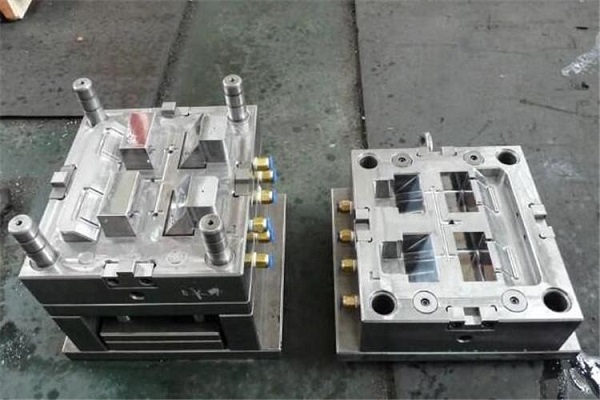
Punching uses a punch press and a die. The press applies high pressure, forcing the metal sheet against the die to cut out holes.
This method is highly efficient for large-scale production with regular hole shapes. For industrial ventilation systems, punching can meet high-volume needs. A modern high-speed punch press can produce hundreds of holes per minute.
However, the initial investment in dies is high. Designing and manufacturing a custom die requires precision machining. If production volume is low, the die cost may make the process uneconomical.
Laser Cutting
Laser cutting uses a high-energy beam to melt or vaporize the metal. It is ideal for complex hole patterns and high precision.
In the electronics industry, perforated sheets with micro-sized holes are needed for circuit boards and heat sinks. Laser cutting can achieve hole diameters as small as 0.1 mm with great accuracy.
The drawbacks are equipment cost and speed. A high-power laser cutting machine is expensive to buy and maintain. Processing is slower than punching, especially for large volumes, because the laser must trace each hole pattern precisely.
Chemical Etching
Chemical etching uses a chemical solution to selectively corrode the metal. A mask protects certain areas, while exposed metal dissolves to form holes.
This method excels at creating fine, complex patterns. In high-end interior decoration or artistic installations, chemical etching produces delicate details with smooth edges.
The limitations include longer production cycles and environmental concerns. The chemical reaction takes time. The solutions also require special handling and waste treatment, which adds to cost and complexity.
Where Are They Used?
Key Industries and Applications
Perforated metal sheets serve practical and decorative roles across many sectors.
Construction and Architecture
In building facades, perforated metal sheets add modern aesthetics while providing sun-shading and ventilation. A commercial building in a city center used perforated aluminum sheets on its facade. This reduced heat gain by about 30% compared to a solid facade.
For ceilings, perforated metal panels absorb sound. In a large shopping mall with high ceilings, they reduced noise reverberation time by 2–3 seconds. This created a more comfortable shopping environment.
Automotive Industry
In vehicle radiators, perforated metal fins increase surface area for heat transfer. A study on engine cooling systems showed that using perforated fins can increase heat dissipation efficiency by up to 15%.
Inside vehicles, perforated sheets appear in seat upholstery and door panels. The holes enhance breathability. In a survey, about 80% of car owners said perforated seat covers made long drives more comfortable, especially in hot weather.
How Do You Choose the Right One?
Key Selection Criteria
Selecting the right perforated metal sheet depends on several factors.
- Strength Requirements: For load-bearing structures, carbon steel or stainless steel is suitable. For decorative applications, aluminum may be sufficient.
- Environment: In corrosive settings like coastal areas or chemical plants, choose stainless steel or anodized aluminum.
- Budget: Carbon steel is the most cost-effective. Stainless steel costs more. Aluminum falls in between.
- Aesthetics: Hole shape, pattern, and surface finish affect appearance. Custom patterns can be achieved with laser cutting or chemical etching.
- Hole Size and Pattern: Round holes are common for ventilation. Square or hexagonal patterns offer different visual effects. Precision applications may require micro-holes.
Conclusion
Perforated metal sheets are versatile materials that combine functionality with visual appeal. They come in aluminum, stainless steel, and carbon steel, each suited to different environments and budgets. Manufacturing methods include punching for high volume, laser cutting for precision, and chemical etching for intricate patterns. Applications range from building facades and ceiling panels to automotive radiators and seat upholstery. By understanding the material properties, manufacturing processes, and application requirements, you can select the right perforated metal sheet for your project.
FAQ
What are the common materials for perforated metal sheets?
The most common materials are aluminum, stainless steel, and carbon steel. Aluminum is lightweight and corrosion-resistant. Stainless steel offers high strength and excellent corrosion resistance. Carbon steel provides strength at a lower cost.
How do I choose the right perforated metal sheet for my project?
Consider the strength requirements, environment, budget, and aesthetic needs. For load-bearing structures, choose carbon or stainless steel. For corrosive environments, select stainless steel or anodized aluminum. For decorative applications, aluminum offers a good balance of cost and appearance.
Can perforated metal sheets be customized?
Yes. Manufacturers can customize material, hole shape (round, square, hexagonal), sheet thickness, hole size, hole pitch, and surface treatment (painting, galvanizing, polishing). Custom patterns can be achieved with laser cutting or chemical etching.
What is the difference between punching and laser cutting?
Punching uses a die and press to cut holes. It is fast and cost-effective for high volumes with regular hole shapes. Laser cutting uses a high-energy beam. It is slower but offers greater precision and can create complex patterns with very small holes.
Are perforated metal sheets suitable for outdoor use?
Yes, when the right material is chosen. Stainless steel and anodized aluminum resist corrosion well in outdoor environments. Carbon steel requires a protective coating like galvanizing or painting to prevent rust.
Contact Yigu Technology for Custom Manufacturing
Finding the right perforated metal sheet for your project starts with understanding your needs. At Yigu Technology, we specialize in custom perforated metal solutions across aluminum, stainless steel, and carbon steel. Our advanced equipment supports punching, laser cutting, and custom hole patterns to meet your exact specifications.
We work with you from design to delivery, ensuring quality, precision, and on-time production. Whether you need architectural panels, industrial components, or decorative elements, we deliver results that fit your project.
Contact Yigu Technology today to discuss your perforated metal sheet requirements.