Introduction
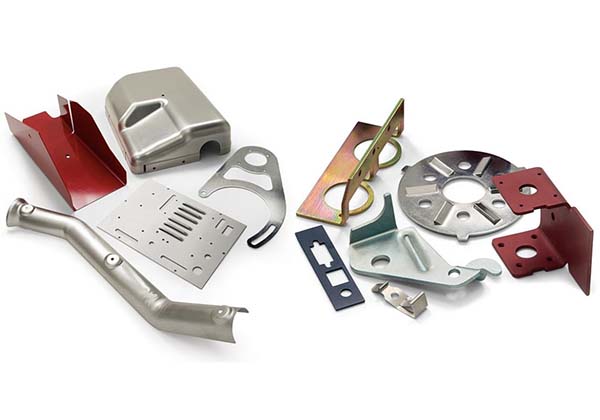
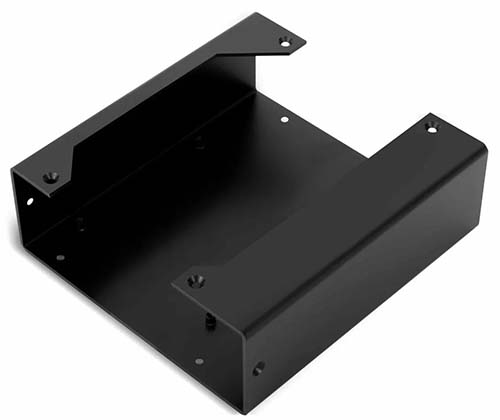
You have a project that requires custom sheet metal parts. Maybe it is a prototype for a new product, a repair for industrial equipment, or a batch of enclosures for electronics. You search online for a sheet metal shop near me, and dozens of results appear. How do you choose?
The wrong shop can deliver parts that do not fit, use inferior materials, or miss your deadline. The right shop becomes a trusted partner who helps you refine your design, control costs, and deliver quality parts on time.
This guide walks you through exactly what to look for. You will learn how to evaluate shops, what questions to ask, and how to match a shop’s capabilities to your specific project. By the end, you will have a clear process for finding a reliable local partner.
What Do You Really Need?
Metal Type: Matching Material to Application
Before contacting any shop, know what material your project requires. Different metals behave differently during fabrication. A shop that excels at aluminum may struggle with stainless steel.
- Steel: Strong and cost-effective. Mild steel works for general applications like brackets, enclosures, and frames. Stainless steel (grades 304, 316) adds corrosion resistance for food equipment, marine parts, or outdoor use.
- Aluminum: Lightweight and naturally corrosion-resistant. Common in aerospace, automotive, and heat sink applications. It cuts and forms well but requires different welding techniques than steel.
- Copper: Highly conductive and malleable. Used for electrical components, decorative work, and heat exchangers.
Real-World Example: A customer needed a housing for outdoor networking equipment. They initially wanted stainless steel for its durability. After discussing weight constraints and mounting requirements, Yigu Technology recommended aluminum with a powder-coated finish. The final product weighed 40% less, cost 30% less, and still resisted corrosion perfectly.
Thickness: Getting the Gauge Right
Thickness, often called gauge, affects strength, weight, and fabricability. A 16-gauge sheet (about 1.5 mm) is sturdy and common for industrial enclosures. A 24-gauge sheet (about 0.6 mm) is lighter and easier to bend, suitable for electronics housings or ductwork.
Specifying the wrong thickness causes problems. Too thin, and your part may warp or fail structurally. Too thick, and you pay for material you do not need while making forming and welding more difficult.
Precision: Know Your Tolerances
Precision requirements vary widely. A simple bracket may only need ±1/16 inch tolerance. A component for medical or aerospace use may demand ±0.001 inch.
Ask yourself: Does your part need to fit with other components? Will small variations affect function? If you are unsure, discuss tolerances with potential shops during the quoting phase. A good shop will tell you what is achievable and what will drive up cost.
Order Quantity: Volume Changes Everything
Quantity influences which shop is the best fit.
- Low volume (1–100 pieces): Look for a job shop that offers flexibility. These shops often have skilled fabricators who can handle custom work without high setup costs.
- High volume (100+ pieces): A larger shop with automated equipment (laser cutters, CNC brakes, automated welding) can offer better per-unit pricing and consistent quality.
Some shops specialize in prototypes only. Others focus on production runs. Matching your volume to their specialty saves time and money.
What Should You Look for in a Shop?
Reputation: What Do Others Say?
A shop’s reputation tells you more than any marketing material. Start with online reviews on Google, Yelp, or industry forums. Look for patterns. Do reviewers consistently mention on-time delivery? Do they praise quality or complain about poor communication?
Ask for references. A confident shop will provide contact information for past clients. Call those references and ask specific questions:
- Did the shop meet your deadline?
- Were there any quality issues?
- How did they handle problems?
Tip: A shop with 10–15 years of experience has likely solved a wide range of fabrication challenges. Longevity often indicates reliable processes and a stable customer base.
Services: One Stop or Specialized?
Different shops offer different capabilities. List what your project requires:
- Cutting: Shearing for straight cuts; laser cutting for complex shapes and tight tolerances.
- Bending: Press brakes with sufficient tonnage and precision for your material thickness.
- Welding: MIG for steel; TIG for aluminum and stainless; spot welding for thin sheets.
- Finishing: Deburring, grinding, powder coating, plating.
- Assembly: If you need sub-assemblies, confirm the shop can handle riveting, fastening, or welding components together.
A shop that offers multiple services simplifies your supply chain. You avoid coordinating between separate vendors for cutting, bending, and finishing.
Material Quality: Where Does It Come From?
Low-quality materials lead to premature failure. Ask shops about their material sourcing. Reputable shops buy from established mills like ArcelorMittal, Alcoa, or Nippon Steel.
Request material certifications. For critical applications, a mill test report (MTR) verifies the material’s chemical composition and mechanical properties. Shops with ISO 9001 certification follow documented quality management processes.
Workmanship: Who Is Doing the Work?
Equipment matters, but skilled operators matter more. Ask about the shop’s fabricators and welders. Certifications like AWS (American Welding Society) credentials indicate trained professionals.
Visit the shop if possible. A clean, organized facility with well-maintained equipment suggests pride in workmanship. Look for safety practices—a shop that prioritizes safety typically prioritizes quality.
How Do You Compare Pricing and Timing?
Get Detailed Quotes
Request quotes from at least three shops. Provide the same information to each:
- Material type and grade
- Thickness
- Quantity
- 2D drawings (DXF or PDF) or 3D models
- Required tolerances
- Desired finish
- Delivery deadline
A good quote includes:
- Material cost
- Labor cost (cutting, bending, welding, finishing)
- Setup fees
- Shipping or delivery
- Lead time
Watch for quotes that seem too low. They may exclude necessary steps or use lower-quality materials.
Compare Value, Not Just Price
The cheapest quote is not always the best value. Consider the table below comparing three hypothetical shops for a standard 10-piece enclosure:
| Shop | Rating | Services | Material Quality | Price Range | Lead Time |
|---|---|---|---|---|---|
| Shop A | 4.2 | Shearing, laser cutting, bending, MIG welding | Local suppliers, no certifications | $500–$700 | 10–15 days |
| Shop B | 4.8 | Laser cutting, bending, stamping, MIG/TIG welding, forming | Major mills, ISO 9001 certified | $700–$900 | 5–7 days |
| Shop C | 3.5 | Shearing only, bending, MIG welding | Unknown suppliers | $400–$600 | 15–20 days |
Shop B costs more but offers faster turnaround, broader services, and certified materials. If your project is complex or time-sensitive, the extra cost pays off. Shop C may work for simple, non-critical parts with flexible deadlines.
Real-World Example: A startup needed 50 enclosures for a medical device prototype. Shop A quoted $45 each with a 12-day lead time. Shop B quoted $68 each with a 6-day lead time. The startup chose Shop B because the faster turnaround allowed them to meet an investor demo deadline. The higher unit cost was worth securing the next funding round.
How Do You Build a Good Working Relationship?
Communicate Clearly
From the first inquiry, be clear about your project. Provide complete drawings and specifications. If something is flexible—like material or finish—say so. Shops can often suggest cost-saving alternatives if they understand your priorities.
Ask questions. A good shop will explain their process, flag potential issues, and offer solutions. If a shop seems uninterested in understanding your needs, move on.
Start with a Test Project
If you plan to work with a shop long-term, start with a small test project. This reveals their quality, communication style, and reliability without risking a large order. A successful test project builds trust for bigger jobs.
Plan for the Long Term
The best shop relationships grow over time. A shop that knows your products, tolerances, and preferences will deliver faster and with fewer errors. They will also be more willing to accommodate rush orders or design changes when you need them.
Conclusion
Finding the best sheet metal shop near me requires more than a quick Google search. Start by understanding your own needs—material, thickness, precision, and quantity. Then evaluate shops based on reputation, services offered, material quality, and workmanship. Compare quotes carefully, balancing price against value and lead time.
A good sheet metal shop is not just a vendor. They are a partner who helps you solve problems, improve designs, and deliver quality products. Take the time to find the right one, and your projects will run smoother from start to finish.
FAQs
How do I verify a sheet metal shop’s quality before ordering?
Request material certifications (mill test reports) and ask about their quality control process. Visit the shop if possible. Look for ISO 9001 certification, which indicates documented quality management systems. Ask for samples of similar work they have done.
Will a shop take a small one-off project?
Many shops accept small projects, but they may charge a minimum order fee or a higher per-unit price to cover setup costs. Small job shops and prototype-focused fabricators are often the best fit for low-volume work. Call ahead and ask—some shops specialize in quick-turn prototypes.
What should I do if the final product does not meet specifications?
First, review your contract and quote. Confirm what tolerances, materials, and finishes were agreed upon. Then contact the shop immediately with clear documentation (photos, measurements). A reputable shop will work with you to resolve issues—through rework, replacement, or partial refund. If resolution fails, consider third-party mediation before legal action.
Contact Yigu Technology for Custom Manufacturing
At Yigu Technology, we understand that finding a reliable fabrication partner is critical to your success. We offer laser cutting, CNC bending, welding, and finishing services across steel, stainless steel, aluminum, and copper. Whether you need a single prototype or a production run of thousands, we provide clear quotes, consistent quality, and on-time delivery. Contact us to discuss your next sheet metal project—we will help you bring your design to life.