Introduction
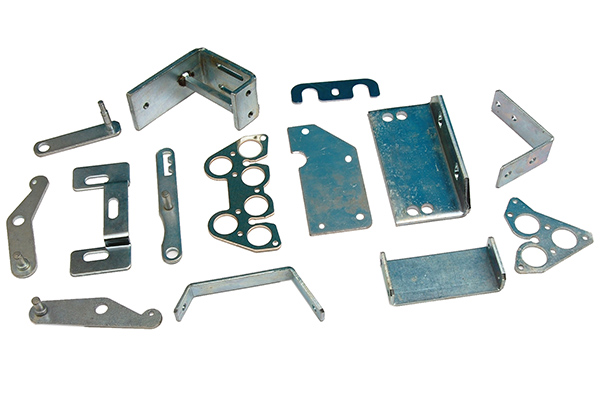
You have a project that requires durable, precision-engineered metal parts. Perhaps you have struggled with suppliers who deliver inconsistent quality or components that do not fit together during assembly. Maybe you have faced delays because the fabrication process was poorly understood or poorly managed. These challenges are common, but they are also avoidable. Sheet metal fabrication is the backbone of countless industries, from aerospace to electronics. When done right, it transforms flat metal sheets into reliable, functional components. This guide walks you through the essential methods, materials, and quality factors you need to know. Whether you are sourcing parts for a new product or looking to improve your current supply chain, the insights here will help you make informed decisions.
Core Fabrication Methods
Cutting: How Do You Shape the Metal?
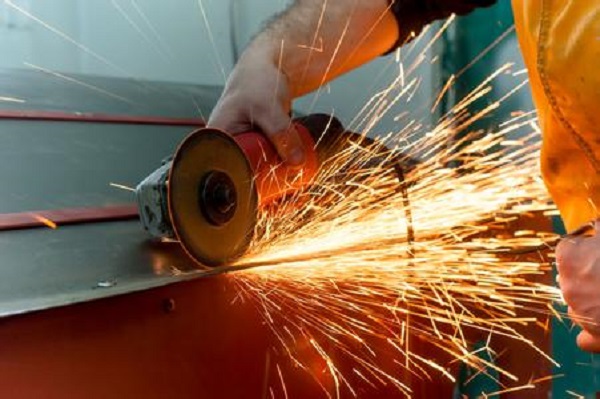
Cutting is the first step. It determines the basic shape and size of your part. Choosing the right method affects precision, cost, and speed.
Laser cutting uses a high-power beam to melt or vaporize metal. It achieves accuracy of ±0.05 mm. This method works well on stainless steel, aluminum, and copper. In the electronics industry, manufacturers rely on laser cutting for precise enclosures that must fit sensitive components perfectly. The downside is cost. Equipment is expensive, and operating expenses add up.
Waterjet cutting forces water through a tiny nozzle at extreme pressure. Abrasive particles can be added to cut harder materials. It handles heat-sensitive materials like plastic-coated metals without causing thermal damage. Accuracy typically falls within ±0.1 mm. However, the process is slower than laser cutting, and the equipment investment is significant.
Punching uses a punch press and die to cut the sheet. It excels at mass-producing simple shapes like holes or rectangular parts. The automotive industry uses punching for large-scale components such as body panels. Per-unit costs drop with high volume, but die creation requires a substantial upfront investment.
| Method | Precision | Best For | Speed | Cost Consideration |
|---|---|---|---|---|
| Laser Cutting | ±0.05 mm | Intricate shapes, tight tolerances | Fast | High equipment cost |
| Waterjet Cutting | ±0.1 mm | Heat-sensitive materials | Slow | High equipment cost |
| Punching | Die-dependent | Simple shapes, high volume | Fast | High die cost, low per-unit |
Bending: How Do You Add Dimension?
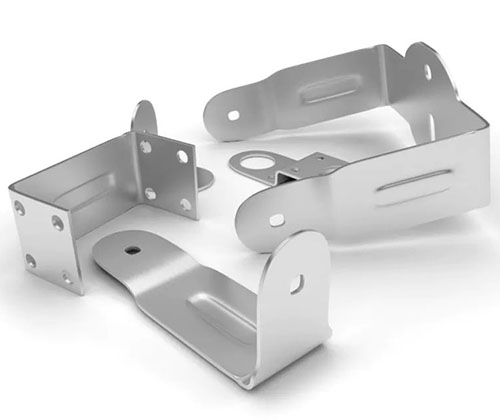
Bending creates three-dimensional forms from flat sheets. The process applies force to cause plastic deformation around a specific axis.
Press brakes are the standard equipment. CNC press brakes allow operators to input precise parameters for angle and radius control. A machine from a leading brand can achieve angular accuracy of ±0.1 degrees.
Common bending types include:
- V-shaped bending: Creates angular structures like box edges. It is simple and widely used.
- U-shaped bending: Forms channel-like profiles for trays or enclosures.
Material thickness and bend radius affect precision. Thicker materials require more force and tend to spring back—partially returning to their original shape after bending. A smaller bend radius increases the risk of cracking. For example, bending a 3 mm steel sheet requires careful planning to achieve the desired angle without defects.
Welding: How Do You Join Parts Together?
Welding fuses separate sheet metal pieces into a single, strong structure.
Arc welding uses an electric arc to melt metal at the joint. Two common types are:
- MIG welding: Fast and effective for thick sheets of steel and aluminum.
- TIG welding: Offers higher precision and cleaner welds. Aerospace applications often use TIG for thin-walled components where aesthetics and strength matter.
Resistance welding passes electric current through the parts to be joined. The metal's resistance generates heat, melting the contact area. Spot welding, a form of resistance welding, is common in automotive assembly for joining body panels quickly and efficiently.
Quality control is essential. Incorrect settings can cause weak welds or excessive spatter. After welding, manufacturers use non-destructive testing methods like visual inspection, ultrasonic testing, and X-ray inspection to detect cracks, porosity, or lack of fusion.
Materials Used in Fabrication
Stainless Steel: When Should You Choose It?
Stainless steel contains at least 10.5% chromium. This forms an invisible oxide layer that provides excellent corrosion resistance. It is ideal for harsh environments.
In the food processing industry, stainless steel fabrications include containers, conveyor systems, and processing equipment. The corrosion resistance prevents contamination. In medical devices, it is used for surgical instruments and hospital furniture where sterilization and durability are critical.
Two common grades are 304 and 316:
- 304 stainless steel: Contains about 18% chromium and 8% nickel. It offers good general-purpose corrosion resistance at a reasonable cost. Kitchen appliances and industrial equipment often use this grade.
- 316 stainless steel: Adds 2–3% molybdenum, making it more resistant to chloride corrosion. Offshore oil platforms and marine applications rely on 316 for pipelines and structural components. The added alloy content makes it 10–30% more expensive than 304, depending on market conditions.
Aluminum: Why Is It So Popular?
Aluminum’s low density—about one-third that of steel—makes it a top choice when weight matters. The aerospace industry uses aluminum sheet metal for fuselage skins and wing components. Weight savings directly translate to fuel efficiency and increased payload capacity.
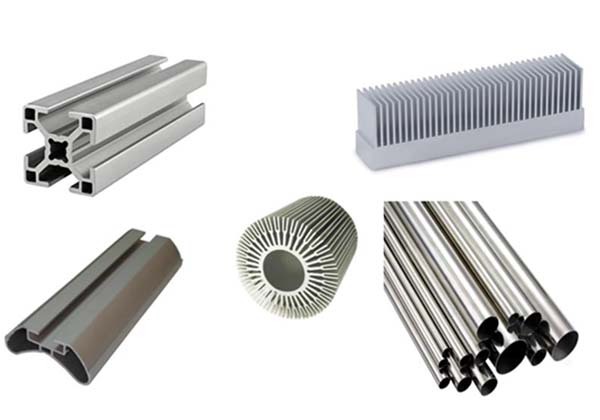
Aluminum also conducts electricity and heat well. Electronics manufacturers use it for heat sinks that dissipate heat from computer processors and smartphones.
Different alloys offer different properties:
- 6061 aluminum: Contains magnesium and silicon. It offers good strength, corrosion resistance, and heat-treatability. Automotive applications include engine components and body panels.
- 7075 aluminum: One of the strongest aluminum alloys. It contains zinc, copper, and magnesium. Aerospace structural components often use this alloy for its high strength-to-weight ratio.
Mild Steel: Is It Right for Your Project?
Mild steel, or low-carbon steel, contains 0.05% to 0.25% carbon. Its main advantage is cost. It is an attractive option for large-scale production where budget matters more than weight savings.
Mild steel provides moderate strength, sufficient for many general-purpose applications. Construction uses it for roof trusses, wall studs, and structural frames. Machine manufacturers use it for frames, brackets, and components.
The primary drawback is rust. When exposed to moisture, mild steel corrodes. Two common protection methods are:
- Painting: Creates a barrier against moisture and oxygen.
- Galvanizing: Coats the steel with zinc. The zinc layer corrodes first, protecting the underlying metal. Galvanized sheets are common in outdoor roofing and fencing.
| Material | Key Property | Common Applications | Cost Level |
|---|---|---|---|
| Stainless Steel | Corrosion-resistant | Food equipment, medical devices | High |
| Aluminum | Lightweight, conductive | Aerospace, electronics, automotive | Medium |
| Mild Steel | Low cost, moderate strength | Construction, machinery frames | Low |
Quality Factors to Consider
Equipment Precision: Does Machine Quality Matter?
Advanced equipment is essential for high-quality results. CNC laser cutters from top-tier brands achieve accuracy up to ±0.01 mm. This level of precision ensures smooth edges and exact dimensions. For electronic enclosures, such accuracy allows internal components to fit perfectly.
CNC press brakes deliver angular accuracy of ±0.1 degrees. European brands like Trumpf offer exceptional performance, with machines typically priced between $100,000 and $500,000. Asian domestic brands provide more affordable alternatives. They may offer laser cutters with ±0.05 mm accuracy and press brakes with ±0.2 degrees at prices 30–50% lower. For small to medium enterprises with moderate precision needs, these cost-effective options can be a practical choice.
Operator Skills: How Do They Impact Results?
Even the best equipment produces poor results in unskilled hands. Operators must be able to read and interpret engineering drawings accurately. A single misinterpreted dimension can render parts unusable.
Proficiency with equipment is equally important. Experienced operators adjust laser power, cutting speed, and focus based on material thickness and type. When problems arise—such as unexpected deformation or equipment malfunctions—skilled operators diagnose and resolve issues quickly.
Regular training programs keep skills current. On-the-job experience builds the intuition needed to handle complex jobs efficiently. Investing in skilled operators directly improves fabrication quality and reduces rework.
Conclusion
Sheet metal fabrication is a versatile and essential manufacturing process. Understanding the core methods—cutting, bending, and welding—helps you choose the right approach for your project. Material selection matters just as much. Stainless steel offers corrosion resistance for demanding environments. Aluminum provides lightweight strength for aerospace and electronics. Mild steel delivers cost-effective performance for structural applications.
Quality depends on both equipment precision and operator skill. Advanced CNC machines enable tight tolerances, while experienced technicians ensure those tolerances are achieved consistently. By understanding these factors, you can communicate more effectively with fabricators and make informed decisions that balance cost, quality, and lead time.
FAQs
What is the difference between laser cutting and waterjet cutting?
Laser cutting uses a focused beam to melt or vaporize metal, achieving precision as tight as ±0.05 mm. It is fast but can generate heat-affected zones. Waterjet cutting uses high-pressure water mixed with abrasives, making it ideal for heat-sensitive materials. It is slower but does not alter the material's properties.
Which material is best for outdoor applications?
316 stainless steel and galvanized mild steel both perform well outdoors. 316 stainless steel resists corrosion from salt and moisture, making it suitable for marine environments. Galvanized mild steel offers good protection at a lower cost, commonly used for roofing and fencing.
How do I ensure high-quality welds in sheet metal fabrication?
Proper welding starts with correct settings for current, voltage, and speed. Skilled operators adjust these parameters based on material thickness and joint type. Post-weld inspections—including visual checks, ultrasonic testing, or X-ray—help detect defects like cracks or porosity before parts move to assembly.
Why is operator skill so important in fabrication?
Skilled operators interpret engineering drawings correctly, set machine parameters accurately, and troubleshoot issues as they arise. Even high-precision CNC equipment requires experienced hands to achieve consistent results. Operator error is a leading cause of rework and material waste.
Contact Yigu Technology for Custom Manufacturing
At Yigu Technology, we specialize in custom sheet metal fabrication for clients across industries. Our shop floor features high-precision laser cutters achieving ±0.03 mm accuracy and CNC press brakes with ±0.1 degree angular control. Our technicians average over eight years of experience, ensuring every part meets your specifications. We offer one-stop service from design optimization to final production, with 24-hour quotation turnaround and streamlined lead times. Whether you need stainless steel enclosures, aluminum components, or structural steel parts, we deliver quality and reliability. Contact us today to discuss your project requirements.