Getting sheet metal parts made seems simple. But the difference between amateur work and professional fabrication shows up in quality, durability, and long-term cost. This guide explains what professional fabrication really means and why it matters for your success.
Introduction
Sheet metal fabrication is everywhere. It creates the parts inside your car, the case around your computer, and the ducts that heat your home. But not all fabrication is the same.
Professional fabrication combines precision equipment, skilled craftsmanship, and rigorous quality control. The result is parts that fit correctly, perform reliably, and last as intended. Amateur work might save money upfront, but the costs of failures, rework, and delays quickly add up.
In this guide, you will learn what professional sheet metal fabrication involves. You will understand each step of the process. And you will discover how to ensure you get quality results for your projects.
What Is Professional Sheet Metal Fabrication?
Defining the Professional Approach
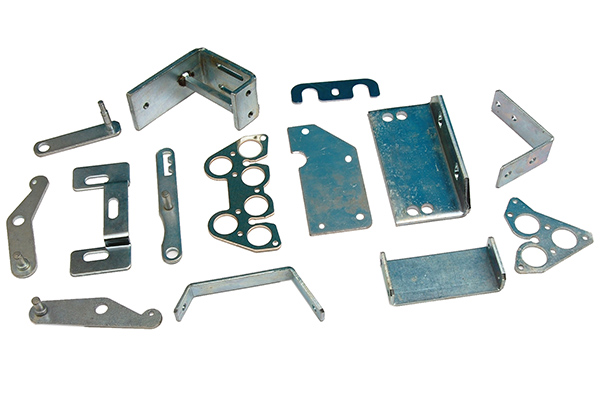
Professional sheet metal fabrication is a specialized manufacturing process. It transforms thin metal sheets into finished components and products. The work involves cutting, bending, forming, welding, and finishing—all performed with high precision and expertise.
The key word is professional. That means trained operators, calibrated equipment, and documented processes. It means meeting specifications consistently, not just occasionally.
Professional fabrication serves as the backbone for countless products. From home appliances to aircraft components, the quality of fabrication directly affects performance and safety.
Why It Matters Across Industries
Different industries rely on professional fabrication for different reasons.
| Industry | Why Fabrication Matters | Critical Requirements |
|---|---|---|
| Aerospace | Lightweight strength | Tight tolerances, fatigue resistance |
| Automotive | Complex shapes at scale | Consistency, crash safety |
| Electronics | Protection and shielding | Precision fit, EMI shielding |
| Construction | Weather resistance | Durability, corrosion protection |
In aerospace, sheet metal components form aircraft bodies, wings, and engine parts. Weight reduction matters enormously, but strength cannot be compromised. Professional fabrication ensures parts withstand extreme flight conditions.
In automotive, sheet metal creates car bodies, chassis parts, and interior components. The ability to form complex shapes with consistent quality is essential for mass production. A single model may require thousands of identical parts.
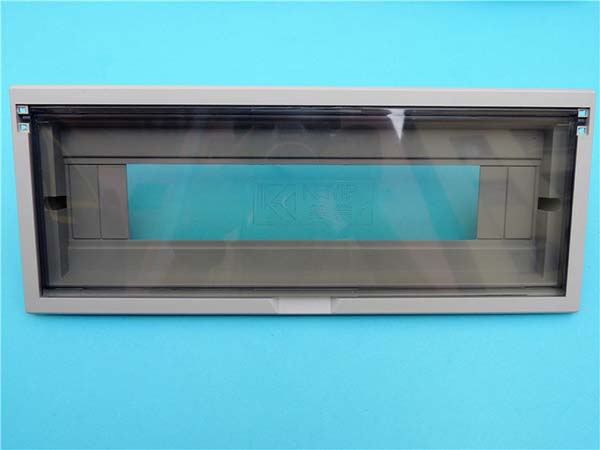
In electronics, fabrication produces enclosures that protect sensitive components. These housings must fit precisely and often provide electromagnetic shielding. Even small errors can cause interference or assembly failures.
In construction, sheet metal goes into roofing, siding, and ductwork. Durability and weather resistance are non-negotiable. Poor fabrication leads to leaks, corrosion, and premature failure.
The Fabrication Process Step by Step
Design Phase: Getting It Right First
The design phase is the foundation of any fabrication project. Computer-Aided Design (CAD) software plays a central role here.
Engineers create detailed 2D and 3D models of the desired components. A design for an electronic enclosure, for example, will specify all dimensions, cutouts for ports, and the shape of the box. Precision can reach 0.01mm in some cases.
Designers must consider several factors:
- Intended use of the final product
- Material thickness and properties
- Manufacturability of the design
A poorly designed component may be difficult or impossible to fabricate. This leads to increased costs and production delays. Professional fabricators often provide design for manufacturability (DFM) feedback. This input catches problems before production begins.
Material Selection: Choosing the Right Metal
Material choice affects everything from cost to performance. Here are the most common options:
| Material | Key Properties | Typical Applications |
|---|---|---|
| Mild Steel | Good formability, low cost | Machinery enclosures, structural parts |
| Stainless Steel | Excellent corrosion resistance | Food equipment, medical devices, marine parts |
| Aluminum | Lightweight, good conductivity | Aerospace, automotive, electronics |
| Copper | High electrical conductivity | Electrical components, decorative work |
When selecting material, consider:
- Application environment: Will it face moisture, chemicals, or salt?
- Mechanical requirements: What strength, hardness, or ductility is needed?
- Cost constraints: How does material cost fit the budget?
- Processing compatibility: Can the material be welded, bent, or formed as needed?
A real-world example: A food processing company needed mixing tanks. They initially considered mild steel for lower cost. But the environment involved constant moisture and cleaning chemicals. Switching to 304 stainless steel added 35% to material cost but eliminated rust issues entirely. The tanks remained in service for 15 years without replacement.
Cutting and Shaping: Creating the Form
Cutting and shaping transform flat sheets into component shapes.
Laser cutting is a precision method. It uses a high-power laser beam to cut through metal. The kerf (cut width) can be as small as 0.1-0.3mm. This allows for intricate and accurate cuts. Laser cutting works on various materials and thicknesses. It excels at complex shapes and tight tolerances.
Stamping is ideal for mass production. A die punches or forms the metal sheet into the desired shape. Car body panels are often produced through stamping. A single stamping press can produce thousands of parts per hour with consistent quality.
Bending creates angles and curves. Press brakes apply force to achieve precise angles. Skilled operators can achieve tolerances as tight as ±0.5 degrees. For cylindrical shapes, roll bending gradually curves the metal.
Assembly and Finishing: Completing the Part
After individual parts are cut and shaped, assembly begins.
Welding is the primary joining method. Different processes suit different needs:
- MIG welding (Metal Inert Gas) is faster and works well for thicker materials
- TIG welding (Tungsten Inert Gas) provides more precise, higher-quality welds for thinner sheets
A skilled welder controls heat input, voltage, and wire feed rate. This ensures welds are strong and free from defects like porosity or cracks.
Finishing follows assembly. Surface treatments serve both form and function:
- Painting or powder coating improves appearance and corrosion resistance
- Electroplating (like chrome or nickel) adds wear resistance and can enhance electrical conductivity
A medical device manufacturer once skipped finishing to save costs. Within a year, their stainless steel enclosures showed surface staining from cleaning chemicals. Adding a clear powder coating solved the problem and actually reduced warranty claims by 22%.
How Quality Is Ensured
Skilled Workers: The Human Factor
Skilled workers are the cornerstone of quality fabrication. They combine knowledge with hands-on experience.
A proficient press brake operator can consistently achieve angle tolerances within ±0.5 degrees. A skilled welder produces strong, clean joints without defects. When unexpected issues arise—like material warping during cutting—experienced operators quickly diagnose and fix problems.
One fabricator I worked with had a veteran laser cutter operator who could tell by sound whether the focus was correct. That kind of expertise prevents waste and ensures consistency.
Advanced Equipment: Precision Tools
Equipment capability sets limits on what can be achieved.
Modern laser cutters achieve positioning accuracy of ±0.05mm. This is crucial for components with intricate shapes and tight tolerances.
CNC (Computer Numerical Control) press brakes offer repeatability in bending operations. They store multiple bending programs. The same part can be produced consistently, batch after batch, with identical angles and dimensions.
Automated stamping machines in high-volume production can produce thousands of parts per hour. They maintain precise pressure and motion control throughout each cycle.
Quality Control Systems: Catching Issues Early
A robust quality control system catches problems before they become expensive.
In-process inspections occur at each major stage. After cutting, edges are inspected for roughness, burrs, or incorrect dimensions. Tools like calipers, micrometers, and optical measuring systems verify accuracy.
Final inspections check fully assembled products for functionality, appearance, and design compliance. Quality control charts monitor production over time. If thickness measurements show a trend toward the tolerance limit, adjustments can be made immediately.
Non-destructive testing methods like ultrasonic testing check internal defects in welded joints without damaging the components. This is essential for pressure vessels or structural parts where hidden flaws could cause failures.
Yigu Technology’s Perspective
At Yigu Technology, we specialize in custom non-standard metal and plastic products. Over years of fabrication work, we have learned what separates good results from great ones.
Experience matters. In one project, a client needed complex aluminum enclosures with tight EMI shielding requirements. Our team selected the right alloy and welding method to maintain electrical continuity across joints. The first batch passed all testing—no rework needed.
Equipment matters too. Our laser cutters achieve the precision needed for intricate medical device components. Our CNC press brakes ensure consistent bends across thousands of parts. But equipment alone is not enough. Our skilled operators know how to get the best from every machine.
Communication ties everything together. We work closely with clients during the design phase. Our DFM feedback often saves weeks of delay. One client redesigned a bracket based on our suggestion, reducing material waste by 18% and simplifying assembly.
Conclusion
Professional sheet metal fabrication combines skilled workers, advanced equipment, and rigorous quality control. The result is parts that meet specifications consistently and perform reliably.
Choosing professional fabrication means investing in quality. It means avoiding the hidden costs of rework, delays, and failures. Whether you need aerospace components or simple enclosures, the principles are the same: design carefully, select materials wisely, and work with fabricators who take quality seriously.
The upfront cost of professional work may be higher. But over the life of your project, it almost always proves cheaper.
FAQ
What types of metals can be used in sheet metal fabrication?
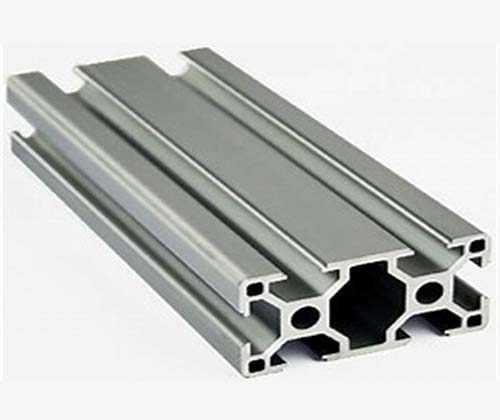
Common metals include stainless steel for corrosion resistance, aluminum for lightweight applications, mild steel for cost-effective general use, and copper for electrical conductivity. Each material offers different properties suited to specific applications.
How long does the sheet metal fabrication process usually take?
Simple projects with standard components may take 1-3 days. Complex projects with custom designs, tight tolerances, and intricate finishing can take 3-8 weeks. Material availability, number of production steps, and facility workload all affect timelines.
What quality control measures are used during fabrication?
Quality control starts with raw material inspection, verifying thickness and composition. In-process inspections occur after cutting, bending, and welding. Final inspections check functionality, appearance, and design compliance. Non-destructive testing like ultrasonic inspection may be used for critical welded joints.
How do I choose between MIG and TIG welding?
MIG welding is faster and works well for thicker materials. TIG welding provides more precise, higher-quality welds, especially for thinner sheets and applications where appearance matters. Your fabricator can recommend based on material, thickness, and requirements.
Contact Yigu Technology for Custom Manufacturing
Need sheet metal components made to your exact specifications? Yigu Technology delivers professional fabrication services backed by skilled workers and advanced equipment. From design feedback to finishing, we handle projects of all sizes with consistent quality. [Contact us] to discuss your requirements.