Finding a reliable sheet metal supplier can feel like searching for a needle in a haystack. The wrong choice leads to quality problems, delays, and hidden costs. This guide walks you through exactly what to look for and how to make a confident decision.
Introduction
Sheet metal suppliers are the backbone of countless industries. Automotive, aerospace, construction, and electronics all depend on them. In automotive, sheet metal forms body panels that affect safety and durability. In aerospace, precision can mean the difference between success and failure.
Choosing the right supplier matters. A bad choice brings inconsistent thickness, production delays, and rework costs. This guide covers the key factors to evaluate so you can select a partner who delivers quality, reliability, and value.
Key Factors to Consider
Quality of Products
Product quality is the foundation of any successful partnership. High-quality sheet metal ensures durability, reduces production errors, and lowers the risk of recalls.
A reliable supplier should have a robust quality control system. This includes regular inspections at every stage—from raw material intake to final delivery. They should test for:
- Thickness tolerance: Consistent thickness across the sheet
- Tensile strength: Ability to withstand pulling forces
- Surface finish: Smooth, defect-free surfaces
ISO 9001 certification is a globally recognized standard for quality management. Suppliers with this certification maintain consistent production processes. Check customer reviews and testimonials too. If previous customers report defects or inconsistent quality, consider it a warning sign.
Real-world example: A medical device manufacturer once chose a supplier without ISO certification to save 10% on costs. The first shipment had thickness variations of ±0.2mm—far outside the required ±0.05mm. Rework costs wiped out the initial savings and delayed product launch by three weeks.
Range of Services Offered
A versatile supplier simplifies your production process. Look for a comprehensive range of services:
| Service | What It Does | Value Added |
|---|---|---|
| Cutting | Laser, water jet, or plasma cutting | Precision shapes for different materials |
| Bending | Creates angles and curves | Complex geometries from flat sheets |
| Stamping | Mass production of identical parts | High efficiency for large volumes |
| Surface Treatment | Powder coating, electroplating, anodizing | Corrosion protection and aesthetics |
A supplier who offers all these services under one roof eliminates the need to coordinate multiple vendors. This reduces communication errors and streamlines your production flow.
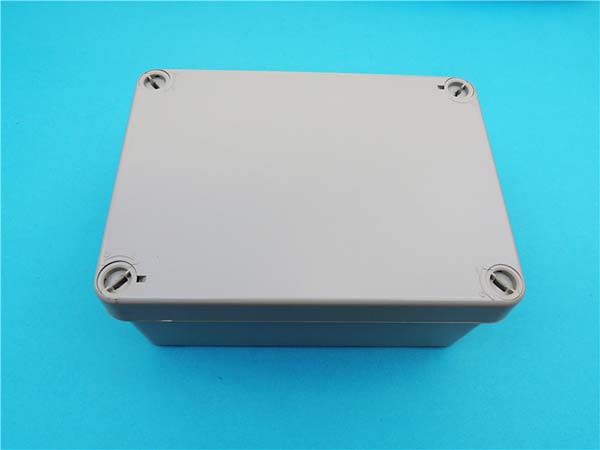
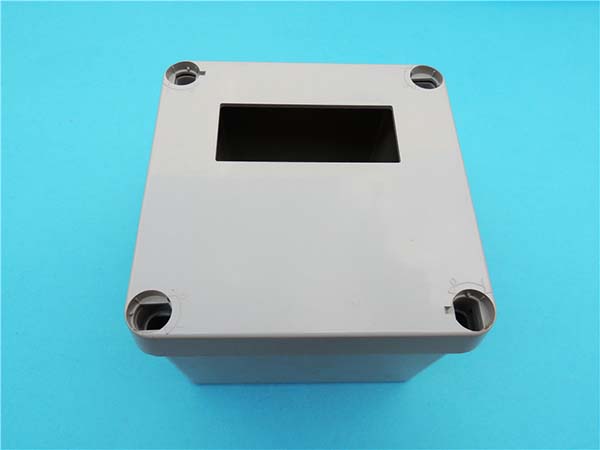
For example, if you need a custom sheet metal enclosure, a single supplier handling cutting, bending, and finishing ensures seamless coordination. No back-and-forth between separate shops. No mismatched schedules.
Pricing Structure
Pricing matters, but it should not be the only factor. A low-cost supplier may cost you more in the long run through rework, product failures, and lost customer trust.
When evaluating pricing:
- Request detailed quotes from multiple suppliers
- Compare unit prices alongside additional costs (shipping, tooling, minimum orders)
- Consider long-term contracts for better pricing terms
Some suppliers offer lower unit prices but require high minimum orders. This can tie up capital and storage space. Others may have hidden fees for design changes or expedited shipping.
Example: A furniture manufacturer compared two quotes. Supplier A had lower unit prices but required a 500-sheet minimum. Supplier B had slightly higher unit prices but no minimum. For their 200-sheet project, Supplier B actually cost 18% less overall.
Delivery Time and Reliability
Timely delivery keeps your production lines running. Delays cause bottlenecks, missed deadlines, and unhappy customers.
To assess delivery reliability:
- Review the supplier’s past delivery records
- Ask about their logistics capabilities and carrier partnerships
- Inquire about contingency plans for disruptions
A supplier with a consistent 95% on-time delivery rate is far more reliable than one at 70%. Some offer expedited shipping options for urgent orders.
Key data point: Industry surveys show that 65% of production delays originate from supplier issues. Choosing a reliable delivery partner directly impacts your ability to meet customer commitments.
Reputation and Experience
A supplier’s track record tells you a lot. Long-established companies bring experience, knowledge, and resources to complex projects.
Research reputation through:
- Industry reviews and business directories
- References from other companies in your network
- Their client list—have they served well-known companies in your industry?
A supplier in business for 20+ years has likely encountered and solved many challenges. They are more likely to have up-to-date equipment and proven processes.
Comparing Suppliers: A Practical Framework
To make this concrete, here is a comparison of three hypothetical suppliers:
| Factors | Supplier A | Supplier B | Supplier C |
|---|---|---|---|
| Quality | ISO 9001, ±0.05mm tolerance | No ISO, ±0.1mm tolerance | ISO 9001, ±0.03mm tolerance |
| Services | Laser cutting, bending, powder coating | Basic cutting and bending | Laser, water jet, plasma cutting; bending, stamping, multiple finishes |
| Pricing | $10/m², min 100m² | $8/m², min 150m² | $11/m², min 80m² |
| Delivery | 10–15 days, 90% on-time | 15–20 days, 70% on-time | 7–10 days, 95% on-time |
| Reputation | 15 years, mid-sized automotive clients | 5 years, small-scale projects | 25 years, major aerospace and automotive clients |
Analysis: Supplier C stands out for quality, service range, delivery, and reputation. Supplier A may work for tighter budgets with less urgent timelines. Supplier B, despite lower unit prices, poses risks with inconsistent quality and poor delivery records.
Yigu Technology’s Perspective
At Yigu Technology, we understand the critical role of reliable suppliers. As a custom manufacturer of non-standard metal and plastic products, we have learned what separates good partners from great ones.
Trust is foundational. A reliable supplier is transparent about their processes, quality measures, and potential issues. This transparency builds confidence and enables collaboration.
Communication matters equally. Regular updates ensure everyone stays aligned on requirements, schedules, and changes. We have seen projects succeed or fail based on how well suppliers communicated.
Customization capability is essential. Every client has unique needs—special materials, specific designs, particular volumes. A supplier who can tailor their services makes all the difference.
In one recent project, we needed a complex aluminum enclosure with tight tolerances and a custom anodized finish. Our supplier worked closely with us from design review through final inspection. They flagged a potential tolerance issue early, saving weeks of rework. That kind of partnership delivers results.
Conclusion
Choosing the right sheet metal supplier requires looking beyond price. Focus on quality systems, service range, delivery reliability, and reputation. Request detailed quotes and compare total costs, not just unit prices.
A good supplier becomes a long-term partner. They help you avoid defects, meet deadlines, and control costs. Take the time to evaluate carefully—the investment pays off in smoother production and better products.
FAQ
What certifications should a reliable sheet metal supplier have?
ISO 9001 is the most important certification for quality management. It ensures consistent processes from raw material to final delivery. For automotive projects, look for IATF 16949 certification. For aerospace, AS9100 indicates compliance with strict industry standards.
How can I ensure sheet metal products meet my design requirements?
Provide detailed drawings with all dimensions, tolerances, and material specifications. Request samples from initial production runs for inspection. Maintain regular communication throughout production. If possible, visit the facility to verify processes align with your expectations.
What should I do if quality issues arise with received products?
Contact the supplier immediately with clear documentation—photos, inspection reports, and samples of defective products. Discuss solutions: replacement, discount, or rework. Keep detailed records of all communications and actions to protect your interests and establish patterns if issues recur.
How do I balance cost and quality when choosing a supplier?
Compare total cost, not just unit price. Factor in shipping, tooling, minimum orders, and potential rework costs. A higher-priced supplier with consistent quality and reliable delivery often proves cheaper over the full project lifecycle. Request prototypes to verify quality before committing to large orders.
Contact Yigu Technology for Custom Manufacturing
Need a reliable partner for your sheet metal components? Yigu Technology combines quality systems, comprehensive services, and responsive communication. From prototypes to production runs, we deliver consistent results. [Contact us] to discuss your requirements and get a detailed quote.