Introduction
Walk into any Halloween store, and you'll see them. Scroll through social media during Mexico's Day of the Dead, and they're everywhere. Watch a action movie with a memorable villain, and chances are—they're wearing one.
Skull masks hold a strange power over us. They represent death, yes, but also rebellion, mystery, and even celebration. From ancient rituals to modern fashion runways, these masks have never gone out of style.
But here's the thing: making them has always been a challenge. Traditional manufacturing limits what's possible. Molds cost thousands. Mass production demands identical copies. Custom designs? Almost impossible.
Enter 3D printing. This technology lets anyone—from professional designers to Halloween enthusiasts—create skull masks that were previously unthinkable. Intricate details? No problem. Perfect fit for your face? Absolutely. One-of-a-kind designs? That's the whole point.
Let's explore how 3D printing is changing the game for skull mask creation, and what it means for artists, cosplayers, and anyone who loves unique designs.
Why Do People Love Skull Masks Anyway?
Before diving into the technology, let's understand why skull masks matter. This isn't just about looking cool—though that's part of it.
In Cultural Celebrations: More Than Just Spooky
Halloween made skull masks famous in North America. The holiday's connection to the supernatural and the dead makes skulls the perfect symbol. Kids wear them for trick-or-treating. Adults use them for parties. The appeal? A chance to confront death by wearing its face, if only for one night.
But the deeper cultural meaning shows up in Mexico's Day of the Dead (Día de los Muertos) . Here, skull masks called "calaveras" transform death from something scary into something beautiful. Families paint their faces with intricate skull designs, often decorated with bright flowers and colors. They're honoring loved ones who passed, not fearing them.
The contrast tells us something important: skull masks can mean different things to different people. Some see darkness. Others see celebration. A 3D-printed mask can capture either meaning—or create entirely new ones.
In Art and Fashion: Making Statements
Fashion designers love skulls. They represent rebellion, edge, and breaking rules. High-end shows feature models wearing avant-garde skull masks made from leather, silk, or even precious metals. Crystals, feathers, embroidery—designers add whatever makes their vision real.
Artists explore deeper themes through skull masks. Identity. Mortality. The human condition. A sculptor might create a 3D-printed skull mask covered in growing flowers—life emerging from death. A painter might use skull imagery to comment on society's relationship with mortality.
The beauty of 3D printing? These artistic visions become possible without the limitations of traditional fabrication.
In Entertainment: Villains and Heroes
Movie villains wear skull masks to look menacing. Think of the bad guys in superhero films, their faces hidden behind bone-white surfaces that signal "danger" before they even speak.
Video games take this further. Skull-masked characters appear as powerful bosses or mysterious allies. Players interact with these designs for hours, building connections to characters that exist only in pixels—until someone 3D prints that mask for cosplay.
How Do You Actually 3D Print a Skull Mask?
Ready to make your own? Here's the step-by-step process that professionals and hobbyists use.
Step 1: Designing the Digital Model
Everything starts in software. Your choice depends on your skill level and what you want to create.
For beginners: Tinkercad
This free, browser-based tool works like digital LEGO. You combine basic shapes—cubes, spheres, cylinders—to build your design.
To create a skull mask in Tinkercad:
- Start with a head-shaped base
- Use "hole" shapes to carve out eye sockets and nasal cavity
- Add teeth as separate pieces
- Create cracks or texture using the "scribble" tool
The learning curve? About an afternoon. You'll have a basic design by evening.
For advanced designers: Blender
Blender is professional-grade software used by artists worldwide. It's free but complex—think of it as learning a new language.
The workflow for a skull mask:
- Begin with a basic cube
- Apply "subdivision surface" to smooth it into organic shape
- Use sculpting tools to form skull anatomy—clay brushes build up areas, smooth brushes refine surfaces
- Add details like suture lines and individual teeth
- Generate a "retopology" mesh for clean printing geometry
Blender takes months to master, but the results match anything from professional studios.
Alternative: 3D scanning
Have an existing mask you love? 3D scanners capture physical objects as digital models. You can then modify, resize, or combine designs before printing.
Step 2: Preparing Your Printer
Your digital model needs proper machine setup to print successfully.
Calibration matters
Most printers offer auto-calibration, but manual checking prevents failures. For FDM printers, the bed must be perfectly level. Too far, and filament won't stick. Too close, and the nozzle drags through previous layers.
Test with a small print first. A 20mm calibration cube tells you everything about your setup. If it prints cleanly, you're ready for the mask.
Choosing print parameters
| Setting | Recommendation | Why It Matters |
|---|---|---|
| Layer height | 0.15–0.2mm | Balances detail vs. print time |
| Print speed | 40–60mm/s | Slower = better quality for masks |
| Nozzle temp (PLA) | 200–210°C | Hot enough to flow, cool enough to hold shape |
| Bed temp (PLA) | 60–65°C | Prevents warping during print |
| Infill | 15–20% | Strong enough, not too heavy |
Step 3: Watching the Print
Once printing starts, pay attention to the first few layers. They determine everything.
Watch for:
- Filament sticking properly to the build plate
- Consistent extrusion—no skipping or stopping
- Layer adhesion—each new layer should bond to the previous one
Common problems:
- Clogged nozzle – Flow stops or becomes irregular. Stop the print, heat the nozzle, and clear the blockage with a cleaning tool.
- Warping – Corners lift off the bed. Common with ABS. Use a heated bed, adhesive (glue stick works), or print a "brim" around the model.
- Stringing – Thin strings of plastic between separate parts. Adjust retraction settings in your slicer.
Step 4: Post-Processing Magic
The print finishes, but your mask isn't ready yet.
Remove supports
Most skull masks need support structures for overhangs—eye sockets, nasal cavities, jaw details. Carefully remove them with pliers or cutters. Work slowly. Damaging the mask here means starting over.
Sanding for smoothness
Start with coarse grit (80-120) to remove layer lines and support marks. Progress to medium (220-320) , then fine (400-800) for a smooth surface. For professional results, wet sand with fine grit to eliminate scratches.
Painting brings it to life
Acrylic paints work best on 3D-printed plastics. For realistic skulls:
- Prime the surface with spray primer
- Apply base coat in off-white or bone color
- Add shadows with thinned brown or gray paint in recessed areas
- Highlight raised areas with lighter colors
- Seal with clear coat for durability
Want something less traditional? Metallic paints, fluorescent colors, or weathered effects all work beautifully.
What Real-World Examples Show Us
Cosplay Creations
Professional cosplayer Jessica "Sintra" Chapman needed a skull mask for her villain character at comic conventions. Traditional methods would require sculpting, molding, and casting—weeks of work and hundreds in materials.
She designed her mask in Blender over a weekend. Printed it in four pieces on her FDM printer. Assembled and painted it in three days. Total cost? About $30 in filament. The result? Award-winning costume with a mask that fit perfectly because she scanned her own face for the base model.
Day of the Dead Artistry
Artist Miguel Hernandez in Oaxaca, Mexico, combines traditional Day of the Dead imagery with modern technology. He designs "calavera" masks featuring intricate flower patterns that would be impossible to carve by hand.
His process: Design in CAD, print in white PLA, then hand-paint with traditional bright colors. The 3D-printed base ensures perfect symmetry and repeatability. The hand-painting keeps each mask unique. His masks sell to collectors worldwide.
Movie Prop Production
A small prop shop in Los Angeles received an urgent order: five identical skull masks for a music video, needed in one week. Traditional fabrication would take three weeks minimum and cost $2000 per mask.
They 3D printed the masks overnight, spent two days on post-processing and painting, and delivered on schedule. Total cost: $300 for all five. The client was thrilled. The shop discovered a new revenue stream.
What Are the Limitations of 3D Printing Skull Masks?
Let's be honest—3D printing isn't perfect for everything.
Material options remain limited compared to traditional manufacturing. You won't get the drape of leather, the weight of cast metal, or the flexibility of injection-molded rubber from a desktop printer. Industrial machines expand possibilities but cost more.
Surface finish requires work. Layer lines are real. Even with fine layer heights, printed parts need sanding and painting to look professional. Some people love the "printed" aesthetic. Most want smooth finishes.
Size constraints matter. Most desktop printers max out around 300mm in any dimension. Full-head skull masks usually print in pieces that must be assembled. Seams require careful hiding.
Print time adds up. A detailed full-face mask can take 24-48 hours. Mistakes near the end mean starting over.
How Could Traditional and 3D Printing Work Together?
At Yigu Technology, we see hybrid approaches as the future.
Prototyping with 3D printing makes sense for any design. Test fit, proportion, and appearance before committing to expensive molds. Make changes overnight instead of waiting weeks.
Custom pieces belong on 3D printers. One-of-a-kind designs, personalized fits, limited editions—printing handles these perfectly.
Mass production still favors traditional methods. Once a design proves successful, injection molding produces identical copies faster and cheaper.
The sweet spot? Use printing for development and customization. Use traditional manufacturing for volume production. Combine both for maximum flexibility.
Conclusion: Is 3D Printing Revolutionizing Skull Mask Creation?
Yes—but not by replacing everything that came before.
3D printing revolutionizes the design freedom aspect. Artists can now create skull masks with impossible geometries, perfect symmetry, and personalized fit. Costs for prototypes and custom pieces dropped dramatically. Time from idea to finished mask shrank from weeks to days.
But traditional methods still matter. Mass production, specialty materials, and certain finishes remain better achieved through conventional processes.
The real revolution? Choice. Designers today choose the best method for each project, combining technologies to achieve results neither could deliver alone.
For skull mask lovers—whether you're a Halloween enthusiast, a cosplayer, or an artist—that choice means more options, better designs, and masks that truly express your vision.
Frequently Asked Questions
What's the best 3D printer for making skull masks?
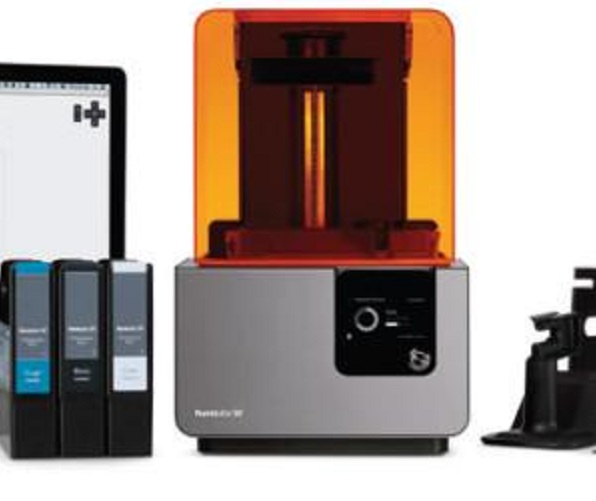
For most people, a mid-range FDM printer like the Creality Ender 3 or Prusa MK4 offers the best balance of cost, quality, and build volume. For ultra-detailed masks, SLA printers like the Formlabs Form 3 deliver smoother surfaces but cost more and require resin handling.
How long does it take to 3D print a skull mask?
Print time varies by size and detail level. A basic full-face mask typically takes 20-30 hours. Highly detailed masks can run 40-50 hours. Post-processing adds another 5-10 hours depending on finish quality.
Can I 3D print a mask that fits my face exactly?
Absolutely. Scan your face using photogrammetry apps on your phone, or take careful measurements to model a custom fit. Many designers include adjustment steps in their tutorials.
What materials work best for wearable masks?
PLA works for display pieces but can be brittle. PETG offers better flexibility and durability. For serious wear, nylon or resin prints hold up better. Always line the interior with foam or fabric for comfort.
How much does it cost to 3D print a skull mask at home?
Material costs run $10-30 for plastic filament. Electricity adds maybe $5. Finishing supplies (sandpaper, paint, primer) add another $15-30. Total under $100 for a custom mask that would cost hundreds commercially.
Contact Yigu Technology for Custom Manufacturing
Have a skull mask design ready to print? Or need help bringing your concept to life? At Yigu technology, we combine 3D printing expertise with traditional manufacturing knowledge to deliver exactly what you need.
From prototypes to production runs, we handle the technical details so you focus on creativity. Contact us today to discuss your project. Let's make something memorable together.