Introduction
You have a design. You need a prototype. But who builds it? And how do you choose the right partner? Rapid prototyping factories are specialized facilities that turn digital designs into physical prototypes quickly—using advanced technologies like 3D printing, CNC machining, and injection molding. They are essential partners in modern product development, compressing timelines from months to days and enabling faster iteration. At Yigu Technology, we work closely with rapid prototyping factories and understand what makes them effective. This article covers what you need to know: the technologies they use, how to choose the right one, and what to expect from the process.
What Are Rapid Prototyping Factories?
A rapid prototyping factory is a specialized facility that uses advanced manufacturing technologies to quickly transform design concepts into physical prototypes.
Unlike traditional manufacturing facilities focused on high-volume production, rapid prototyping factories are optimized for:
- Speed: Prototypes in days, not weeks or months
- Flexibility: Easy design changes without tooling penalties
- Variety: Multiple technologies and materials under one roof
- Low volumes: Cost-effective for 1–100 units
Historical context: Before rapid prototyping, developing a car prototype involved hand-crafted clay models and complex machining—taking months or years. Today, rapid prototyping factories can produce functional prototypes in days, enabling faster testing and iteration.
What Technologies Do Rapid Prototyping Factories Use?
3D Printing (Additive Manufacturing)
3D printing builds objects layer by layer from digital models. It is the most common rapid prototyping technology due to its speed and design freedom.
| Material Type | Common Materials | Applications |
|---|---|---|
| Plastics | ABS (strength, heat resistance), PLA (biodegradable), PETG (strength, transparency) | Concept models, functional prototypes, consumer products |
| Engineering plastics | Nylon, polycarbonate, PEEK | Functional testing, high-performance parts |
| Metals | Aluminum, titanium, stainless steel | Aerospace, medical, automotive prototypes |
Advantages:
- Unmatched design freedom—complex geometries, lattice structures, internal channels
- Quick iteration—design changes reflected in hours
- Minimal setup cost—no tooling required
Limitations:
- Lower precision than CNC for tight tolerances
- Surface finish may require post-processing
- Slower for high volumes
Example: A startup developing a custom drone frame used 3D printing to test five design iterations in two weeks. Each iteration refined aerodynamics and weight distribution.
CNC Machining (Subtractive Manufacturing)
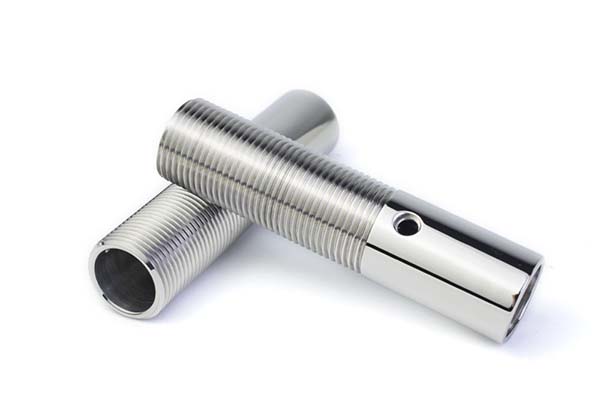
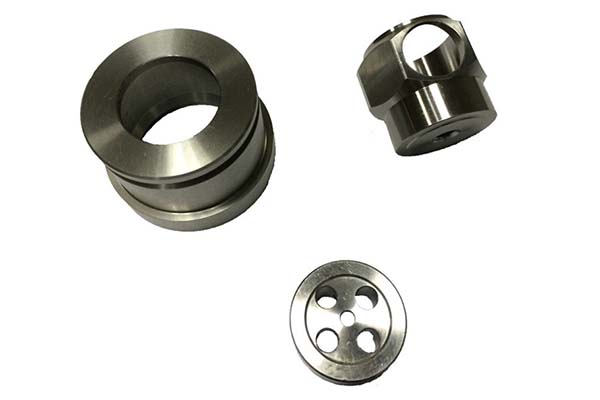
CNC machining uses computer-controlled tools to remove material from a solid block. It offers high precision and works with production-grade materials.
| Material | Applications |
|---|---|
| Aluminum | Lightweight, good thermal conductivity—aerospace, automotive |
| Steel | Strength, durability—industrial, tooling |
| Titanium | High strength-to-weight, corrosion resistance—medical, aerospace |
| Engineering plastics | ABS, polycarbonate, PEEK—functional testing |
Advantages:
- High precision (±0.01–0.05 mm)
- Excellent surface finish
- Production-grade material properties
Limitations:
- Slower than 3D printing for complex geometries
- Material waste (30–70%)
- Higher cost for low volumes
Example: A medical device company used CNC machining to create a titanium surgical instrument prototype with ±0.02 mm tolerances—essential for precise functionality.
Injection Molding for Prototyping
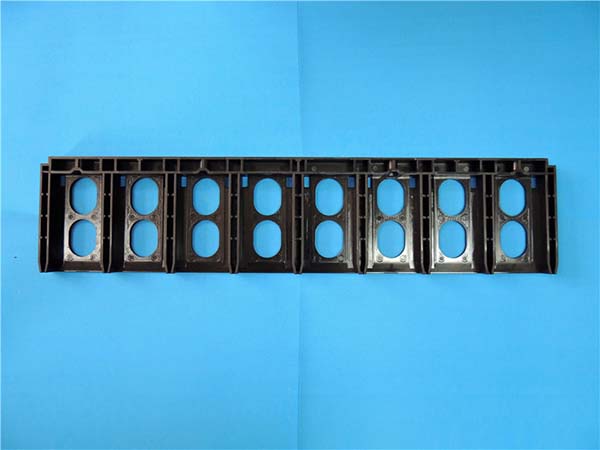
Injection molding injects molten material into a mold cavity under high pressure. For prototyping, it is used when the prototype must closely mimic final production parts.
Advantages:
- Production-grade surface finish and material properties
- Ideal for testing manufacturability
- Cost-effective for medium to high volumes (100+ units)
Limitations:
- High initial mold cost ($5,000–$20,000)
- Not cost-effective for single prototypes
- Long lead time for mold creation
Example: A consumer electronics company used injection molding to create 500 smartphone case prototypes with production-grade surface finish and precise fit for market testing.
Technology Comparison
| Technology | Best For | Precision | Speed (1 part) | Cost (1 part) | Material Waste |
|---|---|---|---|---|---|
| 3D printing | Complex geometries, rapid iteration | ±0.1–0.5 mm | Hours to days | $10–$500 | 5–10% |
| CNC machining | High precision, production-grade materials | ±0.01–0.05 mm | 2–10 days | $200–$2,000 | 30–70% |
| Injection molding | Production-like prototypes, medium volumes | ±0.1–0.5 mm | 2–6 weeks (mold) | $5,000+ (mold) + per part | Low per part |
How Do You Choose the Right Rapid Prototyping Factory?
Experience and Expertise
Look for a factory with proven experience in your industry and with your required technologies.
Questions to ask:
- How long have they been in business?
- Do they have experience with projects similar to yours?
- Can they provide a portfolio of past work?
- What industries do they specialize in?
A factory with 10+ years of experience has likely encountered diverse challenges and developed solutions. Customer reviews on platforms like Google, industry forums, and business review sites provide insight into reliability, quality, and communication.
Range of Services
A good rapid prototyping factory offers a comprehensive range of services.
Material capabilities:
- Plastics: ABS, PLA, PETG, nylon, polycarbonate, PEEK
- Metals: Aluminum, titanium, stainless steel, Inconel
- Composites: Carbon fiber-filled, glass-filled
Surface treatment:
- Painting (color, texture)
- Plating (chrome, nickel)
- Anodizing (aluminum)
- Powder coating
- Polishing and finishing
Post-processing:
- Support removal
- Sanding and smoothing
- Assembly of multi-part prototypes
- Packaging for delivery
A factory with broad capabilities allows you to consolidate your prototyping needs with one partner, reducing coordination overhead.
Quality Control Measures
Quality control is essential for reliable prototypes.
| Quality Measure | Description |
|---|---|
| In-process inspections | Layer-by-layer checks during 3D printing; tool monitoring during CNC |
| Dimensional inspection | Coordinate measuring machines (CMMs) verify tolerances (±0.01 mm) |
| Visual inspection | Trained inspectors check for surface defects, scratches, burrs |
| Non-destructive testing | X-ray or CT scanning for internal defects (critical for aerospace, medical) |
| Certifications | ISO 9001 (quality management), AS9100 (aerospace), ISO 13485 (medical) |
A factory with robust quality systems provides confidence that prototypes will meet specifications.
Communication and Support
Clear communication is critical for successful prototyping.
What to look for:
- Responsive communication (quotes, questions, updates)
- Design for manufacturability (DFM) feedback
- Transparent timelines and pricing
- Willingness to provide samples or references
A factory that offers DFM feedback can help optimize your design for prototyping and eventual production—saving time and money.
What Is the Typical Turnaround Time?
Turnaround time varies based on complexity, technology, and factory workload.
| Prototype Type | Typical Turnaround |
|---|---|
| Simple 3D printed part | 1–3 days |
| Complex 3D printed part | 3–7 days |
| CNC machined part | 5–10 days |
| Injection molded prototype (with tooling) | 2–6 weeks (mold) + 1–2 weeks (parts) |
Factors affecting turnaround:
- Design complexity (simple geometries print faster)
- Material availability (special materials may require sourcing)
- Factory workload (peak times may cause delays)
- Post-processing requirements (painting, assembly add time)
Can Rapid Prototyping Factories Handle Large-Scale Production?
Generally, no—rapid prototyping factories are optimized for speed and flexibility, not high volume.
| Factor | Rapid Prototyping | Mass Production |
|---|---|---|
| Volume | 1–1,000 units | 10,000–1,000,000+ units |
| Per-unit cost | Higher | Lower |
| Setup cost | Low (no tooling) | High (tooling required) |
| Speed per unit | Slow (hours per part) | Fast (seconds per part) |
| Design changes | Easy | Difficult and expensive |
When to use rapid prototyping factories for production:
- Pre-production runs: 10–100 units for market testing or pilot launches
- Customized products: Where each unit is different
- Bridge production: While hard tooling is being built
For high-volume production (thousands or millions of units), dedicated mass-production facilities with injection molding, stamping, or automated assembly are more cost-effective.
How Accurate Are the Prototypes?
Accuracy depends on the technology.
| Technology | Typical Accuracy |
|---|---|
| 3D printing (FDM) | ±0.2–0.5 mm |
| 3D printing (SLA/SLS) | ±0.05–0.2 mm |
| CNC machining | ±0.01–0.05 mm |
| Injection molding | ±0.1–0.5 mm |
How accuracy is ensured:
- Regular equipment calibration
- In-process monitoring
- Post-production dimensional inspection (CMM)
- Operator expertise
For critical dimensions, specify tolerances clearly and discuss with your factory before production.
Yigu Technology's Perspective
As a custom manufacturer of non-standard plastic and metal products, Yigu Technology works closely with rapid prototyping factories. We see their value daily.
What we have learned:
- Complementary strengths: Rapid prototyping factories excel at speed and iteration. Manufacturers like us excel at production-grade quality and scale. Together, we provide a seamless path from concept to market.
- Early involvement matters: Engaging a prototyping factory early in design reveals manufacturability issues before they become costly.
- DFM feedback is gold: The best prototyping factories provide actionable feedback—not just parts.
- Communication is everything: Clear specifications, timelines, and expectations prevent misunderstandings.
We view rapid prototyping factories as essential partners in the product development ecosystem. Their ability to turn concepts into physical reality quickly accelerates innovation across industries.
Conclusion
Rapid prototyping factories are indispensable for modern product development. They transform digital designs into physical prototypes in days, enabling faster iteration, earlier testing, and reduced risk. Key technologies include:
- 3D printing for complex geometries and rapid iteration
- CNC machining for high precision and production-grade materials
- Injection molding for production-like prototypes
When choosing a factory, consider:
- Experience in your industry and technologies
- Range of services (materials, finishing, post-processing)
- Quality control measures and certifications
- Communication and design support
Turnaround times range from 1–3 days for simple 3D printed parts to 5–10 days for CNC machined parts. While rapid prototyping factories are not ideal for high-volume production, they excel at pre-production runs, customized products, and bridge production.
By selecting the right partner, you can accelerate your development cycle, reduce costs, and bring better products to market faster.
Frequently Asked Questions
What is the typical turnaround time for a prototype?
Turnaround varies by complexity and technology. Simple 3D printed parts can be ready in 1–3 days. Complex CNC machined parts typically take 5–10 days. Injection molding with tooling takes 2–6 weeks for mold creation plus 1–2 weeks for parts. Factors like material availability and factory workload affect timing.
Can rapid prototyping factories handle large-scale production?
Rapid prototyping factories are optimized for speed and flexibility, not high volume. They are ideal for 1–1,000 units—pre-production runs, market testing, and customized products. For high-volume production (10,000+ units), dedicated mass-production facilities with injection molding or stamping are more cost-effective.
How accurate are the prototypes produced?
Accuracy depends on technology. 3D printing typically achieves ±0.1–0.5 mm. CNC machining achieves ±0.01–0.05 mm—suitable for aerospace and medical applications. Factories ensure accuracy through equipment calibration, in-process monitoring, and post-production dimensional inspection using coordinate measuring machines (CMMs).
What should I look for in a rapid prototyping factory?
Look for experience in your industry, a broad range of technologies and materials, robust quality control (ISO 9001, AS9100, etc.), and clear communication. A factory that provides DFM (design for manufacturability) feedback can help optimize your design for prototyping and eventual production.
How do rapid prototyping factories compare to traditional manufacturing?
Rapid prototyping factories prioritize speed and flexibility—ideal for low volumes, complex geometries, and design iteration. Traditional manufacturing prioritizes cost and efficiency—ideal for high volumes and standardized production. Many companies use both: prototyping factories for development, traditional manufacturing for scale.
Contact Yigu Technology for Custom Manufacturing
At Yigu Technology, we partner with rapid prototyping factories and provide custom manufacturing for non-standard plastic and metal products. Our capabilities include CNC machining, injection molding, and finishing. We serve aerospace, automotive, medical, and consumer goods industries.
If you are developing a new product and need guidance on prototyping or production, contact our engineering team. Let us help you navigate the journey from concept to market.