Introduction
In industries where failure is not an option—aerospace, medical devices, automotive, electronics—precision is not a luxury. It is a requirement. Precision manufacturing companies are the specialized firms that meet this demand, producing components with tolerances measured in microns, complex geometries, and exacting specifications.
These companies do more than machine parts. They drive technological innovation, contribute to product development, and offer custom solutions that address specific industry needs. Their capabilities are essential where precision is the difference between success and catastrophic failure.
This guide explores what sets precision manufacturing companies apart: the advanced technologies they use, their skilled workforce, rigorous quality control, industry applications, and competitive advantages.
What Defines a Precision Manufacturing Company?
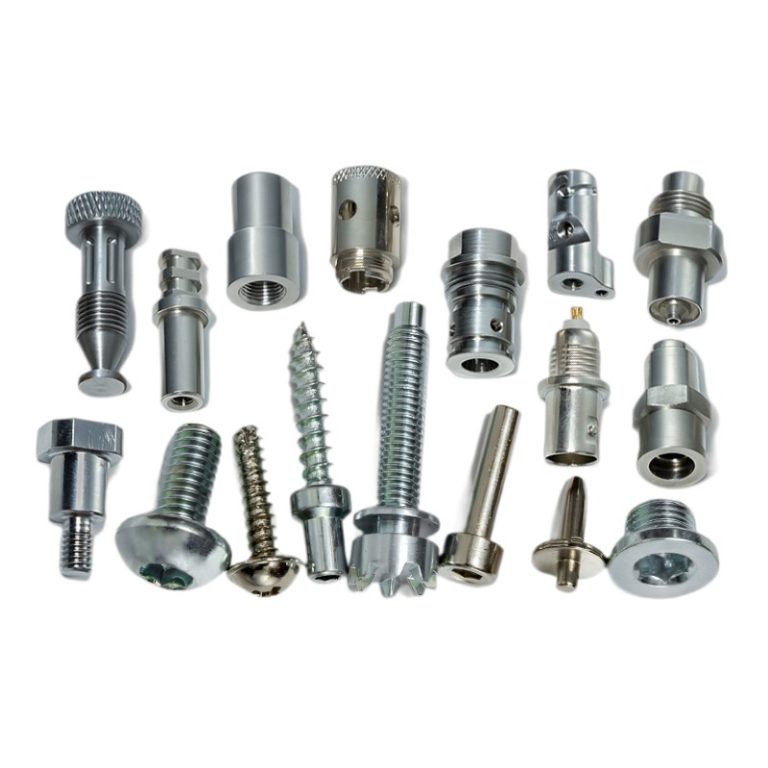
Precision manufacturing refers to the creation of parts and components with extremely tight tolerances (often measured in microns) and complex geometries.
Core Characteristics
| Characteristic | Description |
|---|---|
| Advanced technology adoption | CNC machining, laser cutting, robotics, 3D printing |
| Skilled workforce | Continuous training; expertise in complex engineering |
| Rigorous quality control | Regular inspections; testing; standards compliance |
| Customization focus | Tailored solutions; close client collaboration |
| Innovation capability | R&D investment; process improvement |
What Technologies Do Precision Manufacturers Use?
Precision manufacturing companies stay at the forefront of technological advancement.
CNC Machining
CNC (Computer Numerical Control) machining is a staple technology. These machines produce highly complex and precise parts with minimal human intervention.
| Capability | Benefit |
|---|---|
| 24/7 operation | High productivity; consistency |
| Multi-axis capability | Complex geometries; single-setup production |
| Material versatility | Metals, plastics, composites |
Laser Cutting and Welding
| Technology | Application | Benefit |
|---|---|---|
| Laser cutting | Intricate designs; clean edges | Precision; minimal thermal distortion |
| Laser welding | Joining metal components | Strength; minimal heat-affected zone |
Automation and Robotics
| Application | Benefit |
|---|---|
| Part loading/unloading | Consistency; reduced human error |
| Assembly | High precision |
| Quality checks | Integrated sensors; AI-driven analytics |
| Process optimization | Real-time monitoring; reduced downtime |
3D Printing and Additive Manufacturing
| Capability | Benefit |
|---|---|
| Complex geometries | Parts impossible with traditional methods |
| Rapid prototyping | Faster design iteration |
| Customization | Low-volume production; patient-specific implants |
| Material efficiency | Reduced waste |
What Role Does a Skilled Workforce Play?
A highly skilled workforce is crucial for precision manufacturing success.
Investment in Training
| Focus Area | Why It Matters |
|---|---|
| Machinery operation | Advanced CNC, laser, robotics require specialized knowledge |
| Engineering principles | Understanding material behavior; design for manufacturability |
| Quality standards | Maintaining high standards; safety; compliance |
Result: Employees equipped to operate cutting-edge machinery and solve complex engineering challenges.
How Do Precision Manufacturers Ensure Quality?
Rigorous quality control is a key differentiator.
Quality Control Protocols
| Element | Description |
|---|---|
| Regular inspections | Throughout manufacturing process—raw material to final product |
| Testing methods | Dimensional analysis; non-destructive testing (X-ray, ultrasound); functional testing |
| Standards compliance | ISO 9001; ISO/TS 16949 (automotive); AS9100 (aerospace) |
Standards Compliance
| Standard | Industry |
|---|---|
| ISO 9001 | General quality management |
| AS9100 | Aerospace |
| ISO/TS 16949 | Automotive |
| ISO 13485 | Medical devices |
What Industries Rely on Precision Manufacturing?
Aerospace Components
| Components | Requirements |
|---|---|
| Turbine blades, landing gear, avionics | Extremely tight tolerances; exceptional material properties; withstand extreme conditions |
Medical Devices and Instruments
| Applications | Requirements |
|---|---|
| Surgical instruments, diagnostic devices, implants | High accuracy; biocompatibility; customized patient fit (orthopedic, dental) |
Automotive Parts and Systems
| Components | Trends |
|---|---|
| Engine parts, transmission systems, ADAS sensors | High performance; complex features; EV and autonomous vehicle development |
Electronics and Semiconductors
| Applications | Precision Level |
|---|---|
| Microchips, sensors, miniaturized components | Nanometer-scale; photolithography; etching |
What Competitive Advantages Do Precision Manufacturers Have?
Innovation and R&D Capabilities
| Focus | Impact |
|---|---|
| New materials | Lightweight, durable, high-performance components |
| New processes | Improved efficiency; reduced costs |
| New designs | Meeting evolving market needs (aerospace, medical) |
Flexibility and Adaptability
| Capability | Benefit |
|---|---|
| Adjust production schedules | Meet customer demands |
| Modify designs | Accommodate new specifications |
| Integrate new technologies | Stay competitive; respond to market changes |
Customer Service and Support
| Practice | Outcome |
|---|---|
| Close collaboration | Parts match exact requirements |
| Tailored solutions | Custom implants; complex aerospace components |
| Long-term relationships | Trust; repeat business |
What Do Success Stories Reveal?
Aerospace Innovation
Challenge: Develop lightweight titanium component for aircraft engines.
Solution: Precision manufacturer used advanced CNC machining and additive manufacturing.
Result: Weight reduced by 30% without sacrificing strength; substantial fuel savings for aircraft manufacturer.
Medical Device Customization
Challenge: Create customized knee implant tailored to patient anatomy.
Solution: Combined 3D printing and CNC machining.
Result: Implant offered improved comfort and functionality; demonstrated how precision manufacturing enhances patient outcomes through personalized solutions.
What Lessons and Best Practices Emerge?
| Lesson | Why It Matters |
|---|---|
| Collaboration with clients | Ensures designs meet requirements; feasible within manufacturing constraints |
| Technology investment | Maintains competitiveness; meets customer demands for precision and quality |
| Focus on quality control | Ensures consistency; prevents errors that compromise part performance |
| Skilled workforce | Handles advanced machinery; tackles complex engineering challenges |
| Adaptability | Responds to customer requirements; integrates new technologies |
Conclusion
Precision manufacturing companies are distinguished by their:
- Advanced technology adoption: CNC machining, laser cutting, robotics, 3D printing—enabling complex geometries and tight tolerances
- Skilled workforce: Continuous training; expertise in operating cutting-edge machinery and solving engineering challenges
- Rigorous quality control: Regular inspections; testing; compliance with ISO 9001, AS9100, ISO 13485
- Industry expertise: Aerospace, medical, automotive, electronics—each with unique precision requirements
- Innovation and R&D: New materials, processes, designs that keep them ahead of market demands
- Flexibility and customer focus: Tailored solutions; close collaboration; long-term relationships
In an evolving industrial landscape, precision manufacturing companies thrive by combining technological excellence with unwavering commitment to quality and customer satisfaction.
FAQs
What is precision manufacturing?
Precision manufacturing is the process of creating parts with extremely tight tolerances (often measured in microns) and complex designs using specialized equipment. It is vital in industries where accuracy directly impacts safety, performance, and reliability—aerospace, medical devices, electronics, automotive.
How do precision manufacturing companies maintain high quality?
Through rigorous quality control processes: regular inspections throughout production, dimensional analysis, non-destructive testing (X-ray, ultrasound), functional testing, and compliance with international standards (ISO 9001, AS9100, ISO 13485).
What industries benefit most from precision manufacturing?
Aerospace, medical devices, automotive, and electronics benefit most. These industries require highly accurate, reliable components where even minor deviations can affect performance, safety, or functionality.
How does innovation play a role in precision manufacturing?
Innovation drives new materials (lightweight, durable), new processes (improved efficiency), and new designs (meeting evolving market needs). R&D investment allows precision manufacturers to stay ahead of competitors and respond to emerging demands.
How do precision manufacturing companies customize solutions for clients?
They work closely with clients to understand specific needs, leveraging advanced technologies—CNC machining, 3D printing, laser cutting—to deliver custom-designed, high-precision parts. Examples include patient-matched medical implants and application-specific aerospace components.
Contact Yigu Technology for Custom Manufacturing
At Yigu Technology, we embody the principles of precision manufacturing. With 15 years of experience, advanced 5-axis CNC machining, laser cutting, EDM, and ISO 9001 certification, we deliver precision components for aerospace, medical, automotive, and industrial applications.
Our quality systems include CMM inspection, in-process monitoring, and full documentation. We invest in continuous training and technology to meet the most demanding specifications. Contact us today to discuss your precision manufacturing requirements.