
Introduction
Magnesium Alloy AZ31B offers an exceptional combination: it is the lightest structural metal, with a density of 1.77 g/cm³ —35% lighter than aluminum and 78% lighter than steel. Yet it delivers tensile strength of 230–270 MPa, making it ideal for applications where weight reduction is critical. But machining AZ31B comes with unique challenges. It is highly flammable—fine magnesium chips can ignite if not properly managed. It is susceptible to corrosion without proper surface treatment. And its mechanical properties require careful parameter selection to achieve precision and surface finish. This guide covers everything you need to know about CNC machining AZ31B—material properties, machining processes, safety considerations, and applications across automotive, aerospace, and electronics industries.
What Makes Magnesium Alloy AZ31B Unique?
Lightweight and High Strength-to-Weight Ratio
AZ31B’s defining characteristic is its low density:
| Material | Density (g/cm³) | Relative Weight |
|---|---|---|
| Magnesium AZ31B | 1.77 | 1× |
| Aluminum | 2.7 | 1.5× |
| Steel | 7.8 | 4.4× |
Strength properties:
- Tensile strength: 230–270 MPa
- Yield strength: 150–200 MPa
- Elongation: 10–15% (good ductility)
- Hardness: 45–55 HB
This combination of low weight and moderate strength makes AZ31B ideal for structural applications where weight reduction improves performance and efficiency.
Mechanical and Microstructural Properties
AZ31B has a fine-grained microstructure with a magnesium matrix containing small amounts of aluminum and zinc phases. These alloying elements contribute to strengthening through solid solution and precipitation hardening.
Key mechanical characteristics:
- Good fatigue resistance for dynamic applications
- Ductility allows some deformation before failure
- Moderate hardness enables machining with carbide tools
Corrosion Resistance
Untreated AZ31B has poor corrosion resistance, especially in humid or salty environments. Magnesium is more active than most metals, acting as an anode in galvanic couples—accelerating corrosion.
Solutions:
- Anodizing: Creates a protective oxide layer
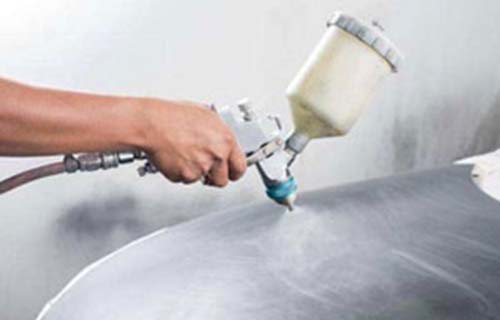
- Coatings: Painting, powder coating, or plating
- Conversion coatings: Chemical treatments that improve corrosion resistance
With proper surface treatment, AZ31B becomes suitable for a wide range of applications.
Thermal and Electrical Conductivity
| Property | Value |
|---|---|
| Thermal conductivity | 156 W/(m·K) |
| Electrical conductivity | Moderate (lower than copper, higher than stainless steel) |
This moderate thermal conductivity makes AZ31B useful for applications requiring heat dissipation—electronics enclosures, for example—though not as efficient as copper or aluminum.
What Are the Machining Challenges?
Flammability
Magnesium is highly flammable. Fine chips, dust, or thin sections can ignite if exposed to high heat or sparks. This is the primary safety concern when machining AZ31B.
Prevention measures:
- Use water-based coolants with low flammability
- Avoid dry machining where chips can accumulate
- Maintain good ventilation in the machining area
- Keep fire extinguishers rated for metal fires (Class D) accessible
Corrosion Susceptibility
Untreated AZ31B corrodes quickly. Cutting fluids, coolant residues, or even humidity can cause surface corrosion if not properly cleaned.
Prevention:
- Use coolants compatible with magnesium
- Clean parts promptly after machining
- Apply protective coatings or surface treatments
Work Hardening and Chip Formation
AZ31B can work harden if cutting parameters are not optimized. Chip formation is typically continuous, requiring proper chip control to prevent entanglement and fire hazards.
What Machining Processes Work for AZ31B?
Tool Selection
| Tool Material | Suitability | Notes |
|---|---|---|
| Carbide | Best for production | High hardness, wear resistance; uncoated or special magnesium coatings |
| High-speed steel (HSS) | Limited use | For low-speed operations; more prone to wear |
Tool geometry:
- Sharp cutting edges with positive rake angles
- Polished flutes to prevent chip adhesion
- Avoid dull tools—they generate excess heat and friction
Cutting Parameters
| Operation | Spindle Speed (RPM) | Feed Rate (mm/rev) | Depth of Cut (mm) |
|---|---|---|---|
| Roughing | 5,000–12,000 | 0.15–0.30 | 2–3 |
| Finishing | 8,000–15,000 | 0.08–0.15 | 0.1–0.5 |
Key principles:
- High-speed machining is suitable but requires careful parameter control
- Avoid excessive heat generation
- Maintain consistent chip load to prevent rubbing
Coolant and Lubrication
Coolant is essential for both heat management and fire prevention.
Requirements:
- Water-based coolants with low flammability
- Flood the cutting zone to dissipate heat and flush chips
- Ensure coolant system is well-maintained; contamination affects machining quality
Toolpath and Machining Strategy
Climb milling is preferred over conventional milling:
- Reduces tool wear
- Improves surface finish
- Better chip formation
Layered approach:
- Roughing: Removes bulk material quickly
- Semi-finishing: Prepares for final dimensions
- Finishing: Achieves required accuracy and surface finish
Toolpath optimization:
- Avoid sharp turns and sudden direction changes
- Use smooth transitions to reduce chatter
- Plan chip evacuation paths
What Surface Finish and Tolerances Are Achievable?
| Parameter | Achievable Range |
|---|---|
| Surface finish (Ra) | 1.6–3.2 μm (standard); 0.8–1.6 μm (precision) |
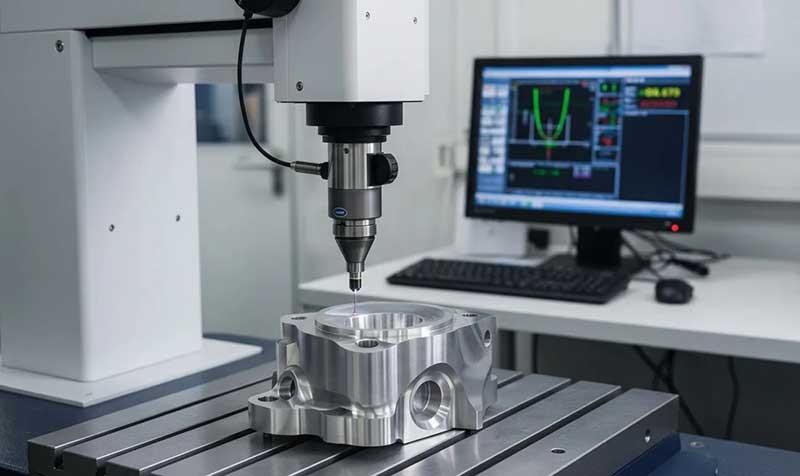
| Dimensional tolerance | ±0.01 mm (standard); ±0.005 mm (precision) |
Factors affecting accuracy:
- Tool wear
- Machine rigidity
- Thermal expansion
- Workpiece stability
Post-machining:
Polishing can further improve surface finish. Regular monitoring and adjustment maintain dimensional accuracy.
How Do You Manage Chips, Tool Wear, and Heat?
Chip Formation and Control
AZ31B produces continuous chips. Without proper control, chips can:
- Entangle around the tool
- Accumulate in the work area
- Create fire hazards
Control strategies:
- Use tools with chip-breaking geometry
- Apply sufficient coolant to flush chips
- Consider mist or air blast to remove chips from the cutting zone
- Regular chip removal from machine enclosure
Tool Wear Management
Tool wear occurs due to:
- Abrasive nature of the material
- High cutting speeds
Best practices:
- Regular tool inspection (every 50–100 parts depending on complexity)
- Replace tools when flank wear exceeds 0.2–0.3 mm
- Use carbide tools for longer life
Heat Management
Excessive heat causes:
- Thermal distortion of the workpiece
- Accelerated tool wear
- Increased fire risk
Heat management strategies:
- Flood coolant application
- Maintain good ventilation
- Avoid prolonged cuts in one area
- Monitor cutting temperatures
What Surface Treatments Improve Corrosion Resistance?
| Treatment | Process | Benefits |
|---|---|---|
| Anodizing | Electrochemical oxide layer | Hard, durable, corrosion-resistant surface |
| Conversion coating | Chemical treatment | Thin protective layer; base for painting |
| Painting/powder coating | Applied coating | Aesthetic, corrosion protection |
| Plating | Metal deposition (e.g., nickel) | Wear resistance, corrosion protection |
Recommendation: For applications exposed to humidity or salt, anodizing or coating is essential.
Where Is AZ31B Used?
Automotive Industry
AZ31B reduces weight in:
- Engine components (cradles, brackets)
- Transmission housings
- Wheel hubs
- Lightweight structures
Example: Using AZ31B in engine cradles reduces vehicle weight by several kilograms—improving fuel efficiency and handling.
Aerospace Industry
Weight reduction is critical in aerospace. AZ31B is used in:
- Aircraft interiors (seat frames, cabin structures)
- Non-critical structural components
- Lightweight alternatives to aluminum
Electronics and Consumer Electronics
AZ31B enclosures for:
- Laptops
- Smartphones
- Tablets
Advantages:
- Lightweight for portability
- Good thermal conductivity for heat dissipation
- Smooth surface finish for aesthetics
Medical Devices
- Lightweight equipment (wheelchairs, mobility aids)
- Surgical tools requiring maneuverability
- Portable medical devices
Sporting Goods
- Bicycle frames
- Golf clubs
- Tennis rackets
Benefit: Lightweight equipment enhances athlete performance without sacrificing strength.
A Real-World AZ31B Machining Success
A manufacturer producing laptop enclosures from AZ31B faced:
- Fire risk from fine chips accumulating
- Surface finish inconsistent (Ra 3.2–6.3 μm)
- Corrosion on parts after machining
Solutions implemented:
- Switched to water-based coolant with flood application
- Installed chip conveyor for continuous chip removal
- Optimized finishing parameters: 12,000 RPM, 0.08 mm/rev feed
- Added anodizing post-machining
Results:
- Fire risk eliminated
- Surface finish improved to Ra 0.8–1.2 μm
- Corrosion resistance achieved with anodizing
- Production output increased by 25%
Conclusion
CNC machining Magnesium Alloy AZ31B offers the opportunity to produce lightweight, strong components across automotive, aerospace, electronics, and medical industries. Success requires understanding the material’s unique properties—its low density, moderate strength, and susceptibility to corrosion and combustion. Proper tool selection (carbide with sharp edges), optimized parameters (high-speed with careful feeds), and effective coolant management (water-based, flood application) are essential. Chip control prevents fire hazards. Surface treatments like anodizing unlock corrosion resistance for demanding environments. When these practices are followed, AZ31B machines into precision components that deliver the weight savings and performance that modern applications demand.
FAQs
Is Magnesium Alloy AZ31B prone to corrosion?
Yes, untreated AZ31B has poor corrosion resistance, especially in humid or salty environments. However, with surface treatments—anodizing, conversion coatings, painting, or plating—its corrosion resistance improves significantly, making it suitable for a wide range of applications.
What are the main safety concerns when machining AZ31B?
The primary safety concern is fire risk. Magnesium is highly flammable; fine chips, dust, or thin sections can ignite if exposed to high heat or sparks. Prevention includes: using water-based coolants with flood application, maintaining good ventilation, ensuring proper chip management, and keeping Class D fire extinguishers (rated for metal fires) accessible.
Can AZ31B be welded?
Yes, AZ31B can be welded using processes like TIG (tungsten inert gas) welding. However, proper techniques and precautions are needed because magnesium is reactive at high temperatures. Pre-weld cleaning, appropriate filler materials, and shielding gas are essential to prevent oxidation and ensure strong welds.
What cutting tools are best for machining AZ31B?
Carbide tools are preferred due to their high hardness and wear resistance. Uncoated carbide or carbide with coatings designed for magnesium machining reduces friction and prevents chip buildup. Sharp cutting edges with positive rake angles help in efficient chip formation and reduce cutting forces. HSS tools can be used for low-speed operations but wear more quickly.
How can I improve surface finish when machining AZ31B?
Improve surface finish by: using sharp carbide tools with polished flutes, optimizing finishing parameters (higher spindle speeds, reduced feed rates), taking light finishing passes (0.1–0.2 mm depth), applying adequate coolant, and using climb milling. For critical applications, post-machining polishing can achieve Ra values below 0.8 μm.
Contact Yigu Technology for Custom Manufacturing
At Yigu Technology, we specialize in CNC machining Magnesium Alloy AZ31B for automotive, aerospace, electronics, and medical applications. Our process prioritizes safety—using water-based coolants, optimized parameters, and proper chip management to eliminate fire risks. We select the right carbide tooling and achieve tolerances down to ±0.005 mm with surface finishes as low as Ra 0.8 μm. We also offer surface treatments—anodizing, conversion coatings—to enhance corrosion resistance. Whether you need lightweight automotive components, electronics enclosures, or medical devices, we deliver AZ31B precision that meets your specifications. Contact us to discuss your magnesium machining project.


