Introduction
Engineers and manufacturers often face a tough choice. They need a material strong enough for structural parts but light enough to save energy or improve portability. Many metals are either too heavy—like steel—or lack the strength for demanding jobs. Sheet metal aluminum alloys solve this problem. They combine low weight with impressive mechanical performance. In this guide, we’ll explore what these alloys are made of, how they are processed, what finishes they can take, and where they shine. By the end, you’ll understand why industries from automotive to aerospace rely on them.
What Are Aluminum Alloys Made Of?
Alloy Composition
Aluminum alloys are mostly aluminum—typically 90–99%. The rest consists of small amounts of other elements added to boost specific properties.
| Element | What It Does |
|---|---|
| Copper | Increases strength |
| Magnesium | Improves corrosion resistance and strength |
| Silicon | Enhances castability and weldability |
| Manganese | Boosts formability |
| Zinc | Adds high strength in heat-treatable alloys |
Trace amounts of iron are often present, but manufacturers keep iron levels low. Too much iron can reduce ductility.
Real-world example:
6061 aluminum—a popular general-purpose alloy—contains 0.4–0.8% silicon and 0.8–1.2% magnesium. This balance gives it good strength and workability.
7075 aluminum, used in aerospace, takes a different approach. It includes 5.1–6.1% zinc and 1.2–2% copper, delivering exceptional strength.
What Properties Do They Offer?
Strength, Weight, and Ductility
Aluminum alloys weigh about one-third as much as steel. That makes them a top choice when weight reduction is critical.
Strength varies by alloy:
- Non-heat-treatable alloys like 3003 have tensile strength of 110–180 MPa.
- Heat-treatable alloys like 7075 reach 500–570 MPa—rivaling some steels.
Most alloys also offer good ductility. That means they can bend, form, and roll into complex shapes without cracking.
For instance, 1100 aluminum (high purity) has an elongation of 40%. That makes it perfect for packaging and electronics components.
Corrosion Resistance and Other Benefits
Aluminum naturally forms a thin oxide layer. This layer gives it built-in corrosion resistance.
Some alloys go further. Those with magnesium, like 5052, perform especially well in marine environments and humid conditions.
Other valuable properties include:
- Thermal conductivity: 120–230 W/(m·K)—about half that of pure aluminum, but still higher than most steels. Ideal for heat sinks.
- Electrical conductivity: 30–60% of pure copper—suitable for telecommunications parts.
- Recyclability: Aluminum can be recycled repeatedly without losing quality. Recycling uses only 5% of the energy needed to produce new aluminum.
How Are Aluminum Sheets Manufactured?
Forming and Shaping
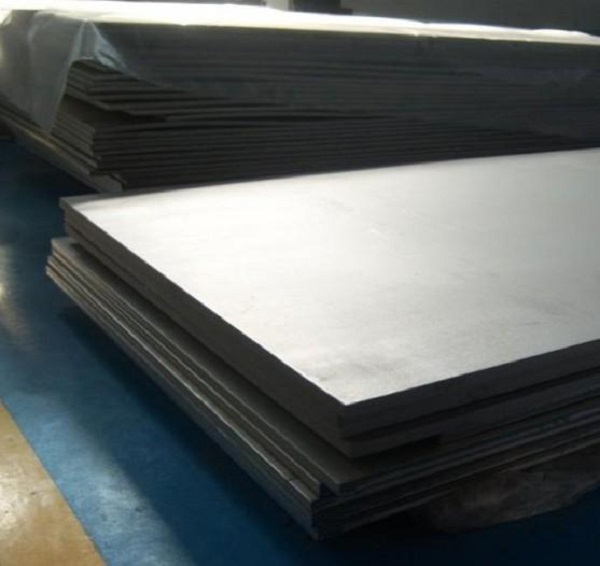
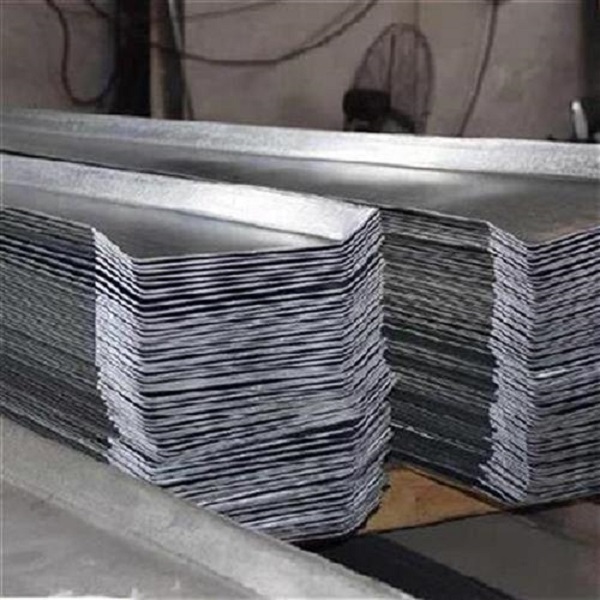
The process starts with rolling. Manufacturers heat aluminum ingots and pass them through rollers. This produces sheets ranging from 0.2 mm to 10 mm thick.
For complex cross-sections, they use extrusion. These extruded shapes can then be rolled into sheets for specialized architectural parts.
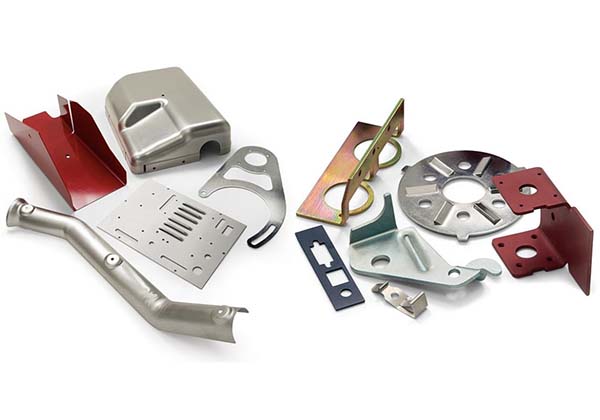
Cutting methods like laser cutting and CNC machining ensure precise shapes. The ductility of aluminum makes bending and forming easy. Even tight radii are possible without cracking.
Case study:
A manufacturer of home appliances needed curved panels for a new refrigerator model. Using 3003 aluminum, they achieved tight bends without any cracking. This saved material and eliminated rework.
Welding, Machining, and Heat Treatment
Welding aluminum requires care. TIG or MIG welding techniques help prevent oxidation. Most alloys—especially those with silicon—weld well.
Machining is straightforward. Aluminum is softer than steel, so it cuts easily. However, heat-treatable alloys may need coolants to prevent warping.
Heat treatment enhances strength. For example, aging 6061 aluminum forms fine precipitates inside the metal. This makes it suitable for aerospace components and industrial machinery.
What Surface Treatments Are Available?
Anodizing and Chemical Conversion
Anodizing is one of the most popular treatments. It creates a thick, porous oxide layer on the surface. This layer:
- Boosts corrosion resistance
- Allows for dyeing in various colors
You’ll see anodized aluminum in architectural components and sports equipment.
Chemical conversion coating—like chromate or non-chromate treatments—forms a thin film. It improves paint adhesion and adds corrosion protection. This is common in automotive parts and electronics enclosures.
Painting, Powder Coating, and Finishes
Painting and powder coating add color and extra protection. These finishes are standard on home appliances and construction materials.
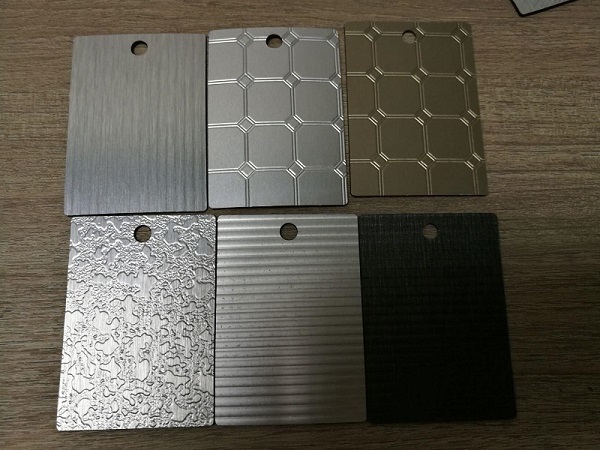
For decorative looks, manufacturers use:
- Polishing: Creates a mirror-like finish
- Brushed finish: Gives a matte, textured look popular in electronics and furniture
Surface roughness is controlled to meet specific needs. Polished finishes can reach 0.05 μm Ra. Brushed finishes typically measure around 5 μm Ra.
Pro tip: Protective films are often applied during shipping. This prevents scratches before installation.
Where Are Aluminum Alloys Used?
Automotive, Aerospace, and Transportation
The automotive industry uses aluminum for body panels, hoods, and engine parts. Every 10% reduction in vehicle weight can improve fuel efficiency by 5–7%.
In aerospace, alloys like 2024 and 7075 are standard. Aircraft wings and fuselages demand high strength and low weight. Aluminum delivers both.
Transportation also includes train bodies and ship components. Corrosion resistance and light weight make it ideal for these applications.
Construction and Architecture
Construction uses aluminum sheets for:
- Roofing
- Cladding
- Window frames
Light weight reduces installation costs. Corrosion resistance extends lifespan. Architectural components like facades and handrails often use anodized or painted aluminum for durability and aesthetics.
Electronics, Medical, and More
Electronics rely on aluminum for:
- Heat sinks (thanks to thermal conductivity)
- Smartphone cases
- Laptop bodies
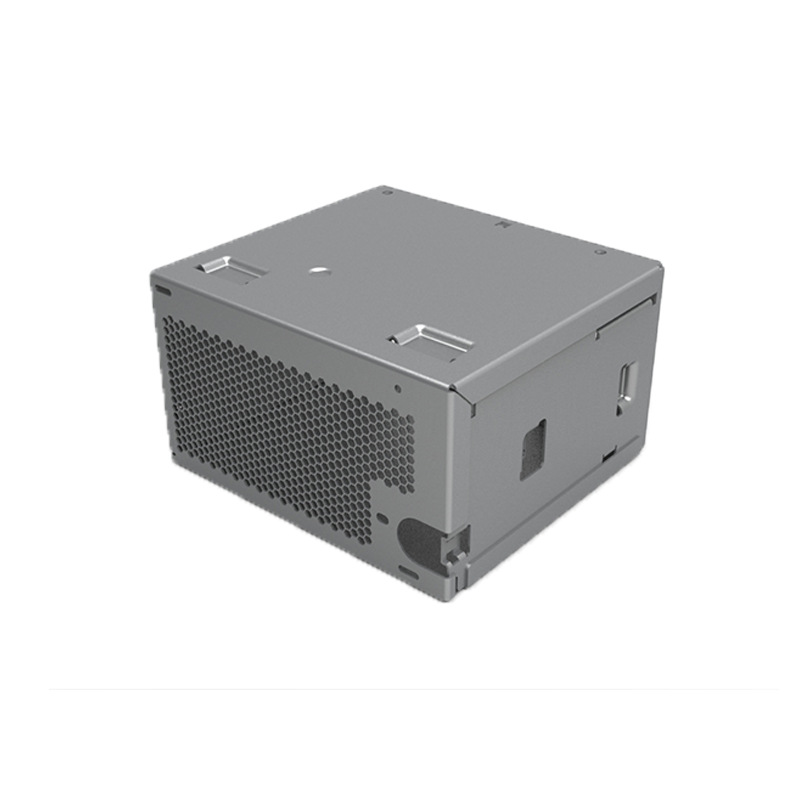
Home appliances like refrigerators and microwaves use aluminum panels. They combine sleek looks with rust resistance.
In the medical field, devices such as wheelchairs and surgical tools benefit from aluminum’s light weight and easy sterilization.
The food and beverage industry uses it for cans and packaging. It’s non-toxic and fully recyclable.
Sports equipment—bikes, golf clubs, baseball bats—also takes advantage of its strength-to-weight ratio.
Yigu Technology’s Perspective
At Yigu Technology, we work with sheet metal aluminum alloys every day. We value them for their versatility. We use alloys like 6061 and 5052 in CNC machining, laser cutting, and bending to produce parts for automotive, electronics, and aerospace clients.
Our expertise in anodizing, powder coating, and precision finishing ensures each component meets both performance and aesthetic standards. Whether you need lightweight automotive parts or corrosion-resistant marine components, aluminum alloys help us deliver cost-effective, high-quality solutions.
FAQ
How do aluminum alloys compare to steel in terms of strength and weight?
Aluminum alloys weigh about one-third of steel. While they generally have lower absolute strength, high-performance alloys like 7075 can match mild steel in strength-to-weight ratio. They are ideal when weight savings matter more than raw strength.
Are aluminum alloys corrosion-resistant?
Yes. Most aluminum alloys have good corrosion resistance due to their natural oxide layer. Alloys with magnesium, like 5052, excel in saltwater environments. Anodizing or coatings can further enhance protection in harsh conditions.
Can aluminum alloys be recycled?
Absolutely. Aluminum is 100% recyclable with no loss of quality. Recycling uses just 5% of the energy required to produce new aluminum, making it an eco-friendly choice for sustainable manufacturing.
What is the difference between 6061 and 7075 aluminum?
6061 is a general-purpose alloy with good strength, weldability, and corrosion resistance. It is widely used in structural parts. 7075 is much stronger—often used in aerospace—but it is less weldable and more expensive.
Which aluminum alloy is best for marine applications?
5052 aluminum is a top choice for marine use. Its high magnesium content gives it excellent corrosion resistance in saltwater environments.
Contact Yigu Technology for Custom Manufacturing
At Yigu Technology, we specialize in precision sheet metal fabrication using a wide range of aluminum alloys. From prototyping to full production runs, our team ensures quality, accuracy, and on-time delivery. [Contact us today] to discuss your project and get a tailored manufacturing solution.