
What Is Monel 400 Sheet Metal and Should You Use It?

Sheet metal

Finding a material that withstands saltwater, acids, and high temperatures is not easy. Ordinary metals corrode quickly in harsh environments. Replacements cost time and money. This guide explores Monel 400 sheet metal—a nickel alloy built for demanding conditions—and helps you decide if it fits your project. Contents Introduction Material Composition and Properties What Is Monel […]

Finding a material that withstands saltwater, acids, and high temperatures is not easy. Ordinary metals corrode quickly in harsh environments. Replacements cost time and money. This guide explores Monel 400 sheet metal—a nickel alloy built for demanding conditions—and helps you decide if it fits your project.

Introduction

Monel 400 is a nickel-copper alloy known for exceptional corrosion resistance. It performs where stainless steel and other metals fail. Marine equipment, chemical plants, and aerospace components all rely on this material.

In this guide, you will learn what Monel 400 is made of. You will understand its mechanical and chemical properties. You will explore how it is processed and finished. And you will discover where it works best—and where it may not be the right choice.

Material Composition and Properties

What Is Monel 400 Made Of?

Monel 400 has a precise composition that gives it unique characteristics:

ElementPercentageRole
Nickel~63%Provides corrosion resistance and strength
Copper28–34%Enhances corrosion resistance, especially in seawater
IronUp to 2.5%Adds structural stability
ManganeseUp to 2%Improves workability
OthersTrace amountsFine-tune properties

This combination creates a material that balances strength, ductility, and corrosion resistance.

Mechanical Properties

Strength: Monel 400 offers tensile strength ranging from 480 to 690 MPa. That puts it between standard carbon steel and high-strength alloys. It handles heavy loads without permanent deformation.

Ductility: The alloy remains formable despite its strength. You can bend, shape, and form it without cracking. This ductility is essential for manufacturing complex components.

High-Temperature Resistance: Monel 400 maintains its strength up to around 480°C. In heat exchangers and industrial furnaces, it keeps performing when other materials soften.

Chemical and Physical Properties

Corrosion Resistance: This is Monel 400’s standout feature. It resists:

  • Saltwater: Ideal for marine environments
  • Acidic solutions: Sulfuric, hydrochloric, and hydrofluoric acids
  • Alkaline environments: Caustic soda and other bases
  • Chemical processing: Wide range of industrial chemicals

Oxidation Resistance: When exposed to air, Monel 400 forms a protective surface layer. This layer prevents further oxidation, even at moderate temperatures.

Thermal and Electrical Conductivity: Compared to pure copper, conductivity is lower. But for applications where corrosion resistance matters more than conductivity, it still performs adequately.

Magnetic Properties: Monel 400 is slightly magnetic, especially after cold working. Consider this if magnetic interference could affect your application.

Recyclability: Like other nickel alloys, Monel 400 is highly recyclable. Recycling reduces raw material needs and saves energy.

Manufacturing Processes

Working with Monel 400 requires specific techniques. Its toughness and work-hardening tendencies demand careful handling.

Forming and Cutting

Rolling produces Monel 400 sheet in various thicknesses. Cold rolling improves strength and surface finish. Hot rolling works for thicker sheets. The alloy’s ductility allows consistent quality across thin gauges.

Cutting methods include:

  • Laser cutting: Ideal for complex shapes with high precision
  • CNC machining: Good for detailed work
  • Shearing and punching: Effective for simpler cuts and holes

A manufacturer once tried using standard carbon steel cutting parameters on Monel 400. Tool wear increased by 40%. Switching to slower speeds and sharper tools solved the problem.

Bending and forming take advantage of the alloy’s ductility. But proper tooling is essential. Cold forming can cause work hardening. Annealing afterward restores ductility for additional forming steps.

Welding and Heat Treatment

Welding Monel 400 requires specific techniques:

  • GTAW (TIG welding): Offers precise control
  • GMAW (MIG welding): Faster for larger jobs

Cleanliness matters. Contamination reduces weld strength and corrosion resistance. Post-weld annealing relieves residual stresses and restores properties.

Annealing is the primary heat treatment for Monel 400. Heat to 700–900°C, then cool slowly. This process relieves internal stresses and improves ductility after cold working or welding.

Machining Considerations

Machining Monel 400 is more challenging than machining carbon steel. The alloy is tough and work-hardens quickly.

Key practices:

  • Use sharp tools to reduce friction
  • Maintain proper cutting speeds—slower than for steel
  • Apply adequate coolant to control heat
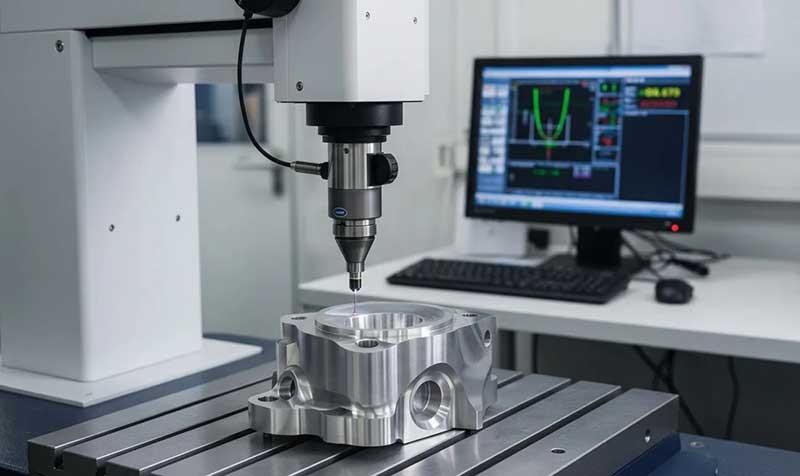
  • Use CNC machining for precision parts like valves and pump components

Surface Treatments and Finishes

Surface finishing enhances both appearance and performance.

Plating Options

Plating TypePurpose
TinningImproves solderability; adds corrosion protection
Silver PlatingHigh-end applications; enhanced conductivity
Gold PlatingPremium applications; aesthetics and corrosion resistance

Coatings and Paints

Corrosion-resistant coatings add an extra layer of protection in extremely harsh environments. These coatings can be tailored for specific chemicals.

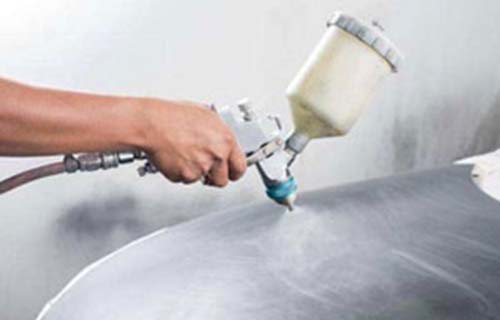
Painting serves decorative purposes or component identification. The alloy’s inherent corrosion resistance is already strong, but paint adds another barrier.

Mechanical Finishes

Polishing creates a smooth, shiny surface. Mirror finishes are both attractive and easy to clean—important for food processing and medical equipment.

Brushed finish gives a linear texture and industrial look. Architectural components and industrial machinery often use this finish.

Chemical conversion coating and passivation form thin protective layers. Passivation is especially useful when the alloy faces corrosive substances.

Heat coloring creates decorative color variations. This technique appears in artistic applications and ornamental components.

Protective films applied during manufacturing and transport prevent scratches and surface damage.

Applications Across Industries

Marine and Offshore

Monel 400 excels in saltwater environments. Common uses include:

  • Ship hulls and propellers
  • Valves and pumps
  • Seawater system tubing

A marine equipment manufacturer switched from stainless steel to Monel 400 for pump shafts. Previously, shafts lasted 18 months before pitting corrosion. With Monel 400, they exceeded 7 years with no visible corrosion.

Oil and Gas Industry

In oil and gas, equipment faces corrosive fluids and gases. Monel 400 appears in:

  • Wellhead components
  • Pipelines
  • Pumps
  • Downhole equipment

Chemical Processing

Monel 400 is a staple in chemical plants. It resists:

  • Sulfuric acid
  • Hydrochloric acid
  • Sodium hydroxide
  • Various organic chemicals

Applications include valves, pumps, heat exchangers, and storage tanks.

Aerospace and Automotive

Aerospace: Fuel lines, hydraulic systems, and engine parts benefit from high-temperature resistance and strength.

Automotive: High-performance exhaust systems and fuel injectors use Monel 400 where heat and corrosion resistance matter.

Other Applications

IndustryApplications
Food ProcessingMixers, conveyors, storage tanks—easy to clean, corrosion-resistant
Medical DevicesSurgical instruments, equipment components—biocompatible and durable
ElectronicsConnectors, terminals—combines conductivity with corrosion resistance

Limitations and Considerations

Monel 400 is not always the right choice. Consider these factors:

  • Cost: Significantly more expensive than stainless steel or carbon steel
  • Machinability: Requires specialized tooling and slower speeds
  • Work hardening: Can harden during forming, requiring intermediate annealing
  • Magnetic properties: Slightly magnetic after cold working—may matter for sensitive applications
  • Conductivity: Lower than copper or aluminum if high conductivity is your priority

Yigu Technology’s Perspective

As a custom manufacturer of non-standard metal products, Yigu Technology works with Monel 400 regularly. We have seen how the right processing makes the difference.

In one project, a client needed precision components for offshore oil equipment. Standard suppliers struggled with the alloy’s work hardening. Our team adjusted cutting parameters and used specialized tooling. The parts met all specifications with consistent quality across the production run.

We have also learned the value of proper annealing. Another client required complex bends in Monel 400 sheet. We performed intermediate anneals between forming steps. The result was zero cracking—even with tight bend radii.

Our advice: Plan your processing steps carefully. Monel 400 rewards patience and precision. Rushing leads to tool wear, scrap, and delays.

Conclusion

Monel 400 sheet metal offers exceptional corrosion resistance, good strength, and reliable performance in harsh environments. It excels in marine, chemical, oil and gas, and aerospace applications.

But it comes with trade-offs. Cost is higher. Machining is more challenging. Processing requires expertise and proper equipment.

If your application faces saltwater, acids, or high temperatures, Monel 400 is worth considering. Work with fabricators who understand its unique properties. The upfront investment pays off through longer service life and fewer replacements.

FAQ

How does Monel 400 compare to stainless steel in terms of corrosion resistance?
Monel 400 generally offers better corrosion resistance than most stainless steels in saltwater and acidic environments. Stainless steel can suffer pitting and crevice corrosion in harsh conditions. Monel 400 holds up better, especially in marine and chemical applications.

Can Monel 400 be welded to other metals?
Yes, but careful technique is required. Select compatible filler materials and welding methods like GTAW or GMAW. Protect the weld area from contamination. Post-weld annealing helps relieve stresses and restore corrosion resistance.

Is Monel 400 suitable for high-pressure applications?
Yes. Its tensile strength of 480–690 MPa makes it suitable for high-pressure components like valves, pressure vessels, and wellhead equipment. Its strength combined with corrosion resistance makes it reliable in demanding pressure applications.

What are the main challenges when machining Monel 400?
Monel 400 work-hardens quickly and is tougher than carbon steel. Challenges include rapid tool wear and achieving smooth surface finishes. Use sharp tools, slower cutting speeds, and adequate coolant. CNC machining with optimized parameters delivers the best results.


Contact Yigu Technology for Custom Manufacturing

Need Monel 400 components made to your exact specifications? Yigu Technology specializes in custom non-standard metal products. Our team understands the unique processing requirements of nickel alloys. From marine equipment to chemical processing components, we deliver quality and precision. [Contact us] to discuss your project requirements.

Scroll to Top