Introduction
Manufacturers face a constant trade-off: mold performance versus production speed, especially when developing prototypes or low-volume runs. Steel molds are durable but heavy, expensive, and slow to machine—delaying time-to-market. For short production runs or iterative prototyping, the high cost of steel molds is hard to justify. Their slow heat dissipation extends cycle times, further reducing efficiency.
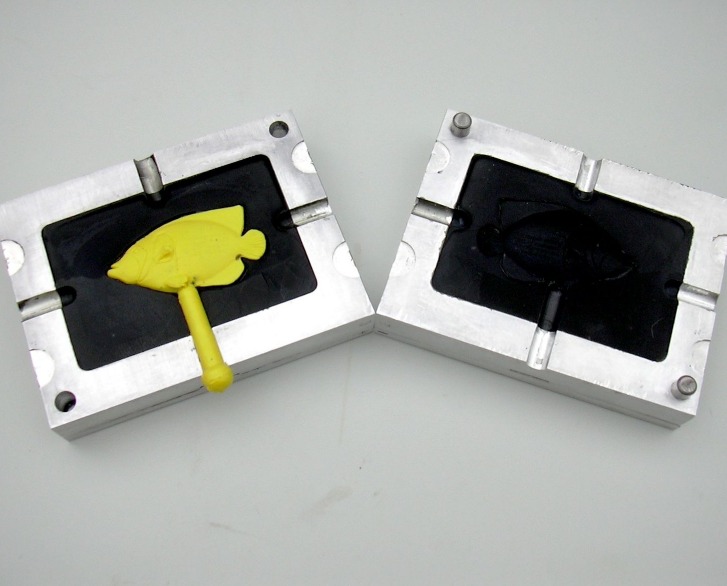
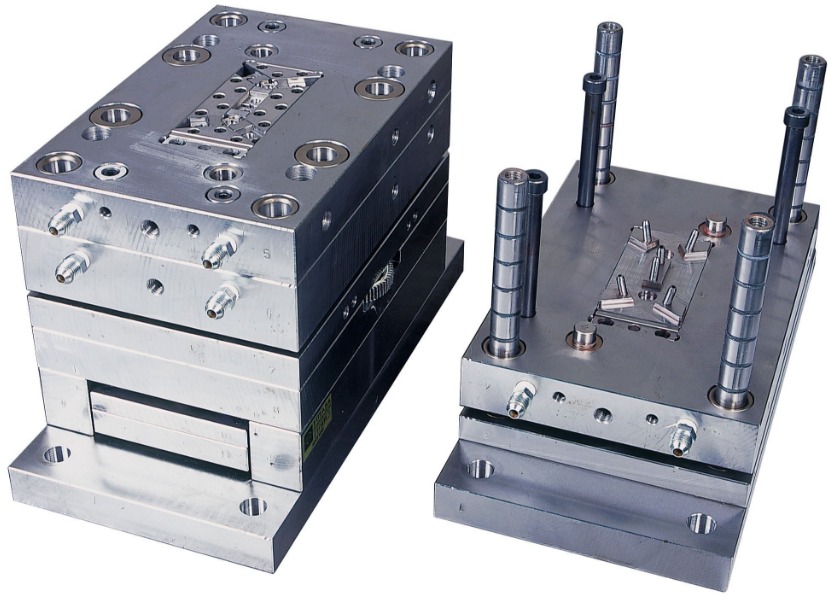
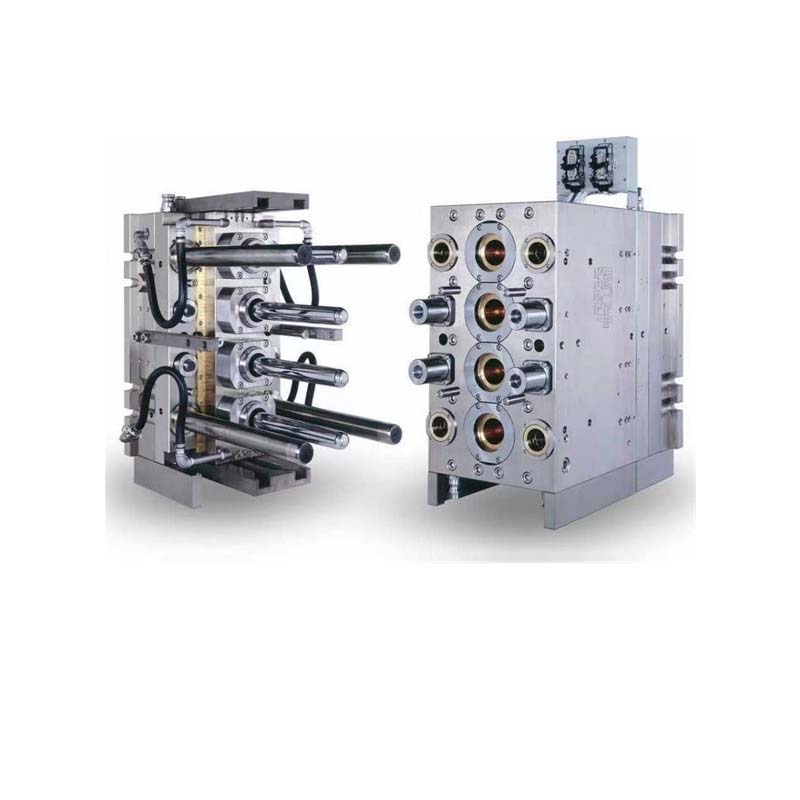
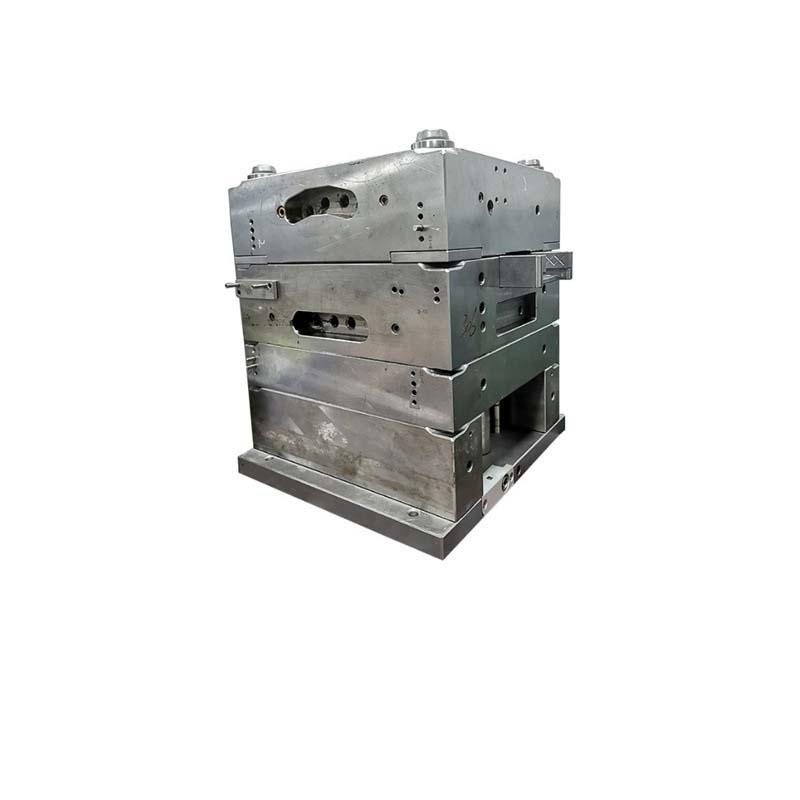
Mold making aluminum alloys solve these problems. Offering exceptional machinability, high thermal conductivity, and lightweight properties, aluminum alloys enable faster production, lower costs, and greater flexibility. They are revolutionizing mold making for prototypes and low-volume runs.
This guide explores why aluminum alloys excel in these applications. You will learn about their key properties, common grades, applications, and how to maximize their advantages.
What Are Mold Making Aluminum Alloys?
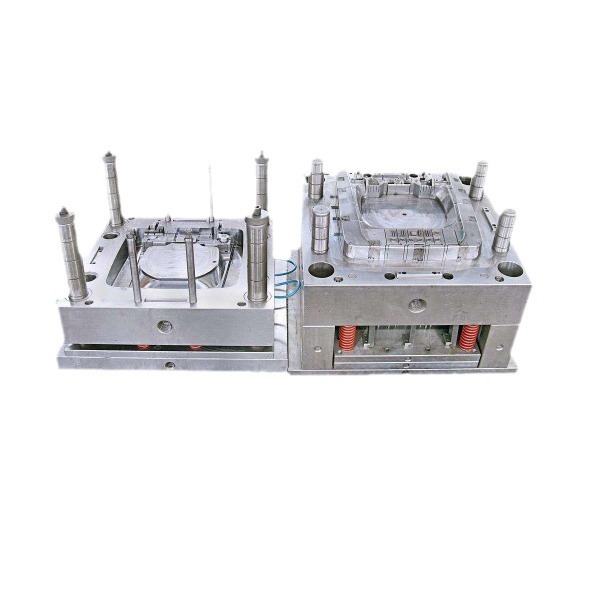
Mold making aluminum alloys are specialized aluminum materials engineered to balance strength, machinability, and thermal performance for molding applications. They are reinforced with elements like copper, zinc, or magnesium to withstand the pressures and temperatures of plastic molding while remaining easy to machine.
Common Grades
| Grade | Tensile Strength | Key Properties | Best For |
|---|---|---|---|
| 6061 | 110–145 MPa | General-purpose; good machinability; cost-effective | Prototypes, general low-volume molds |
| 7075 | 500–570 MPa | High strength; excellent strength-to-weight ratio | Higher-pressure applications, durable low-volume molds |
| 5083 | 290–350 MPa | Excellent corrosion resistance; good for marine environments | Molds exposed to coolants, humid conditions |
Standard Specifications
Aluminum alloys for molds adhere to ASTM B209 (sheet/plate) and ASTM B211 (bar/stock) standards, ensuring consistent chemical composition and mechanical properties. For 6061, specifications require 0.4–0.8% silicon and 0.7% iron for optimal machinability.
Industry Usage
Aluminum alloys are used in 70–80 percent of prototype molds and 30–40 percent of low-volume production molds (1,000–50,000 cycles). Their popularity spans automotive prototyping, consumer electronics, and medical device development.
What Properties Make Aluminum Alloys Ideal for Mold Making?
| Property | Aluminum Alloy Performance | Comparison |
|---|---|---|
| Weight | 2.7 g/cm³ | Steel: 7.8 g/cm³ (aluminum is 3x lighter) |
| Thermal Conductivity | 160–200 W/m·K | Steel: 40–50 W/m·K (4–5x faster heat transfer) |
| Machinability | Cutting speeds 300–500 SFM | Steel: 50–100 SFM (5–10x faster) |
| Strength-to-Weight Ratio | 7075 offers 2x higher than steel | Enables medium-pressure molding (up to 10,000 psi) |
| Corrosion Resistance | Good; 5083 excellent; 6061/7075 benefit from anodizing | Outperforms uncoated steel in humid environments |
| Surface Finish | Polishes to Ra 0.05–0.1 μm; anodizing improves hardness to 50 HRC | Sufficient for most prototypes and non-cosmetic parts |
Lightweight
Aluminum weighs 2.7 g/cm³, approximately one-third of steel’s 7.8 g/cm³. This reduces mold handling costs and makes integration into automated molding systems easier.
High Thermal Conductivity
Aluminum conducts heat 4 to 5 times faster than steel (160–200 W/m·K vs. 40–50 W/m·K for P20). This reduces cooling times, cutting cycle times by 15 to 25 percent for injection molding.
Corrosion Resistance
Alloys like 5083 resist corrosion from water-based coolants and mild mold release agents, outperforming uncoated steel in humid environments. 6061 and 7075 benefit from anodizing to further boost corrosion resistance.
Machinability
Aluminum alloys machine with exceptional ease. Cutting speeds of 300–500 SFM are common—5 to 10 times faster than steel. This reduces machining time from days to hours for complex prototypes.
Strength-to-Weight Ratio
7075 offers a strength-to-weight ratio 2 times higher than steel. Tensile strength approaches some steels while remaining lightweight, making it suitable for medium-pressure molding (up to 10,000 psi).
Surface Finish Capabilities
Aluminum polishes to Ra 0.05–0.1 μm, sufficient for most prototypes and non-cosmetic parts. Anodizing can improve surface hardness (up to 50 HRC) and create a smooth, wear-resistant finish.
Where Are Aluminum Alloys Used in Mold Making?
Prototype Molds
For testing new designs, aluminum molds deliver parts in days rather than weeks, allowing rapid iteration. 6061 is ideal here, balancing cost and machinability.
Low-Volume Production Molds
Runs of 1,000–50,000 parts—custom packaging, limited-edition electronics—benefit from aluminum’s lower upfront cost. 7075 handles these volumes for non-abrasive plastics like ABS.
Injection Molding
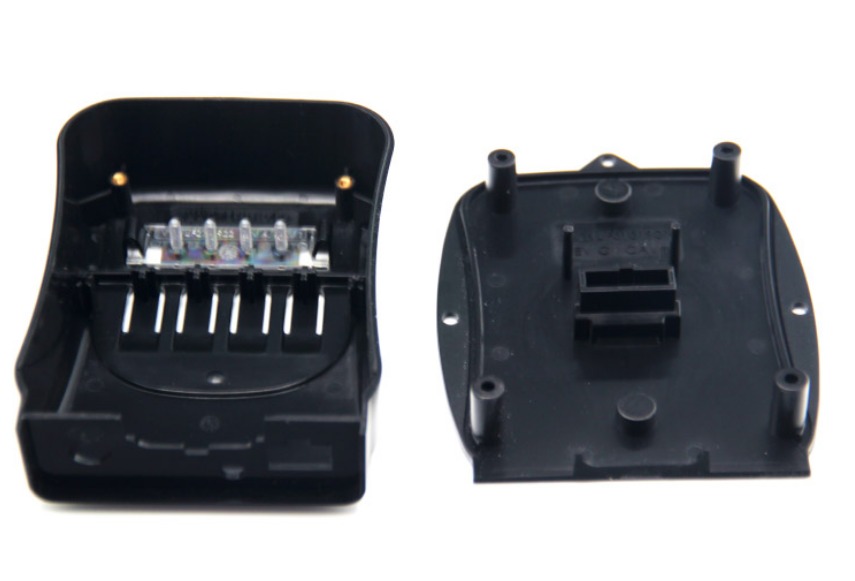
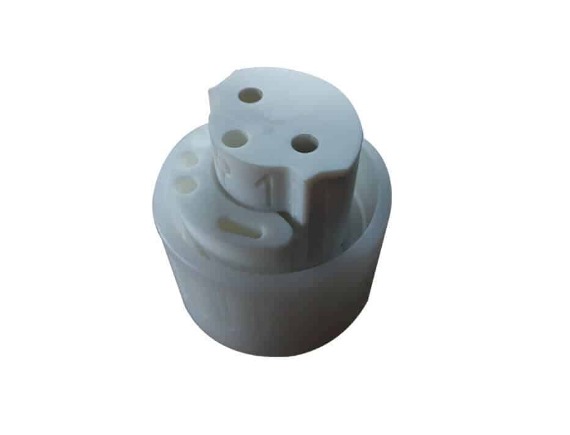
Aluminum molds reduce cycle times for small to medium parts—phone cases, connectors—by accelerating cooling. Their lightweight nature also eases mold changes on injection machines.
Blow Molding
For prototype bottles or containers, aluminum’s ease of machining allows quick adjustments to neck finishes or wall thickness, critical for design validation.
Medical Device Molds
Aluminum’s corrosion resistance (with anodizing) makes it suitable for low-volume medical parts—prototype inhalers, diagnostic tool housings—meeting biocompatibility standards.
Automotive Molds
Car manufacturers use aluminum for prototype interior parts—dashboard trim—and low-volume specialty components, reducing development costs.
How Do You Machine and Fabricate Aluminum Molds?
| Process | Best Practices |
|---|---|
| Precision Machining | Use HSS or carbide tools; cutting speeds 300–500 SFM; light feeds to prevent built-up edge (BUE); coolant essential for heat dissipation and chip evacuation |
| CNC Milling | 3-axis and 5-axis milling; low cutting forces enable tolerances ±0.0005 inches; adaptive milling reduces cycle times by 20–30% for complex geometries |
| EDM | Works well for intricate details; adjust parameters (lower current) due to aluminum’s high conductivity to prevent electrode wear |
| Grinding | Silicon carbide wheels; light pressure to avoid clogging; 400-grit wheel achieves Ra 0.05 μm |
| Surface Finishing | Polish with 400–600-grit sandpaper, then buff with aluminum oxide compound; anodizing (Type II or III) adds protective layer, improving wear resistance |
Machining Challenges
- Chip evacuation: Long, stringy chips can tangle tools. Use chip breakers and high-pressure coolant to keep the cutting zone clean.
- Workpiece deformation: Avoid over-tightening clamps, which can deform aluminum’s soft surface.
How Do You Maintain and Repair Aluminum Molds?
| Activity | Best Practice |
|---|---|
| Mold Cleaning | Mild detergents (avoid acidic cleaners); soft brushes to prevent scratching |
| Surface Treatment | Anodizing (Type III, hard anodizing) adds 50–100 μm layer; increases surface hardness to 50 HRC; improves wear resistance 3–4x; recommended for molds running >10,000 cycles |
| Repair Welding | TIG welding with matching filler wire (e.g., 4043 for 6061); post-weld machining and annealing restore dimensional accuracy |
| Preventive Maintenance | Apply thin layer of silicone-based mold release agent to reduce friction and prevent plastic buildup; inspect cooling channels monthly for clogs |
| Inspection | Ultrasonic testing detects internal cracks, especially in high-stress areas like parting lines; visual checks for surface scratches or dents ensure consistent part quality |
How Does Aluminum Compare to Steel for Mold Making?
| Factor | Aluminum | Steel |
|---|---|---|
| Weight | 2.7 g/cm³ (3x lighter) | 7.8 g/cm³ |
| Machining Speed | 300–500 SFM (5–10x faster) | 50–100 SFM |
| Thermal Conductivity | 160–200 W/m·K (4–5x better) | 40–50 W/m·K |
| Cycle Time | 15–25% faster due to cooling | Slower cooling, longer cycles |
| Tool Life (Cycles) | 10,000–50,000 (6061/7075) | 100,000–1,000,000+ |
| Cost | 20–30% less for small to medium molds | Higher upfront cost |
| Best For | Prototypes, low-volume runs (1,000–50,000 cycles) | High-volume production (100,000+ cycles), abrasive materials |
Yigu Technology’s Perspective
As a custom manufacturing supplier, we recommend aluminum alloys for clients needing fast prototypes or low-volume molds.
Lead time reduction: 6061 aluminum reduces prototype lead times by 50 percent compared to steel—critical for time-sensitive product launches.
Cost savings: For low-volume runs (1,000–10,000 parts), aluminum cuts costs by 30 to 40 percent while maintaining acceptable quality.
Performance optimization: Our team uses high-speed CNC machining to achieve tight tolerances in aluminum. We recommend hard anodizing for clients needing extended mold life.
Limitations: Aluminum is not suitable for high-volume runs or abrasive plastics like glass-filled materials. For those applications, steel remains the better choice. For speed and flexibility in early-stage production and prototyping, aluminum is unbeatable.
Conclusion
Mold making aluminum alloys offer a compelling combination of lightweight construction, high thermal conductivity, and exceptional machinability. They are 3 times lighter than steel, machine 5 to 10 times faster, and reduce cycle times by 15 to 25 percent due to superior heat dissipation.
Common grades—6061 for general-purpose prototyping, 7075 for higher strength, 5083 for corrosion resistance—serve different application needs. Aluminum molds handle 10,000 to 50,000 cycles for non-abrasive plastics, making them ideal for prototypes and low-volume production runs.
Proper machining techniques—high cutting speeds, effective chip evacuation, careful clamping—ensure precision. Anodizing extends wear life and corrosion resistance. Regular cleaning, cooling channel inspection, and timely repairs maintain performance.
For manufacturers prioritizing speed, cost-effectiveness, and design flexibility in early-stage production, aluminum alloys deliver exceptional value.
FAQ
What is the maximum number of cycles an aluminum mold can handle?
For non-abrasive plastics like ABS and PP, 6061 molds last 10,000–30,000 cycles. 7075 with hard anodizing can reach 50,000 cycles. Avoid glass-filled plastics, as they abrade aluminum quickly and significantly reduce mold life.
Can aluminum molds be used for food-grade applications?
Yes. Anodized aluminum (Type II) meets FDA standards for food contact, making it suitable for low-volume food containers or packaging prototypes. Ensure the anodizing process uses food-grade materials.
How does aluminum’s thermal expansion affect mold design?
Aluminum expands more than steel (23.1 × 10⁻⁶/°C vs. 11.7 × 10⁻⁶/°C). Design cooling channels 10–15 percent larger to accommodate expansion. Use venting to prevent gas traps, and avoid tight tolerances on features sensitive to temperature changes.
Contact Yigu Technology for Custom Manufacturing
Looking for fast, cost-effective mold solutions for prototypes or low-volume production? Yigu Technology specializes in custom non-standard plastic and metal products. Our team combines machining expertise with material knowledge to deliver aluminum molds that perform.
Reach out today to discuss your next project. Let us help you accelerate your development cycle with the right mold solution.