
Can Chemical Treatments Unlock Lasting Performance for Your Metal Surfaces?

3D Printing Material - Aluminum

Manufacturers and engineers often battle a silent enemy: the natural degradation of surfaces. A steel bolt might rust in months. An aluminum part could corrode in humid conditions. A medical instrument might fail to bond with a protective coating. All these issues lead to costly failures, recalls, or shortened product lifespans. Traditional mechanical treatments like […]

Manufacturers and engineers often battle a silent enemy: the natural degradation of surfaces. A steel bolt might rust in months. An aluminum part could corrode in humid conditions. A medical instrument might fail to bond with a protective coating. All these issues lead to costly failures, recalls, or shortened product lifespans. Traditional mechanical treatments like sandblasting offer temporary solutions. They lack the long-term protection needed for harsh environments. What you require is a way to transform surfaces at a molecular level, creating inherent resistance to corrosion, wear, and environmental damage. This is where surface treatment chemical treatments excel. By using controlled chemical reactions to modify or coat surfaces, they deliver lasting protection and enhanced performance. In this guide, we will explore how chemical treatments work, their key types, properties, and how to leverage them for reliable, high-quality results.


Introduction

Chemical treatments are surface modification processes. They use chemical reactions to improve a material's properties, combining science and precision to enhance performance.

Definition: Chemical treatments are processes that use acids, bases, salts, or other chemicals to alter a material's surface. They work by forming a protective layer, converting the surface into a more stable compound, or preparing it for additional coatings. These treatments create a bond at the molecular level, ensuring long-lasting results.

Basic principles: Chemical treatments rely on three types of controlled reactions:

  • Etching: Removing surface layers
  • Conversion: Transforming the surface into a protective compound
  • Deposition: Adding a new layer

For example, phosphating reacts with steel to form a phosphate crystal layer. Passivation removes free iron from stainless steel, leaving a protective chromium oxide film.

Industrial significance: Chemical treatments are used in 90% of metal manufacturing, from automotive to aerospace. The global market for metal chemical treatments exceeds $8 billion, driven by demand for corrosion protection. These treatments extend part life by 3–5 times, reducing maintenance costs and waste.

Environmental considerations: Traditional treatments like chromating used toxic hexavalent chromium. Modern alternatives—trivalent chromium and zirconium-based passivation—are safer. Wastewater is treated to remove heavy metals, and many processes recycle chemicals, complying with regulations like RoHS and REACH.


How Do Chemical Treatments Compare to Other Methods?

Different surface treatments offer varying types of protection, longevity, and dimensional impact. The table below shows how chemical treatments stack up:

FeatureChemical TreatmentsMechanical Treatments (e.g., sandblasting)Thermal Treatments (e.g., annealing)
Protection TypeCorrosion, chemical resistanceWear resistance onlyStructural (hardness)
Surface ImpactMinimal (no dimensional change)Moderate (may alter dimensions)Significant (may warp)
Substrate VersatilityMetals, plastics, ceramicsMetals primarilyMetals only
Longevity5–10 years1–2 years10+ years (structural)
Cost per UnitLow to moderateLowModerate to high

A real-world example: a marine equipment manufacturer struggled with corroded steel fasteners. Mechanical cleaning with sandblasting provided only 6 months of protection before rust reappeared. Switching to zinc phosphating with a sealant extended service life to 5+ years in saltwater conditions, saving over $200,000 annually in replacement costs.


What Are the Main Types of Chemical Treatments?

Chemical treatments offer diverse solutions tailored to specific materials and applications.

Phosphating

This is a reaction between metal—steel or zinc—and phosphate salts like zinc phosphate. It forms a crystalline layer2–50 μm thick. This layer improves corrosion resistance and acts as a primer for paint. Phosphating is used in 60% of automotive body panels to enhance coating adhesion.

Chromating

This applies chromium-based compounds to aluminum, zinc, or magnesium. It forms a thin—0.1–1 μm—protective layer. Trivalent chromium versions have replaced toxic hexavalent chromium. Chromating is used in aerospace parts for corrosion resistance.

Passivation

This removes free iron from stainless steel using nitric or citric acid. This allows a natural chromium oxide layer to form. This layer resists corrosion, making passivation critical for medical devices and food processing equipment.

Conversion Coatings

These chemically transform the substrate surface:

  • Anodizing (aluminum): Converts the surface to aluminum oxide
  • Black oxide (steel): Forms a magnetite layer for aesthetics and mild corrosion resistance

Electroplating

This uses an electric current to deposit metal—chrome, nickel, zinc—onto a substrate. Zinc plating protects steel from rust. It is used in 70% of hardware like screws and bolts for its cost-effectiveness.

Electroless Plating

This deposits metal—nickel-phosphorus—without electricity. It uses a chemical reducing agent. The process coats complex shapes evenly, ideal for aerospace components with internal channels.

Organic Coatings

These include primers, paints, and adhesives applied via chemical processes. Epoxy primers, for example, bond to metal surfaces, preventing corrosion and enhancing topcoat adhesion.


What Properties Make Chemically Treated Surfaces Valuable?

The properties of chemically treated surfaces make them indispensable for demanding environments.

Corrosion Resistance

Phosphated steel withstands 500+ hours of salt spray testing (ASTM B117). Passivated stainless steel resists rust in marine environments for 10+ years. This protection is inherent to the surface, not just a coating.

Wear Resistance

Electroless nickel plating—50–100 μm—has a hardness of 50–60 HRC. It resists abrasion in industrial machinery. It outperforms uncoated steel by 3–4 times in wear tests (ASTM G65).

Adhesion

Phosphating and chromating create porous surfaces that "lock" into paints or adhesives. They increase bond strength by 200–300% compared to untreated metal. This is critical for automotive and aerospace coatings.

Surface Finish

Treatments offer uniform finishes:

  • Black oxide (steel): Matte to glossy
  • Anodizing (aluminum): Matte to glossy
  • Electroless nickel: Smooth, bright surface with Ra <0.1 μm

These finishes are ideal for precision parts.

Chemical Resistance

  • Passivated stainless steel: Resists acids and alkalis, used in chemical processing equipment
  • Chromated aluminum: Withstands fuels and oils, suitable for automotive engines

Thermal Resistance

  • Black oxide coatings on steel: Handle temperatures up to 500°C, used in exhaust components
  • Electroless nickel: Resists 300°C, ideal for engine parts

Dimensional Stability

Most treatments add less than 10 μm thickness. This has minimal impact on part dimensions. It is critical for precision components like medical instruments and aerospace fasteners.


Where Are Chemical Treatments Used?

Chemical treatments protect and enhance products across industries.

Automotive

Engine blocks undergo phosphating to improve paint adhesion. Bolts and nuts use zinc plating for rust resistance. These treatments extend part life by 5+ years in undercarriage environments.

Case example: A North American truck manufacturer implemented zinc phosphating on chassis components. Corrosion-related warranty claims dropped by 55% within two years. The upfront coating cost was recovered in 18 months through reduced repairs.

Aerospace

Aluminum aircraft parts are anodized for corrosion resistance. Titanium components use chemical conversion coatings to withstand high altitudes and temperature extremes.

Medical Devices

Stainless steel surgical instruments are passivated to resist corrosion from bodily fluids. Electroless nickel plating on implants ensures biocompatibility and wear resistance.

Marine Industry

Boat hulls and hardware use chromating and zinc plating to resist saltwater corrosion. These treatments reduce maintenance by 50% compared to untreated metal.

Consumer Electronics

Aluminum phone casings are anodized for scratch and corrosion resistance. The treatment also allows dyeing, creating vibrant, durable colors.

Food Processing

Stainless steel equipment is passivated with citric acid to meet FDA standards. This prevents rust and ensures food safety.


What Equipment and Processes Are Involved?

The chemical treatment process combines precise chemistry with specialized equipment.

Pre-Treatment Processes

Pre-treatment is critical. Steps include:

  • Degreasing: Alkaline solutions remove oils and contaminants
  • Etching: Mild acids remove oxides
  • Rinsing: Deionized water ensures cleanliness

90% of treatment failures stem from poor cleaning.

Treatment Tanks

Tanks are made of PVC, polypropylene, or stainless steel—acid-resistant materials. They hold chemical solutions at controlled temperatures (20–80°C). Agitation systems ensure even exposure.

Chemical Solutions

Formulations vary by treatment:

  • Phosphating: 5–20% zinc phosphate in water
  • Passivation: 20% nitric acid

Concentrations are monitored daily to maintain reactivity.

Application Methods

  • Immersion: Parts are fully submerged in treatment tanks. This is most common for large batches.
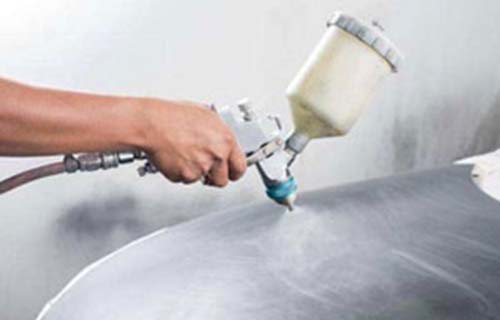
  • Spraying: Chemicals are sprayed onto parts—for example, automotive body panels—for faster processing.
  • Brushing: Manual application for small or custom parts, such as repair work.

Post-Treatment Processes

Parts are:

  • Rinsed: To remove excess chemicals
  • Dried: Using hot air or ovens
  • Inspected: For quality verification

Some treatments, like phosphating, require a sealant to enhance corrosion resistance.

Safety Equipment

Operators use:

  • Acid-resistant gloves, goggles, and respirators: For fume protection
  • Ventilation systems: To remove toxic vapors
  • Emergency showers and eyewash stations: Mandatory for chemical handling

Quality Control Equipment

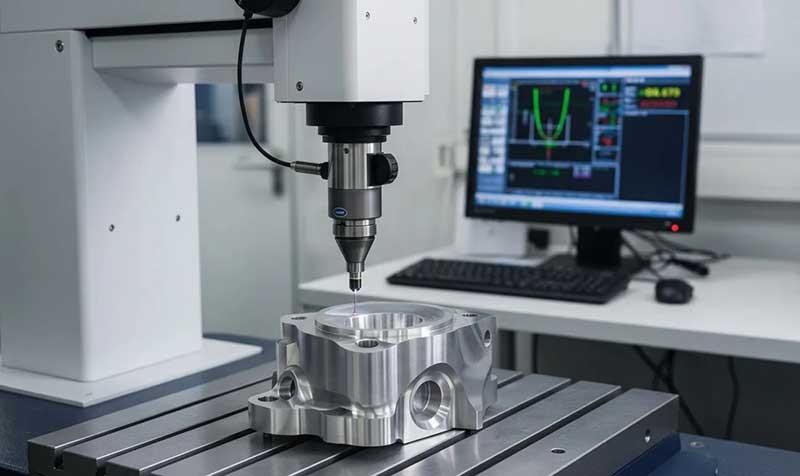
  • X-ray fluorescence (XRF) : Measures coating thickness
  • Salt spray chambers: Test corrosion resistance
  • Adhesion testers (cross-cut kits) : Verify bond strength

How Do You Ensure Quality and Maintain Equipment?

Rigorous quality control and maintenance ensure consistent, reliable results.

Chemical Solution Maintenance

Titration tests monitor solution concentration—phosphate levels, for example—daily. Solutions are replenished or replaced when concentration drops more than 10% to maintain reactivity.

Surface Inspection

Visual checks identify uneven coating or staining. Microscopic examination (100x) verifies phosphating crystal structure or plating uniformity.

Thickness Measurement

XRF gauges ensure layers are within specification:

  • Chromating: 2–5 μm
  • Electroless nickel: 50–100 μm

Tolerances are ±5% for critical parts.

Corrosion Testing

Samples undergo 24–1000 hours of salt spray testing (ASTM B117). Pass/fail criteria:

  • Automotive parts: Less than 5% rust
  • Medical devices: 0% rust

Adhesion Testing

The tape test (ASTM D3359) ensures coatings do not peel. For electroplated parts, a bend test (180°) checks for cracking or flaking.

Equipment Maintenance

  • Tanks: Cleaned weekly to remove sludge
  • Heaters and agitators: Calibrated monthly to maintain temperature (±2°C) and flow

Environmental Compliance

Wastewater is treated to remove heavy metals like chromium and zinc to below 0.1 ppm before disposal. Spent chemicals are recycled or disposed of via licensed vendors, complying with EPA regulations.


Yigu Technology’s Perspective

As a leading custom manufacturing supplier in China, Yigu Technology offers comprehensive chemical treatments for automotive, medical, and aerospace clients.

Our processes include:

  • Zinc phosphating: 500+ hour salt spray resistance
  • Trivalent chromating: Eco-friendly corrosion protection
  • Electroless nickel plating: Uniform, wear-resistant coatings

We use eco-friendly solutions like citric acid passivation. Our advanced QC includes:

  • XRF thickness testing
  • Salt spray chambers
  • Adhesion checks

Our treatments meet ISO 9001 and ASTM standards, ensuring consistent performance. Chemical treatments' ability to enhance durability without altering dimensions makes them ideal for precision parts. We tailor solutions to each client's corrosion, wear, or adhesion needs.


Conclusion

Chemical treatments deliver lasting protection by transforming metal surfaces at the molecular level. They solve the limitations of mechanical methods by creating inherent corrosion resistance, improving coating adhesion by up to 300%, and extending part life by 3–5 times. From phosphating that primes automotive body panels to passivation that ensures medical device safety, these processes are essential across industries. With modern eco-friendly formulations replacing toxic alternatives, chemical treatments now balance high performance with environmental responsibility. For manufacturers seeking reliable, cost-effective ways to protect metal components from corrosion, wear, and chemical attack, chemical treatments remain a proven, indispensable solution.


FAQs

Are chemical treatments safe for food contact surfaces?

Yes. Food-grade treatments like citric acid passivation for stainless steel meet FDA and EU 10/2011 standards. They leave no toxic residues, making them suitable for food processing equipment and utensils.

How long does a chemical treatment last?

Lifespan depends on environment. Phosphated steel lasts 3–5 years outdoors. Passivated stainless steel lasts 10+ years in marine environments. Indoor, dry conditions extend life by 2–3 times.

Can chemical treatments be applied to plastics?

Yes. Some plastics like ABS and polycarbonate undergo chemical etching to improve adhesion for painting or plating. The process uses mild acids to create a rough surface, enhancing bond strength.

What is the difference between passivation and pickling?

Passivation removes free iron from stainless steel surfaces, allowing a protective chromium oxide layer to form. It uses mild acids like citric or nitric. Pickling is a more aggressive process that removes heavy scale and oxides from steel before further treatment. Pickling uses stronger acids and is typically followed by passivation.

How do you know when a chemical treatment bath needs replacement?

Daily titration tests measure active chemical concentration. When concentration drops below specified levels—for example, 10% below target—the bath is replenished. After multiple replenishments, bath contamination from dissolved metals—like iron in phosphating baths—requires complete replacement to maintain coating quality.


Contact Yigu Technology for Custom Manufacturing

Looking to protect your metal components with reliable, long-lasting chemical treatments? Yigu Technology specializes in custom chemical treatment solutions tailored to your industry—whether automotive, aerospace, medical, or marine. Our phosphating, passivation, and electroless nickel plating processes deliver consistent corrosion resistance, adhesion, and wear protection that meet international standards. Contact us today to discuss your project requirements and receive a customized manufacturing proposal.

Scroll to Top