
Introduction
Buying a plastic mould is a major investment. It can cost anywhere from a few thousand to hundreds of thousands of dollars. The wrong choice leads to production delays, poor part quality, and unexpected expenses. The right choice, however, delivers years of reliable service and consistent results.
This guide walks you through everything you need to know before making a purchase. You will learn the different types of moulds, what affects quality and durability, and how to balance upfront cost against long-term value. By the end, you will have a clear framework for making a confident decision.
What Are Plastic Moulds and How Do They Work?
A plastic mould is a specialized tool that shapes molten plastic into a finished part. It works through processes like injection moulding, blow moulding, and compression moulding.
Injection Moulding
In this process, molten plastic is injected into a mould cavity under high pressure. Once cooled, the plastic solidifies into the desired shape. This method is ideal for high-volume production of intricate parts. Smartphone casings, automotive interior components, and electronic device housings are typical examples.
Blow Moulding
Blow moulding creates hollow products like bottles and containers. A tube of molten plastic, called a parison, is placed inside the mould. Air is then blown into it, forcing the plastic to expand against the mould walls. This method ensures consistent wall thickness and smooth finishes.
Compression Moulding
Compression moulding involves placing a pre-formed plastic material into a heated mould. Pressure is applied, causing the plastic to flow and fill the cavity. This process is often used for larger, robust components like furniture panels or electrical insulators.
Why Are Plastic Moulds Critical in Manufacturing?
Plastic moulds enable mass production with high precision and repeatability. A well-designed mould can produce thousands or even millions of identical parts with minimal variation. This consistency ensures product quality and lowers the cost per unit.
Consider the cost savings: in high-volume manufacturing, efficient mould-based production can save tens to hundreds of thousands of dollars over a product's lifecycle. Additionally, moulds allow complex geometries that other methods cannot achieve cost-effectively.
What Are the Main Types of Plastic Moulds?
Each mould type serves different applications. Understanding their strengths and weaknesses helps you choose the right one.
Injection Moulds
Advantages:
- High production efficiency—hundreds of parts per hour
- Tight tolerances, often within ±0.05 mm
- Suitable for complex geometries
Disadvantages:
- High initial cost (from a few thousand to hundreds of thousands of dollars)
- Long tooling time—weeks to months
Compression Moulds
Advantages:
- Lower mould cost compared to injection moulds
- Produces parts with good mechanical properties
- Well-suited for thermosetting plastics
Disadvantages:
- Longer cycle times—several minutes per part
- Surface finish may not be as smooth
Blow Moulds
Advantages:
- Consistent wall thickness for hollow products
- Allows complex bottle and container shapes
Disadvantages:
- Expensive equipment and moulds
- Limited material choices compared to injection moulding
What Factors Should You Consider When Buying a Plastic Mould?
Material Quality
The steel used in your mould directly affects its lifespan and the quality of parts it produces. Common mould steels include:
| Steel Grade | Key Properties | Typical Lifespan (Shots) |
|---|---|---|
| P20 | Good machinability, polishable | 300,000–500,000 |
| 718 | Better hardness and wear resistance | 500,000–1,000,000 |
| NAK80 | Excellent mirror finish, dimensional stability | Up to 1,000,000+ |
Low-quality materials lead to premature wear. This causes frequent replacements and production disruptions.
Precision and Tolerance
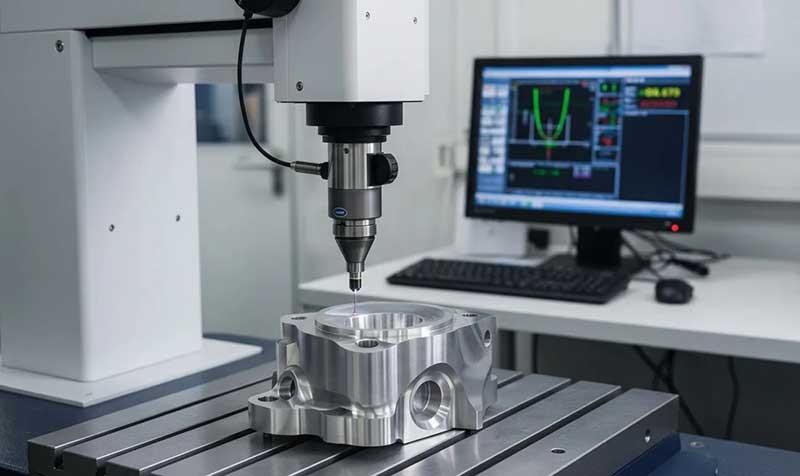
Precision determines how accurately your final part matches the design. In electronics, tolerances can be as low as ±0.01 mm. A small deviation can cause fit issues, signal loss, or connection failures.
High-precision moulds also improve aesthetics. Smooth, accurate surfaces enhance product appearance and marketability.
Durability
Durable moulds withstand continuous production with minimal maintenance. Proper heat treatment and surface hardening processes resist wear. A durable mould reduces downtime and keeps production running.
Example: A mould that lasts for 1,000,000 cycles versus one that needs replacement every 100,000 cycles saves significant replacement costs and lost production time.
Cost: Initial vs. Long-Term
Initial mould cost varies widely. A simple two-plate injection mould may cost a few thousand dollars. A complex multi-cavity mould with high precision can cost hundreds of thousands.
However, focusing only on initial cost is risky. Consider long-term costs:
- Maintenance and repairs
- Replacement frequency
- Downtime during repairs
A cheaper mould may seem attractive upfront. But if it requires replacement multiple times during a production run, total costs often exceed those of a higher-quality mould.
Case example: For a production run of one million parts, a lower-cost mould replaced every 100,000 parts results in multiple replacement costs and downtime. A higher-quality mould that runs the entire million-part run without issues proves more cost-effective overall.
How Do You Choose the Right Mould Supplier?
Choosing the right supplier is as important as choosing the right mould. Look for:
- Experience: Suppliers with a track record in your industry understand your requirements
- Manufacturing capability: In-house CNC machining, EDM, and quality control ensure consistency
- Communication: Clear communication during design and production prevents misunderstandings
- After-sales support: Maintenance guidance and repair services extend mould life
Yigu Technology’s Perspective
As a custom supplier of non-standard plastic and metal products, we take a strict approach to mould procurement.
Material selection: We work with reliable material suppliers to ensure only high-quality raw materials are used. For high-wear applications, we use premium alloy steels that stand up to long production runs.
Manufacturing process: Our team uses advanced techniques like CNC machining and EDM to achieve high precision. Every mould is built to meet tight tolerances and deliver consistent results.
Customer focus: We understand that every project has unique requirements. From special shapes to tight deadlines, we work closely with clients from the initial design stage. This collaborative approach has built long-term partnerships across industries.
Conclusion
Buying a plastic mould is not just about finding a tool. It is about investing in consistent production, part quality, and long-term cost efficiency. Understanding the different mould types, evaluating material quality and precision, and looking beyond initial cost to long-term value are essential steps.
A well-chosen mould delivers reliable performance, minimizes downtime, and keeps your production running smoothly. Take the time to assess your needs, choose quality materials, and partner with a supplier who understands your goals.
FAQ
How can I determine the right type of plastic mould for my product?
Consider the product shape, production volume, and plastic material. Complex, detailed parts suit injection moulds. Hollow products like bottles require blow moulds. Lower volumes or thermosetting plastics often work well with compression moulds.
What is the typical lifespan of a plastic mould?
Lifespan varies based on material, usage, and maintenance. Lower-quality steel may last 10,000–50,000 cycles. High-quality moulds using premium alloy steel can exceed 1,000,000 cycles. Proper maintenance extends life significantly.
How do I maintain my plastic moulds to ensure longevity?
Clean the mould regularly to remove plastic residue. Lubricate moving parts like ejector pins and slides. Inspect for scratches, dents, or cracks frequently. When not in use, store the mould in a clean, dry environment and apply a protective coating to prevent rust.
Contact Yigu Technology for Custom Manufacturing
Looking for reliable plastic mould solutions? Yigu Technology specializes in custom non-standard plastic and metal products. Our team combines technical expertise with a customer-focused approach to deliver moulds that meet your exact requirements.
Reach out today to discuss your next project. Let us help you make the right investment for long-term success.


