Introduction
Have you ever wondered how chocolate makers produce those perfectly shaped hearts for Valentine’s Day or intricate chocolate sculptures with flawless details? The answer lies in a specialized tool: the chocolate injection mold.
Unlike plastic injection molds that operate at high temperatures and pressures, chocolate injection molds work with a material that melts at low temperatures and solidifies quickly. But the principles are similar—precision, cleanliness, and consistent results.
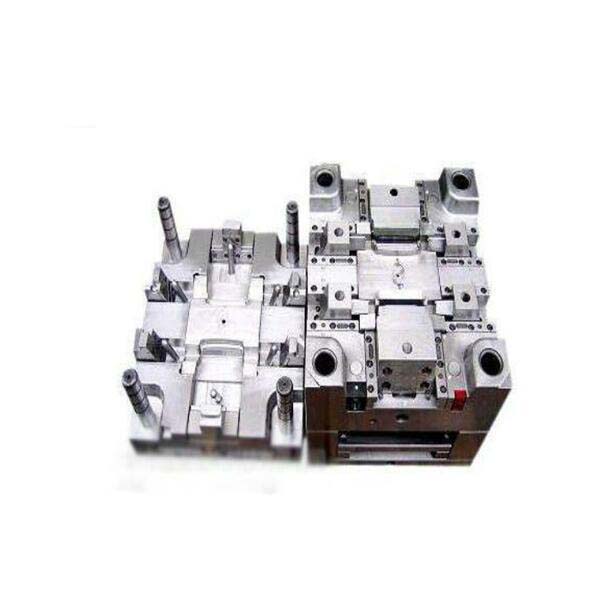
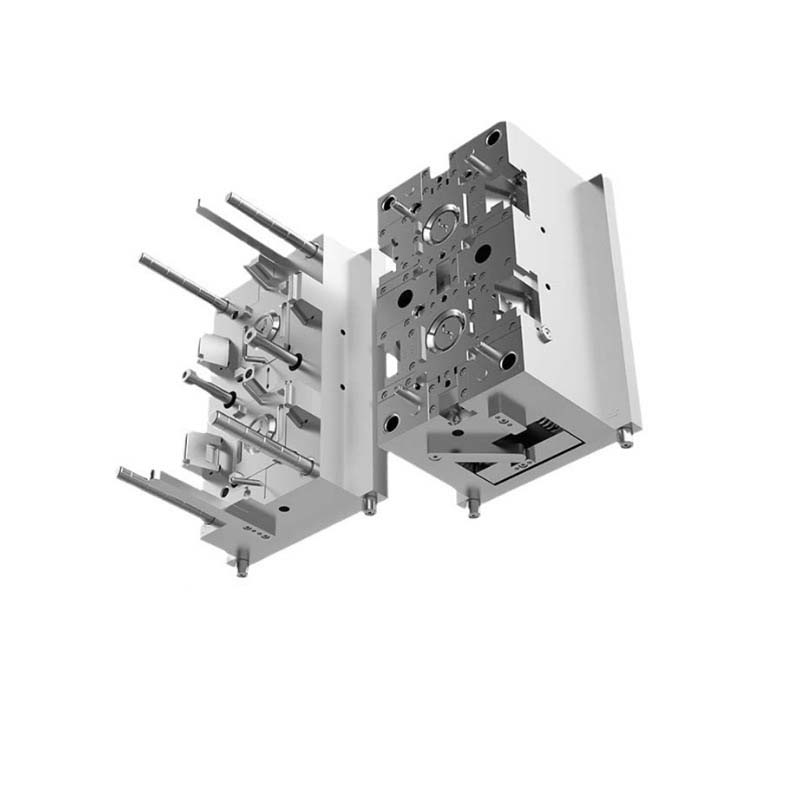
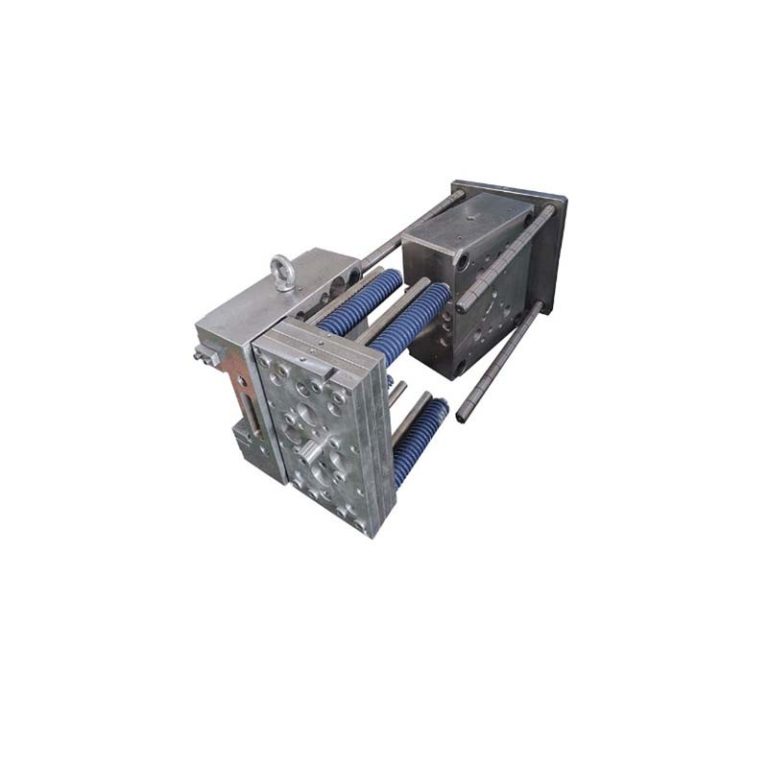
This guide takes you inside a chocolate injection mold. We’ll explore its architecture, the components that make it work, and how this specialized tool transforms liquid chocolate into the treats we love.
What Is a Chocolate Injection Mold?
A chocolate injection mold is a specialized mold designed to accept liquid chocolate under controlled conditions, then cool it to form solid chocolate products. The process enables mass production with consistent quality—essential for commercial chocolate manufacturing.
The chocolate injection molding process:
- Mold preparation: The mold is cleaned and often pre-cooled
- Chocolate tempering: Liquid chocolate is carefully tempered to ensure proper crystal structure
- Injection: Tempered chocolate is injected into mold cavities under controlled pressure
- Cooling: The mold is cooled (air or water channels) until chocolate solidifies
- Ejection: Solid chocolates are removed from the mold
Molds are typically made from food-grade aluminum, stainless steel, or food-grade plastics—materials chosen for their non-reactivity with chocolate and ability to withstand the production environment.
What Are the Core Components of a Chocolate Injection Mold?
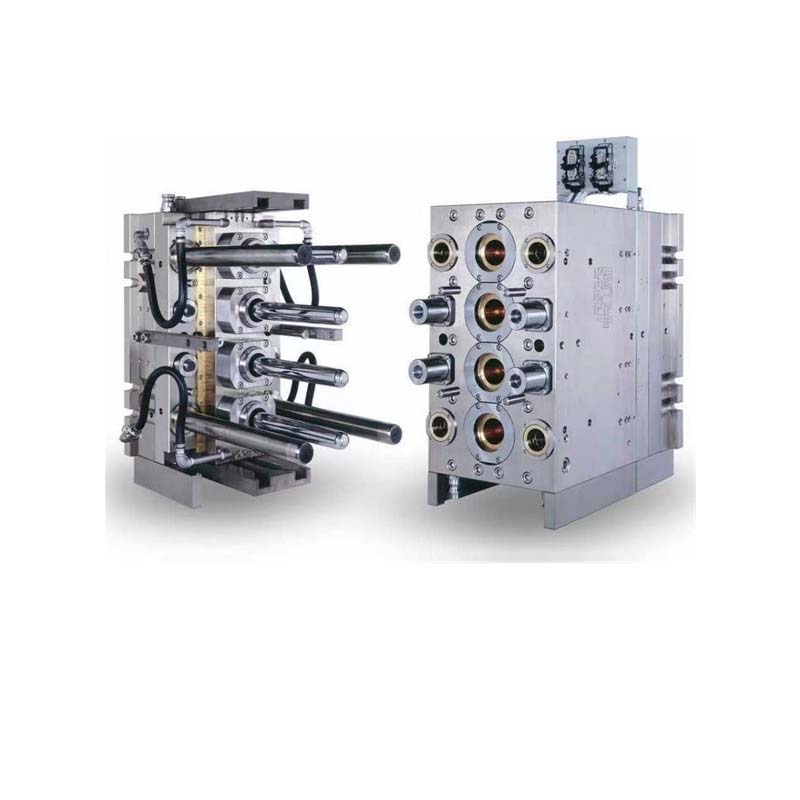
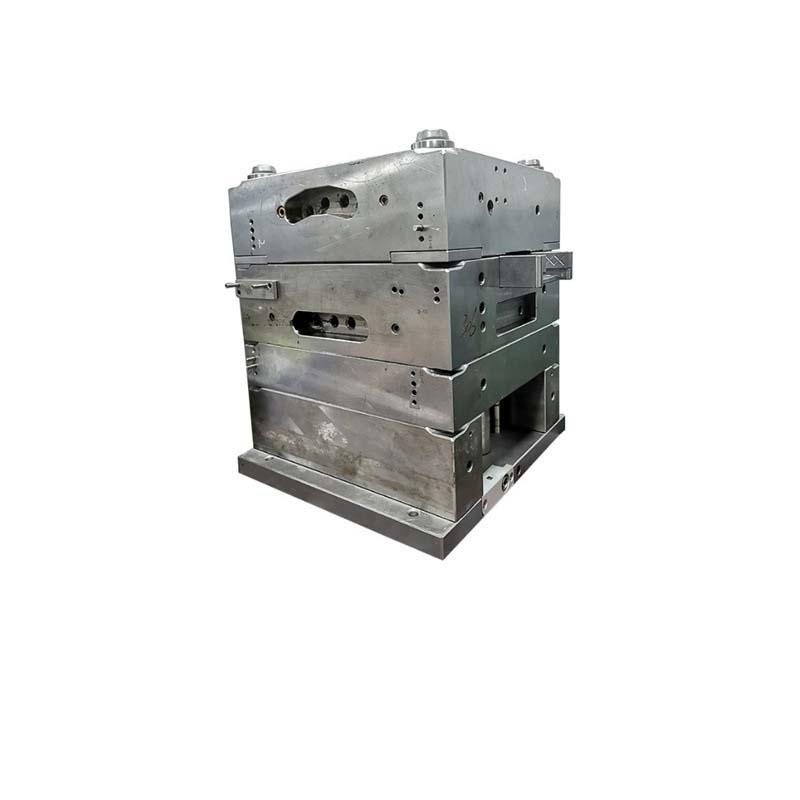
Mold Base: The Foundation
The mold base provides support and stability. It consists of two main plates:
| Component | Function |
|---|---|
| Fixed mold base plate | Securely attached to the stationary platen; holds cavity-side components |
| Moving mold base plate | Connected to the moving platen; supports core-side components and enables mold opening/closing |
Construction: Fixed plates are typically 20–50 mm thick for medium-sized molds, made from steel for strength and durability. Moving plates must slide smoothly while maintaining precise alignment with the fixed plate.
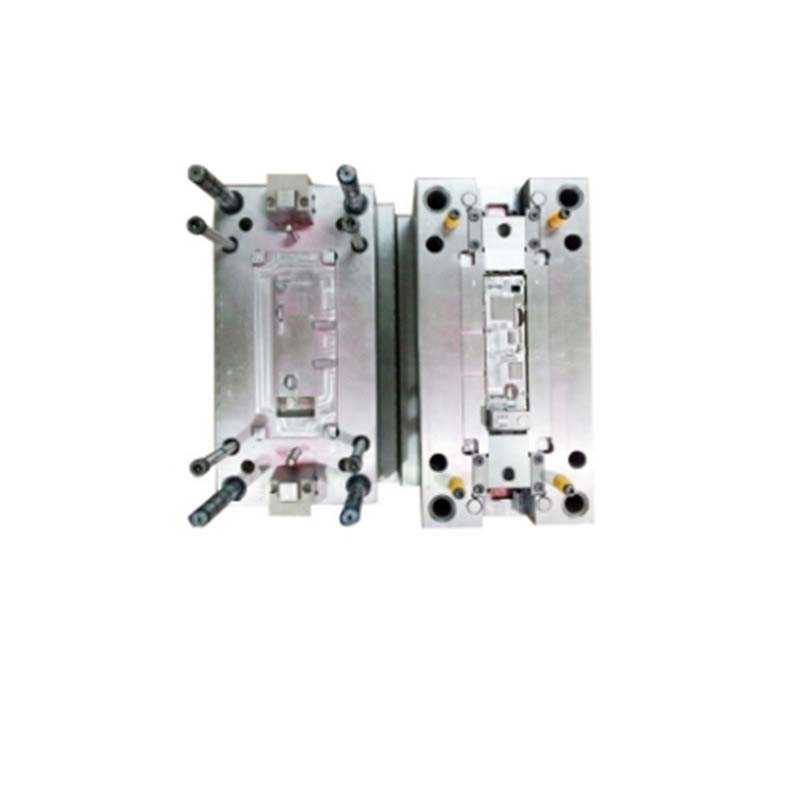
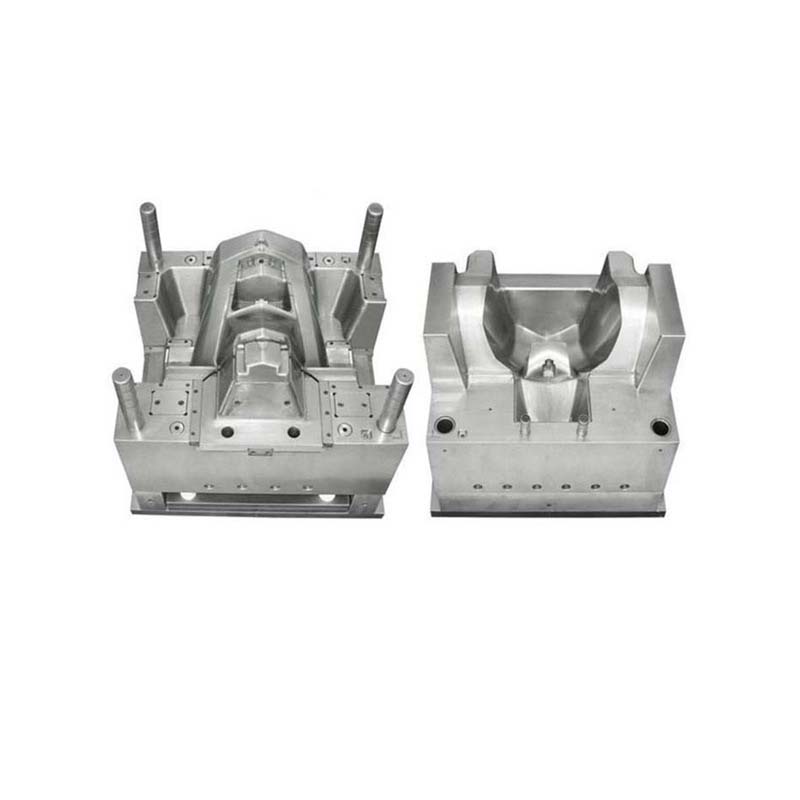
Cavity and Core: The Shape-Makers
The cavity and core are the heart of any chocolate mold.
| Component | Function |
|---|---|
| Cavity | Hollow space that forms the external shape of the chocolate |
| Core | Forms internal features or the reverse side (e.g., hollow centers, inner patterns) |
Surface finish matters. A smooth cavity surface produces shiny, attractive chocolates. Any imperfection in the cavity transfers directly to the chocolate surface.
Cavity types:
| Type | Advantages | Disadvantages |
|---|---|---|
| Integral | High strength, excellent dimensional accuracy | Difficult to repair; complex shapes hard to machine |
| Combined | Flexible design; individual components can be replaced | Requires precise assembly to maintain accuracy |
Real example: A chocolatier producing Easter eggs with intricate inner patterns uses combined cores. When one pattern section wears, it’s replaced individually—not the entire mold.
Gating System: Guiding the Chocolate
The gating system ensures smooth, consistent flow of liquid chocolate into cavities.
Sprue: The main channel from the injection nozzle to the runner system.
- Conical shape (small end at nozzle, large end at runner)
- Small end diameter: 3–8 mm for standard molds
- Length: Kept short (15–30 mm) to minimize heat loss and pressure drop
Runner: Distributes chocolate from sprue to individual cavities.
| Runner Shape | Characteristics | Best For |
|---|---|---|
| Round | Lowest flow resistance; fastest flow | High-volume production; simple shapes |
| Trapezoidal | Good balance of flow and manufacturability | Wide range of products; most common |
Gate: The connection point between runner and cavity.
| Gate Type | Characteristics | Applications |
|---|---|---|
| Side gate | Easy to process; easy removal | Simple geometries; general-purpose |
| Pin-point gate | Precise flow control; small size | High-precision chocolates; complex shapes |
Ejection System: Releasing the Product
After cooling, the chocolate must be removed without damage.
Ejector pins: Small cylindrical rods placed at strategic locations.
- Pushed forward by the ejector plate
- Contact the chocolate and push it out of the cavity
- Number varies: 3–5 pins for small molds; 10+ pins for large or complex molds
Ejector plate: Flat plate connected to ejector pins.
- Moves forward when ejection mechanism activates
- Must be strong enough to withstand forces
- Typical thickness: 15–30 mm depending on mold size
Design consideration: Ejector pins must be positioned to distribute force evenly. Too few pins or poor placement can damage the chocolate or cause incomplete ejection.
How Are Chocolate Injection Molds Manufactured?
Material Selection
| Material | Properties | Best For |
|---|---|---|
| Aluminum alloy | Excellent thermal conductivity; rapid cooling | High-volume production; fast cycle times |
| Stainless steel | High strength; wear resistance; durability | Long-life molds; demanding applications |
| Food-grade plastic | Lower cost; lighter weight | Prototypes; short runs; simple shapes |
Why aluminum excels: Aluminum conducts heat efficiently, allowing chocolate to cool quickly. This reduces cycle time and increases production output.
Manufacturing Processes
Precision CNC machining: Creates complex cavity shapes with tight tolerances. Essential for molds with detailed patterns or logos.
EDM (Electrical Discharge Machining): Creates sharp internal corners and fine details that CNC tools can’t reach. Ideal for intricate chocolate designs.
3D printing: Emerging technology for complex or custom molds. Enables rapid prototyping and design iteration.
What Makes a Chocolate Injection Mold Different from Plastic Molds?
| Factor | Chocolate Mold | Plastic Mold |
|---|---|---|
| Operating temperature | Low (chocolate melts at 86–90°F / 30–32°C) | High (plastics 300–600°F / 150–315°C) |
| Pressure | Low to moderate | High (up to 2,000 bar) |
| Cooling | Air or water; rapid cooling desired | Water; controlled cooling to prevent warpage |
| Material | Aluminum, stainless steel, food-grade plastic | Hardened steel, aluminum |
| Surface finish | Mirror finish for shiny chocolates | Varies by application |
| Cleanliness | Food-grade; no lubricants contacting product | Industrial; lubricants used |
How Do You Maintain a Chocolate Injection Mold?
Daily Maintenance
- Clean thoroughly after each use with food-grade cleaner
- Remove all chocolate residue to prevent buildup and corrosion
- Inspect cavity surfaces for scratches or damage
Regular Maintenance
- Lubricate moving parts (ejector pins, guide pillars) with food-grade lubricant
- Check alignment of fixed and moving plates
- Inspect ejector pins for wear or bending
Storage
- Store in dry, clean environment
- Protect from dust and moisture
- Cover to prevent scratches on cavity surfaces
Lifespan: A high-quality steel or aluminum mold with proper maintenance lasts 5–10 years in moderate use (hundreds of thousands of cycles). Intensive 24/7 operation may reduce lifespan to 2–3 years.
Yigu Technology’s Perspective
As a custom manufacturer of precision molds, we understand that chocolate injection molds require the same attention to detail as industrial plastic molds—with the added requirement of food-grade safety.
Material selection: We use high-quality aluminum alloys for their excellent thermal conductivity, reducing cooling time and increasing production output. For applications requiring higher durability, we offer stainless steel options.
Manufacturing precision: Our CNC machining and EDM capabilities ensure cavities and cores are machined to exact specifications. Surface finishes are polished to mirror quality—essential for shiny, attractive chocolates.
Customization: Every chocolate product has unique shape, size, and production requirements. We specialize in custom molds tailored to your specific needs—enabling chocolatiers to produce distinctive, high-quality products.
Conclusion
A chocolate injection mold is a precision tool that transforms liquid chocolate into perfectly shaped products. Its architecture includes:
- Mold base: Foundation providing stability
- Cavity and core: Define external shape and internal features
- Gating system: Guides chocolate flow through sprue, runner, and gate
- Ejection system: Removes finished chocolates without damage
Made from food-grade aluminum or stainless steel, these molds combine thermal efficiency, precision, and durability. With proper maintenance, they deliver consistent quality for hundreds of thousands of cycles.
Whether you’re producing heart-shaped valentines or intricate holiday sculptures, the mold is where great chocolate begins.
FAQ
What is the lifespan of a chocolate injection mold?
Lifespan varies by material and usage. A high-quality aluminum or steel mold with proper maintenance lasts 5–10 years in moderate use (hundreds of thousands of cycles). Intensive 24/7 operation may reduce lifespan to 2–3 years. Factors affecting life include material quality, frequency of use, chocolate purity (impurities cause wear), and maintenance effectiveness.
How can I maintain a chocolate injection mold?
Clean thoroughly after each use with food-grade cleaner to remove chocolate residue. Lubricate moving parts (ejector pins, guide pillars) with food-grade lubricant. Regularly inspect cavities, cores, and ejector pins for wear or damage. Store in a dry, clean environment when not in use to prevent rust and corrosion.
Can a chocolate injection mold be used for other materials?
A chocolate injection mold is designed specifically for chocolate’s unique properties—low melting point, specific viscosity, and tempering requirements. Using it for other materials without modification is not recommended. Different materials require different injection pressures, cooling rates, and mold materials. The gating and cooling systems would likely need redesign.
Why is aluminum commonly used for chocolate molds?
Aluminum offers excellent thermal conductivity—it cools quickly and evenly, reducing cycle times. It’s also lightweight, non-reactive with chocolate, and relatively easy to machine into complex shapes. For high-volume production, aluminum’s rapid cooling translates directly to higher output.
What surface finish is required for shiny chocolates?
Mirror finish (Ra 0.01–0.05 μm) is required for high-gloss chocolate surfaces. Any scratch or imperfection in the mold cavity transfers directly to the chocolate. Cavities are typically polished with progressive sandpapers and diamond compounds to achieve the required finish.
Contact Yigu Technology for Custom Manufacturing
At Yigu Technology, we specialize in precision mold manufacturing—including food-grade chocolate molds. Our expertise in CNC machining, EDM, and surface finishing ensures your molds produce consistently perfect products.
We offer:
- Custom mold design for your specific chocolate shapes
- High-quality aluminum and stainless steel materials
- Mirror-finish cavities for shiny, attractive chocolates
- Precision manufacturing with CMM quality inspection
[Contact Yigu Technology today] to discuss your chocolate mold project. Let’s create the molds that bring your sweetest ideas to life.