Introduction
Precision power is the backbone of modern industry. From wind turbines generating clean energy to the tiny power supplies inside your laptop, every system relies on components made with extreme accuracy. For years, this level of precision was dominated by a few manufacturing hubs. But the landscape has changed.
China milling has emerged as a major force reshaping how precision power components are made. It is no longer just about low-cost production. Today, it combines advanced machinery, skilled engineering, and continuous innovation to meet the world’s most demanding standards.
At Yigu Technology, we have watched this transformation up close. This article walks you through what China milling really means, how it drives precision power forward, and why it matters for industries that depend on reliability, efficiency, and performance.
What Exactly Is China Milling?
A Broad Definition
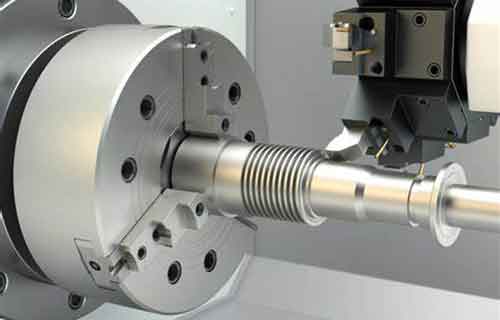
China milling refers to the full range of precision milling activities carried out in China. Milling itself is a subtractive manufacturing process. It uses rotating cutting tools to remove material from a workpiece, creating complex shapes with tight tolerances.
But in today’s context, the term goes beyond basic machining. It includes:
- High-end CNC machines capable of micron-level accuracy
- Advanced tooling made from specialized materials like carbide and ceramics
- Skilled labor trained in both traditional techniques and digital manufacturing
This combination allows manufacturers to produce parts that meet global quality standards, often at competitive costs.
Where Is It Used?
The applications span multiple industries. Here are a few real-world examples:
| Industry | Typical Components | Why Precision Matters |
|---|---|---|
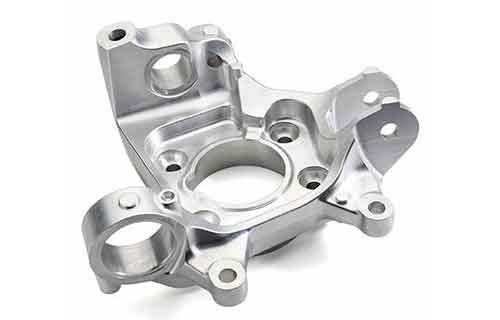
| Automotive | Cylinder heads, crankshafts, transmission parts | Affects fuel efficiency, emissions, and engine lifespan |
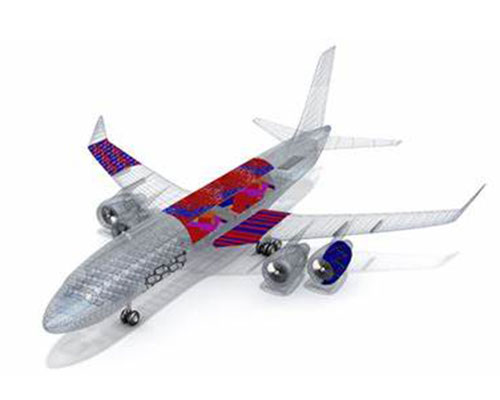
| Aerospace | Turbine blades, wing spars, fuselage structures | Directly impacts safety and performance under extreme conditions |
| Electronics | PCB housings, connectors, heat sinks | Ensures proper electrical connections and thermal management |
| Medical | Surgical tools, implant components | Patient safety depends on exact fit and surface finish |
| Energy | Wind turbine gears, generator components | Influences energy output and maintenance cycles |
For instance, a cylinder head in a car engine requires dozens of precisely milled ports and surfaces. A deviation of just 0.05 mm can cause poor combustion, higher emissions, and reduced power. That is why automotive manufacturers now rely heavily on China milling for both prototyping and mass production.
Key Components and Processes in China Milling
The Machinery: CNC Machines
At the heart of modern milling are CNC (Computer Numerical Control) machines. These are programmed to move cutting tools along multiple axes with incredible precision.
Today’s high-end CNC machines in China can achieve tolerances as tight as ±0.005 mm (0.0002 inches). Some specialized 5-axis machining centers go even further. This level of accuracy is essential for industries like medical implants, where a poorly fitted component can lead to surgical complications.
The Tools: Cutting Tools
Cutting tools have evolved significantly. Carbide-tipped end mills are now standard for machining hard materials like stainless steel and titanium. For even tougher applications, manufacturers use coated tools with materials like titanium aluminum nitride (TiAlN) to withstand high temperatures.
A ball-nose mill, for example, is ideal for creating curved surfaces found in turbine blades or mold cavities. Choosing the wrong tool can lead to poor surface finish or excessive tool wear, both of which drive up costs.
The Fixtures: Workholding Devices
Workholding is often overlooked but critical. Vises, clamps, and custom fixtures hold the workpiece steady during machining. In high-precision work, even a few microns of movement can ruin a part.
A precision-ground vise with repeatable clamping force ensures that parts stay exactly where they should be. Some advanced setups use hydraulic or pneumatic fixtures to maintain consistent pressure across production runs.
Core Processes
Several milling processes are commonly used:
- Face Milling: Creates flat surfaces on large components like machine bases or engine blocks.
- Peripheral Milling: Removes material along the length of a workpiece, ideal for creating slots, grooves, or gear teeth.
- Drilling and Tapping: Used to create holes and internal threads, essential for fasteners and assembly points.
Each process requires careful selection of cutting parameters—speed, feed rate, depth of cut—to balance productivity with quality.
Why Precision Power Demands High-Quality Milling
The Stakes Are High
Precision power components operate under demanding conditions. A wind turbine gearbox, for instance, must transfer torque from slow-rotating blades to a high-speed generator. The gear teeth must mesh perfectly. If they don’t, efficiency drops, noise increases, and wear accelerates.
In power transmission, a transformer with poorly machined core components can suffer energy losses of 5–10%. Over a 20-year lifespan, that wasted energy adds up to millions of dollars.
For electronic devices, a power supply with inconsistent voltage output can cause system crashes, data corruption, or hardware failure. Data centers alone lose billions annually due to power-related downtime.
What Defines Precision Power?
Precision power refers to systems and components that deliver, control, or convert electrical or mechanical energy with high accuracy, reliability, and efficiency. Key characteristics include:
- Tight tolerances (often in the micron range)
- Stable performance under varying loads and temperatures
- Long service life with minimal maintenance
- High energy efficiency to reduce operational costs
Meeting these requirements starts with how components are made. That is where China milling plays a decisive role.
How China Milling Drives the Evolution of Precision Power
1. Technological Innovation
China has invested heavily in advanced manufacturing technologies. Three areas stand out:
New Tooling Materials
The development of ultra-fine grain carbide and PCD (polycrystalline diamond) tools has enabled machining of materials previously considered difficult. For example, some Chinese-made carbide end mills can now cut hardened steel up to 65 HRC—a level that once required specialized grinding.
Advanced CNC Systems
Chinese CNC manufacturers have moved beyond basic 3-axis machines. 5-axis machining centers are now common, allowing complex geometries to be completed in a single setup. This reduces errors from repositioning and improves accuracy.
A 5-axis machine can mill a turbine blade’s airfoil, cooling channels, and root attachment in one go. That eliminates multiple setups and the cumulative errors they introduce.
Intelligent Manufacturing
The integration of IoT sensors, AI, and machine learning into milling processes is another leap forward.
Sensors monitor tool wear, spindle vibration, and temperature in real time. AI algorithms analyze this data to predict tool failure before it happens. When a tool is nearing its end, the system can automatically adjust feed rates or schedule a replacement without stopping production.
In one facility we visited, this approach reduced unplanned downtime by 35% and extended tool life by nearly 20%.
2. Improved Efficiency and Productivity
Efficiency gains translate directly to cost savings. Consider this case:
A Chinese automotive supplier was machining aluminum cylinder heads using conventional 3-axis mills. Cycle time per part was 10 minutes. After upgrading to high-speed 5-axis machines with optimized tool paths, cycle time dropped to 6 minutes.
That 40% reduction allowed the factory to increase daily output without adding new equipment or shifts. Over a year, the savings in labor and overhead were substantial.
A broader study by a manufacturing research group found that companies implementing advanced milling technologies in China saw average machining cost reductions of 15–20% per part. Key drivers included:
- Lower tool consumption
- Reduced energy use
- Fewer defective parts (scrap rates fell by over 30% in many cases)
3. Enhanced Precision and Quality
The following table compares typical outcomes between traditional and advanced China milling:
| Parameter | Traditional Milling | Advanced China Milling |
|---|---|---|
| Dimensional Tolerance | ±0.05 – ±0.13 mm | ±0.005 – ±0.01 mm |
| Surface Roughness (Ra) | 3.2 – 6.3 μm | 0.8 – 1.6 μm |
| Typical Scrap Rate | 3–5% | <1% |
| Setup Time per Job | 45–90 min | 15–30 min |
These improvements are not just numbers on a spreadsheet. In medical implant manufacturing, a surface finish below 1.6 μm reduces bacterial adhesion and improves osseointegration (bone bonding). In semiconductor tooling, micron-level tolerances enable smaller, more efficient chips.
4. Global Supply Chain Integration
China milling has also evolved in how it serves global clients. Many manufacturers now offer end-to-end services—from design for manufacturability (DFM) feedback to post-machining finishing and assembly.
This means a company in Europe or North America can send a CAD file and receive fully finished, inspected parts ready for installation. The combination of precision, speed, and integrated services makes China milling a competitive choice for mission-critical components.
Real-World Impact: A Case Study
To illustrate the impact, let’s look at a real example involving a wind turbine manufacturer.
The Challenge: The company was sourcing gearbox housings from a European supplier. Lead times were 14 weeks, and costs were high. More importantly, casting inconsistencies caused machining issues that delayed final assembly.
The Solution: They switched to a Chinese milling specialist with 5-axis CNC capabilities and in-house casting. The new supplier:
- Redesigned the housing to reduce machining steps
- Used high-feed milling strategies to cut cycle time by 30%
- Implemented in-process inspection to catch defects early
The Results:
- Lead time dropped to 6 weeks
- Cost per part decreased by 22%
- Scrap rate fell from 4.5% to under 1%
- Final assembly delays were eliminated
This case shows how China milling can deliver not just lower cost, but also faster turnaround and higher quality when executed correctly.
Conclusion
China milling has moved far beyond its reputation as a low-cost alternative. Today, it is a sophisticated ecosystem of advanced CNC machines, innovative tooling, intelligent processes, and skilled engineering talent. Together, these elements are driving the evolution of precision power across industries.
From automotive and aerospace to medical devices and renewable energy, the components that deliver reliable, efficient power increasingly depend on the capabilities of China milling. The gains in precision, efficiency, and cost-effectiveness are not incremental—they are transformative.
For businesses that rely on high-quality machined components, understanding and leveraging these capabilities is no longer optional. It is a competitive necessity.
FAQ
What types of precision power components are commonly made with China milling?
China milling is used to manufacture a wide range of components, including wind turbine gearbox housings, automotive engine parts, medical implant prototypes, aerospace structural components, and precision power supply enclosures. The common thread is the need for tight tolerances, consistent quality, and often complex geometries.
How does China milling achieve such high precision at lower costs?
The combination of advanced 5-axis CNC machines, optimized tool paths, and skilled operators reduces cycle times and scrap rates. High-volume production also spreads fixed costs. Additionally, integrated supply chains—where casting, machining, and finishing happen under one roof—minimize logistics and coordination expenses.
What quality standards should I expect from a reputable China milling partner?
Leading suppliers adhere to international standards such as ISO 9001:2015 for quality management and ISO 13485 for medical devices. Many also provide full inspection reports, including CMM (coordinate measuring machine) data, surface finish measurements, and material certifications. Third-party audits and on-site quality teams are also common for critical industries.
Contact Yigu Technology for Custom Manufacturing
At Yigu Technology, we specialize in high-precision milling solutions tailored to your exact requirements. Whether you need complex 5-axis machining, rapid prototyping, or full-scale production runs, our team combines advanced equipment with deep engineering expertise.
We serve industries ranging from automotive and aerospace to medical devices and renewable energy. Let us help you turn your designs into reliable, precision-machined components—on time and within budget.
Reach out to us today to discuss your next project.