Introduction
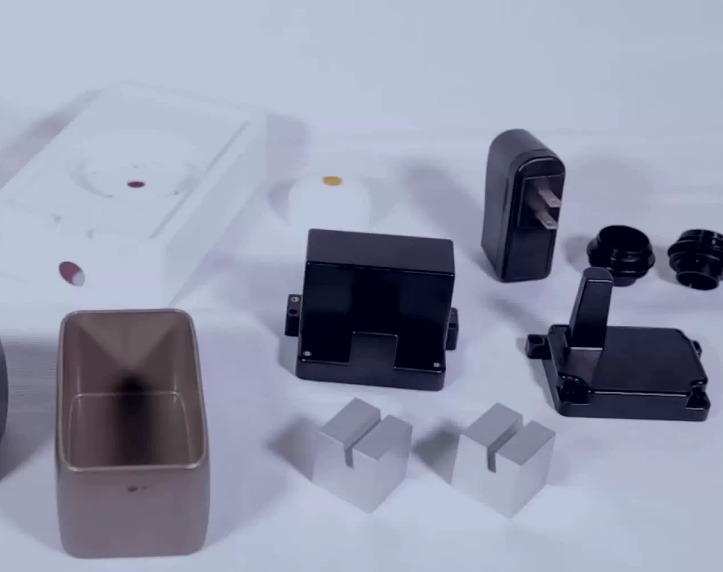
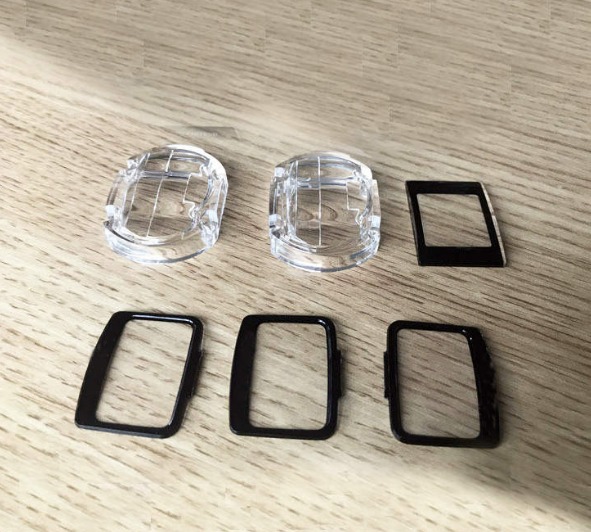
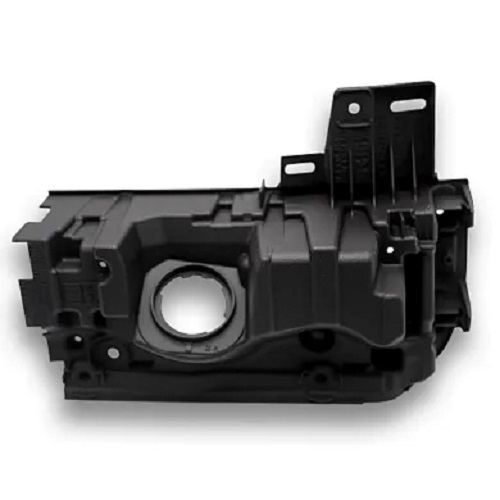
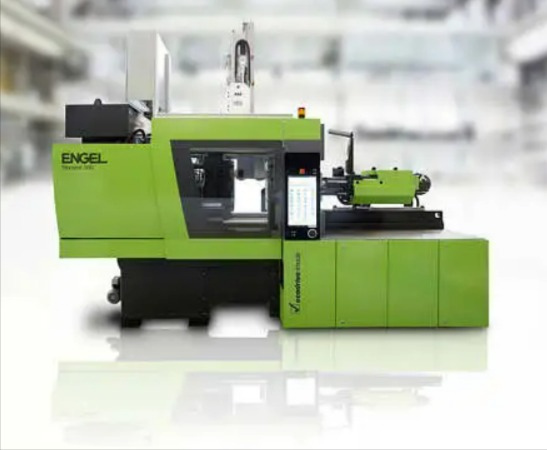
IMM injection moulding machines—the workhorses of the plastics industry—transform raw plastic pellets into finished products. From tiny medical components to large automotive parts, these machines produce the plastic items that surround us every day. Their efficiency, precision, and versatility make them indispensable in modern manufacturing.
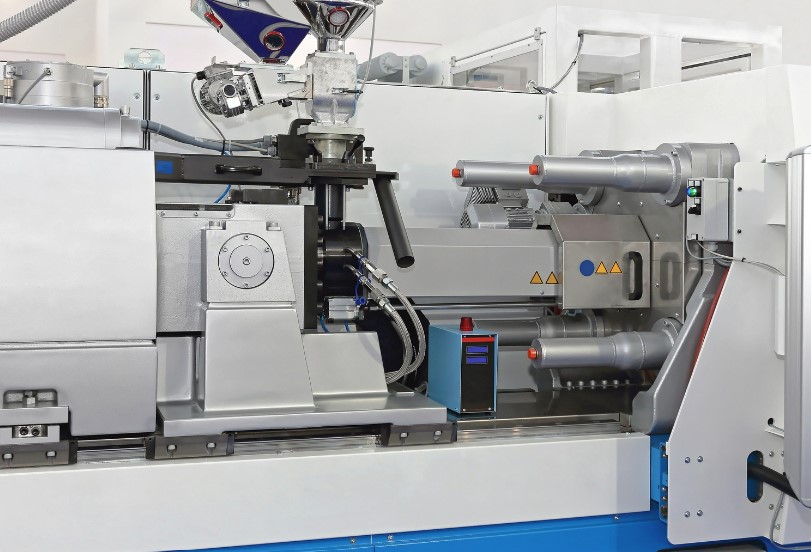
Understanding how injection moulding machines work is essential for anyone involved in product design, manufacturing, or procurement. The machine’s components—the screw and barrel assembly, clamping unit, and injection unit—work together in a precisely timed cycle to create consistent, high-quality parts.
This guide explains the key components, working principles, types of machines, and factors to consider when choosing an IMM. You will learn how each part contributes to the process and what to look for in a machine for your application.
What Exactly Are IMM Injection Moulding Machines?
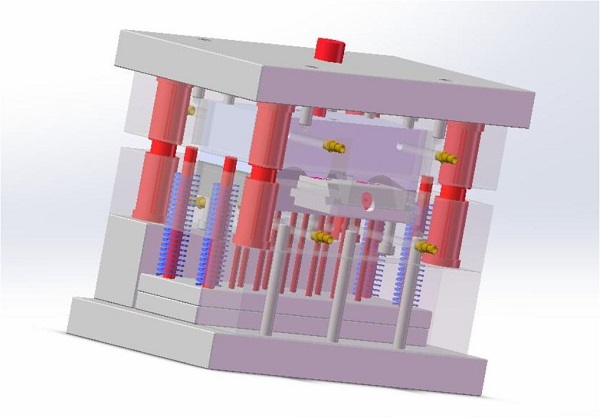
IMM injection moulding machines are manufacturing systems that melt plastic and inject it into a mold cavity under high pressure. The plastic cools and solidifies, taking the shape of the cavity. The process repeats rapidly, producing thousands or millions of identical parts.
The Basic Working Principle
The process is analogous to using a syringe:
- Plastic pellets are fed into a heated barrel
- Heat and friction melt the plastic into a viscous liquid
- A screw or plunger pushes the molten plastic through a nozzle
- High pressure forces the plastic into a closed mold cavity
- Cooling solidifies the plastic into the shape of the cavity
- Ejection removes the finished part
This cycle repeats every few seconds to minutes, depending on part size and material.
Why Are IMM Machines So Important?
IMM machines enable:
- Mass production – Thousands to millions of identical parts
- Complex geometries – Intricate shapes with fine details
- Tight tolerances – ±0.05 mm or better for precision components
- Material versatility – Hundreds of thermoplastic formulations
- Automation – Consistent, 24/7 operation with minimal labor
What Are the Key Components of an IMM Machine?
An injection moulding machine consists of three main systems: the injection unit, the clamping unit, and the control system.
The Screw and Barrel Assembly (Injection Unit)
The screw and barrel are the heart of the injection unit. They perform two critical functions: plasticizing and injecting.
How it works:
- Plastic pellets feed from the hopper into the barrel
- A rotating screw conveys the pellets forward
- External heaters raise the barrel temperature
- Frictional heat from screw rotation adds to the melting
- The plastic becomes a homogeneous, viscous melt
- The screw retracts, accumulating melt at the front
- The screw then moves forward like a plunger, injecting the melt
Critical parameters:
| Parameter | Impact |
|---|---|
| Screw speed | Higher speed increases melting rate but risks overheating |
| Barrel temperature zones | Gradual increase from feed to nozzle ensures proper melting |
| Back pressure | Improves melt homogeneity; too high causes overheating |
| Shot size | Amount of melt accumulated; must match part volume |
Material temperature examples:
- Polyethylene (PE): 110–130°C
- Polypropylene (PP): 160–170°C
- ABS: 200–230°C
- Polycarbonate (PC): 250–300°C
The Clamping Unit
The clamping unit holds the mold closed during injection. It must provide enough force to counteract the injection pressure and prevent flash.
Components:
- Fixed platen – Stationary side where mold half mounts
- Moving platen – Moves to open and close the mold
- Tie bars – Guide the moving platen and absorb clamping force
- Clamping mechanism – Generates the clamping force
Clamping mechanism types:
| Type | How It Works | Advantages | Disadvantages |
|---|---|---|---|
| Hydraulic | Hydraulic cylinders generate force | Smooth operation; adjustable force | Higher energy consumption |
| Toggle | Mechanical linkage system | High-speed; energy-efficient after close | Less precise force control |
| Electric | Servo motors drive clamping | Energy-efficient; precise; clean | Higher initial cost |
Clamping force calculation:
Required force = Projected area × Cavity pressure × Safety factor
For most applications, 50–80 MPa (7,000–12,000 psi) cavity pressure is typical.
The Injection Unit
The injection unit delivers molten plastic into the mold with precision.
Key functions:
- Melting – Through screw rotation and barrel heaters
- Metering – Accumulating the exact shot volume
- Injection – Pushing the melt into the mold at controlled speed and pressure
Critical parameters:
| Parameter | Effect |
|---|---|
| Injection speed | Faster fills thin walls; too fast causes air traps |
| Injection pressure | Overcomes flow resistance; too high causes flash |
| Holding pressure | Compensates for shrinkage; prevents sink marks |
| Switchover point | When to switch from speed to pressure control |
The Control System
Modern IMM machines use computer-based control systems that:
- Monitor and adjust temperature, pressure, and position
- Store process recipes for different parts
- Provide real-time data for quality control
- Enable automation and integration with other equipment
What Are the Different Types of IMM Machines?
IMM machines come in various configurations for different applications.
General-Purpose Injection Moulding Machines
These are the most common type, designed for a wide range of materials and products.
Typical specifications:
- Clamping force: 50–5,000 tons
- Injection volume: A few cm³ to several thousand cm³
- Materials: Thermoplastics (PP, PE, ABS, PC, etc.)
Applications:
- Consumer goods (containers, toys, household items)
- Automotive parts
- Electronics housings
- Industrial components
Advantages: Versatile; widely available; cost-effective for general applications
Multi-Component Injection Moulding Machines
These machines inject two or more materials into the same mold, either sequentially or simultaneously.
How they work:
- Multiple injection units (2, 3, or more)
- Specialized molds with multiple gates and flow channels
- Materials are combined in a single part
Applications:
- Automotive interiors (soft-touch surfaces with rigid cores)
- Multi-color parts
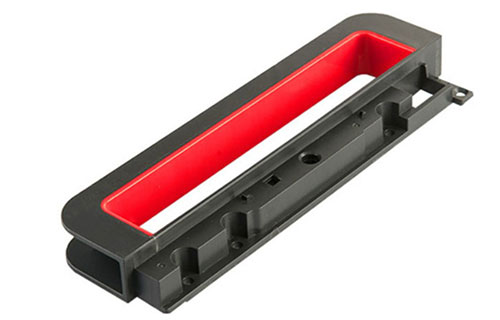
- Seals bonded to rigid housings
- Overmolded handles
Advantages: Eliminates assembly; enables complex material combinations; improves product functionality
Special-Purpose Machines
Some machines are designed for specific materials or applications.
Thermoset Injection Moulding Machines
- Process thermosetting plastics (phenolic, melamine, etc.)
- Heated molds cause chemical curing
- Precision temperature control prevents premature curing
Rubber Injection Moulding Machines
- Process rubber compounds with higher viscosity
- Designed for expansion and contraction during curing
- Used for seals, gaskets, tires
High-Speed Injection Moulding Machines
- Optimized for thin-wall packaging (cups, containers)
- Very fast injection speeds (200–400 mm/s)
- Short cycle times (2–5 seconds)
How Do You Choose the Right IMM Machine?
Selecting the right machine requires evaluating multiple factors.
Part Requirements
| Factor | Consideration |
|---|---|
| Part size | Determines required clamping force and injection volume |
| Part complexity | Complex geometries may require multi-component capability |
| Tolerances | Precision parts require stable, high-quality machines |
| Material | Different materials have different processing requirements |
Clamping Force
Calculate required clamping force:
- Calculate projected area of part and runners (in cm² or in²)
- Multiply by cavity pressure (typically 50–80 MPa or 7,000–12,000 psi)
- Add safety factor (10–20%)
Example: Part with 100 cm² projected area, 70 MPa cavity pressure:
- 100 × 70 = 7,000 kN (700 tons) + safety factor → 770–840 tons
Injection Capacity
The injection unit must be able to:
- Melt enough material for the part and runners
- Maintain melt quality at the required rate
Rule of thumb: Shot size should be 30–80% of the machine’s maximum capacity. Very small shots relative to machine size may cause material degradation due to long residence time.
Machine Type Selection Matrix
| Application | Recommended Machine Type |
|---|---|
| Simple, single-material parts | General-purpose hydraulic or electric |
| Complex parts with multiple materials | Multi-component |
| Thin-wall packaging | High-speed |
| Thermoset or rubber components | Special-purpose (thermoset/rubber) |
| Medical or precision parts | Electric or hybrid (high precision) |
How Do You Maintain IMM Machines?
Regular maintenance ensures consistent performance and long machine life.
Daily Maintenance
- Visual inspection – Check for leaks, unusual noise, or vibration
- Clean machine – Remove plastic debris from parting line and moving parts
- Check lubrication – Ensure moving parts have adequate lubrication
- Monitor temperatures – Verify heater bands and thermocouples function
Weekly Maintenance
- Inspect screw and barrel – Check for wear or damage
- Check tie bars – Ensure proper lubrication and alignment
- Clean cooling channels – Prevent scale buildup that reduces cooling efficiency
- Verify sensors – Check pressure and temperature sensors for accuracy
Monthly and Annual Maintenance
- Hydraulic oil – Check level, condition, and contamination
- Electrical systems – Inspect connections, controllers, and safety circuits
- Professional inspection – Have a technician perform comprehensive check annually
- Wear part replacement – Replace worn screws, barrels, or components as needed
What Environmental Considerations Should You Consider?
IMM machines have environmental impacts that can be managed.
Energy Consumption
Injection moulding machines consume significant electricity. Energy-efficient options include:
| Technology | Energy Savings |
|---|---|
| Servo-hydraulic systems | 30–50% less energy than fixed-pump hydraulics |
| All-electric machines | 50–70% less energy than standard hydraulics |
| Hybrid machines | 30–60% less energy |
| Insulated barrels | Reduced heat loss |
Plastic Waste
Waste comes from:
- Runners – Can often be reground and reused
- Defective parts – Quality control reduces scrap
- Startup waste – Optimize processes to minimize
Waste reduction strategies:
- Use hot runner systems to eliminate runner waste
- Optimize process parameters to reduce defects
- Regrind and reuse clean scrap
- Design parts with material efficiency in mind
Cooling Water
Cooling systems consume water and energy. Best practices:
- Use closed-loop cooling systems to reduce water consumption
- Regular cleaning prevents scale that reduces efficiency
- Monitor coolant temperature and flow rate
Conclusion
IMM injection moulding machines are sophisticated systems that combine mechanical, hydraulic, electrical, and control technologies. Their key components—the screw and barrel assembly, clamping unit, and injection unit—work together in a precisely timed cycle to produce high-quality plastic parts.
Understanding these machines helps you:
- Select the right machine for your application
- Optimize process parameters for quality and efficiency
- Maintain equipment for long-term reliability
- Reduce environmental impact through energy efficiency and waste reduction
Whether you need a general-purpose machine for consumer products or a multi-component system for complex assemblies, the principles remain the same: precise control of temperature, pressure, and timing produces consistent, high-quality parts.
Frequently Asked Questions (FAQ)
What factors should I consider when choosing an IMM injection moulding machine?
Consider part requirements (size, complexity, material), clamping force (based on projected area), injection capacity (shot size relative to part), production volume (determines speed and reliability needs), budget (initial cost vs. long-term efficiency), and energy efficiency (operating costs). Also consider future needs—a machine with some capacity reserve allows for growth.
How can I maintain my IMM injection moulding machine for long-term performance?
Perform daily visual inspections for leaks, wear, and unusual noise. Clean the machine regularly to prevent debris accumulation. Lubricate moving parts per manufacturer schedule. Check hydraulic oil condition and level weekly. Verify sensor accuracy periodically. Schedule professional maintenance annually for comprehensive inspection, calibration, and wear part replacement. Proper maintenance extends machine life and maintains part quality.
What is the difference between hydraulic, electric, and hybrid IMM machines?
Hydraulic machines use hydraulic cylinders for clamping and injection. They are robust and cost-effective but consume more energy. All-electric machines use servo motors for all movements. They offer higher precision, energy savings (50–70%), and cleaner operation—ideal for medical and cleanroom applications. Hybrid machines combine electric and hydraulic systems, offering a balance of precision, energy efficiency, and cost.
How do I calculate the required clamping force?
Clamping force = Projected area × Cavity pressure × Safety factor. Projected area includes the part and runner system (in cm² or in²). Cavity pressure typically ranges from 50–80 MPa (7,000–12,000 psi) for most thermoplastics. Add a safety factor of 10–20%. For example: a 100 cm² part with 70 MPa cavity pressure requires 7,000 kN (700 tons) plus safety factor.
What is the typical lifespan of an IMM injection moulding machine?
With proper maintenance, a quality IMM machine can last 15–25 years or more. Hydraulic machines may require major overhauls after 10–15 years. All-electric machines often have longer service life due to fewer wear parts. Lifespan depends on maintenance quality, production hours, and operating conditions. Regular maintenance and timely replacement of wear parts significantly extend machine life.
Contact Yigu Technology for Custom Manufacturing
At Yigu Technology, we work with a range of IMM injection moulding machines to produce custom plastic and metal components. Our experience across machine types—hydraulic, electric, and multi-component—allows us to match the right equipment to your project.
Our capabilities include:
- Precision injection molding – Tight tolerances for demanding applications
- Multi-component molding – Complex parts with multiple materials
- Material expertise – Commodity to engineering thermoplastics
- Process optimization – Scientific molding; in-process monitoring
- Quality assurance – Dimensional inspection; mechanical testing
We serve automotive, medical, electronics, and consumer goods industries with custom injection-molded components. Our team selects and operates machines to deliver consistent, high-quality parts.
Contact us today to discuss your injection molding project. Let our expertise help you achieve the quality and efficiency you need.