Introduction
You need custom plastic parts, but traditional manufacturing feels slow and expensive. Maybe your design includes complex curves that injection molding cannot handle, or perhaps you only need a small quantity that does not justify tooling costs. Plastic 3D printing services have transformed how businesses approach custom manufacturing by eliminating these barriers. Instead of waiting weeks for molds and paying thousands for setup, you can now upload a digital file and receive parts in days. This technology builds objects layer by layer from digital designs, enabling geometries and customization impossible with conventional methods. This article explains how plastic 3D printing works, what benefits it offers, which industries use it, and how it compares to traditional manufacturing. By the end, you will understand whether this approach fits your custom manufacturing needs.
What Is Plastic 3D Printing and How Does It Work?
What technologies are commonly used for plastic printing?
Several distinct methods produce plastic parts, each with specific strengths:
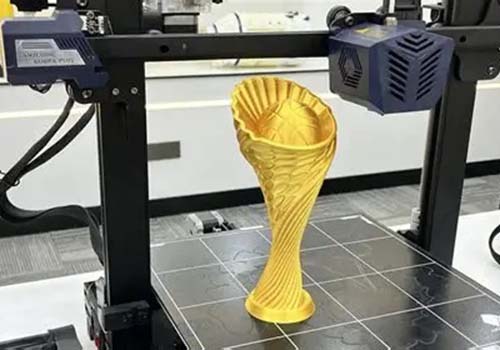
Fused deposition modeling or FDM melts thermoplastic filament and extrudes it through a heated nozzle. The nozzle moves in precise patterns, depositing material layer by layer. FDM dominates prototyping and low-volume production because machines are affordable and materials cost little. Common materials include PLA for easy printing, ABS for durability, and nylon for toughness.
Stereolithography or SLA uses a UV laser to cure liquid photopolymer resin into solid shapes. The laser traces each layer on the resin surface, hardening it precisely. SLA produces the smoothest surfaces and finest details of any plastic printing method. Dental laboratories and jewelry designers rely on SLA for applications where appearance matters.
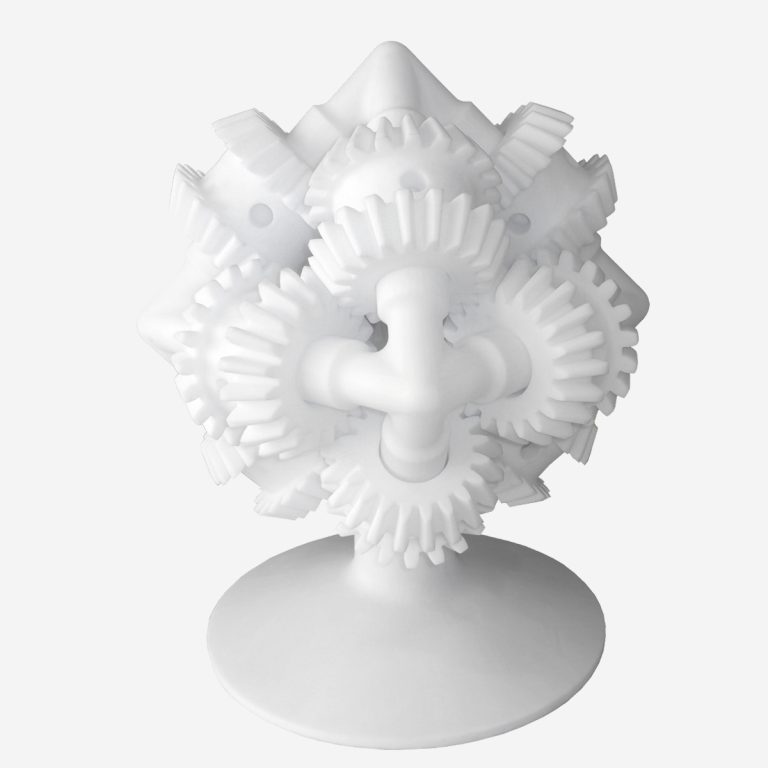
Selective laser sintering or SLS fuses nylon powder with a laser. Unfused powder supports overhangs, eliminating the need for printed supports. This enables complex internal geometries and moving assemblies printed in place. SLS parts approach injection-molded properties, making them suitable for functional prototypes and end-use components.
Polyjet printing jets photopolymer droplets like an inkjet printer, then cures them with UV light immediately. Multiple print heads allow different materials and colors in the same build. Polyjet produces parts with varied properties and realistic appearance for visual prototypes.
How does the printing process flow from file to part?
Model design creates the digital blueprint. Engineers use CAD software to design parts with features impossible to machine. Internal channels, lattice structures, and organic shapes all become possible. The digital model contains every detail the printer will reproduce.
Slicing prepares that model for printing. Specialized software cuts the 3D geometry into hundreds or thousands of thin layers. Each layer typically measures 0.05 to 0.3 millimeters thick depending on desired detail. The software generates toolpaths and support structures needed for overhangs.
Printing executes the build. The printer follows instructions from the sliced file, depositing or solidifying material one layer at a time. A simple part might print in an hour. A complex industrial component could run for days.
Post-processing transforms the raw printed part into finished form. Support structures get removed carefully. Surfaces may need sanding or polishing. Some parts go to painting or coating for appearance or protection.
What Benefits Does Plastic 3D Printing Offer for Custom Manufacturing?
How does rapid prototyping accelerate development?
Speed transforms the prototyping process. A design completed Monday can ship as a physical part by Friday. Designers hold their creations, test fit and function, and identify improvements immediately. This quick turnaround enables multiple design iterations in the time traditional methods would take for one.
Traditional prototyping often required weeks for tooling or machining. Each design change meant starting over. With 3D printing, the digital file updates, and a new prototype prints overnight. This rapid iteration leads to better final designs and faster time to market.
Why is cost-effectiveness particularly valuable for custom work?
No tooling investment changes the economics of custom parts. Injection molding requires molds costing $5,000 to $50,000 or more. That expense only makes sense for thousands of identical parts. For quantities under 500 units, the mold cost alone makes each part prohibitively expensive.
Plastic 3D printing eliminates this barrier entirely. The same digital file produces one part or fifty at consistent per-part cost. Custom work that was economically impossible becomes practical.
On-demand production reduces inventory costs. Instead of warehousing parts against future need, you print them when orders arrive. No capital tied up in stock, no risk of obsolescence, no storage space required.
What design freedom does 3D printing enable?
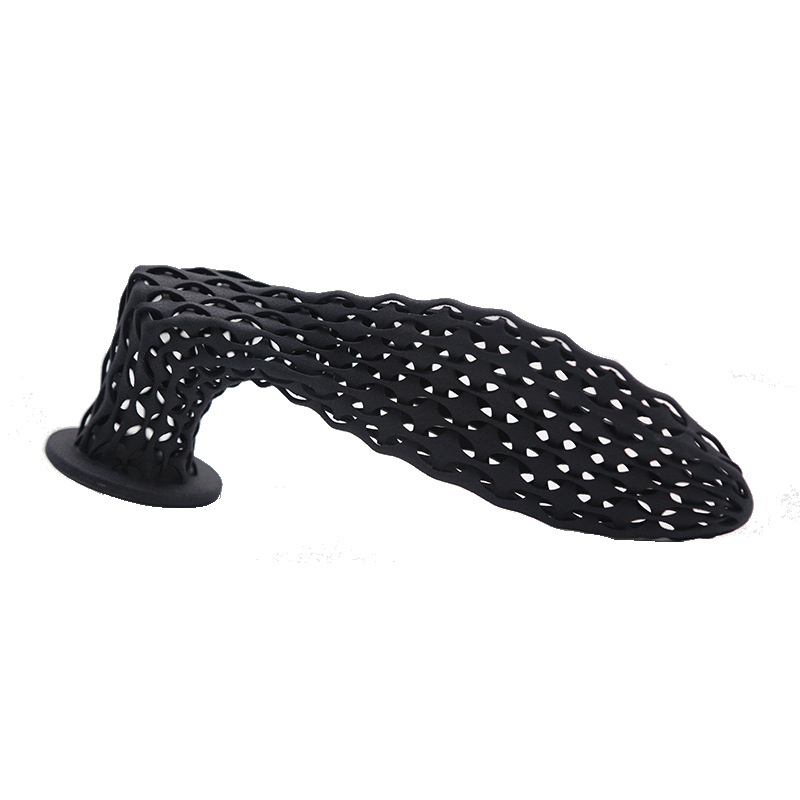
Complex geometries that machining cannot reach become routine. Internal cooling channels snake through parts. Lattice structures fill spaces with minimal weight. Undercuts and overhangs that would require special tooling print without penalty.
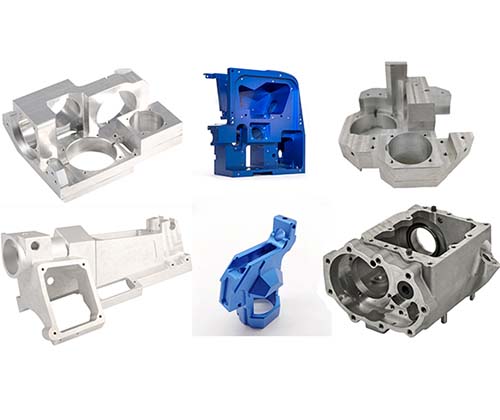
Traditional manufacturing constrains designs to what tools can access. Drilled holes must be straight. Internal cavities need openings. Every feature adds machining complexity. Design for additive manufacturing reverses this thinking, optimizing for performance rather than producibility.
How does mass customization become practical?
Personalization at scale becomes possible because each part prints from its own digital file. Medical devices tailored to individual anatomy. Consumer goods with customer-specific details. Automotive interior components matching buyer preferences. All without cost penalty.
A dental aligner company like SmileDirectClub produces millions of custom devices using 3D printing. Each aligner differs slightly based on patient scans. Traditional manufacturing could never achieve this level of customization economically.
What Industries Already Rely on Plastic 3D Printing?
How does aerospace use printed plastic parts?
Weight reduction drives aerospace adoption. Every kilogram saved on an aircraft reduces fuel consumption significantly. Plastic printing enables lightweight lattice structures and topology-optimized designs that cut weight while maintaining strength.
NASA uses 3D printed plastic components for space missions, including parts for the Curiosity Rover. The ability to manufacture on demand and optimize for extreme environments proves invaluable.
What automotive applications make sense?
Prototyping dominates automotive use. Ford's rapid technology center prints prototype parts in hours rather than weeks. Designers test fit, function, and appearance before committing to production tooling.
Custom tooling and fixtures print for assembly line use. These shop aids improve ergonomics and efficiency without expensive fabrication. Ford reports significant time and cost savings from printed production tools.
How does medical manufacturing benefit?
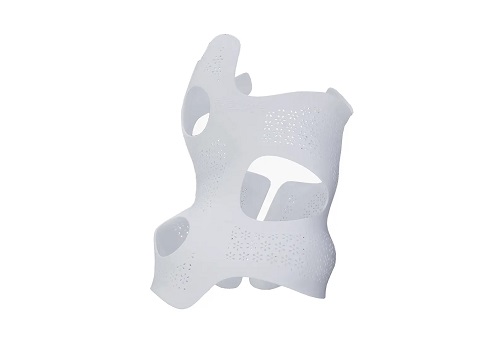
Patient-specific devices improve outcomes dramatically. Custom surgical guides print from patient CT data, ensuring precise implant placement. Prosthetic sockets fit individual anatomy perfectly. Dental aligners and retainers match each patient's unique dentition.
The medical field values biocompatible materials developed specifically for printing. These materials meet regulatory requirements while enabling the customization that improves patient care.
What about consumer goods?
Personalized products meet growing consumer demand for uniqueness. Jewelry, eyewear, and accessories print with individual customization. Small batch production of niche products becomes economically viable.
Designers create intricate pieces impossible to cast or mold. The design freedom translates directly to market differentiation.
How Does Plastic 3D Printing Compare to Traditional Manufacturing?
The table below summarizes key differences:
| Comparison Aspect | Traditional Manufacturing | Plastic 3D Printing |
|---|---|---|
| Tooling cost | $5,000-$50,000+ for molds | None |
| Per-part cost (low volume) | Very high | Moderate |
| Per-part cost (high volume) | Very low | High |
| Design complexity | Limited by tool access | Unlimited |
| Lead time for prototypes | Weeks to months | Days |
| Material waste | 30-70% typical | Under 10% |
| Customization cost | High per variation | Zero per variation |
| Surface finish | Excellent | Good to excellent |
| Mechanical properties | Consistent | Process dependent |
When does 3D printing win on cost and time?
Low volumes under 500 units favor 3D printing economically. No tooling investment means each part costs the same whether you make one or fifty. Traditional methods spread mold cost across parts, making small batches expensive.
Speed advantages hold for prototyping and urgent needs. A 3D printed part exists in days rather than weeks. For development projects, this acceleration justifies any cost premium.
Complex designs that would require multiple operations or special tooling print in one step. The cost of complexity is zero in additive manufacturing but high in traditional methods.
When do traditional methods remain preferable?
High volumes above several thousand units still favor injection molding. Per-part cost drops low enough to justify tooling investment. Production speeds measured in seconds rather than hours.
Simple geometries with no complexity advantage print no faster than they mold. A basic shape may cost less produced traditionally.
Certain materials like specific engineering grades may not be available for printing. Traditional methods offer broader material selection.
What Real-World Success Stories Demonstrate These Benefits?
How does NASA use plastic printing for space exploration?
NASA employs 3D printing for components on the Curiosity Rover and other missions. The ability to manufacture lightweight, durable parts that withstand extreme environments proves crucial. Printing also enables design iterations during development without long lead times.
How did SmileDirectClub transform orthodontics with printing?
SmileDirectClub built its business model around plastic 3D printing. Millions of custom aligners print from patient scans, each slightly different. The company delivers personalized treatment at scale that would be impossible with traditional manufacturing.
How does Ford benefit from printed parts?
Ford's rapid technology center prints prototype parts, production tooling, and custom fixtures. The company reports reduced development time, lower costs, and improved quality from additive manufacturing. Printed tools improve assembly line ergonomics and efficiency.
How Does Yigu Technology Approach Plastic 3D Printing?
Our engineering team selects among plastic printing technologies based on each project's requirements. We maintain multiple printer types so recommendations match needs rather than forcing compromises.
A recent medical project required patient-specific surgical guides. SLA delivered the smooth surfaces and biocompatible materials needed for operating room use. Another client needed functional automotive prototypes capable of under-hood temperatures. SLS nylon with heat-resistant grades met the specification.
For a consumer goods company, we produced realistic product models using polyjet printing. The parts showed exact colors and textures months before production tooling completed. Marketing teams used them for photography and focus groups.
Industrial equipment manufacturers needed replacement parts for legacy machines. We scanned worn components, optimized designs for printing, and produced nylon duplicates via SLS. The parts outlasted originals while matching fit perfectly.
Our facility includes FDM for large parts, SLA for detail, SLS for functional polymers, and polyjet for multi-material needs. This variety lets us serve diverse industries with appropriate solutions.
Frequently Asked Questions
What are the main benefits of plastic 3D printing over traditional methods?
Rapid prototyping, cost-effectiveness for low volumes, design freedom for complex geometries, and zero-cost customization are the primary advantages.
How does 3D printing impact product development?
It accelerates development by enabling fast prototyping and iteration. Designs improve through multiple physical tests rather than relying solely on simulation.
What industries benefit most from plastic 3D printing?
Aerospace, automotive, medical, consumer goods, architecture, education, and art all leverage the technology for customized solutions and complex parts.
How strong are 3D printed plastic parts?
Properly printed parts achieve properties approaching injection-molded materials. SLS nylon offers excellent strength and durability for functional applications.
Can I get parts in different colors?
Yes. FDM uses colored filaments. Polyjet prints multiple colors in one build. SLA parts paint easily after printing.
Conclusion
Plastic 3D printing services have fundamentally changed custom manufacturing by removing the barriers that made small-batch production expensive and slow. No tooling investment means custom parts become economical even in quantities of one. Design freedom enables geometries that traditional methods cannot produce. Rapid prototyping accelerates development cycles and improves final designs. Mass customization becomes practical across industries from medical to consumer goods. While traditional manufacturing still dominates high-volume production, additive methods fill every gap where customization, complexity, or speed matter. As technology continues advancing with better materials, faster machines, and lower costs, the role of plastic 3D printing in custom manufacturing will only grow.
Contact Yigu Technology for Custom Manufacturing
Ready to explore how plastic 3D printing can advance your custom manufacturing needs? The engineering team at Yigu Technology brings practical experience across FDM, SLA, SLS, and polyjet processes. We help you select the right technology, optimize designs for printing, and deliver quality parts on your schedule. Send us your CAD files or concept sketches for a free feasibility review and quotation. Let us show you how our facilities and expertise turn your ideas into physical reality. Contact Yigu Technology today and discover what professional plastic 3D printing makes possible for your next project.