Introduction
You have a product idea. It involves plastic components—housings, enclosures, functional parts. But turning that idea into a successful product requires more than a design. It requires testing, validation, and refinement. Plastic prototyping is the initial stage where a preliminary model is crafted to test and validate design concepts. A plastic prototyping company provides the expertise, technology, and materials to transform your concept into a tangible prototype. This guide explores how these companies solve product development problems—from design validation to material selection to manufacturing techniques.
What Is Plastic Prototyping?
Plastic prototyping involves using techniques such as 3D printing, injection molding, or CNC machining to create preliminary models. 3D printing deposits layers of plastic precisely according to a digital model—enabling highly detailed, complex shapes. Injection molding injects molten plastic into a mold cavity—ideal for prototypes with smooth surfaces and high-volume production feasibility.
What Key Role Does Plastic Prototyping Play in Product Development?
Design Validation
Before mass production, a plastic prototype serves as a tangible representation of the final product. Designers and engineers physically examine the prototype, checking form, fit, and function. For a new smartphone case, the prototype tests fit, button accessibility, and aesthetics.
Cost-Effective Problem-Solving
Making changes during prototyping is far more cost-effective than during mass production. Industry statistics show that approximately 80% of product-related problems can be identified and resolved during prototyping, saving up to 50% of overall product development cost.
Market Testing
A well-made plastic prototype can be presented to potential customers or investors early. Feedback helps refine the product to better meet market demands. A startup developing a new kitchen gadget can use a prototype to gather feedback at trade shows—improving design before full-scale production.
What Key Services Do Plastic Prototyping Companies Offer?
Design and Concept Development
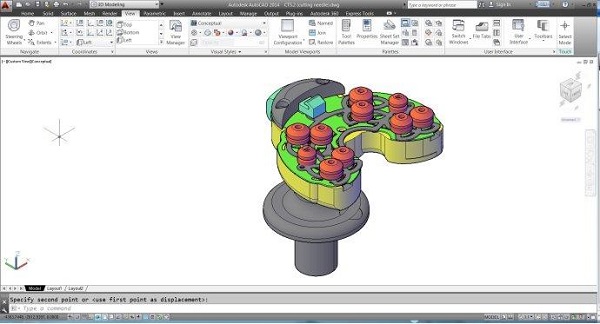
Professional plastic prototyping companies work closely with clients from initial brainstorming. Using advanced design software—SolidWorks, CATIA, AutoCAD—design teams translate abstract ideas into detailed 3D models.
For a new ergonomic office chair, the prototyping company held in-depth discussions to understand vision, aesthetics, functionality, target market. The design team created a 3D model in SolidWorks, enabling visualization from different angles. Client feedback on seat shape, backrest height, armrest design led to revisions. After several rounds, a final design was ready for prototyping.
Material Selection
Choosing the right plastic material significantly impacts performance, durability, and cost.
| Material | Key Properties | Typical Applications |
|---|---|---|
| ABS | High impact resistance, good mechanical properties, easy to machine and color | Electronic housings (laptops, gaming consoles), toys, automotive interior parts |
| Polyethylene (PE) | Low cost, chemical resistance, good flexibility | Packaging (plastic bags, bottles), pipes, toys |
| Polypropylene (PP) | High heat resistance, good chemical resistance, lightweight | Food containers, automotive parts, medical devices |
| Polystyrene (PS) | Transparency, rigidity, low cost | Disposable cutlery, CD cases, packaging foam |
| Polycarbonate (PC) | Exceptional impact resistance, high heat resistance, optical clarity | Safety goggles, automotive headlights, electronic device screens |
A plastic prototyping company guides clients in selecting the most appropriate material. For a coffee maker component exposed to high temperatures, they may recommend polypropylene or polycarbonate for heat resistance.
Prototyping Techniques
| Technique | Advantages | Disadvantages |
|---|---|---|
| 3D Printing | High design freedom, fast for small-scale, low setup cost, ideal for rapid iteration | Surface finish may not be as smooth; strength lower; material options more limited |
| Injection Molding | High-volume production, high precision, consistent surface finish, high strength and durability | High initial setup cost (expensive molds), long lead-time, less flexible for design changes |
| CNC Machining | High precision, good surface finish, wide range of materials, good mechanical properties | Time-consuming for complex shapes, higher material waste, higher cost for small volumes |
3D printing offers high design freedom for complex geometries. A product designer can get a 3D-printed smartphone accessory prototype within a day or two. Low setup cost makes it ideal for rapid iteration.
Injection molding is suitable for high-volume production with high precision and consistent surface finish. Most plastic water bottles are made through injection molding. However, high initial setup cost and long lead-time for molds make it less flexible for design changes.
CNC machining achieves high precision and good surface finish with a wide range of materials. It can be time-consuming for complex shapes, and material waste is higher than additive methods.
How Does Yigu Technology View Plastic Prototyping?
As a non-standard plastic and metal products custom supplier, Yigu Technology understands the significance of collaborating with plastic prototyping companies.
Synergy for Innovation
Collaboration enables integration of custom manufacturing expertise with advanced prototyping techniques. When developing a unique plastic-metal composite part for a high-end electronic device, a prototyping company’s 3D printing technology rapidly created a prototype for design validation—saving time and reducing cost of later-stage changes.
Material and Design Optimization
Prototyping companies’ material knowledge and design capabilities complement production-oriented skills. Together, designs are optimized to be functional and cost-effective to manufacture—leading to higher-quality end-products that better meet customer needs.
What Are Common Questions About Plastic Prototyping?
How Long Does It Take to Get a Plastic Prototype?
Simple 3D-printed prototypes: hours to days, depending on complexity and size. Injection-molded prototypes: longer. Mold-making alone: 2–4 weeks. Actual injection molding and finishing: 1–2 weeks. Factors affecting time: design complexity, material availability, company workload.
What Types of Plastics Are Most Commonly Used in Prototyping?
Most common: ABS (high impact resistance, good mechanical properties—electronic housings, toys), Polyethylene (PE) (low cost, chemical resistance—packaging, pipes), Polypropylene (PP) (high heat resistance, lightweight—food containers, automotive parts), Polystyrene (PS) (transparency, rigidity—disposable cutlery, CD cases), Polycarbonate (PC) (exceptional impact resistance, heat resistance, optical clarity—safety goggles, automotive headlights).
Can a Plastic Prototyping Company Help with Design Changes During the Process?
Yes. For minor changes (adjusting dimensions), changes are made quickly. For significant changes (modifying overall structure), the design team creates a new 3D model—requiring additional time. The company recalculates material requirements, production costs, and timeline. After client approval, updated prototype is created.
Conclusion
Plastic prototyping companies solve critical product development problems. They provide design validation—turning abstract ideas into tangible models for testing form, fit, function. They enable cost-effective problem-solving—catching 80% of issues during prototyping, saving up to 50% of development costs. They offer market testing—gathering early feedback to refine products. Through design and concept development, material selection expertise, and versatile prototyping techniques (3D printing, injection molding, CNC machining), they transform concepts into successful products.
Frequently Asked Questions
How long does it usually take to get a plastic prototype?
Simple 3D-printed prototypes: hours to days. Injection-molded prototypes: mold-making 2–4 weeks, injection molding and finishing 1–2 weeks. Factors affecting time: design complexity, material availability, company workload.
What types of plastics are most commonly used in prototyping?
ABS (high impact resistance—electronic housings, toys), Polyethylene (PE) (low cost, chemical resistance—packaging, pipes), Polypropylene (PP) (high heat resistance—food containers, automotive parts), Polystyrene (PS) (transparency, rigidity—disposable cutlery, CD cases), Polycarbonate (PC) (exceptional impact resistance, optical clarity—safety goggles, automotive headlights).
Can a plastic prototyping company help with design changes during the process?
Yes. Minor changes (dimension adjustments) made quickly. Significant changes (structural modifications) require new 3D model and additional time. The company recalculates materials, costs, timeline. Updated prototype created after client approval.
What is the difference between 3D printing and injection molding for prototypes?
3D printing: builds parts layer by layer—high design freedom, fast for small-scale, low setup cost, ideal for rapid iteration. Injection molding: injects molten plastic into molds—high-volume production, high precision, consistent surface finish, high strength, but high initial setup cost and less flexible for design changes.
How much can prototyping save in product development costs?
Industry statistics show approximately 80% of product-related problems identified and resolved during prototyping, saving up to 50% of overall product development cost. Changes during prototyping are far less expensive than during mass production.
Contact Yigu Technology for Custom Manufacturing
Ready to solve your product development challenges with professional plastic prototyping? Yigu Technology offers custom plastic and metal manufacturing services, collaborating with prototyping experts to bring your concepts to life. Our engineers guide you through design, material selection, and manufacturing processes. Contact us today to discuss your project.