Introduction
Innovation is the lifeblood of modern business. But ideas alone are not enough. Turning an idea into a successful product requires testing, refinement, and iteration. Traditional development cycles are slow—concept validation alone can take months or years. Rapid prototype development changes this. It enables companies to quickly create working models of products or services, test them with real users, and iterate based on feedback. This guide explores how rapid prototype development accelerates innovation, with real-world examples and practical insights.
What Is Rapid Prototype Development?
Rapid prototype development is the process of quickly creating a working model of a product or service. This prototype is not a polished final product but a simplified version that showcases key features and functions.
In the automotive industry, engineers use rapid prototype development to build a prototype vehicle before mass production. The prototype may not have a final exterior finish, but it has a functional engine, working suspension, and basic interior layout. This allows testing of performance, handling, and ergonomics long before investing in full-scale production.
The link to innovation is direct. Innovation brings new ideas to market. Rapid prototype development acts as a catalyst—turning ideas into tangible prototypes quickly and accelerating the innovation cycle.
How Does Rapid Prototype Development Accelerate Innovation?
The impact spans multiple dimensions of the development process.
Faster Concept Validation
Traditional concept validation is slow. In the pharmaceutical industry, drug development traditionally took 10–15 years from initial idea to market approval. Detailed plans, extensive research, and full-fledged prototypes consumed time and resources.
Rapid prototype development changes this. Using modern tools—3D printing, digital simulations, agile methodologies—companies create basic prototypes quickly. A McKinsey study found that companies using rapid prototype development reduced concept validation time by an average of 50%.
A startup developing a fitness tracking device created a functional prototype in one month, compared to the six months they initially anticipated. This allowed them to test their concept, identify issues, and make improvements early—accelerating the innovation process.
Facilitating Early User Feedback
In traditional development, user feedback often arrives late, after substantial resources are already invested.
A software company developing a project management tool previously completed the entire development process before beta testing. Major issues required significant rework. With rapid prototype development, they created a basic version in weeks and shared it with target users immediately.
Feedback led to key improvements—simplifying the user interface and adding more intuitive task management. When the final product launched, it quickly gained popularity. Within a year, its market share grew by 30% compared to similar products.
Enabling Iterative Design Improvements
Iterative design is central to rapid prototype development. Continuous improvements are made based on testing and feedback.
A consumer electronics company developing a new smartphone used iterative prototyping:
| Iteration | Battery Life (Hours) | Processing Speed (GHz) | Camera Quality (MP) |
|---|---|---|---|
| 1st | 10 | 1.5 | 12 |
| 2nd | 12 | 1.8 | 16 |
| 3rd | 15 | 2.0 | 20 |
With each iteration, battery life increased, processing speed improved, and camera quality enhanced. These improvements were possible because each prototype was quickly tested, areas for improvement identified, and changes made. By launch, the final product had 50% longer battery life, 33% faster processing, and a much-improved camera—making it highly competitive.
Promoting Cross-Functional Collaboration
Rapid prototype development breaks down organizational silos. Engineering, design, marketing, and sales must work closely together.
In automotive electric vehicle development:
- Engineering ensures technical feasibility—battery systems, motor performance
- Design focuses on aesthetics and ergonomics
- Marketing provides insights on market trends and customer preferences
- Sales offers feedback on what features customers value
A major automotive company used cross-functional collaboration during rapid prototype development to create a new EV prototype in record time. The prototype incorporated:
- A more aerodynamic design (design team)
- A longer-range battery (engineering team)
- A user-friendly infotainment system (customer feedback from sales)
Pre-orders for the production version exceeded expectations, demonstrating the power of cross-functional collaboration.
What Do Real-World Examples Show?
Case studies illustrate the impact across different organizations.
Tech Startup: InnoTech
InnoTech had an idea for a new smart home security system. Instead of traditional development, they used rapid prototype development.
Using 3D printing for physical components and agile software development for system intelligence, they created a working prototype in three months. The prototype detected motion, sent alerts to smartphones, and had a simple user interface.
Early adopter testing revealed issues—motion detection was too sensitive. InnoTech adjusted algorithms and added customization options based on user requests.
After six months of iterative improvements, they launched the final product. Within the first year, they sold 50,000 units, achieving $2 million in revenue. Market share in the smart home security segment grew from 0% to 5% in one year.
Established Company: ElectroMax
ElectroMax was losing market share in portable audio players to competitors with more innovative products. They used rapid prototype development to revitalize their product line.
They created a simple prototype focused on core features:
- Improved sound quality
- Longer battery life
- Intuitive touch-screen interface
Internal testing involved engineering, marketing, and sales. Engineering focused on battery performance and audio circuitry. Marketing gathered feedback on design and marketability. Sales provided insights on appealing features.
Based on feedback, they upgraded audio components, optimized power management, and redesigned the touch-screen interface.
Before rapid prototype development, market share had dropped to 10%. After launching the new product, market share rebounded to 18% within a year. Sales revenue increased by 40% compared to the previous year.
How Does It Compare to Traditional Development?
The differences are significant across multiple dimensions.
Time-to-Market
Traditional development follows a linear, sequential process. Each phase—requirements, design, development, testing—must complete before the next begins. A smartphone using traditional development might take 18–24 months.
Rapid prototype development enables much faster time-to-market. A startup developing a smartwatch using rapid prototyping created a basic functional prototype in 3 months and launched in 9 months.
| Product Type | Traditional Development | Rapid Prototype Development |
|---|---|---|
| Mobile Application | 6–12 months | 2–6 months |
| Medical Device | 3–5 years | 1–2 years |
| Automotive Component | 2–3 years | 6–12 months |
Cost-Effectiveness
Traditional development involves high upfront costs. Large teams, detailed documentation, and full-scale development from the start consume resources.
Rapid prototype development is more cost-effective. By focusing on quick prototyping, companies avoid unnecessary development efforts. If features prove unviable or unpopular, they pivot without wasting resources.
For small projects, rapid prototyping can reduce costs by up to 30%. For medium projects, cost reduction is around 20%. For large projects, savings of 10–15% are still achievable through early identification and correction of costly mistakes.
Adaptability to Change
Traditional development struggles with requirement changes. In sequential processes, changes disrupt the entire cycle. A significant layout change in construction after design phase requires rework from structural engineers, architects, and construction teams—increasing cost and delaying the project.
Rapid prototype development is highly adaptable. The iterative nature allows easy incorporation of new requirements. Teams respond quickly to changes in user needs, market trends, or technology.
In an e-commerce platform development, if marketing discovers a new trend and suggests a new feature, traditional development faces major challenges. The codebase may already be built around original requirements. With rapid prototyping, the team quickly creates a new version with the added feature, tests it, and integrates it—with relative ease.
How Does Yigu Technology Approach Rapid Prototype Development?
At Yigu Technology, rapid prototype development is central to our service. We combine multiple technologies to accelerate our clients' innovation cycles.
We Start with Your Concept
We work with you to understand the core functionality that needs validation. What features are essential? What questions must the prototype answer? This clarity guides the development process.
We Match Technology to Purpose
- 3D printing for physical prototypes with complex geometries
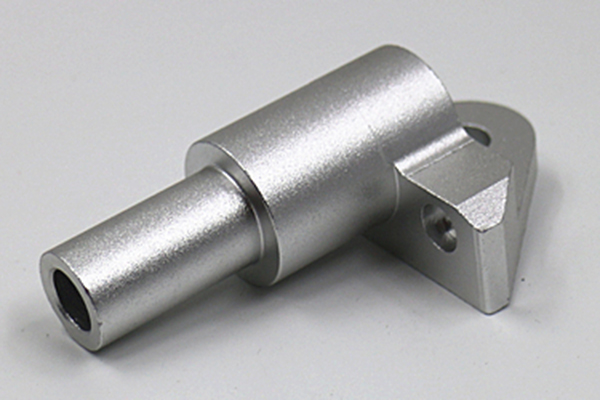
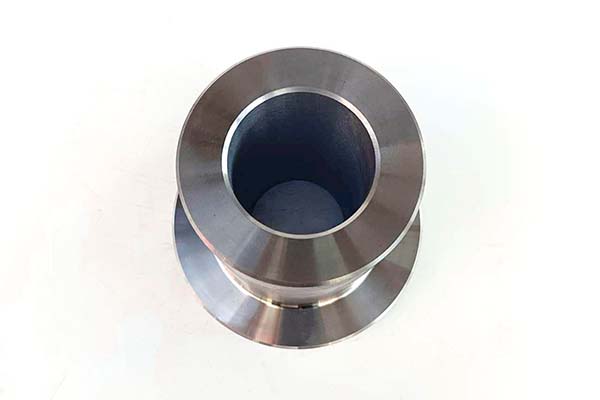
- CNC machining for precision metal and plastic parts
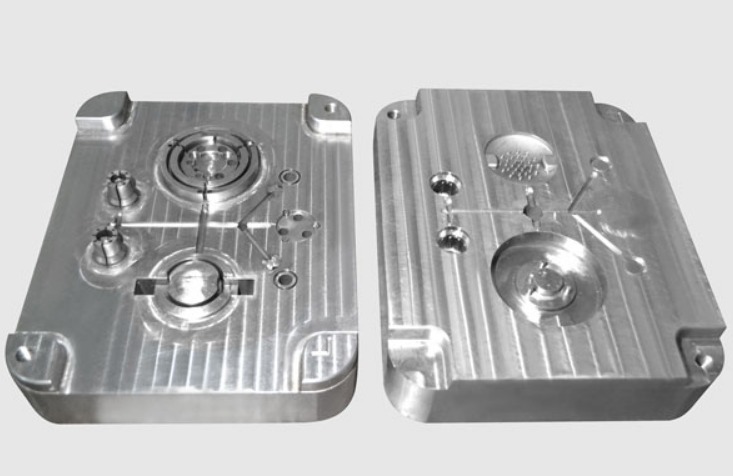
- Rapid tooling for injection-molded prototypes
- Agile development for software and electronics integration
We Facilitate Feedback
We help you gather user feedback early. We iterate based on what you learn. Each iteration brings you closer to a market-ready product.
A Real-World Example
A client developing a new medical diagnostic device came to us with a concept. Within two weeks, we delivered a functional prototype using SLA printing for the enclosure and integrated electronics for basic functionality.
Early testing with clinicians revealed ergonomic issues. We revised the design and delivered a second prototype in one week. After three iterations, the design was validated and ready for pilot production—all within two months.
Conclusion
Rapid prototype development is a powerful accelerator of innovation. It enables faster concept validation, early user feedback, iterative design improvements, and cross-functional collaboration. Real-world examples from startups and established companies demonstrate its effectiveness.
Compared to traditional development, it offers clear advantages in time-to-market, cost-effectiveness, and adaptability to change. As business landscapes evolve rapidly, companies that embrace rapid prototype development will be better positioned to bring innovative products to market quickly, meet customer needs, and gain a competitive edge.
Frequently Asked Questions
What are the main tools used in rapid prototype development?
Common tools include 3D printers for physical prototypes, digital design software like Adobe XD for UI/UX prototypes, programming languages like Python for software development, and agile project management tools like Jira for coordinating the development process.
Can rapid prototype development be used for large-scale enterprise projects?
Yes. While large-scale enterprise projects have complex requirements, the iterative and flexible nature of rapid prototype development helps validate ideas early, gather stakeholder feedback, and break the project into manageable parts—accelerating the overall development process.
How do I ensure the quality of a product developed through rapid prototype development?
Quality is ensured through thorough testing at each iteration—user testing for usability, technical testing for functionality and performance. Setting clear quality standards from the start and having a dedicated quality assurance team helps maintain final product quality.
What is the difference between rapid prototype development and agile development?
Rapid prototype development focuses on creating physical or digital models to validate concepts and gather feedback. Agile development is a broader software development methodology emphasizing iterative delivery, cross-functional teams, and responsiveness to change. They are complementary—rapid prototyping is often used within agile frameworks.
How many iterations are typical in rapid prototype development?
Most projects go through 3 to 5 iterations. Early iterations test core concepts and basic functionality. Later iterations refine user experience, performance, and manufacturability. The number depends on product complexity and how well initial assumptions match user needs.
Contact Yigu Technology for Custom Manufacturing
Ready to accelerate your innovation with rapid prototype development? Yigu Technology offers 3D printing, CNC machining, and rapid tooling services to turn your concepts into functional prototypes quickly. Our engineers provide DFM feedback and work with you through every iteration. Contact us today to discuss your project.