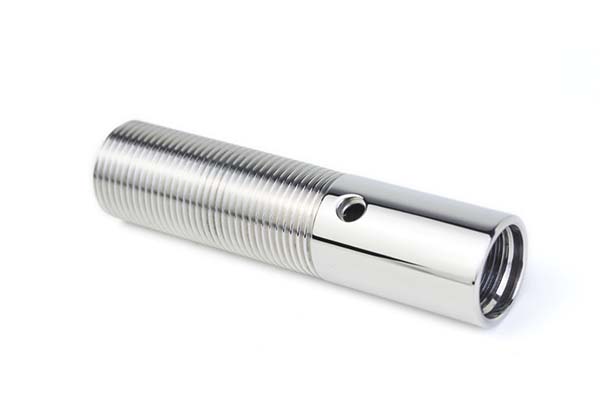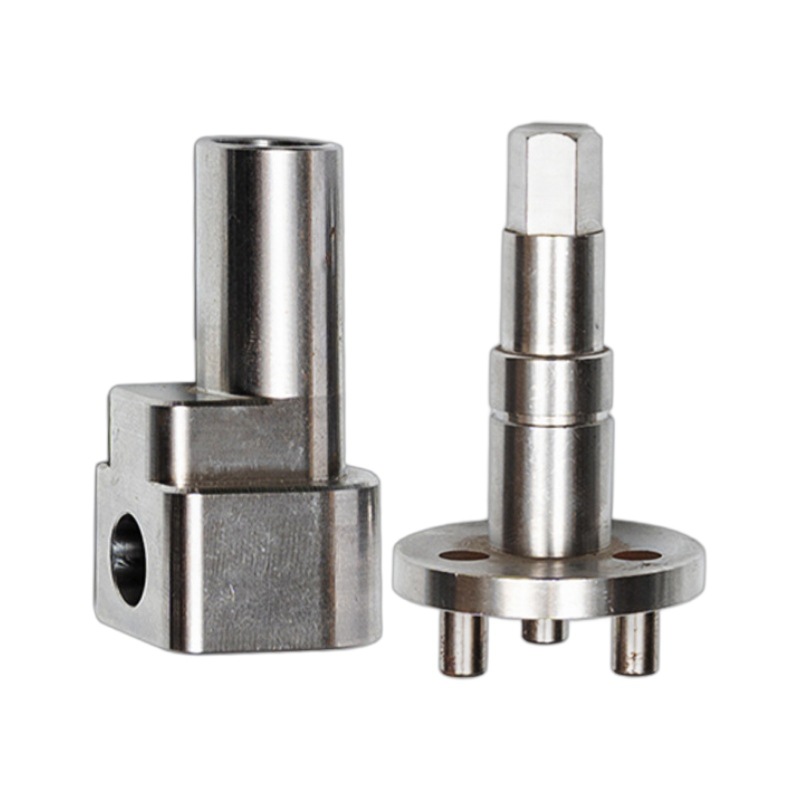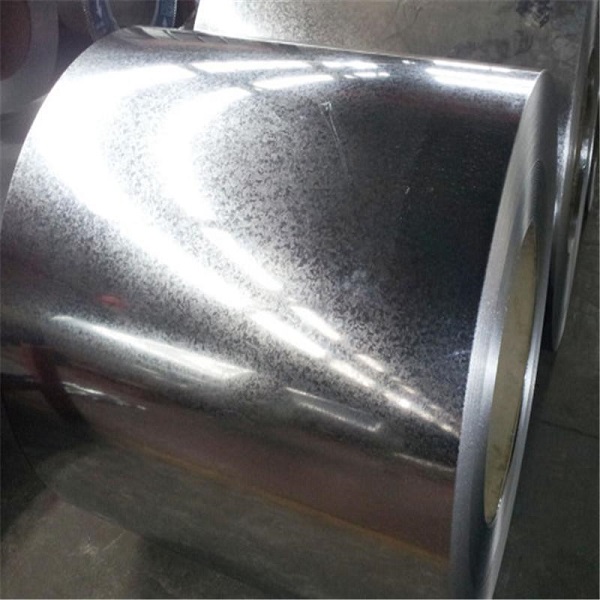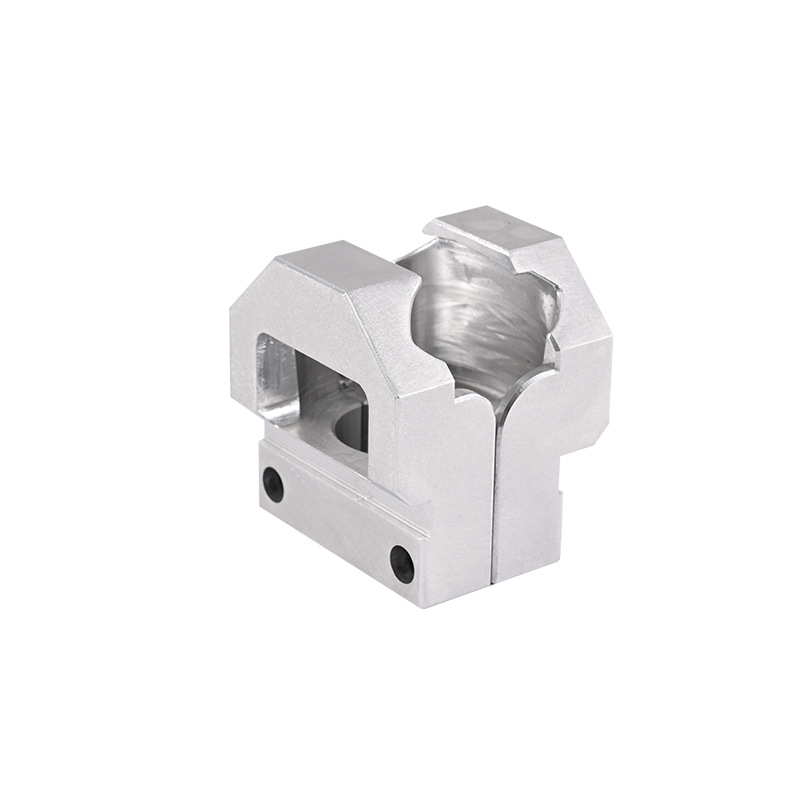
If you are designing a building or planning a renovation, you have likely encountered the term architectural metal fabrication. Simply put, it is the process of cutting, bending, shaping, and assembling metal to create custom building components. These range from decorative railings and facades to structural beams and columns. Unlike general metalwork, this discipline blends artistry with engineering to turn design concepts into durable, functional features.
How Does the Process Work?
From Design to Finished Product
Understanding the workflow helps you collaborate better with fabricators. While every project is unique, most follow a similar path.
Design and Engineering
The process starts with detailed planning. Fabricators work with architects to translate 2D or 3D designs into shop drawings. These include exact measurements and material specs. For example, when creating a hotel lobby staircase, a fabricator uses software like AutoCAD or SolidWorks to map every tread and support bracket. This ensures a perfect fit within the space.
Material Selection and Preparation
Once the design is finalized, the right metal is chosen and cut to size. Common cutting methods include laser cutting, which offers precision up to 0.1mm, and plasma cutting for thicker materials. A recent commercial project required 500 aluminum facade panels. The fabricator used laser cutting to achieve intricate patterns on each one, ensuring consistency across all pieces.
Forming and Bending
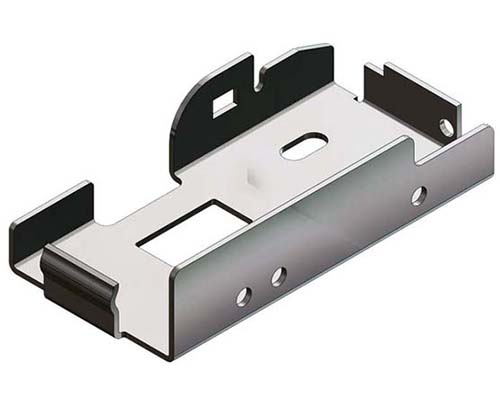
After cutting, the metal is shaped using tools like press brakes and rollers. To create curved railings for a residential balcony, a fabricator might use a roller to bend stainless steel tubes into smooth arcs. They check the curvature regularly with calipers to meet the design’s exact requirements.
Assembly and Welding
Individual components are joined using techniques like MIG or TIG welding. In a hospital project, stainless steel handrails had to be welded to wall mounts with zero gaps to meet hygiene standards. TIG welding was chosen for its clean, precise results that require minimal post-processing.
Finishing
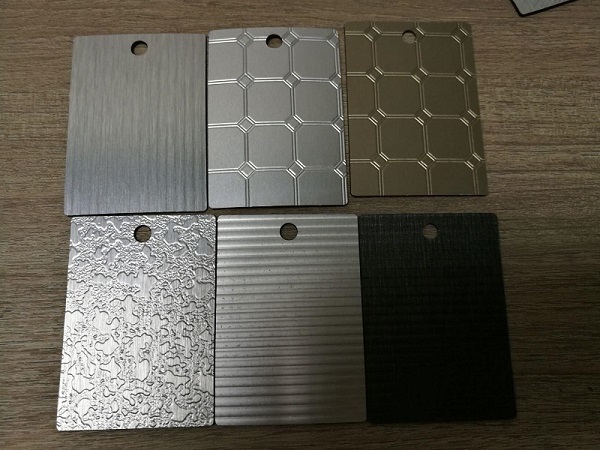
Finally, finishing enhances appearance and durability. Options include powder coating, anodizing, and polishing. A retail store’s metal displays were powder-coated in matte black to match the brand, while also gaining resistance to scratches and fading.
What Materials Are Used?
Choosing the Right Metal for the Job
Each material has unique properties. Selecting the right one is critical to your project’s success.
| Material | Key Properties | Common Applications |
|---|---|---|
| Stainless Steel | Corrosion-resistant, durable, sleek | Facades, railings, kitchen components |
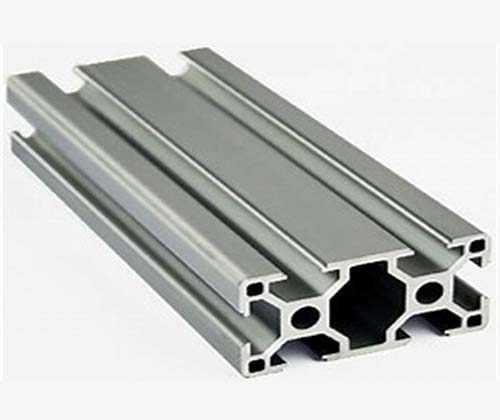
| Aluminum | Lightweight, malleable, corrosion-resistant | Window frames, curtain walls, cladding |
| Carbon Steel | Strong, cost-effective | Beams, columns, support frames |
| Copper/Bronze | Aesthetic appeal, natural patina | Roofs, domes, sculptures, details |
Stainless Steel
This is a top choice due to its durability and sleek look. It contains at least 10.5% chromium, which forms a protective layer against rust. Common grades include 304 for indoor use and 316 for harsh coastal environments. The Guggenheim Museum Bilbao features stainless steel panels that withstand rainy weather while creating a stunning visual effect.
Aluminum
Aluminum weighs about one-third as much as steel and is highly malleable. It resists corrosion, especially when anodized. The Burj Khalifa uses aluminum composite panels for its exterior. Their light weight reduces structural load, while their color options add to the tower’s iconic look. The Aluminum Association reports that aluminum use in construction has grown by 7% annually over the past decade.
Carbon Steel
Carbon steel is strong and cost-effective. It is used in 90% of commercial buildings in the U.S. for structural components, according to the American Institute of Steel Construction. However, it requires protective finishes like galvanizing to prevent rust.
Copper and Bronze
These metals are valued for their natural patina. Over time, copper develops a greenish layer that protects it from further corrosion. The Statue of Liberty is a famous example—its copper skin has become an iconic part of its appearance.
How Do You Choose the Right Fabricator?
Key Factors to Evaluate
Hiring the right partner can make or break your project. Use these criteria to vet potential fabricators.
Experience and Portfolio
Look for a proven track record in projects similar to yours. If you are building a modern home with custom staircases, choose a fabricator who has done that before. One firm we worked with had over 15 years of experience in high-end residential projects. Their portfolio included intricate railings and facades that matched our client’s style, giving us confidence in their abilities.
Technical Capabilities
Ensure the fabricator has the right equipment. This includes laser cutters, press brakes, and 3D modeling software. For a project involving curved aluminum panels, we selected a fabricator with a 5-axis laser cutter and a large-format press brake. This allowed them to create complex curves with consistent accuracy.
Quality Control Measures
Even small defects can compromise safety and appearance. Ask about their QC processes. Do they inspect materials upon delivery? Do they test welds? A reputable fabricator will have a documented system. One partner we use conducts ultrasonic testing on all welds and performs a final inspection of each component with photos and measurements.
Timeline and Communication
Clear communication keeps projects on schedule. Discuss your timeline upfront. Ask how they will update you—through regular reports or meetings. During a commercial project, our fabricator provided weekly progress reports and held biweekly meetings to address challenges quickly. This helped us stay on track.
What Trends Are Shaping the Industry?
Innovations You Should Know
Staying current helps you create future-proof buildings.
Sustainable Practices
Sustainability is a priority. Recycled aluminum uses 95% less energy than new production. Many fabricators optimize cutting patterns to reduce waste. A World Green Building Council study found that using recycled metals can cut a building’s carbon footprint by up to 30%.
Digital Fabrication and 3D Printing
3D printing allows for complex components that traditional methods cannot easily create. The Metropolitan Museum of Art recently used 3D-printed stainless steel brackets for a temporary exhibit. They were lightweight, strong, and produced quickly. Building Information Modeling (BIM) software also enables real-time collaboration, reducing errors and streamlining the process.
Minimalist and Custom Designs
Modern architecture favors clean lines and seamless components. Hidden fasteners and slim-profile railings enhance aesthetics without clutter. Customization is also rising. A luxury hotel in Los Angeles commissioned a metal facade with laser-cut patterns inspired by local flora. Each panel was unique, creating a signature feature.
Conclusion
Architectural metal fabrication is the bridge between creative design and functional construction. The process moves from detailed engineering and material selection to precise cutting, forming, welding, and finishing. Choosing the right metal—whether stainless steel, aluminum, carbon steel, or copper—ensures your project performs well and looks great. Partnering with an experienced fabricator who uses modern technology and strong quality control gives you confidence from start to finish.
FAQ
How long does an architectural metal fabrication project take?
Timelines vary. A small custom railing may take 2–4 weeks. A large commercial facade can take 3–6 months. Factors like material availability and design revisions also affect the schedule.
Is architectural metal fabrication expensive?
Cost depends on material, complexity, and size. Stainless steel and copper cost more than aluminum and carbon steel. Intricate designs also increase price. However, metal components are durable and require less maintenance over time, making them cost-effective in the long run.
Can architectural metal components be recycled?
Yes. Most metals used—aluminum, stainless steel, carbon steel, and copper—are highly recyclable. Recycling reduces waste and saves energy. Many fabricators use recycled materials and offer programs to reclaim old components.
How do I maintain architectural metal components?
Maintenance depends on the material. Stainless steel cleans easily with mild soap and water. Anodized aluminum requires regular cleaning to prevent dirt buildup. Painted carbon steel may need repainting every few years. Copper and bronze develop a natural patina that needs no maintenance.
Can architectural metal fabrication be used for both indoor and outdoor applications?
Yes. Stainless steel (especially grade 316) and aluminum are excellent outdoors due to corrosion resistance. Indoors, you can also use carbon steel with protective finishes and copper. The key is matching the material and finish to the environment.
Contact Yigu Technology for Custom Manufacturing
Bringing your architectural vision to life requires precision, expertise, and the right partner. At Yigu Technology, we specialize in custom metal fabrication for projects of all scales—from intricate railings to complex facade systems. Our team combines advanced equipment with rigorous quality control to deliver components that meet your exact specifications.
We invest in sustainable practices and digital tools to keep your project on track and within budget. Let us help you turn your designs into durable, beautiful reality.
Contact Yigu Technology today to discuss your architectural metal fabrication needs.