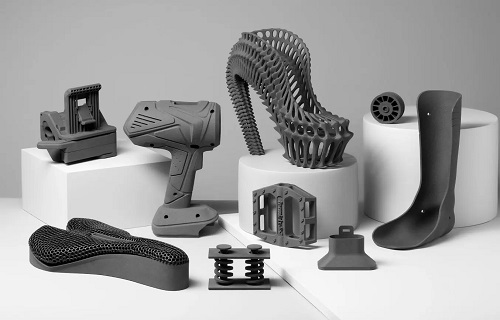
3D printing services are transforming industrial manufacturing by enabling complex designs, reducing costs, shortening development cycles, and enabling mass customization—fundamentally changing how products are made across aerospace, automotive, medical, and other industries.
Introduction: The Manufacturing Revolution
In the dynamic landscape of modern industrial manufacturing, 3D printing services have emerged as a revolutionary force. This technology—also known as additive manufacturing—is not merely an incremental improvement. It represents a fundamental shift in how products are designed, prototyped, and produced.
3D printing has the potential to disrupt multiple industries: aerospace, automotive, healthcare, and consumer goods. It introduces unprecedented levels of design freedom, production agility, and cost-effectiveness that traditional manufacturing cannot match.
As we explore how 3D printing is reinventing industrial manufacturing, we'll examine the technologies driving change, the benefits they deliver, and real-world examples of transformation in action.
What Is 3D Printing and How Does It Work?
What is the basic principle?
3D printing, or additive manufacturing, builds three-dimensional objects from digital models. Unlike traditional subtractive manufacturing—which removes material from a larger block—3D printing works on an additive principle: constructing objects layer by layer.
The process begins with a 3D model, created using computer-aided design (CAD) software or obtained through 3D scanning. Specialized software slices this digital model into numerous thin cross-sectional layers.
A 3D printer reads these sliced data and deposits materials—plastics, metals, ceramics, or even biological materials—layer upon layer, following each cross-section's precise pattern. As layers gradually build up, a three-dimensional object forms.
For example, in producing a simple plastic figurine, the printer starts from the bottom layer, depositing material in the shape defined by the first cross-section. It then moves up, creating the next layer on top of the previous one, until the figurine is complete.
This additive approach enables complex geometries impossible to achieve with traditional methods while significantly reducing material waste—using only the necessary amount of material.
What are the key 3D printing technologies?
Fused Deposition Modeling (FDM) : One of the most common and accessible technologies. A spool of thermoplastic filament (ABS, PLA) feeds into a heated extruder nozzle. The nozzle melts the filament and extrudes molten material in precise patterns onto a build platform. As material cools, it solidifies and bonds with previous layers.
- Advantages: Low cost, easy to use, wide material range
- Limitations: Lower resolution, visible layer lines, supports needed for overhangs
Stereolithography (SLA) : One of the first 3D printing technologies. A UV laser traces cross-sectional patterns onto liquid photopolymer resin, curing (hardening) it. After each layer, the build platform lowers slightly, and new resin spreads over the cured layer.
- Advantages: High resolution, very smooth surface finish, excellent detail
- Limitations: Higher cost, post-processing required (washing, curing)
Selective Laser Sintering (SLS) : A high-power laser sinters (fuses) powdered materials—nylon, metals, ceramics. Powder spreads evenly across the build platform. The laser scans cross-sectional patterns, heating and fusing powder particles together. Unsintered powder supports overhanging features.
- Advantages: No support structures needed, strong parts, wide material variety
- Limitations: Expensive equipment, rough surface finish, powder removal required
| Technology | Method | Strengths | Weaknesses | Typical Applications |
|---|---|---|---|---|
| FDM | Extruded thermoplastic filament | Low cost, easy, material variety | Lower resolution, layer lines | Prototypes, functional parts, large models |
| SLA | Laser-cured liquid resin | High detail, smooth finish | Higher cost, post-processing | Jewelry, dental, high-detail prototypes |
| SLS | Laser-sintered powder | Strong parts, no supports | Expensive, rough finish | Aerospace, automotive, tooling |
How Is 3D Printing Reinventing Industrial Manufacturing?
Design freedom expansion
3D printing has shattered design constraints imposed by traditional manufacturing. Processes like casting, forging, and machining limit complexity due to tool access, draft angles, and material removal requirements.
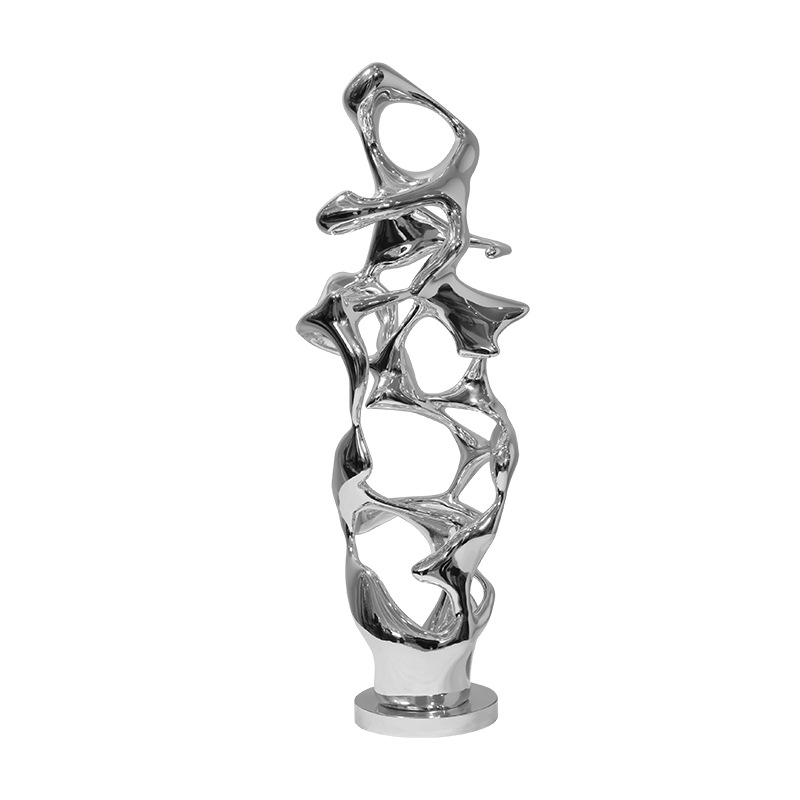
Lattice structures: 3D printing enables complex internal structures optimized for strength-to-weight ratios. Lattice designs significantly reduce component weight while maintaining or enhancing mechanical properties. In aerospace, every kilogram reduction leads to substantial fuel savings and improved performance.
Internal channels: Aircraft engine components can now include complex cooling channels precisely tailored to heat-dissipation requirements. These channels can have irregular shapes and optimized placement—nearly impossible with traditional techniques.
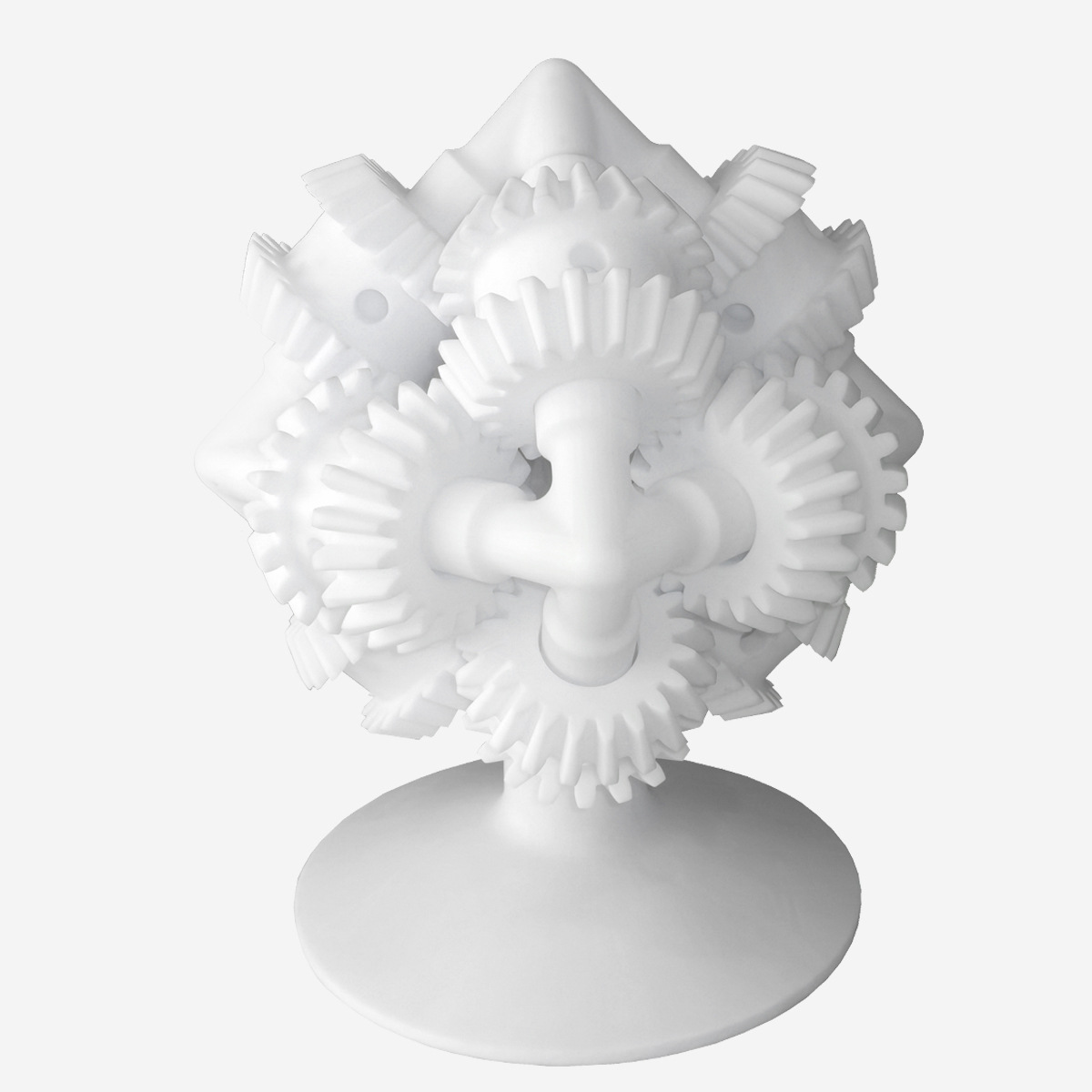
Consolidated assemblies: Multiple components that were previously manufactured separately and assembled can now be printed as single parts. This reduces assembly time, eliminates potential failure points, and improves reliability.
Example: GE Aviation's fuel nozzle was traditionally assembled from 20 separate components. With 3D printing, it's now produced as a single piece—25% lighter and five times more durable.
Cost-efficiency improvement
While initial equipment investment can be substantial, long-term cost-efficiency improvements are significant:
Material waste reduction: Traditional manufacturing often removes large amounts of material—machining can waste up to 90% of raw material. 3D printing is additive, using only the exact amount needed. Material utilization rates can exceed 90% in some cases. This reduces raw material costs and environmental impact.
Shorter R&D cycles: Developing new products traditionally requires expensive molds and prototypes, taking months. With 3D printing, companies quickly produce prototypes directly from digital models. Rapid iteration—changes made to digital models, new prototypes printed within days—accelerates development and reduces time-to-market.
On-demand production: Instead of producing large quantities in advance and storing them, companies print products as ordered. This eliminates large-scale warehousing and reduces overstocking or obsolescence risk. A medical device manufacturer can keep digital designs and print replacement parts only when needed.
| Cost Factor | Traditional Manufacturing | 3D Printing |
|---|---|---|
| Tooling/Molds | $5,000-$50,000+ per design | $0 |
| Material Waste | 30-90% | 5-15% |
| Prototype Time | Weeks to months | Days |
| Inventory | Large warehouses | Digital files |
| Per-Unit Cost (low volume) | Very high | Moderate |
Customization realization
3D printing has made personalized customization a reality in industrial manufacturing. In traditional mass production, customization is costly and time-consuming—requiring retooling or unique molds for each variant.
Medical implants: Hip and knee implants can be 3D-printed to precisely match a patient's unique bone structure. This improves fit and functionality, reduces complication risk, and enhances quality of life. Dental crowns and bridges are customized similarly.
Automotive interiors: Customers can choose shapes, colors, and textures for seats, dashboard elements, and interior parts. Luxury manufacturers use 3D printing to create personalized trim pieces, adding unique touches for each customer.
Prosthetics: Custom-fitted prosthetics improve comfort and functionality. By scanning a patient's residual limb, a perfectly matched prosthetic can be designed and printed—often in days instead of weeks.
Supply chain transformation
3D printing enables distributed manufacturing, transforming traditional supply chains:
Traditional supply chain: Raw materials sourced from various locations, transported to manufacturing plants, processed into components, assembled into finished products, distributed globally. Long-distance transportation and multiple stages incur high costs and create vulnerability to disruptions.
Distributed manufacturing: Digital design files sent directly to local 3D printing facilities. Products printed on-site, near customers. A company can maintain a network of 3D printing service providers in different regions. When orders received, designs sent to nearest facility for printing and delivery.
Spare parts revolution: Instead of stocking large spare parts inventories worldwide, companies store digital designs. When a spare part is needed, it's printed on-demand. This reduces inventory holding costs and delivery time. An aircraft maintenance company can quickly produce spare parts, minimizing aircraft downtime.
This distributed model reduces costs and enhances supply chain resilience and agility—better able to respond to changing market demands and unforeseen disruptions.
What Do Real-World Applications Look Like?
Aerospace and defense
NASA has used 3D printing for rocket engine components like fuel nozzles. These nozzles feature complex internal geometries with intricate channels for fuel flow—crucial for optimizing engine performance. Traditional methods struggle to create such designs; 3D printing produces them cost-effectively and efficiently.
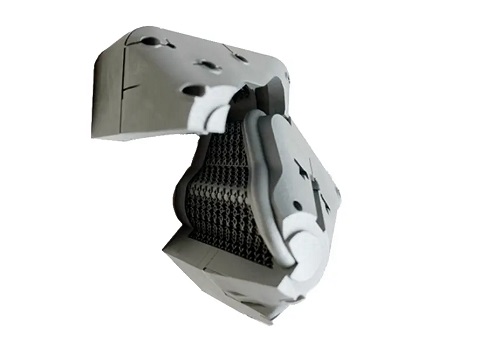
Boeing manufactures wing brackets and structural parts using 3D printing. Lattice structures achieve significant weight reduction while maintaining structural integrity. This improves aircraft fuel efficiency and reduces long-term maintenance costs.
Defense applications: On-demand production of spare parts for military operations. In remote areas, the ability to quickly print replacement parts on-site reduces equipment downtime and improves operational readiness.
Automotive
Volkswagen uses 3D printing for customized engine parts. These parts meet specific performance requirements—improving fuel efficiency or increasing power output. Rapid prototyping allows faster development cycles. Engineers quickly test design iterations, make adjustments, and print new prototypes.
Chassis components: High-end manufacturers explore 3D-printed carbon-fiber-reinforced parts for chassis construction. Unique shapes optimize strength and rigidity while minimizing weight. This enhances vehicle handling, speed, and fuel economy.
Custom interiors: Customers can have seats, dashboard trims, and center consoles 3D-printed to exact preferences—ergonomic, aesthetic, or lifestyle matching.
Medical and biotech
Custom prosthetics: Companies like Miracare create maxillofacial prostheses for patients with accidents, cancer, or congenital anomalies. Detailed facial images captured, accurate prosthetics designed in CAD, then 3D-printed with advanced techniques. The result precisely matches patient skin color and texture—more comfortable and natural-looking than traditional options.
Implants: 3D-printed PEEK (polyetheretherketone) cranial plates have excellent biocompatibility and can be customized to fit damaged skull areas precisely. This reduces surgery time and postoperative complications.
Drug delivery systems: Scientists develop complex, patient-specific drug delivery devices using 3D printing. These devices release drugs at controlled rates, targeting specific body areas more effectively.
Tissue engineering: 3D-printed bio-scaffolds support cell and tissue growth. Customized to mimic natural extracellular matrix of different tissues, promoting regeneration and repair.
Construction and architecture
Dubai's 3D-printed office building demonstrated large-scale construction potential. A large-scale 3D printer deposited layers of special concrete-like material, creating complex architectural features difficult and costly with traditional methods.
Labor cost reduction: Much of construction automated through 3D printing, requiring fewer on-site workers.
Time reduction: A small 3D-printed house can be constructed in days, compared to weeks or months traditionally.
Architectural innovation: Unique building facades with intricate patterns, curved structures, and customized details become feasible. These enhance aesthetic appeal while potentially improving functionality—better natural lighting or insulation.
Yigu Technology's View
As a non-standard plastic and metal products custom supplier, Yigu Technology sees 3D printing as a transformative force in industrial manufacturing. The technology's ability to create complex geometries, reduce waste, and enable customization aligns perfectly with our mission to deliver tailored solutions to clients.
In our experience, 3D printing excels for:
- Low-volume production where tooling costs would be prohibitive
- Complex designs impossible to machine or mold
- Rapid iterations during product development
- Custom parts requiring personalization
However, we also recognize limitations. Material options, while expanding, still don't match the full range of traditional manufacturing. Quality consistency requires careful process control. For very high volumes, traditional methods remain more economical.
The future, we believe, lies in hybrid approaches—combining 3D printing's design freedom with traditional manufacturing's efficiency and material options. As technology advances, the boundaries between additive and subtractive manufacturing will blur, creating new possibilities we're only beginning to explore.
Conclusion
3D printing services are fundamentally reinventing industrial manufacturing. The technology has expanded design freedom, improved cost-efficiency, realized customization, and transformed supply chains.
Key takeaways:
- 3D printing builds objects layer by layer from digital models—enabling geometries impossible with traditional methods
- FDM offers accessibility, SLA provides detail, SLS delivers strength
- Design freedom enables lattice structures, internal channels, and consolidated assemblies
- Cost benefits include reduced waste, shorter R&D cycles, and on-demand production
- Customization becomes economical—from medical implants to automotive interiors
- Distributed manufacturing transforms supply chains, reducing inventory and improving resilience
- Real-world applications span aerospace, automotive, medical, and construction industries
As technology continues advancing—faster printers, better materials, lower costs—3D printing's role in industrial manufacturing will only grow. The question isn't whether additive manufacturing will transform industry, but how quickly and completely.
FAQ
Q1: What are the main advantages of 3D printing over traditional manufacturing?
A: Key advantages include design freedom (complex geometries impossible to machine), reduced material waste (additive vs. subtractive), faster prototyping (days vs. weeks), no tooling costs (ideal for small batches), and mass customization (each part can be unique without extra cost).
Q2: Is 3D printing cost-effective for mass production?
A: For very high volumes (10,000+ units), traditional methods like injection molding remain more economical. However, for small-batch production (under 1,000 units), complex parts, or highly customized products, 3D printing is often more cost-effective due to zero tooling costs and reduced waste.
Q3: What industries benefit most from 3D printing?
A: Aerospace benefits from lightweight, complex components. Medical benefits from customized implants and prosthetics. Automotive benefits from rapid prototyping and custom parts. Consumer goods benefit from personalization. Tooling benefits from complex jigs and fixtures.
Q4: How does 3D printing reduce material waste?
A: Traditional subtractive manufacturing removes material from larger blocks, wasting 30-90% of raw material. 3D printing is additive—it deposits material only where needed, achieving 85-95% material utilization. Unused powder in SLS can often be recycled.
Q5: Can 3D printing produce functional end-use parts?
A: Yes. With appropriate materials (engineering plastics, metals) and technologies (SLS, DMLS, MJF), 3D-printed parts can be used as end-use components in aerospace, automotive, medical, and industrial applications. Mechanical properties often match or exceed traditionally manufactured parts.
Q6: How does 3D printing enable supply chain transformation?
A: 3D printing enables distributed manufacturing—digital files sent to local printers instead of shipping physical products. This reduces transportation costs, inventory requirements, and lead times. Spare parts can be printed on-demand, eliminating warehouses full of slow-moving inventory.
Q7: What are the limitations of 3D printing in industrial manufacturing?
A: Current limitations include slower production speeds for high volumes, limited material options compared to traditional manufacturing, higher per-unit costs at scale, need for post-processing in some technologies, and quality consistency challenges requiring careful process control.
Contact Yigu Technology for Custom Manufacturing
Ready to leverage 3D printing services for your industrial manufacturing needs? At Yigu Technology, we combine deep expertise with state-of-the-art additive manufacturing capabilities. Whether you need complex aerospace components, custom medical devices, automotive parts, or specialized tooling, our team delivers precision results tailored to your specifications. Contact us today for a consultation—let's reinvent your manufacturing together.