For decades, manufacturing followed a predictable path. You made a mold. You machined a block. You cut away material until the part remained. Then came 3D printing—a technology that builds parts layer by layer instead of cutting them away. Today, innovative 3D printing solutions are moving beyond prototypes into production. They are reducing lead times, enabling complex geometries, and changing how companies think about manufacturing. This guide explores how these solutions work, where they deliver value, and whether they can truly replace traditional methods.
How Does 3D Printing Differ from Traditional Manufacturing?
The fundamental difference lies in how material is handled.
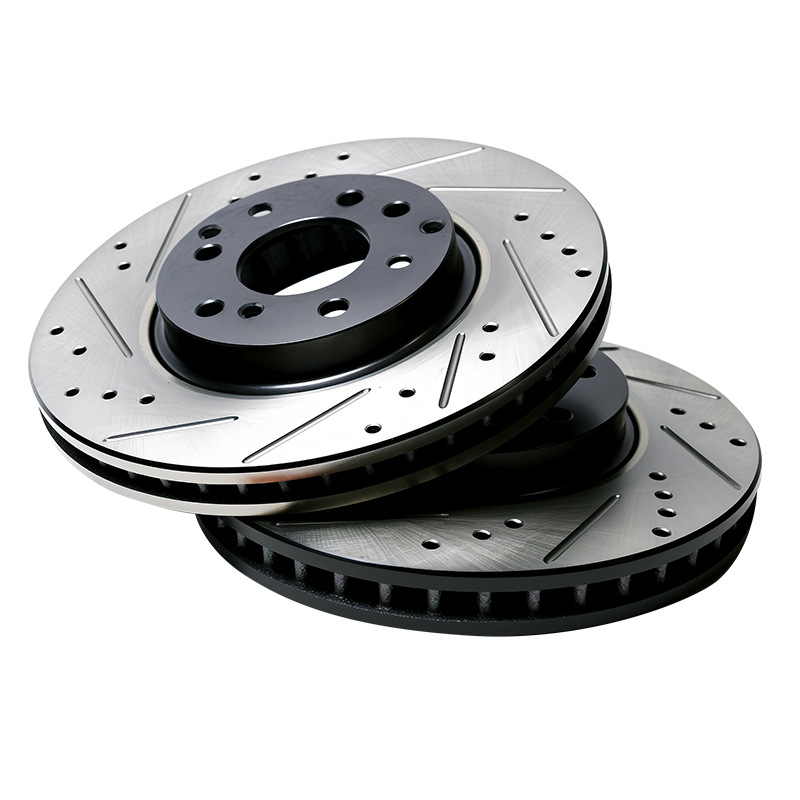
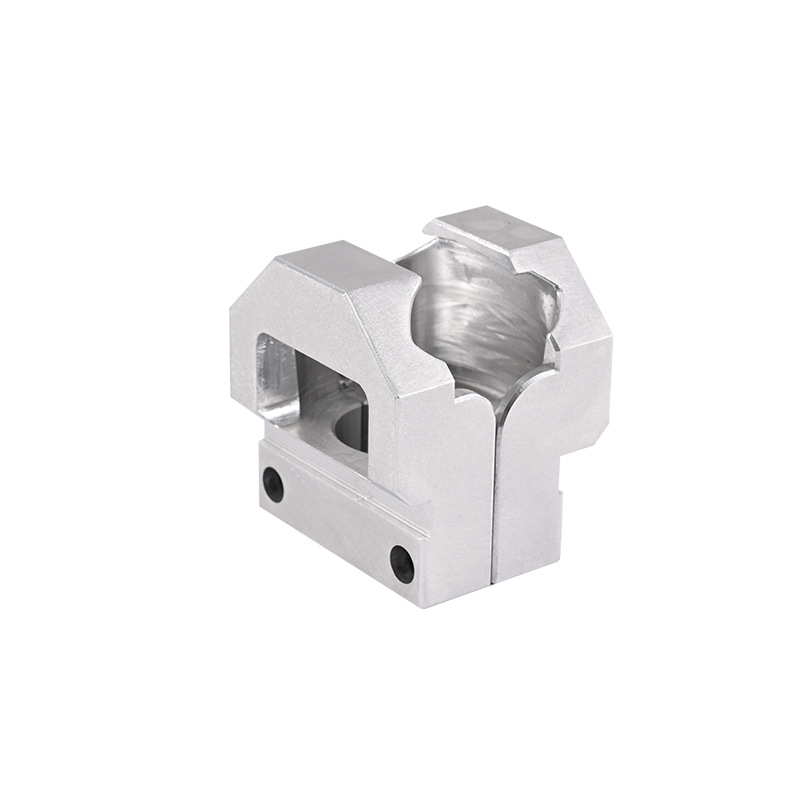
Traditional manufacturing is often subtractive. You start with a solid block of metal or plastic. You cut, drill, and mill away material until only the desired shape remains. This approach wastes material. It also limits design complexity because tools must access the cutting surfaces.
3D printing, or additive manufacturing, reverses this. You start with nothing. You add material only where needed. Each layer bonds to the one below. The result is minimal waste and the ability to create shapes that tools cannot reach.
| Aspect | 3D Printing | Traditional Manufacturing |
|---|---|---|
| Material Waste | Low—material added only where needed | High—up to 90% waste in some machined parts |
| Design Complexity | High—internal channels, lattices, organic shapes | Limited by tool access and machining constraints |
| Tooling | None required for each design | Expensive molds, dies, and fixtures needed |
| Production Volume | Cost-effective for low to medium volumes | Most cost-effective at high volumes |
Data point: A 2024 industry report found that 65% of manufacturers now use 3D printing for production parts, not just prototypes. This marks a shift from experimentation to adoption.
What Makes a 3D Printing Solution "Innovative"?
Not all 3D printing is the same. Innovative solutions go beyond basic desktop printers. They combine advanced materials, faster machines, and smarter software.
Advanced Materials
Early 3D printing used basic plastics. Today, manufacturers print with:
- High-temperature metals: Titanium, Inconel, tool steel
- Engineering polymers: PEEK, PEKK, carbon fiber composites
- Ceramics and composites: For specialized applications
Faster Printing Technologies
New machines print faster without sacrificing quality.
- Multi-laser systems: Several lasers working simultaneously
- Large-format printers: Build volumes measured in meters, not centimeters
- Continuous printing: Some systems print without stopping between layers
Intelligent Software
Software now optimizes designs specifically for additive manufacturing.
- Topology optimization: Algorithms remove material where not needed
- Support generation: Automated placement reduces post-processing
- Process simulation: Predicts warping and stress before printing
Where Are These Solutions Being Used?
Innovative 3D printing has moved into industries where performance and complexity matter more than volume.
Healthcare
The medical field was an early adopter. Custom implants now match patient anatomy exactly. A titanium hip implant printed for one patient fits better than any off-the-shelf option.
Surgical guides printed from CT scans help surgeons place incisions precisely. A 2022 study found that using 3D printed surgical guides reduced operation time by 20–30% in complex orthopedic procedures.
Dental applications are now standard. Crowns, bridges, and aligners print in hours instead of weeks. Over 5 million aligners are printed annually in the US alone.
Real example: A hospital needed a custom cranial implant for a patient with a rare skull defect. Traditional manufacturing quoted 6 weeks and $18,000. A 3D printed titanium implant delivered in 10 days at $7,500.
Aerospace
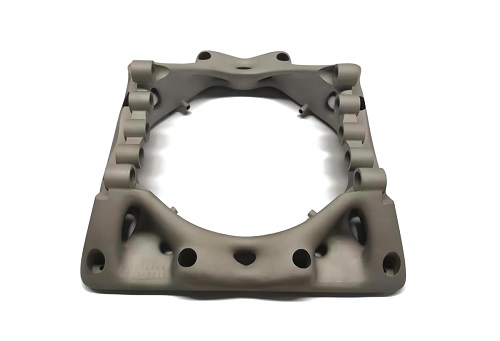
Weight equals fuel cost in aviation. Every kilogram saved reduces lifetime operating expenses. Aerospace manufacturers use 3D printing to create lightweight brackets, ducting, and engine components.
Internal cooling channels in turbine blades improve efficiency. These channels are impossible to machine but print easily. Airbus now uses over 1,000 3D printed parts per aircraft in some models.
Automotive
Car makers use 3D printing for rapid prototyping and low-volume production. A new intake manifold can go from CAD to test in days instead of months.
For custom and limited-edition vehicles, 3D printing enables parts that would be too expensive to tool traditionally. Luxury brands offer printed interior components tailored to individual buyers.
Industrial Tooling
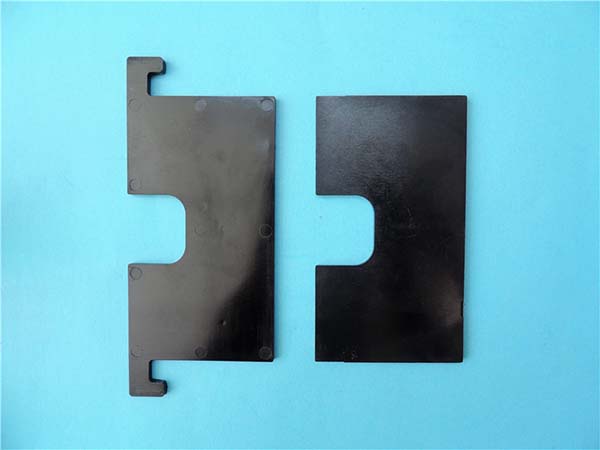
One of the fastest-growing applications is tooling. 3D printed jigs, fixtures, and end-of-arm tooling cost less and deliver faster than machined alternatives. A factory can print custom assembly guides overnight instead of waiting weeks for machined tooling.
Real example: A manufacturing plant needed 15 custom assembly fixtures for a new product line. Traditional machining quoted $12,000 and 4 weeks. 3D printing delivered all 15 fixtures in 5 days for $3,200.
What Advantages Do These Solutions Offer?
The benefits go beyond just making things faster. They change how companies design and produce.
Design Freedom
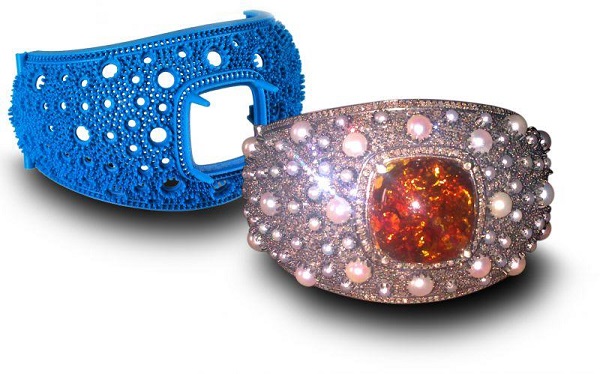
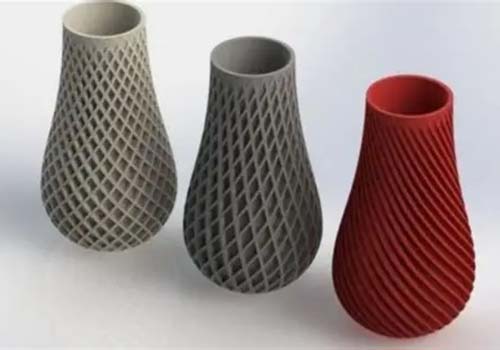
Complex geometries become free. Internal lattices, conformal cooling channels, and organic shapes are as easy to print as simple cubes. This freedom allows engineers to optimize for performance, not just manufacturability.
Reduced Lead Times
A machined part might take 4–6 weeks. A 3D printed part takes days. This speed allows design iterations that would be impossible with traditional tooling.
Lower Costs for Low Volumes
Traditional manufacturing relies on economies of scale. The first part costs the most because of tooling. With 3D printing, the first part costs the same as the hundredth. This makes small batches economical.
Supply Chain Simplification
Instead of stocking spare parts for years, companies print them on demand. One aerospace supplier reduced spare parts inventory by 40% by switching to digital inventory and on-demand printing.
Material Efficiency
Traditional machining can waste 80–90% of the original material. 3D printing wastes 5–15%. For expensive materials like titanium, this difference is significant.
What Are the Current Limitations?
No technology solves every problem. Understanding the limits helps you choose wisely.
Production Speed for High Volumes
For millions of parts, injection molding remains faster. A molded part cycles in seconds. A printed part takes hours. The break-even point varies, but for volumes above 10,000–50,000 parts, traditional methods usually win.
Material Range
While the range grows, not every material is printable. Some alloys, composites, and ceramics still lack reliable printing processes. Properties of printed materials can differ from wrought or cast equivalents.
Part Size
Most industrial printers have build volumes under 500 x 500 x 500 mm. Larger parts require joining multiple prints or moving to specialized large-format printers that cost significantly more.
Certification
For critical applications like aerospace and medical, certification adds time and cost. Printed parts must undergo testing to prove they meet the same standards as traditionally manufactured components.
What Does the Future Hold?
The trajectory is clear. 3D printing will not replace all manufacturing, but it will take a larger share.
Hybrid Manufacturing
The future is not all additive or all subtractive. Hybrid machines combine printing and machining in one setup. Print near-net shape, then machine critical surfaces to final tolerance.
Distributed Production
Instead of central factories, companies will print parts at the point of use. A warehouse prints spare parts on demand. A remote site prints replacement components without shipping.
New Materials
Material science will expand printable options. High-temperature polymers, metal-ceramic composites, and biocompatible materials will open new applications.
AI-Driven Design
Software will increasingly generate designs optimized for additive manufacturing. Engineers will define performance requirements, and AI will generate the geometry—often shapes no human would conceive.
Yigu Technology's Perspective
As a custom manufacturer of non-standard plastic and metal products, Yigu Technology views innovative 3D printing solutions as essential tools. They complement our traditional capabilities.
We use 3D printing for:
- Rapid prototypes: Clients see physical parts in days, not weeks
- Complex geometries: Parts that cannot be machined become feasible
- Low-volume production: Economical runs of 50–500 parts
- Tooling: Custom fixtures and assembly aids printed on demand
However, we also rely on CNC machining, injection molding, and casting where they make sense. The goal is always to match the technology to the requirement—not to force one method onto every project.
In our experience, the most successful projects use a hybrid approach. Print complex features. Machine critical surfaces. Combine additive and subtractive to get the best of both.
Conclusion
Innovative 3D printing solutions are changing manufacturing. They offer design freedom, reduced lead times, and cost-effective low-volume production. Aerospace, medical, automotive, and industrial tooling applications are already proving the value.
But 3D printing is not a universal replacement. For high volumes, traditional methods remain more efficient. For certain materials and large parts, machining still leads. The future lies in hybrid manufacturing—using each method where it excels.
Companies that understand both additive and subtractive processes will have the most flexibility. They will choose the right tool for each job, reducing costs and lead times while expanding what is possible to make.
FAQ
What is the difference between additive and subtractive manufacturing?
Additive manufacturing builds parts layer by layer, adding material only where needed. Subtractive manufacturing starts with a solid block and removes material. Additive creates less waste and enables complex geometries. Subtractive often achieves better surface finish and tighter tolerances on critical surfaces.
Can 3D printing replace traditional manufacturing?
For some applications, yes. For many, no. 3D printing excels at complex geometries, low volumes, and rapid iteration. Traditional manufacturing remains more cost-effective for high volumes and certain materials. The best approach often combines both.
What industries use 3D printing for production?
Aerospace, medical, automotive, industrial tooling, and consumer goods all use 3D printing for production parts—not just prototypes. Dental aligners, surgical guides, aircraft brackets, and custom implants are common examples.
How much does industrial 3D printing cost?
Costs vary widely. A small metal part may cost $50–$200. A large, complex metal component can exceed $5,000. Factors include material, machine time, post-processing, and volume. For low-volume production, 3D printing often costs less than traditional methods due to zero tooling costs.
What materials can be used in advanced 3D printing?
Advanced 3D printing uses metals (titanium, aluminum, Inconel, tool steel), engineering polymers (PEEK, PEKK, nylon composites), ceramics, and multi-material combinations. Material selection depends on mechanical requirements, temperature exposure, and application.
Contact Yigu Technology for Custom Manufacturing
Yigu Technology specializes in non-standard plastic and metal custom manufacturing. We combine innovative 3D printing solutions with traditional CNC machining, injection molding, and casting to deliver the right outcome for your project. Whether you need rapid prototypes, complex geometries, or low-volume production, our engineering team helps you select the most effective manufacturing path. Contact us today to discuss your next project.