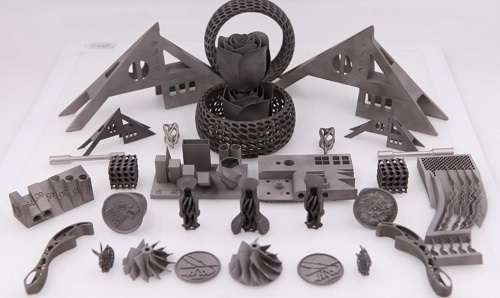
Additive manufacturing is transforming medicine through customized implants, surgical planning models, patient-specific instruments, and even experimental tissue printing—enabling personalized treatments that were impossible just a decade ago.
Introduction: A New Era in Medicine
Imagine a patient with a complex bone defect receiving an implant that fits perfectly—not a standard size from inventory, but one designed specifically for their unique anatomy. Imagine surgeons practicing a delicate procedure on a 3D-printed model of the actual patient's skull before stepping into the operating room. Imagine a future where replacement organs are printed from a patient's own cells, eliminating transplant waiting lists.
This isn't science fiction. It's additive manufacturing in medicine—and it's happening now.
3D printing has emerged as one of the most transformative technologies in healthcare. From customized implants that integrate better with natural bone to surgical models that improve outcomes and reduce operating times, additive manufacturing is revolutionizing patient care.
This guide explores how this technology works, its current applications, the benefits it delivers, and what the future holds for 3D printing in the medical field.
What Is Additive Manufacturing in the Medical Field?
How does it work?
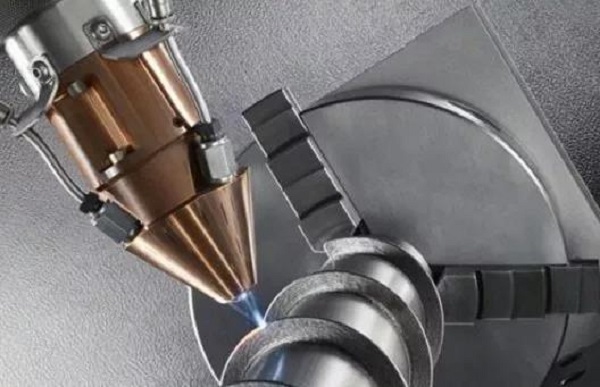
Additive manufacturing in medicine—commonly called 3D printing—creates three-dimensional objects by adding material layer by layer, based on a digital model.
The process begins with a digital design. This can be created using computer-aided design (CAD) software or obtained from medical imaging techniques like computed tomography (CT) scans or magnetic resonance imaging (MRI) .
Specialized software slices this digital model into thin layers. The 3D printer reads these sliced images and deposits material—layer by layer—following each layer's precise pattern until the final object forms.
For example, in creating a custom orthopedic implant:
- The patient's bone structure is scanned (CT/MRI)
- A highly accurate digital model is created
- The 3D printer builds the implant layer by layer
- Biocompatible materials like titanium alloys or medical-grade polymers are used
- The finished implant precisely matches the patient's anatomy
How is it different from traditional manufacturing?
Traditional manufacturing methods fall into two categories:
- Subtractive manufacturing: Machining, milling—removing material from a larger block
- Formative manufacturing: Casting, forging—shaping material using molds and dies
Both have significant limitations compared to additive manufacturing:
| Comparison | Traditional Manufacturing | Additive Manufacturing |
|---|---|---|
| Design Freedom | Limited by tools and molds. Complex designs difficult and costly. | Highly complex and customized designs possible. Lattice structures for tissue integration easily achieved. |
| Customization | Time-consuming and expensive. New molds or tooling for each variation. | Ideal for personalized medicine. Patient-specific devices quickly and cost-effectively produced. |
| Material Waste | Subtractive methods waste significant material. | Material-efficient—adds only what's needed. Reduces waste, especially for expensive biocompatible materials. |
| Production Time (Small Batches) | Long lead times due to mold/tooling setup. | Shortened production time for small batches or one-off products. Emergency splints or surgical guides printed in hours. |
What Are the Key Applications in Medicine?
Customized implants
One of the most significant applications is customized implants. Every patient's anatomy is unique. Traditional off-the-shelf implants often cannot provide the best fit—especially for complex cases.
Orthopedic implants: For complex bone fractures or defects, standard implants may leave gaps or misalign. With additive manufacturing, implants are tailored to the patient's specific anatomy.
A study by [research institution] found that customized 3D-printed titanium orthopedic implants showed a 30% higher success rate in long-term fixation compared to standard implants. Why? Because they precisely match the irregular shape of damaged bone, promoting better osseointegration—the process of bone growing into the implant.
Dental applications: 3D printing transforms dental implants and crowns. A printed dental crown fits perfectly with remaining tooth structure, improving aesthetics and functionality. According to the American Dental Association, over 20% of dental clinics in the United States now use 3D-printed dental restorations—a number expected to grow significantly.
Cranial implants: Patients with skull defects from trauma or surgery receive implants precisely matching the missing portion. These restore both protection and appearance.
Tissue and organ printing
Tissue and organ printing represents one of the most exciting—and challenging—areas of medical 3D printing.
Current progress: Scientists have successfully printed various tissues:
- Liver tissue constructs with functional properties
- Tendon-like structures with mechanical properties similar to natural tendons
- Corneal tissue for potential eye repairs
- Skin grafts for burn victims
A recent study in Nature Biotechnology demonstrated successful 3D printing of a functional liver tissue construct. While full-scale, fully functional organs remain experimental, these advances hold tremendous promise.
Future potential: The ability to print patient-specific organs could solve the organ shortage crisis. Imagine a patient needing a liver—instead of waiting years on a transplant list, doctors could biopsy cells, grow them, and print a new organ matched exactly to the patient's immune system.
Tendon repair: Researchers have created tendon-like structures showing similar mechanical properties to natural tendons. These could eventually be used for repairing sports injuries and traumatic tears.
Surgical tools and models
Surgical planning models: 3D-printed models based on patient anatomy allow surgeons to plan complex procedures more effectively.
For craniofacial surgeries, a printed model of the patient's skull helps surgeons:
- Visualize the operation site
- Practice the procedure beforehand
- Anticipate challenges
- Determine optimal approaches
Studies show this reduces operation time by an average of 20% —less time under anesthesia means better outcomes and faster recovery.
Custom surgical instruments: Tools can be designed to:
- Fit the surgeon's hand perfectly
- Perform very specific functions
- Access difficult anatomical areas
- Improve precision and safety
For example, a 3D-printed retractor shaped to access a particular anatomical area improves visibility and reduces tissue damage.
Prosthetics
Custom prosthetics benefit enormously from additive manufacturing. Traditional prosthetics require extensive manual fitting and adjustment. With 3D printing:
- Patients are scanned to capture exact limb geometry
- Prosthetic sockets are designed for perfect fit
- Multiple iterations can be produced quickly
- Adjustments made based on feedback
- Final prosthetic printed in biocompatible materials
This process delivers more comfortable, functional prosthetics in less time—often at lower cost.
Medical education
Anatomical models for teaching: Medical students can study 3D-printed models of specific conditions—rare anomalies, complex fractures, tumor presentations—that cadaver specimens may not provide.
Surgical training: Residents practice on models that accurately replicate tissue properties, building skills before operating on patients.
What Benefits Does Additive Manufacturing Deliver?
Personalization
Every patient is unique. Traditional medicine forces patients to fit standard devices. Additive manufacturing tailors the device to the patient.
This personalization improves:
- Fit and comfort: Devices that match anatomy
- Functionality: Optimized for individual needs
- Outcomes: Better integration, faster recovery
- Patient satisfaction: Less compromise, more confidence
Complex geometries
Additive manufacturing creates structures impossible with traditional methods:
- Lattice structures that promote bone ingrowth
- Internal channels for medication delivery
- Organic shapes matching natural anatomy
- Porous surfaces improving tissue integration
These geometries enhance implant performance in ways previously impossible.
Speed
In emergency situations, speed matters. A customized splint or surgical guide can be printed within hours instead of waiting days or weeks for traditional fabrication.
For planned procedures, rapid production means:
- Shorter lead times
- Faster surgical scheduling
- Quicker patient recovery
- Reduced hospital stays
Material efficiency
Traditional machining of medical implants from solid blocks can waste 80-90% of expensive biocompatible materials. Titanium and medical-grade polymers don't come cheap.
Additive manufacturing uses only the material needed—often achieving 85-95% utilization. This reduces:
- Material costs
- Environmental impact
- Energy consumption
- Waste disposal
Reduced inventory
Hospitals and suppliers traditionally stock large inventories of implants in every possible size. Many sizes rarely get used but must be available.
With additive manufacturing, hospitals maintain digital inventories instead of physical ones. When an implant is needed, it's printed on-demand—exactly the right size, no waste, no storage costs.
What Challenges Must Be Overcome?
Regulatory approval
Medical devices require rigorous testing and approval. The FDA has established guidelines for 3D-printed medical devices, covering:
- Material biocompatibility
- Device performance
- Sterility
- Manufacturing consistency
Manufacturers must demonstrate their processes produce consistent, safe, effective devices—challenging for custom, one-off products.
Material limitations
While material options expand, they still don't match the full range of traditional medical materials. Challenges include:
- Limited biocompatible materials for printing
- Material property variations between batches
- Need for specialized storage and handling
- Higher costs than conventional materials
Quality assurance
Ensuring every printed part meets specifications requires:
- Pre-production checks: Digital model verification
- In-process monitoring: Detecting anomalies during printing
- Post-production inspection: Non-destructive testing for internal defects
- Sterilization validation: Ensuring printed parts can be properly sterilized
Cost considerations
Equipment costs remain high—industrial-grade medical printers can cost hundreds of thousands of dollars. Materials are expensive. Training and validation add costs.
However, for customized applications, the cost-benefit analysis often favors additive manufacturing when considering improved outcomes, reduced complications, and faster recovery.
Scalability
Printing a single custom implant works well. Printing thousands for mass production presents challenges:
- Speed limitations
- Quality consistency across many parts
- Process validation
- Regulatory compliance at scale
What Does the Future Hold?
Advanced materials
Researchers are developing new biocompatible materials specifically designed for 3D printing:
- Polymers with enhanced strength and flexibility
- Metal alloys optimized for printing and osseointegration
- Composite materials combining multiple properties
- Bio-inks containing living cells for tissue printing
Multi-material printing
Future printers will simultaneously deposit multiple materials—creating implants with:
- Rigid structural portions
- Flexible interfaces with tissue
- Gradual property transitions
- Integrated sensors or drug delivery
Bioprinting advances
Tissue printing advances toward clinical reality:
- Vascularized tissues with blood vessel networks
- Organ patches for repairing damaged hearts or livers
- Mini-organs for drug testing
- Eventually—transplantable organs
Point-of-care manufacturing
Hospitals may eventually have their own 3D printing facilities—printing:
- Patient-specific surgical guides
- Custom implants during surgery
- Anatomical models for planning
- Emergency devices on demand
Personalized drug delivery
3D-printed drug delivery systems could:
- Release medication at controlled rates
- Target specific body areas
- Combine multiple drugs in one device
- Be customized for patient metabolism
Yigu Technology's View
As a non-standard plastic and metal products custom supplier, Yigu Technology sees enormous potential in additive manufacturing for medical applications. The ability to create complex geometries and customized products aligns perfectly with our expertise.
We believe additive manufacturing will drive innovation in medical device materials. Our material research explores new biocompatible plastics and metal alloys suitable for medical 3D printing—materials with improved strength and corrosion resistance while maintaining excellent biocompatibility.
For customized production, we can produce small-batch, high-precision medical components quickly. This shortens production cycles and reduces costs. However, we recognize challenges—regulatory compliance and quality control are paramount.
We are committed to establishing strict quality management systems and closely following medical device regulations. Our goal: ensure every product meets the highest standards of safety and effectiveness.
Conclusion
Additive manufacturing is revolutionizing the medical field. From customized implants that integrate better with natural bone to surgical models that improve outcomes, from patient-specific instruments to experimental tissue printing—the technology is transforming patient care.
Key takeaways:
- Additive manufacturing builds objects layer by layer from digital models
- Medical applications include customized implants, surgical tools, anatomical models, and tissue engineering
- Benefits include personalization, complex geometries, speed, material efficiency, and reduced inventory
- Challenges include regulatory approval, material limitations, quality assurance, and cost
- Future advances in materials, bioprinting, and point-of-care manufacturing will expand capabilities
For patients, this means better outcomes, faster recovery, and treatments tailored to individual needs. For healthcare providers, it means new tools and capabilities. For the medical device industry, it means fundamental transformation.
The revolution is just beginning.
FAQ
Q1: What types of medical products can be made with additive manufacturing?
A: A wide range: customized implants (orthopedic, dental, cranial), surgical tools (forceps, retractors, cutting guides), tissue constructs (liver patches, tendon structures), anatomical models for surgical planning, and prosthetics. Research continues on more complex tissues and organs.
Q2: Is additive manufacturing in the medical field expensive?
A: It's complex. Initial equipment investment is high—industrial medical printers cost hundreds of thousands of dollars. Materials can be costly. However, for customized products, it's often cost-effective—no expensive molds, reduced waste, faster production. Benefits in personalized medicine and reduced waste offset many expenses. As technology advances, costs gradually decrease.
Q3: How are quality and safety of additive-manufactured medical products ensured?
A: Through multiple means: strict regulatory standards (FDA guidelines cover material biocompatibility, device performance, sterility); quality control processes (pre-production digital model verification, in-process monitoring, post-production inspection); and material testing (all biocompatible materials thoroughly tested to ensure no adverse reactions).
Q4: What's the difference between 3D-printed implants and traditional implants?
A: Traditional implants come in standard sizes—surgeons choose the closest match. 3D-printed implants are designed specifically for each patient's anatomy, based on CT/MRI scans. This improves fit, promotes better bone integration, and can reduce complications. Studies show customized implants have up to 30% higher success rates in long-term fixation.
Q5: Can 3D printing create functioning human organs?
A: Not yet for transplantation. Researchers have successfully printed functional tissue constructs—liver tissue, skin grafts, corneal tissue—but full organs with complex vascular networks and multiple cell types remain experimental. Progress continues, and the field holds enormous promise for addressing organ shortages.
Q6: What materials are used for medical 3D printing?
A: Common materials include titanium alloys (strong, biocompatible), cobalt-chrome (wear-resistant), stainless steel (durable), medical-grade polymers (PEEK, PEKK), biocompatible resins for surgical guides, and bio-inks containing living cells for tissue printing. Each material must meet strict biocompatibility standards.
Q7: How long does it take to 3D print a medical implant?
A: From scan to implant: typically 2-7 days. Scanning and design take 1-2 days. Printing varies by size and complexity—a hip implant might print in 6-12 hours. Post-processing (cleaning, sterilization) adds time. Compare to traditional custom implants that could take weeks or months.
Contact Yigu Technology for Custom Manufacturing
Ready to explore how additive manufacturing can advance your medical projects? At Yigu Technology, we combine deep expertise with state-of-the-art 3D printing capabilities. Whether you need customized implants, surgical instruments, anatomical models, or research components, our team delivers precision results tailored to medical requirements. Contact us today for a consultation—let's revolutionize patient care together.