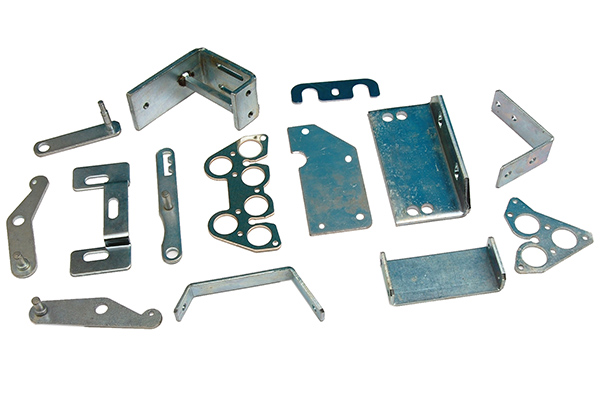
Manufacturers face a constant challenge. They need metal components that resist corrosion in harsh environments. They also need those components to form into complex shapes without cracking or flaking. Traditional steel rusts. Some coated materials lose their protective layer during stamping. SGCC—hot-dip galvanized steel— solves these problems. Its thick, uniform zinc coating provides excellent corrosion protection. Its mechanical properties allow complex stamping operations. But stamping SGCC requires understanding its unique characteristics. The coating must be preserved. Tooling must be designed to handle the zinc layer. This guide covers SGCC’s properties, stamping techniques, and applications. You will learn how to work with this versatile material effectively.
What Makes SGCC Different from Other Galvanized Steels?
SGCC stands for Hot-Dip Galvanized Steel. The “hot-dip” part matters. Unlike electro-galvanized steel (SECC), which has a thin zinc layer applied electrically, SGCC is dipped in molten zinc. This creates a thicker, more durable coating.
Coating Thickness
| Material | Zinc Thickness | Corrosion Resistance |
|---|---|---|
| SGCC (hot-dip) | 60–140 μm | Excellent |
| SECC (electro-galvanized) | 5–20 μm | Moderate |
| Cold-rolled steel | None | Poor |
SGCC’s thicker coating provides 20 to 30 years of outdoor corrosion protection in many environments. The zinc acts as a sacrificial layer, corroding before the steel underneath.
Mechanical Properties
| Property | Range |
|---|---|
| Tensile strength | 270–500 MPa |
| Yield strength | 200–350 MPa |
| Elongation | 20–35% |
SGCC balances strength and formability. It can be bent, drawn, and formed into complex shapes while maintaining structural integrity.
Surface Finish
The hot-dip process creates a smooth, consistent surface. The coating often contains small amounts of aluminum or silicon to improve adhesion and surface quality. This smooth surface reduces friction during stamping, minimizing tool wear.
How Is SGCC Manufactured?
The hot-dip galvanizing process is critical to SGCC’s performance. Each step affects the final coating quality.
Pre-Treatment
Before galvanizing, the steel is cleaned thoroughly:
- Degreasing: Removes oils and organic contaminants
- Pickling: Uses acid to remove rust and mill scale
- Rinsing: Removes residues that could affect coating adhesion
Any contamination left on the surface will prevent the zinc from bonding properly.
Fluxing
The cleaned steel is dipped in a flux solution, typically zinc ammonium chloride. Fluxing:
- Prevents oxidation before galvanizing
- Activates the steel surface for better zinc adhesion
- Ensures an even coating
Zinc Bath Immersion
The steel is submerged in molten zinc at 440°C to 460°C. The bath composition is typically 98% zinc with trace elements like aluminum. The high temperature causes a reaction between the steel and zinc, forming a series of alloy layers that bond tightly to the base metal.
Coating Thickness Control
Coating thickness is controlled by:
- Immersion time: Longer time allows more zinc to deposit
- Withdrawal speed: Faster withdrawal creates thinner coatings
- Air knife settings: Air knives blow off excess zinc to control thickness
Post-Treatment
After galvanizing, the steel may be:
- Quenched: Rapid cooling improves coating hardness
- Passivated: A chromate or non-chromate coating enhances corrosion resistance
- Oiled: A light oil film prevents white rust during storage
How Do You Stamp SGCC Successfully?
Stamping SGCC requires techniques that preserve the zinc coating while achieving the desired shape.
Die Design
Dies must be designed with the zinc coating in mind:
- Rounded edges: Reduce stress concentration on the coating
- Proper clearances: 10–15% of material thickness for blanking and piercing
- Polished surfaces: Ra ≤ 0.8 μm to reduce friction
Sharp corners and tight clearances can crack or flake the zinc coating.
Stamping Techniques
| Operation | Considerations |
|---|---|
| Blanking | Use sharp dies; proper clearance prevents burrs and coating damage |
| Piercing | Maintain clearance; deburr to remove zinc particles |
| Bending | Use moderate speeds; minimum radius 1.5–2× thickness |
| Deep drawing | Draw ratios up to 1.5:1; use proper lubricants |
| Progressive stamping | Spread forming across stations; avoid concentrating stress |
Press Machines
Both hydraulic and mechanical presses work for SGCC:
- Hydraulic presses: Better for complex shapes and variable force control
- Mechanical presses: Faster for high-volume, simpler parts
Variable speed control is important. Slower speeds during contact reduce stress on the coating.
Tooling Materials
SGCC’s zinc coating is abrasive. Use:
- Hardened tool steel (D2, A2) for moderate volumes
- Carbide tooling for high-volume production
- Coated tools (TiN, AlTiN) to reduce friction and wear
Lubrication
Use lubricants formulated for galvanized steel:
- Water-soluble coolants: Good for lighter operations
- Synthetic EP lubricants: Better for deep drawing and heavy forming
- Avoid chlorinated oils: These can react with zinc
What Quality Controls Are Essential?
Coating Inspection
Verify coating quality before stamping:
- Thickness measurement: Use magnetic gauges; reject material below spec
- Adhesion test: Bend test (180° around a mandrel) checks coating bond
- Visual inspection: Look for bare spots, blisters, or uneven coating
In-Process Monitoring
During stamping, monitor:
- Punch force: Increases indicate dull tools
- Strip alignment: Drift indicates feed or die issues
- Coating condition: Check for flaking or cracking at bends
Post-Stamping Inspection
Inspect finished parts for:
- Coating integrity: No cracks, flakes, or bare steel
- Dimensional accuracy: CMM inspection for critical features
- Surface defects: Scratches, galling, or zinc buildup
Corrosion Testing
For parts that will face harsh environments, conduct salt spray testing per ASTM B117. SGCC typically resists white rust for 48 to 120 hours, depending on coating thickness and passivation.
Where Is SGCC Stamping Used?
Automotive Parts
SGCC is widely used in automotive manufacturing:
- Body panels: Doors, hoods, fenders (non-exposed)
- Undercarriage components: Suspension parts, brackets
- Heat shields: Where moderate heat resistance is needed
- Fuel system components: With appropriate coatings
Construction Materials
Construction applications leverage SGCC’s corrosion resistance:
- Roofing and siding: Industrial and residential buildings
- Structural supports: Studs, joists, and framing
- Gutters and downspouts: Long-term outdoor exposure
- Metal building components: Wall panels, trim
Electrical Enclosures
Electrical equipment needs protection from moisture and rust:
- Control cabinets: Indoor and outdoor rated
- Switchgear housings: For industrial electrical systems
- Telecommunications enclosures: Weather-resistant boxes
- Server racks: Where durability matters
Industrial Machinery
Industrial applications demand strength and corrosion resistance:
- Machine guards and enclosures
- Equipment frames and brackets
- Material handling components
- Agricultural equipment parts
What Are the Limitations of SGCC?
Weldability
SGCC can be welded, but the zinc coating complicates the process:
- Zinc vaporizes during welding, creating fumes
- Welds may have porosity if not properly managed
- Post-weld touch-up with zinc-rich paint restores corrosion protection
Coating Damage During Forming
Tight bends and deep draws can crack or flake the zinc coating. Use:
- Generous bend radii (minimum 1.5–2× thickness)
- Proper lubrication to reduce friction
- Moderate press speeds to allow material flow
Paint Adhesion
Painting SGCC requires surface preparation:
- Clean to remove oil and contaminants
- Apply a primer formulated for galvanized steel
- Avoid painting over white rust or damaged coating
How Does SGCC Compare to Other Materials?
| Material | Corrosion Resistance | Formability | Cost | Best Use |
|---|---|---|---|---|
| SGCC | Excellent | Good | Moderate | Outdoor, structural |
| SECC | Moderate | Excellent | Moderate | Indoor, precision |
| Stainless steel | Very high | Moderate | High | Harsh environments |
| Cold-rolled steel | Poor | Excellent | Low | Painted indoor parts |
Conclusion
SGCC offers a practical balance of corrosion resistance, formability, and cost. Its thick, uniform zinc coating provides reliable protection in outdoor and industrial environments. Its mechanical properties allow complex stamping operations without compromising the coating.
Success with SGCC requires understanding its characteristics. Dies must have rounded edges and proper clearances. Lubrication must be formulated for galvanized steel. Press speeds must be controlled to prevent coating damage. Quality control must include coating inspection and adhesion testing.
When these factors are managed, SGCC delivers durable, corrosion-resistant parts for automotive, construction, electrical, and industrial applications. It is a material that solves the trade-off between durability and formability.
FAQ About Metal Stamping SGCC
What is the typical lifespan of SGCC in outdoor applications?
SGCC can last 20 to 30 years in outdoor environments, depending on factors like humidity, salinity, and maintenance. The thick zinc coating provides long-term sacrificial protection. For coastal or high-chloride environments, lifespan may be shorter without additional coating.
Can SGCC be painted or coated further?
Yes, but surface preparation is critical. Clean thoroughly to remove oil and contaminants. Apply a primer formulated for galvanized steel to ensure adhesion. Standard paints may not bond directly to the zinc surface. Powder coating over SGCC is also possible with proper pretreatment.
How does SGCC compare to cold-rolled galvanized steel in stamping?
SGCC offers better corrosion resistance due to its thicker zinc coating. Cold-rolled galvanized steel (like SECC) has a thinner, more uniform coating that provides better surface smoothness for decorative applications. For outdoor or harsh environments, SGCC is the better choice. For indoor, appearance-critical parts, SECC may be preferred.
What is the maximum thickness for stamping SGCC?
SGCC can be stamped up to 6 mm thickness in practical production. Thicker material requires heavier presses and may need pre-heating to improve formability. The zinc coating behaves differently on thick material, requiring careful process control.
How do you repair coating damage on stamped SGCC parts?
Small scratches or damaged areas can be repaired with zinc-rich paint or cold galvanizing spray. Clean the area thoroughly, apply the repair coating, and allow to dry. For large areas of coating loss, the part may need to be re-galvanized or replaced. Preventive measures—proper die design, lubrication, and handling—are better than repair.
Contact Yigu Technology for Custom Manufacturing
Stamping SGCC requires experience with galvanized coatings and the right equipment. At Yigu Technology, we specialize in custom metal stamping for automotive, construction, and industrial clients. Our team helps you select the right coating thickness and grade for your application. We design tooling with rounded edges and proper clearances to preserve the zinc coating. Our presses run at optimized speeds with lubricants formulated for galvanized steel. Quality control includes coating thickness verification, adhesion testing, and dimensional inspection. Whether you need structural components, electrical enclosures, or automotive parts, we have the capabilities to deliver. Contact us today to discuss your project.