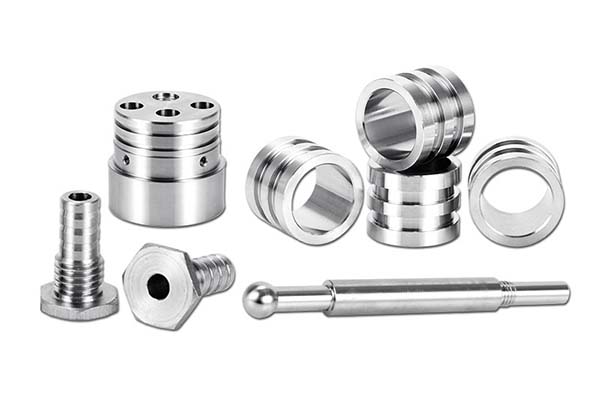
Manufacturers across industries face a fundamental challenge. They need to produce complex metal components in large volumes. Each part must be identical to the next. Tolerances must be tight. Costs must be controlled. Precision die and stamping answers this challenge. It combines custom-engineered dies with advanced stamping presses to transform flat metal sheets into intricate, high-accuracy components. The process is fast, repeatable, and cost-effective at scale. From the connectors in your phone to the structural brackets in an aircraft, precision-stamped parts are everywhere. This guide explores how the process works, the types of operations involved, and where it delivers the most value.
What Is Precision Die and Stamping?
Precision die and stamping is a manufacturing process that uses custom-designed dies and stamping presses to shape metal sheets into finished components. The die defines the geometry of the part. The press applies the force. The process can include cutting, bending, forming, and other operations, all performed in a single setup or a sequence of stations.
The "precision" part matters. Dies are machined to tolerances that match—or exceed—the tolerances required for the final part. Presses are equipped with advanced controls to ensure consistent force, speed, and alignment. The result is components that meet tight specifications, produced reliably over millions of cycles.
How Does the Precision Die and Stamping Process Work?
Material Selection and Preparation
The process begins with choosing the right material. Common options include:
| Material | Properties | Typical Applications |
|---|---|---|
| Steel | Strength, versatility | Automotive structural parts |
| Stainless steel | Corrosion resistance | Medical devices, food equipment |
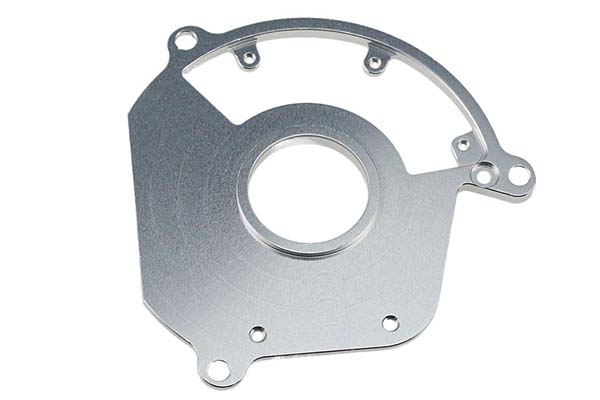
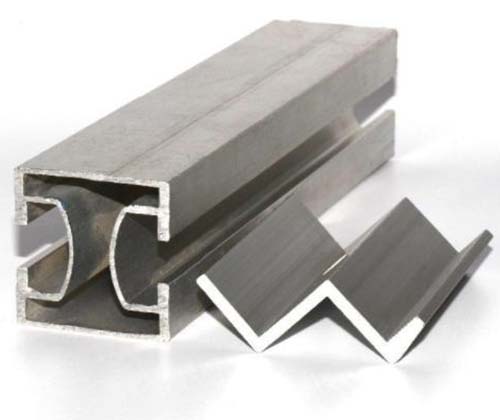
| Aluminum | Lightweight, formable | Electronics enclosures, aerospace |
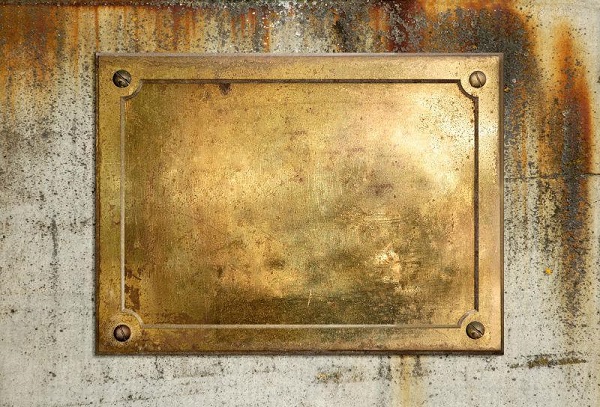
| Brass | Conductivity, aesthetics | Electrical connectors, decorative parts |
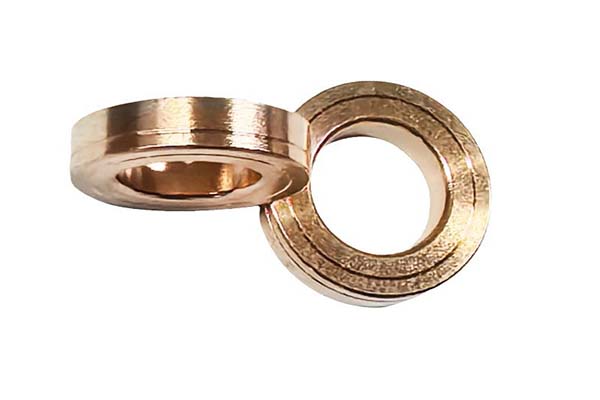
| Copper | Highest conductivity | RF shielding, battery contacts |
Material is typically supplied in coils for high-volume production. The coil is fed into the press, where it passes through a series of stations. Before stamping, the material may be cleaned and lubricated to ensure smooth flow and protect the dies.
Die Design and Manufacturing
The die is the heart of precision stamping. It is a custom tool that shapes the metal. Die design begins with CAD software, where engineers create a 3D model of the part and the tooling that will form it.
Die manufacturing uses precision machining techniques:
- CNC milling: For rough shaping and basic geometry
- Surface grinding: For achieving flatness and parallelism
- Electrical discharge machining (EDM) : For intricate features, sharp corners, and fine details
- Wire EDM: For cutting complex profiles
Die materials are chosen for wear resistance and dimensional stability. Tool steel (D2, A2) is common. Carbide is used for high-volume runs. Both are heat-treated to HRC 58 to 62 for hardness.
The Stamping Press
The press provides the force that drives the die. Press types include:
| Press Type | Characteristics | Best For |
|---|---|---|
| Mechanical | High speed, consistent force | High-volume, simple parts |
| Hydraulic | Variable speed and force | Deep drawing, thick materials |
| Servo | Programmable speed throughout stroke | Complex parts, precision control |
Press sizes range from 10 tons for small electronic parts to 1,000 tons or more for large automotive components.
The Stamping Sequence
As the press cycles, the material moves through the die. In progressive dies, each station performs a specific operation:
- Pilot holes: Establish alignment
- Piercing: Cuts holes and slots
- Blanking: Cuts the rough shape
- Forming: Bends and shapes
- Coining: Compresses for fine detail
- Cutoff: Separates finished part
The strip advances one station per press stroke. At the final station, a finished part falls into a collection bin.
What Are the Main Types of Precision Stamping Operations?
Blanking and Piercing
Blanking cuts a specific shape from the metal sheet. The cut-out piece is the blank, which becomes the part. Piercing cuts holes or openings. The cut-out is scrap.
These are the most basic operations. They are used for washers, simple brackets, and components that will be formed later. Precision is critical. Burrs or rough edges can cause problems in subsequent operations.
Drawing and Forming
Drawing stretches the metal over a die to create hollow parts. Deep drawing produces parts where depth exceeds diameter. Examples include fuel tanks, sink basins, and battery enclosures.
Forming includes bending, flanging, and other operations that change the shape without significantly altering thickness. Brackets, frames, and enclosures are typical formed parts.
These operations require careful control. Too much force tears the material. Too little causes wrinkling or incomplete forming.
Embossing and Coining
Embossing creates raised or recessed designs on the metal surface. Material thickness remains largely unchanged. Embossing is used for logos, text, and decorative patterns.
Coining compresses the metal to create high-relief details. It actually changes the material thickness in localized areas. Coining is used for coins, precision electrical contacts, and detailed hardware features.
Both operations require high force and precise die alignment.
Where Is Precision Die and Stamping Used?
Automotive Components
The automotive industry is the largest user of precision stamping. Parts include:
- Engine components: Fuel injector cups, valve guides
- Transmission parts: Clutch plates, gear components
- Body panels: Doors, hoods, fenders
- Safety systems: Airbag housings, seat belt components
- Structural parts: Chassis brackets, suspension components
A modern vehicle contains hundreds of stamped parts. Each must meet strict quality standards for safety and performance.
Electronics and Appliances
Electronics demand tiny, precise components in massive volumes. Stamped parts include:
- Connectors and terminals: For smartphones, computers, and networking equipment
- Shielding cans: To block electromagnetic interference
- Lead frames: For semiconductor packages
- Battery contacts: For portable devices
Household appliances use stamped parts for:
- Control panels
- Hinges and brackets
- Motor mounts
- Structural frames
Aerospace and Defense
Aerospace applications demand the highest levels of precision and reliability. Stamped parts include:
- Structural brackets: For interior and exterior applications
- Engine components: Seals, shims, and small structural parts
- Avionics housings: Protecting sensitive electronics
- Fastener components: Locking features and retainers
Parts must meet AS9100 standards and often require full traceability from raw material to finished part.
Medical Devices
Medical applications require precision, biocompatibility, and reliability. Stamped components include:
- Surgical instruments: Handles, blades, and small mechanisms
- Implants: Orthopedic and dental components (with proper finishes)
- Diagnostic equipment: Structural parts for MRI and CT scanners
- Drug delivery devices: Precision mechanisms for insulin pumps and injectors
The medical industry often requires ISO 13485 certification and complete documentation of materials and processes.
What Are the Key Advantages?
| Advantage | Description |
|---|---|
| High accuracy | Tolerances as tight as ±0.01 mm |
| Repeatability | Millions of identical parts |
| Cost efficiency | Low per-part cost at volume |
| Speed | High-speed presses produce parts per second |
| Material utilization | Minimal scrap with optimized nesting |
| Complexity | Combine multiple operations in one die |
How Does Precision Die and Stamping Ensure Quality?
First Article Inspection
When a new die is set up, the first parts are measured exhaustively. Coordinate measuring machines (CMMs) verify every critical dimension. Optical comparators check profiles. Surface finish is measured with profilometers. The first article must meet all specifications before production begins.
In-Process Monitoring
Modern presses monitor key parameters in real time:
- Punch force (detects dull tools)
- Strip position (ensures alignment)
- Press speed and tonnage (maintains consistent conditions)
- Part ejection (confirms parts are clearing the die)
If any parameter moves outside control limits, the press stops automatically.
Statistical Process Control
Statistical process control (SPC) tracks measurements over time. Operators sample parts at regular intervals. Data is charted to detect trends. A gradual increase in punch force might indicate a dull tool. Early detection allows tool change before defects occur.
Tool Maintenance
Dies are inspected and maintained on a schedule. Punches are sharpened. Die surfaces are cleaned and lubricated. A well-maintained die set can run for millions of strokes.
Conclusion
Precision die and stamping is a foundational manufacturing process. It transforms flat metal sheets into complex, high-accuracy components at speeds and volumes that other processes cannot match. The die defines the geometry. The press delivers the force. Quality controls ensure consistency.
From automotive chassis parts that ensure vehicle safety to medical device components that save lives, precision-stamped parts are essential to modern life. Understanding the process helps engineers design better parts, choose the right materials, and work effectively with stamping suppliers.
FAQ About Precision Die and Stamping
What are the key factors to consider when selecting materials for precision die and stamping?
Key factors include strength, durability, corrosion resistance, formability, and cost. The application environment matters. A marine part needs corrosion resistance. An electrical connector needs conductivity. A structural bracket needs strength. The material must also be compatible with the stamping process—it must have adequate ductility for the required operations.
How does precision die and stamping ensure high accuracy and repeatability?
Accuracy comes from the die. Dies are machined to tighter tolerances than the parts they produce. Repeatability comes from the press and process control. Servo and hydraulic presses deliver consistent force and speed. In-process monitoring catches variations before defects occur. Statistical process control ensures trends are detected early.
What are the common types of precision die and stamping operations?
Common operations include blanking (cutting shapes), piercing (cutting holes), drawing (forming hollow parts), forming (bending and shaping), embossing (creating raised designs), and coining (compressing for fine detail). Progressive dies combine multiple operations in one continuous process.
What is the difference between progressive stamping and transfer stamping?
Progressive stamping uses a single die with multiple stations. The metal strip moves through the die, and the part remains attached to the strip until the final station. Transfer stamping uses separate dies in separate presses. Parts are transferred between presses by automation. Progressive stamping is faster and more cost-effective for high volumes. Transfer stamping offers more flexibility for large or complex parts.
How long do precision stamping dies last?
Die life depends on material, part complexity, and maintenance. Tool steel dies for mild steel can last 500,000 to 1,000,000 strokes. Carbide dies for high-volume work can exceed 5,000,000 strokes. Regular sharpening, cleaning, and lubrication extend die life significantly.
Contact Yigu Technology for Custom Manufacturing
Precision die and stamping requires expertise, advanced equipment, and a commitment to quality. At Yigu Technology, we specialize in custom precision stamping for automotive, medical, electronics, and aerospace clients. Our team designs and builds tooling with tolerances that match your part requirements. We run parts on modern servo and mechanical presses with in-process monitoring. Our quality control includes CMM inspection, optical measurement, and statistical process control. Whether you need connectors, brackets, or complex formed components, we have the capabilities to deliver precision at scale. Contact us today to discuss your project.