Introduction
Mini plastic gears are everywhere, yet most people never see them. Inside your electric toothbrush, your car’s power windows, and the camera that takes sharp photos, these tiny components transfer motion with surprising accuracy. But can something so small—often just a few millimeters across—really deliver the precision that demanding applications require? The answer depends on material choices, manufacturing quality, and design engineering. Drawing on years of experience with precision plastic components, this guide explains how mini plastic gears achieve their performance, where they excel, and how to choose the right ones for your application.
What Exactly Are Mini Plastic Gears?
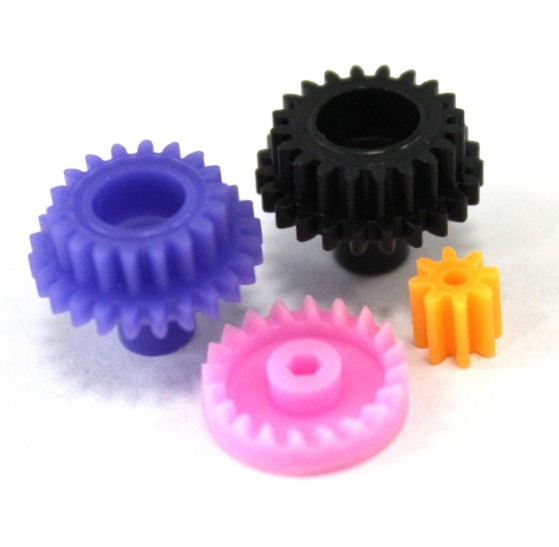
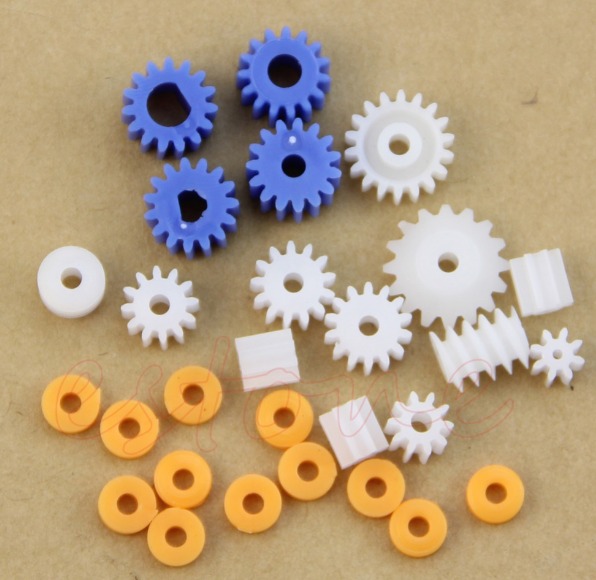
Mini plastic gears are small gears typically ranging from a few millimeters to about 50 millimeters in diameter. Unlike larger industrial gears, these compact components are designed for applications where space is limited and weight matters.
They come in several common configurations:
| Gear Type | Description | Typical Application |
|---|---|---|
| Spur Gears | Straight teeth parallel to the axis | Simple speed reduction, electric motors |
| Helical Gears | Angled teeth for smoother operation | Quiet-running mechanisms, higher load capacity |
| Bevel Gears | Cone-shaped for intersecting shafts | Changing motion direction in tight spaces |
| Worm Gears | Screw-like driver with a toothed wheel | High reduction ratios in compact packages |
The materials vary by application. Polycarbonate gears can be nearly transparent, allowing visual inspection of internal mechanisms. Nylon gears come in natural beige or black, offering good wear resistance. POM (acetal) provides a smooth, low-friction surface that operates quietly.
Why Choose Plastic Over Metal for Small Gears?
The shift from metal to plastic for small gears isn’t accidental. Plastic offers distinct advantages that matter in modern product design.
Weight Reduction
Plastic gears weigh significantly less than metal equivalents. With densities of 1.0–1.5 g/cm³ compared to steel’s 7.8 g/cm³, plastic gears can reduce component weight by 80% or more. In portable devices, handheld tools, and automotive applications, every gram saved improves usability and efficiency.
Noise Reduction
Plastic gears run quieter than metal gears. The material’s natural damping properties absorb vibrations that would otherwise transmit through the mechanism. In consumer products—electric shavers, kitchen appliances, office equipment—lower noise directly improves user experience.
Corrosion Resistance
Unlike metal gears that rust or corrode, plastic gears resist moisture, chemicals, and environmental exposure. This makes them suitable for:
- Medical devices that undergo sterilization
- Outdoor equipment exposed to weather
- Food processing machinery requiring washdown capability
Cost-Effective Production
Injection molding allows high-volume production with consistent quality. Once the mold is made, each gear costs pennies. Complex shapes that would require multiple machining operations in metal can be molded in a single step.
How Are Mini Plastic Gears Manufactured with Precision?
The precision of a mini plastic gear begins with design and continues through every manufacturing step.
Design Technologies
Modern gear design starts with CAD (Computer-Aided Design) software. Engineers create detailed 3D models, specifying:
- Module: The size of gear teeth (typically 0.2–1.5mm for mini gears)
- Number of teeth: Determines gear ratio
- Pressure angle: Affects tooth strength and smoothness
- Backlash: The clearance between meshing teeth
CAM (Computer-Aided Manufacturing) software then converts these designs into tool paths for manufacturing. The integration of CAD and CAM reduces design-to-production time from weeks to days.
Injection Molding Precision
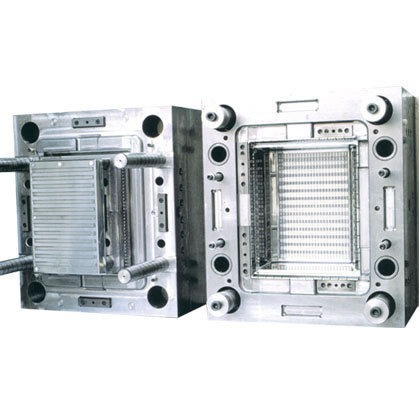
Injection molding is the dominant manufacturing method for mini plastic gears. The process involves:
- Melting: Plastic pellets are heated to a molten state
- Injection: Molten plastic is forced into a steel mold under high pressure
- Cooling: The plastic solidifies into the gear shape
- Ejection: The finished gear is removed from the mold
The mold itself determines final precision. High-quality molds maintain tolerances of ±0.01mm or better. A well-designed mold produces thousands or millions of gears with minimal variation.
Post-Molding Processes
Some applications require additional precision beyond what molding alone can achieve:
- Secondary machining: Critical features like bore diameters may be reamed to tighter tolerances
- Deburring: Removing flash from mold parting lines
- Lubrication: Applying specialized greases for specific operating conditions
What Materials Enable Precision Performance?
The material choice affects every aspect of gear performance—strength, wear, temperature range, and chemical resistance.
Common Gear Materials
| Material | Key Properties | Typical Applications |
|---|---|---|
| Nylon (PA) | High strength, good wear resistance, self-lubricating | Automotive mechanisms, power tools |
| POM (Acetal) | Low friction, dimensional stability, quiet operation | Precision mechanisms, consumer electronics |
| Polycarbonate (PC) | Impact resistance, transparency | Visible mechanisms, protective housings |
| PEEK | High temperature resistance, chemical resistance | Medical devices, aerospace applications |
| ABS | Good impact strength, cost-effective | Toys, consumer products |
Material Modifications for Enhanced Performance
Base materials are often modified to improve specific properties:
Glass-Filled Nylon
Adding glass fibers increases strength and stiffness. A glass-filled nylon gear can have 30–50% higher tensile strength than unfilled nylon. The trade-off: increased wear on mating components and reduced impact resistance.
Lubricant-Infused Plastics
Materials like oil-filled POM contain internal lubricants that reduce friction without external grease. This is valuable in applications where contamination is a concern, such as medical devices or food processing equipment.
UV-Stabilized Grades
For outdoor applications, UV stabilizers prevent yellowing and surface degradation from sunlight exposure.
Where Are Mini Plastic Gears Used?
Automotive Applications
Modern vehicles contain dozens of mini plastic gears. Common applications include:
Window Lift Mechanisms
Mini plastic gears transfer motor rotation to window regulators. Their light weight reduces overall assembly mass, contributing to fuel efficiency. They must withstand repeated operation over the vehicle’s life—typically 10,000–20,000 cycles.
Seat Adjustment Systems
Power seats rely on plastic gears for precise positioning. The gears must handle varying loads depending on passenger weight while maintaining smooth, quiet operation.
HVAC Actuators
Airflow direction and temperature controls use small plastic gears to position blend doors and vent flaps. These gears operate in temperature ranges from below freezing to over 80°C.
Electronics and Consumer Goods
Cameras
Autofocus mechanisms depend on miniature gears to position lens elements with micron-level accuracy. A high-end camera lens may contain 10 or more tiny gears working together to achieve fast, precise focusing.
Electric Shavers
The oscillating motion of shaver blades comes from small gear trains. Precision is critical—any backlash or inconsistency affects the quality of the shave.
Toys
From wind-up cars to robotic toys, plastic gears provide reliable, safe operation. Their low cost allows complex mechanisms in mass-market products.
Medical Devices
Drug Delivery Pumps
Precision pumps for intravenous medication use small plastic gears to control flow rates. Accuracy matters—even small variations in dosing can affect patient outcomes.
Surgical Instruments
Minimally invasive surgical tools rely on gears to translate external control movements into precise internal actions. Biocompatible materials like PEEK ensure safety while providing necessary mechanical properties.
Diagnostic Equipment
Laboratory analyzers and testing equipment use plastic gears in sample handling and positioning mechanisms. Cleanability and chemical resistance are essential.
How Do They Perform in Challenging Conditions?
Chemical Resistance
Plastics like polypropylene (PP) and polyethylene (PE) resist a wide range of chemicals, including:
- Dilute acids and bases
- Alcohols and many solvents
- Oils and greases
In chemical processing or medical environments, this resistance prevents degradation that would quickly destroy metal gears.
Temperature Performance
Different materials handle temperature extremes differently:
| Material | Typical Temperature Range |
|---|---|
| ABS | -20°C to 80°C |
| Nylon | -40°C to 100°C |
| POM | -40°C to 100°C |
| PEEK | -50°C to 200°C |
For high-temperature applications like automotive engine compartments, PEEK maintains properties where standard plastics would soften. For low-temperature environments, specially formulated grades maintain flexibility where standard plastics become brittle.
High-Speed Operation
Mini plastic gears can operate at high speeds, but with considerations. As speed increases:
- Heat generation rises from friction
- Dynamic balance becomes more critical
- Centrifugal forces can cause deformation
Proper design addresses these factors. Reducing tooth mass, optimizing lubrication, and selecting materials with good thermal stability enable reliable high-speed operation.
How Do You Ensure Long-Term Reliability?
Material Selection
Match the material to the operating environment. A gear that works perfectly at room temperature may fail prematurely at elevated temperatures or in chemical exposure.
Design Optimization
Proper tooth profile design distributes loads evenly, reducing stress concentrations. Factors to consider:
- Tooth geometry: Proper pressure angle and tooth thickness
- Backlash: Sufficient clearance to prevent binding without excessive play
- Hub design: Adequate support at the shaft interface
Process Control
Consistent manufacturing quality requires:
- Mold precision: Tolerances held to microns
- Process monitoring: Temperature, pressure, and cycle time control
- Inspection: Verification of critical dimensions
Maintenance Considerations
Many plastic gear applications are “lubricated for life” with internal lubricants or sealed grease. For applications requiring field maintenance, proper lubrication extends service life significantly.
Conclusion
Mini plastic gears have evolved from simple, low-cost alternatives to precision components capable of meeting demanding requirements across automotive, medical, and consumer applications. Their success comes from the combination of advanced materials, precise manufacturing, and thoughtful design.
The key to successful application lies in honest assessment: matching material properties to operating conditions, specifying appropriate precision levels, and partnering with manufacturers who understand the nuances of plastic gear production. When done right, mini plastic gears deliver reliability, precision, and value that metal alternatives struggle to match.
FAQ
What is the typical lifespan of a mini plastic gear?
Lifespan varies widely by application. In automotive window lifts, well-designed plastic gears last 15–20 years with normal use. In high-speed applications, replacement intervals may be shorter. Material selection, load conditions, and operating environment all affect longevity.
Can mini plastic gears handle heavy loads?
Yes, when properly designed and made from reinforced materials. Glass-filled nylon gears can handle substantial loads—some applications transmit 50–100 Nm of torque through plastic gear trains. However, for extremely high loads, metal gears may still be necessary.
How do I choose between nylon and POM for my application?
Nylon offers higher strength and better impact resistance, making it suitable for load-bearing applications. POM provides lower friction and better dimensional stability, making it ideal for precision positioning and quiet-running mechanisms. Consider your priorities: strength and wear resistance (nylon) or low friction and precision (POM).
Are mini plastic gears suitable for food-grade applications?
Yes, with appropriate material selection. FDA-compliant grades of nylon, POM, and other plastics are available for food processing and packaging equipment. These materials resist cleaning chemicals and meet regulatory requirements for food contact.
How small can mini plastic gears be made?
Gears with diameters below 1mm are possible with precision molding and machining. Micro-gears used in watches, medical devices, and miniature robotics can have teeth barely visible to the naked eye. The practical limit depends on the application requirements and manufacturing capability.
Contact Yigu Technology for Custom Manufacturing
At Yigu Technology, we specialize in precision plastic components that perform reliably in demanding applications. Our engineering team works with you from material selection through design optimization and production, ensuring your mini plastic gears meet exact specifications.
We offer:
- Custom gear design and prototyping
- High-precision injection molding
- Multiple material options including nylon, POM, and specialty grades
- Quality verification and inspection
Ready to discuss your mini plastic gear requirements? Contact us with your specifications, and we’ll provide material recommendations, design feedback, and competitive quotes—typically within 24–48 hours.