Introduction
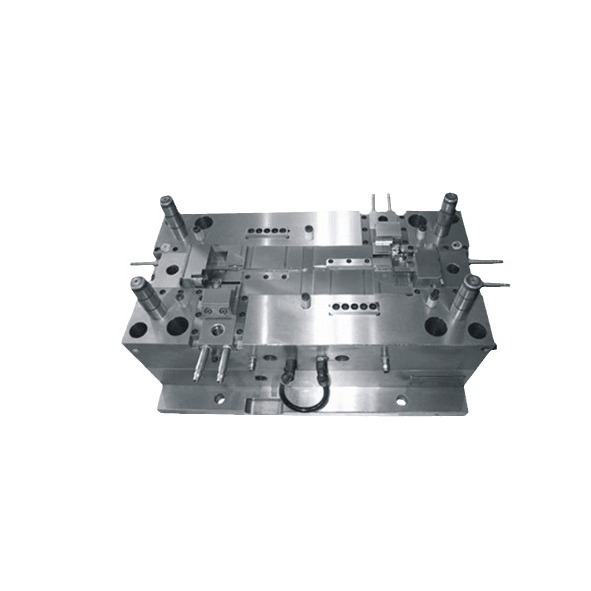
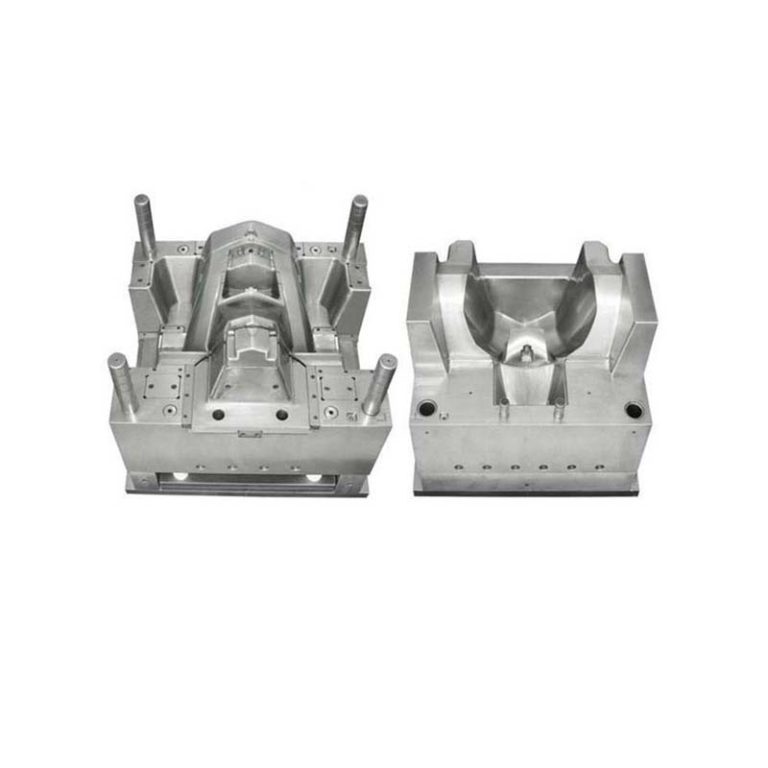
You need a mold that produces flawless, mirror-finish plastic parts. But every time you polish a standard steel mold, you lose hours—sometimes days—to get that perfect surface. And even then, after a few hundred thousand cycles, the finish starts to degrade.
This is the challenge manufacturers face with high-end cosmetic parts. Smartphone casings, optical lenses, automotive lighting—these products demand surfaces so smooth they reflect like glass. Even a tiny scratch or imperfection can turn a part into scrap.
NAK80 steel solves this problem. It’s a pre-hardened mold steel designed specifically for applications where surface finish and precision are critical. Unlike standard steels that require heat treatment after machining, NAK80 comes ready to work. It polishes faster, holds tighter tolerances, and maintains its finish over hundreds of thousands of cycles.
In this guide, we’ll explore what makes NAK80 unique, its properties, applications, and how to get the most out of this exceptional material.
What Is NAK80 Steel?
A Pre-Hardened Alloy Built for Precision
NAK80 is a nickel-aluminum-copper alloy steel developed in Japan. It’s pre-hardened during manufacturing to 38–42 HRC, which means it arrives at your shop ready for machining. No post-machining heat treatment is needed.
This is a major advantage. Standard mold steels often come in a soft state. You machine them, then send them out for heat treatment. Heat treatment can cause distortion. Distortion means rework. NAK80 eliminates this entire step.
Composition Drives Performance
NAK80’s unique properties come from its carefully controlled chemistry:
| Element | Percentage | Purpose |
|---|---|---|
| Carbon | 0.15% | Provides hardness without brittleness |
| Nickel | 3.0% | Improves toughness and polishability |
| Aluminum | 1.0% | Enhances machinability and grain structure |
| Copper | 0.5% | Adds corrosion resistance |
This combination delivers high hardness, excellent polishability, and good corrosion resistance—all in one material.
Industry Standards and Suppliers
NAK80 conforms to Japanese Industrial Standards (JIS) . Major producers include:
- Daido Steel (Japan)
- JFE Steel (Japan)
- Baosteel (China, under license)
These suppliers maintain strict quality controls to ensure consistent performance across every batch.
How Widely Is NAK80 Used?
Industry estimates suggest 25–30% of high-precision plastic molds use NAK80. It’s particularly common in:
- Electronics (smartphone lenses, computer displays)
- Automotive lighting (headlights, taillights)
- Optical components (camera lenses, LED covers)
Its popularity comes down to one thing: it delivers a mirror finish (Ra 0.01 μm) with far less polishing work than other steels.
What Properties Make NAK80 Special?
Hardness: Ready to Work
NAK80 comes pre-hardened to 38–42 HRC. Compare that to:
| Steel | Hardness (HRC) |
|---|---|
| P20 | 28–32 |
| 718 | 32–36 |
| NAK80 | 38–42 |
| S136 (hardened) | 48–52 |
This hardness level provides excellent wear resistance for non-abrasive plastics. It’s hard enough to handle high-volume production but not so hard that machining becomes difficult.
Toughness: Strength Without Brittleness
Hardness usually comes at the cost of toughness. Harder steels tend to crack under impact. NAK80 avoids this trap.
Its Charpy impact value of 25–30 J is impressive for a steel at this hardness. The nickel content and low carbon prevent brittleness. This means your mold can handle the stresses of injection molding without cracking—even in thin sections or sharp corners.
Wear Resistance: Built for Volume
For non-abrasive plastics like ABS and polycarbonate, NAK80 delivers 1–1.5 million cycles before showing significant wear. That’s comparable to 718 and significantly better than P20.
Real example: A manufacturer producing smartphone back covers switched from P20 to NAK80. With P20, they saw visible surface degradation after 400,000 cycles. NAK80 maintained mirror finish through 1.2 million cycles. The tooling cost was 25% higher upfront, but they avoided building a second mold.
Corrosion Resistance: Less Maintenance
NAK80 contains copper, which gives it better corrosion resistance than P20. It withstands water-based coolants and mild mold release agents without rusting.
This matters in production environments. Humidity, condensation, and cooling water can cause rust on standard steels. Rust leads to surface defects on parts. NAK80 reduces this risk.
Machinability: Faster Production
One of NAK80’s biggest advantages is how well it machines. Its uniform structure allows:
- Roughing speeds: 70–90 SFM with carbide tools
- Finishing speeds: 60–80 SFM
- Faster machining than 718
- Comparable to P20 but with higher hardness
A mold maker reported cutting machining time by 20% when switching from 718 to NAK80 for a complex optical mold. The material removed easily, and tool life improved.
Thermal Stability: Holds Shape Under Heat
NAK80 maintains dimensional stability at temperatures up to 300°F (149°C) . This makes it suitable for molding high-temperature plastics like polycarbonate.
Thermal stability matters because molds heat and cool with every cycle. If the material expands and contracts unevenly, part dimensions drift. NAK80 stays consistent.
Polishability: The Game-Changer
This is where NAK80 truly shines. Its fine, uniform grain structure allows it to be polished to a mirror finish (Ra 0.01 μm) with minimal effort.
Compare polishing time:
| Steel | Time to Mirror Finish |
|---|---|
| P20 | Baseline |
| 718 | 2× P20 |
| NAK80 | 40–50% of P20 |
A mold maker told us: “With NAK80, we go from machining to mirror finish in half the time. No extra steps. No special treatments. It just polishes.”
Where Is NAK80 Used?
Injection Molds for Cosmetic Parts
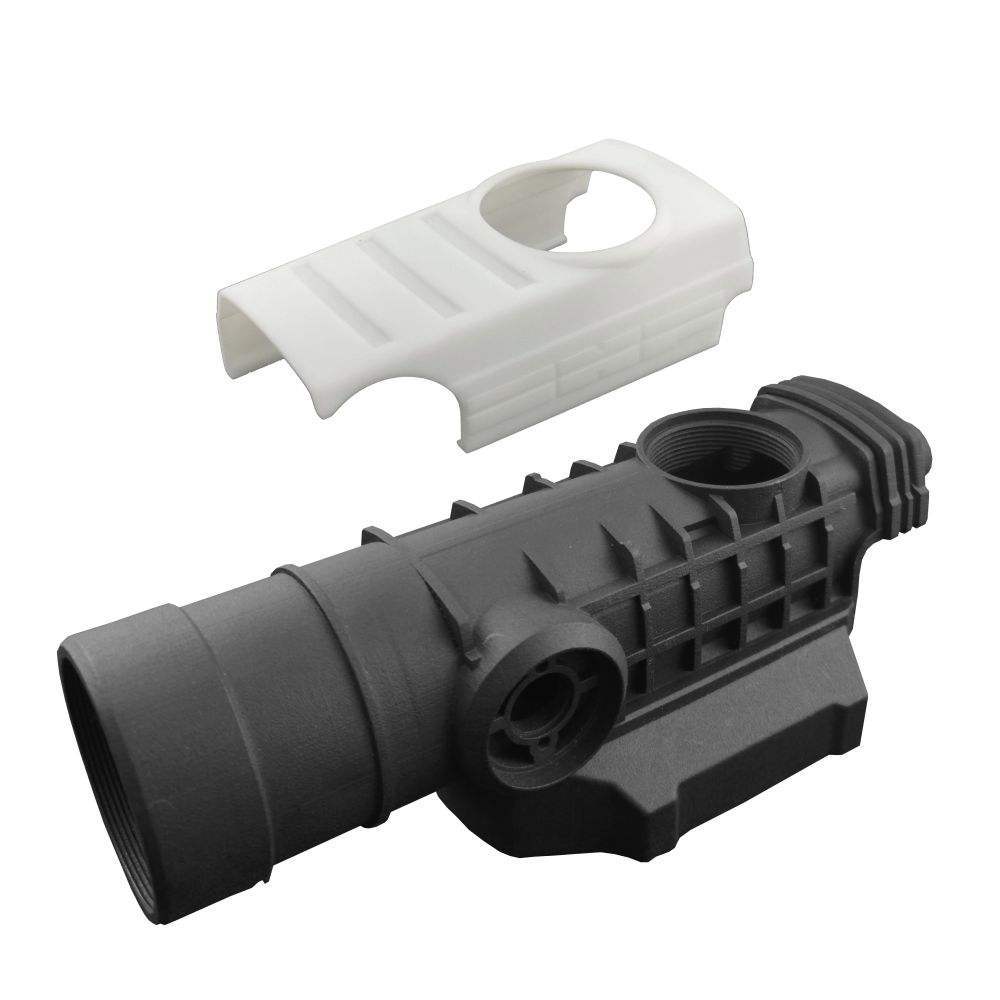
NAK80 is the go-to choice for molds producing parts where surface finish matters. Smartphone back covers, laptop bezels, and automotive dashboard trim all benefit from its mirror finish.
The finish transfers directly to the plastic part. No secondary painting or coating is needed. That saves cost and simplifies production.
Optical Molds
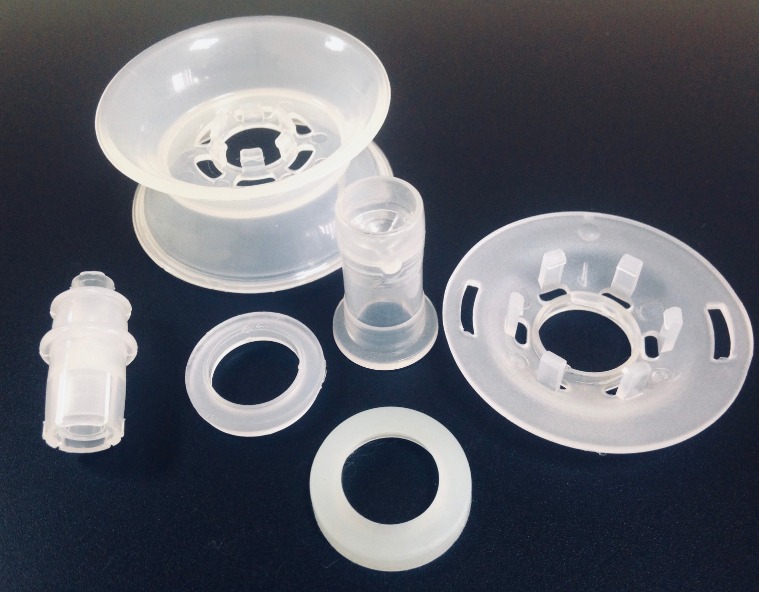
Camera lenses, eyeglass lenses, and LED light covers require surfaces that are essentially perfect. Any scratch or defect affects light transmission.
NAK80 achieves the Ra 0.01 μm finishes these applications demand. And it maintains that finish over long production runs.
Electronics Molds
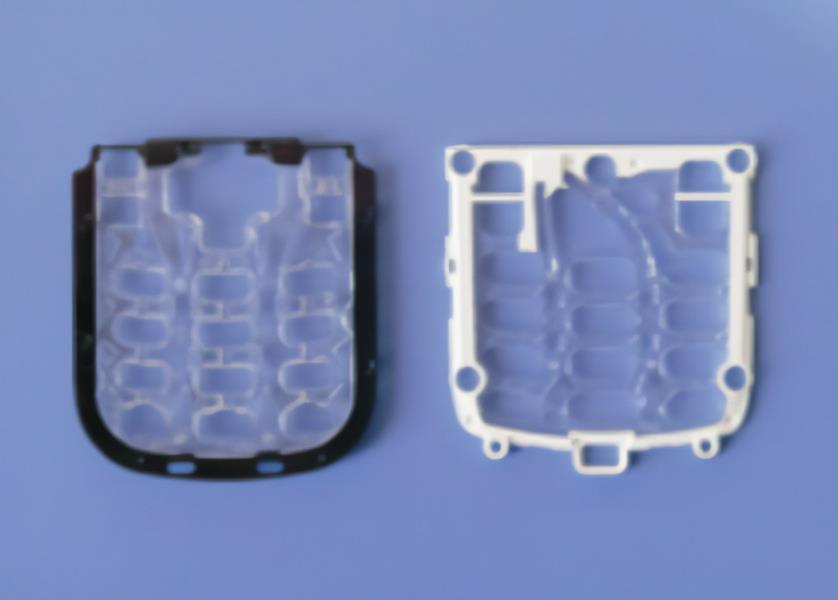
Computer displays, touchscreen panels, and smartwatch casings need tight tolerances—often ±0.0001 inches. NAK80’s dimensional stability ensures parts stay in spec across thousands of cycles.
Real example: A smartwatch manufacturer struggled with inconsistent fit on their display bezels. The mold material was deforming slightly under heat. Switching to NAK80 eliminated the variation. Fit improved. Scrap rate dropped by 35%.
Automotive Molds
Headlights, taillights, and interior trim are produced in high volumes—often 500,000 to 1 million units per mold. NAK80 handles these volumes while maintaining surface quality.
High-Precision Transparent Parts
Transparent plastics like polycarbonate and acrylic are unforgiving. Any surface imperfection in the mold shows up clearly in the finished part.
Manufacturers using NAK80 report 30–40% lower scrap rates compared to P20 or 718 molds for transparent parts. The flawless surface reduces rejects at the inspection stage.
How Do You Machine and Fabricate NAK80?
Precision Machining
NAK80 machines efficiently with carbide tools. Recommended speeds:
- Roughing: 70–90 SFM
- Finishing: 60–80 SFM
Its uniform structure minimizes tool wear. That means fewer tool changes and more consistent results.
CNC Milling
Both 3-axis and 5-axis CNC milling work well with NAK80. The material holds tight tolerances even in complex features like thin walls and undercuts.
For optical molds with intricate geometries, 5-axis machining allows you to cut complex surfaces in a single setup. This improves accuracy and reduces handling.
EDM (Electrical Discharge Machining)
EDM produces clean, precise cuts in NAK80 with a recast layer of ≤0.00005 inches. This is important for molds with fine details—texturing on smartphone casings, for example.
A thin recast layer means less post-EDM polishing. You can go from EDM to final finish faster.
Grinding
Final grinding achieves flatness within 0.00005 inches per foot. Use a resin-bonded diamond wheel with a slow feed rate (5–8 inches per minute) to prevent heat buildup. Heat can affect the steel’s surface properties.
Polishing
This is where NAK80 delivers its biggest time savings. The standard process:
- Start with 800-grit sandpaper
- Progress to 1200, 1500, then 2000-grit
- Finish with 1–3 μm diamond compound
Total polishing time is 50–60% less than required for 718 or P20.
Even welded areas polish smoothly. This is a major advantage when repairing complex molds. You can make repairs without creating visible marks on the finished part.
How Is NAK80 Heat Treated?
Pre-Hardened State
NAK80 is supplied pre-hardened to 38–42 HRC. This eliminates post-machining heat treatment entirely. Production time drops by 20–30% compared to steels that require hardening after machining.
Age Hardening (Optional)
If you need extra hardness for slightly abrasive plastics, NAK80 can be age hardened:
- Heat to 932°F (500°C)
- Hold for 3–4 hours
- Hardness increases to 43–45 HRC
This is useful for plastics with 5–10% glass fill. For higher glass content, consider a different material like D2.
Post-Weld Heat Treatment
If welding is needed for repairs:
- Anneal the welded area at 1,022°F (550°C) for 1 hour
- This relieves stress without significantly reducing hardness
The repaired area maintains the same polishability as the rest of the mold.
No Quenching Required
Unlike cold work steels, NAK80 never needs quenching. That means no distortion risk. For large or complex molds, this is a critical advantage.
Conclusion
NAK80 steel solves a specific problem: producing flawless, mirror-finish plastic parts efficiently and reliably. Its combination of pre-hardened hardness, excellent machinability, and unmatched polishability makes it the go-to choice for high-precision cosmetic and optical molds.
Key takeaways:
- Pre-hardened to 38–42 HRC—no post-machining heat treatment needed
- Polishes to Ra 0.01 μm mirror finish in half the time of standard steels
- Maintains surface quality for 1–1.5 million cycles with non-abrasive plastics
- Machines faster than 718 while delivering higher hardness
- Reduces scrap rates for transparent parts by 30–40%
The upfront cost is 20–25% higher than 718. But the time savings in polishing, reduced scrap, and longer mold life make it a cost-effective choice for applications where surface finish matters.
FAQ
How does NAK80’s polishability compare to S136 stainless steel?
NAK80 achieves mirror finishes (Ra 0.01 μm) in 50–60% less time than S136. However, S136 offers better corrosion resistance. For non-corrosive environments, NAK80 is more cost-effective. For medical or humid applications where rust is a concern, S136 may be the better choice.
Can NAK80 handle abrasive plastics like glass-filled polycarbonate?
Yes, for low glass content (5–10%), NAK80 can last 500,000–800,000 cycles. For higher fill rates (15% or more), consider cold work steels like D2. The wear resistance of NAK80 will be insufficient for highly abrasive materials.
Is NAK80 suitable for large molds, such as automotive bumper molds?
Yes. NAK80’s dimensional stability and machinability make it suitable for large molds. Its pre-hardened state reduces distortion risks during machining. However, for non-cosmetic large parts, the higher material cost may not be justified. Reserve NAK80 for applications where surface finish is critical.
What’s the difference between NAK80 and P20?
P20 is a general-purpose mold steel with lower hardness (28–32 HRC) and moderate polishability. NAK80 is harder (38–42 HRC), polishes to a true mirror finish, and machines similarly to P20. NAK80 costs more upfront but delivers superior surface quality and longer life for cosmetic applications.
Do I need to heat treat NAK80 after machining?
No. NAK80 comes pre-hardened. This is one of its main advantages. You machine it directly, and it’s ready for polishing and production. No heat treatment, no distortion, no delays.
Contact Yigu Technology for Custom Manufacturing
At Yigu Technology, we recommend NAK80 for clients who demand mirror finishes and high precision. Our experience shows it reduces polishing time by 30–40% compared to 718, and scrap rates for transparent parts drop by up to 35%.
We combine:
- Expert material selection based on your application
- Precision CNC and EDM capabilities
- Experienced polishing technicians
- Rigorous quality control at every stage
Whether you need optical molds, electronics components, or automotive lighting tooling, we deliver molds that perform.
[Contact Yigu Technology today] to discuss your project. Let’s build a mold that gives you flawless parts, cycle after cycle.